‘It could have been one of my boys.’ Parents of black athletes on death of George Floyd
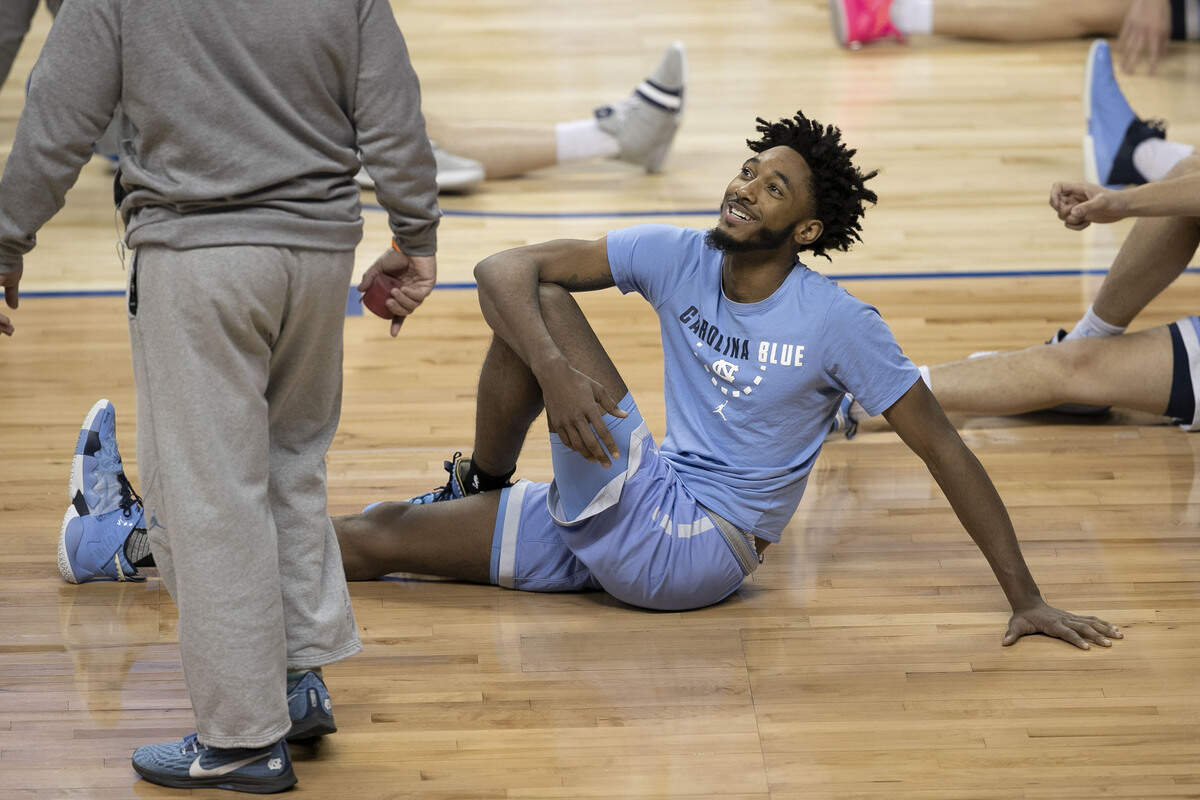
When Carla Black, the mother of UNC men’s basketball guard Leaky Black, watched the video of George Floyd crying out for his mother as a former Minnesota police officer pressed his knee against Floyd’s neck, she cried.
Like many black parents, she thought of her son, the dangers he faces as a young black man away from home, and what would happen if she couldn’t reach him when he needed her.
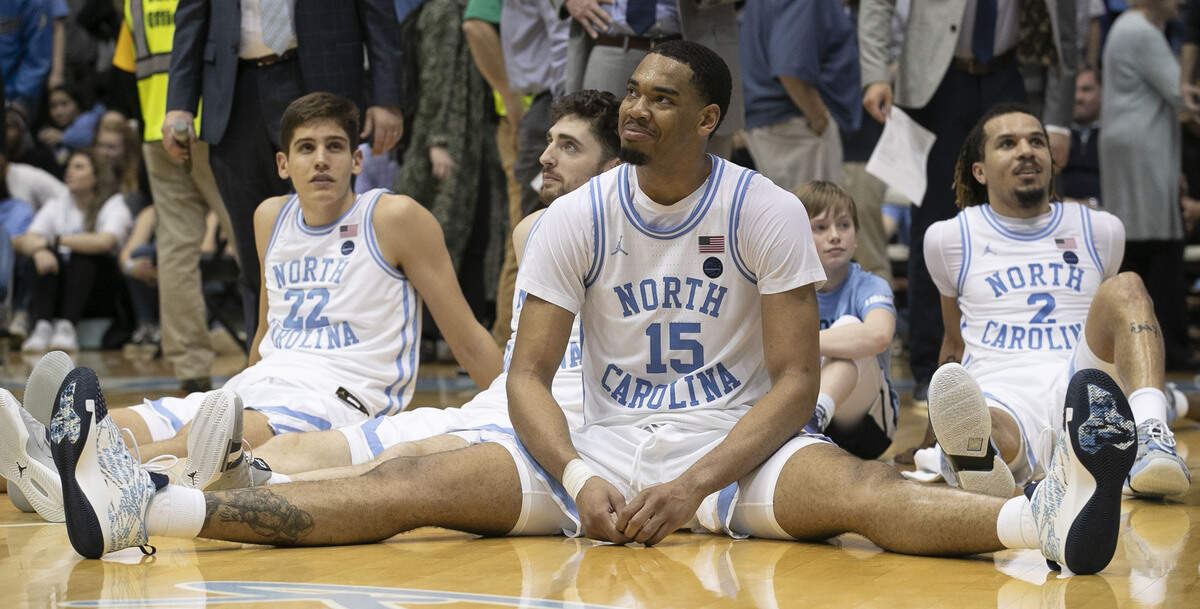
Tammala Colquitt, the mother of UNC forward Garrison Brooks, thought of her two college-aged sons as well.
“I can imagine a police officer at just a routine stop coming to Garrison’s car and asking him to step out of the vehicle and automatically being alarmed at his size,” Colquitt said. Garrison Brooks is 6-foot-9, 235 pounds. “And I immediately thought the first thing he’s going to do is put his hands on his weapon.”
Renada Jackson, the mother of Savion Jackson, a defensive lineman at N.C. State, said since watching the video she’s had nightmares that her son was being pinned down by police like George Floyd was.
“I just don’t ever, as a mother, want to receive a call like that from a police officer,” she said. “But sadly that’s the reality that our black sons have today.”
As hundreds of thousands of people protest in cities across the world, the death of George Floyd has prompted many black parents to rehash difficult conversations with their children about racism, and how to handle situations when confronted by police.
The News & Observer hosted a Zoom call with the parents of six black athletes in which we discussed the challenges and joys of raising black athletes in today’s society.
Along with Black, Colquitt and Jackson, the N&O spoke with Danny Peebles, former N.C. State wide receiver, and father of Illinois guard Jada Peebles and LSU Sprinter Dylan Peebles; Reggie Perkins, father of N.C. Central guard Jordan Perkins; and Shawn Walker, Elizabeth City State basketball coach and father of guard Shawn Walker Jr, who played his freshman season at George Washington before transferring to Tallahassee Community College.
Here are some of the highlights from the video:
Q: Even before these deaths happened, what kind of conversations have you had with your children in dealing with the police?
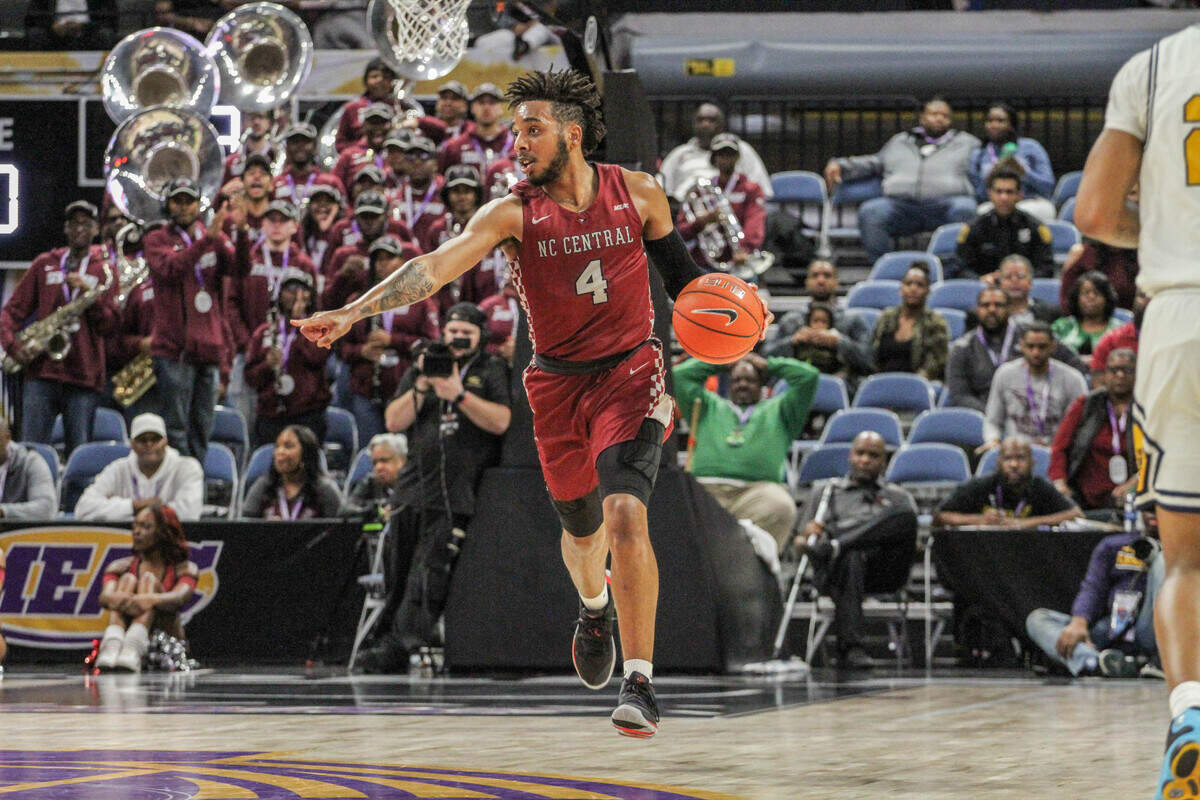
Reggie Perkins: “Since my kids have been driving, we’ve always told them to be respectful. Both of my kids are athletes, so they knew not to drink and that kind of thing. So I wasn’t really worried about them having anything in their car or being intoxicated. I was worried about their treatment.”
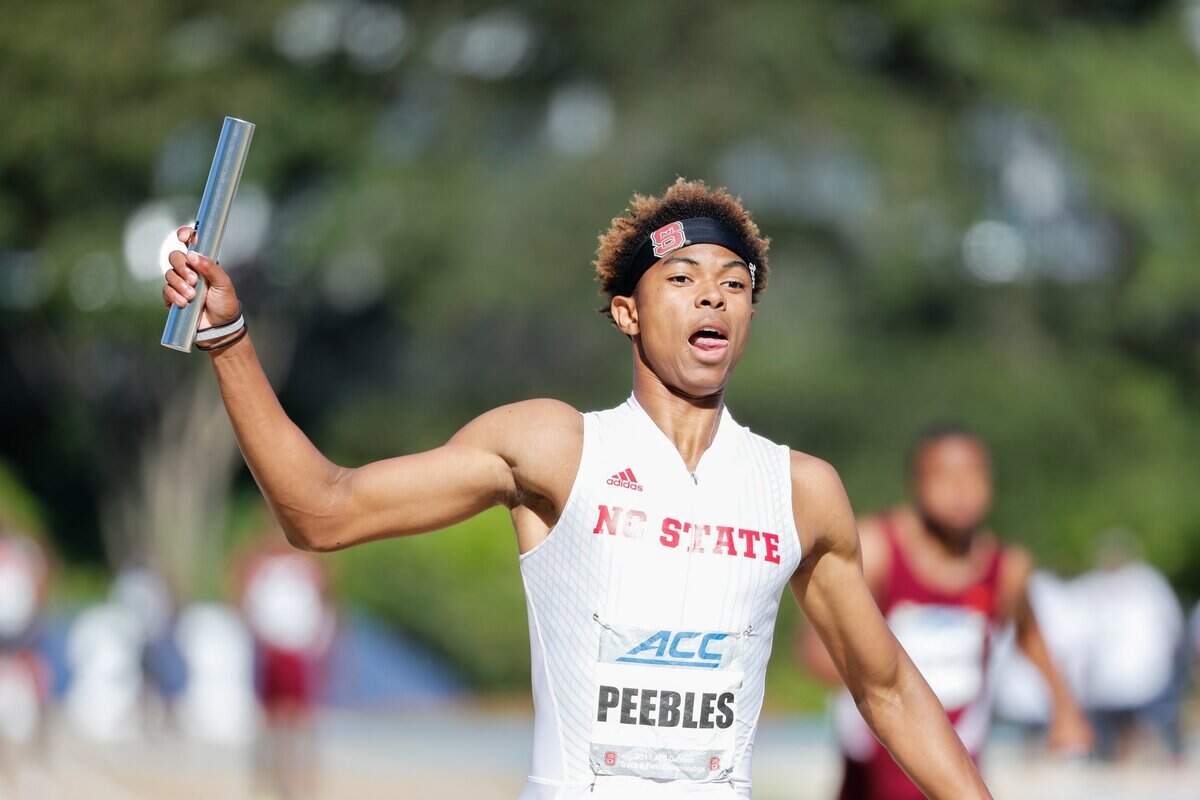
Danny Peebles: Interesting for me, we live in a diverse neighborhood. So when my son was young, I used to always tell him, when you’re with your friends, you can’t do everything they do and you’ll be the first one to get picked out when a situation or circumstance arises. And it’s a shame we have to do this, I was like ‘you can’t think that you’re going to be treated like your white friends are treated in situations and circumstances.’
Tammala Colquitt: You don’t grow up in Alabama and not have these conversations. You can be famous, you can be the best athlete. (Garrison) was on every newspaper, he played at every gym. Everyone knew him. But that didn’t stop racial profiling in my neighborhood.
When he turned 16, he got a Mercury Grand Marquis from my parents. And my mother just thought, oh my goodness, they are going to think he’s a drug dealer. We had it painted. It looked brand new. No tint. No music. No wheels, nothing. It was just a car. Coming out of our neighborhood, which is not so diverse, police stopped him, ‘hey, what are you doing coming out of this neighborhood?’ ‘Sir, I live here.’ ‘What are you doing in this car over here?’ Well, it was just a 16-year-old in his car, his grandmother gave him.
Ranada Jackson: “Minimize interactions with police. Sadly, that’s what we have to talk about. Me and my oldest, we go over, what to do if you’re stopped. ‘Steps to stay alive.’ So we really discuss that stuff. And it’s very, very sad. And it weighs on my heart.”
Shawn Walker: Uniquely, I will say I’ve been having conversations with my son for years from the time I took him out of public schools and moved him to private schools. And in the private schools, he was obviously a minority. He attended Wesleyan Christian Academy. Wesleyan Christian is 99 % white and the basketball players there are black.”
Q: A UNC football player recently posted a picture of fans around him, celebrating after scoring a touchdown. The player, Dyami Brown, wrote in the caption ‘Sometimes I think this is the only time they really care about my life.’ Is that something your sons or daughters have talked about? .
Peebles: “I always told them, sports is what you do, not who you are....We know that it only takes one injury. You just never know when everything can change. I’ve lived that myself. It’s more important to know who they are outside of their sport, but to take advantage obviously of the opportunities it can present.”
Black: “At the end of the day you take that jersey off and you are a black man in America. I tell Leaky you can flash that big smile all you want, but you are still a black man. The best skill that a student-athlete can have is getting to know what people’s motives are, making you circle tight, one-by-one and like-minded people that you surround yourself with. All of our kids have been given this awesome opportunity to have your education paid for and you don’t want to squander that over some silly mistake and people will target you because of who you are.
Jackson: “It’s obvious, the fans love sports, it doesn’t matter, people come and go all the time. You have a lot of people, as long as they are winning they only care about you when you have that number on, when you’re on the field...You have to make them respect you outside of that uniform. Some of them are not going to do it, that’s just a fact.”
Peebles: “The challenge of being an athlete, they are comfortable with your athletic ability and your entertainment value. It’s outside of that where they get very uncomfortable. If you get outside of those lines, that’s when they want to put you back inside those lines. I’m comfortable with your blackness (playing), but once you get outside of that I have to put you in your place. You really learn people’s character in times that we are in right now.”
Colquitt: “I’ve always said having a degree and being outspoken as a black man makes you way more dangerous than having a jump shot. When you can put a sentence together and formulate an opinion, that’s when you become dangerous. You can push back, you can speak up for yourself, you can stand up for yourself. That’s what has given society so much grief right now. The things our grandparents and great-grandparents tolerated back in the day, we no longer tolerate. Now we are the business owners, the degree carriers. Now we are almost on a level playing field to some degree and that threatens society.”
Jackson: “I thought about something when you said about putting a sentence together. Many times after my son does an interview I hear, ‘he was so well spoken.’ Was he not supposed to be because he’s outside of your box of a dumb athlete? It’s offensive. What did you expect? They expect you to come here and play ball and be nothing but a ball player. I tell my kids that’s not happening.”
This story was originally published June 8, 2020 at 11:36 AM.