UNC, NC State had record income but spent it all. COVID broke the college sports model
Major college athletic departments were never more awash in cash than they were in 2019, after years of financial growth spurred on by television rights deals that have grown evermore lucrative. And yet now, in the midst of a pandemic without an end date, college athletics leaders and administrators have no shortage of stories of woe and economic devastation.
The athletic directors at UNC and N.C. State, for instance, recently implemented salary reductions and furloughs, despite the riches that defined the not-so distant past. Over the past five years, athletic department revenue at both schools grew by a combined 30 percent. Now, though, their administrators are facing the same question their peers around the country are trying to answer: How can they navigate the economic turmoil wrought by COVID-19?
To understand how college athletics arrived here, unprepared to face a financial crisis despite decades of revenue growth, is to understand how freely schools have spent money over the years — at times on people they’ve paid to go away. It’s to know stories like that of Larry Fedora’s rise and fall at North Carolina.
Days before UNC’s most important football game of the past 20 years, Bubba Cunningham, the school’s athletic director, faced a dilemma: Another university was trying to poach Fedora, who was then the Tar Heels’ head coach. It was early December 2015 and Fedora had led UNC to 11 consecutive victories, a divisional title and a place in the ACC championship game against Clemson.
The moment was a high point for a program that since the late 1990s had been beset by a variety of maladies, including poor coaching hires and an NCAA investigation that in 2011 ended the once-promising coaching tenure of Butch Davis. Now, at last, UNC football appeared on the precipice of long-term success.
UNC’s leadership suddenly feared Fedora might leave for a school that could pay him more.
“He had a verified offer from Tennessee, and we had to match it or he was going to take the money and leave,” Chuck Duckett, a member of the UNC Board of Trustees, said during a recent interview. “And we were, at that point, (it) looked like we were right on Clemson’s heels in a way, and getting stronger and heading for a really strong program.
“And the decision had to be made in the room, by the board, at that time — would we do this? Would we extend (Fedora’s contract) and take this liability and this chance? Or, do you let him go and then we start all over again?”
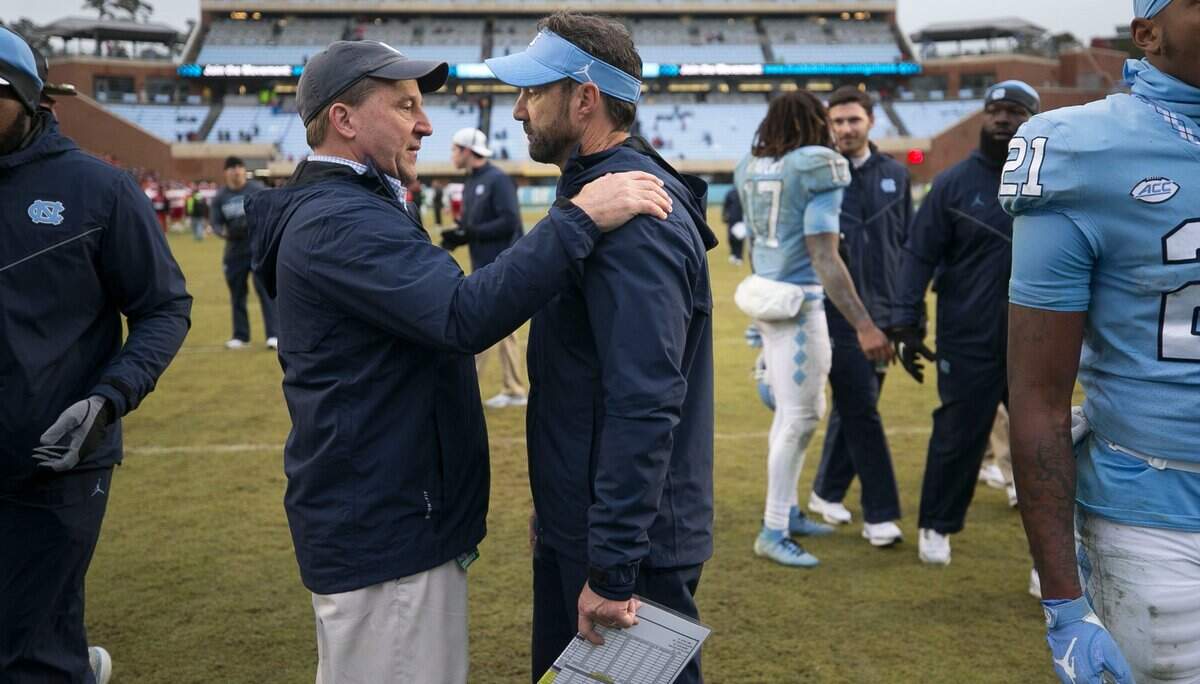
The university announced Fedora’s extension the day of the ACC championship game, hours before UNC’s 45-37 defeat. It took another 17 months to be finalized: A seven-year contract, through 2022, worth almost $19 million, with bonuses ranging from $25,000 (for being named ACC Coach of the Year) to $600,000 (for winning a national championship).
Eighteen months later, after his teams amassed a 5-18 record over the 2017 and ‘18 seasons, Fedora was fired with four years left on his deal. His contract required UNC to pay him the remainder of what he was owed, a total of about $12 million. In 2019, the university made the first of four annual buyout payments. It was part of the reason why the UNC athletic department lost money that year, despite generating a record amount of revenue.
Up until about six months ago, Fedora’s extension and raise, followed by his termination not long after, exemplified the spending habits among major college athletics programs. It was not an abnormality. To the contrary, it was the sort of thing that had become perfectly normal — paying a coach millions; paying that coach more millions when another suitor came calling; then, upon under-performance, paying the same coach millions to go away.
For years, money poured into major college athletics as if it were water gushing out of a ruptured hydrant. Colleges and universities, meanwhile, spent that money as if the flow of it would never cease. For a long time, it seemed like it might not. That major college athletics is big business is hardly revelatory. It has been so for decades. Still, the spending trends over the past 10 years, and especially over the past five, make what came before seem quaint in comparison.
Between 2009 and 2019, ACC revenue increased from $172.7 million to $455.4 million — a jump of more than 163 percent. In the past five years, conference revenue grew by about $155 million, with most of it disbursed among the league’s 15 schools, and a not insignificant portion going to the personnel who work at ACC headquarters in Greensboro. At both UNC and N.C. State, the two North Carolina public schools in the ACC, the business of college sports boomed.
UNC’s athletic department revenue grew 28.7 percent between 2014 and 2019, going from $83.8 million to 107.8 million. In the same period, N.C. State’s athletic department revenue grew 31.5 percent, from $70.5 million to $92.7 million. And yet, still, neither school has been immune to the financial crisis that arrived with the novel coronavirus.
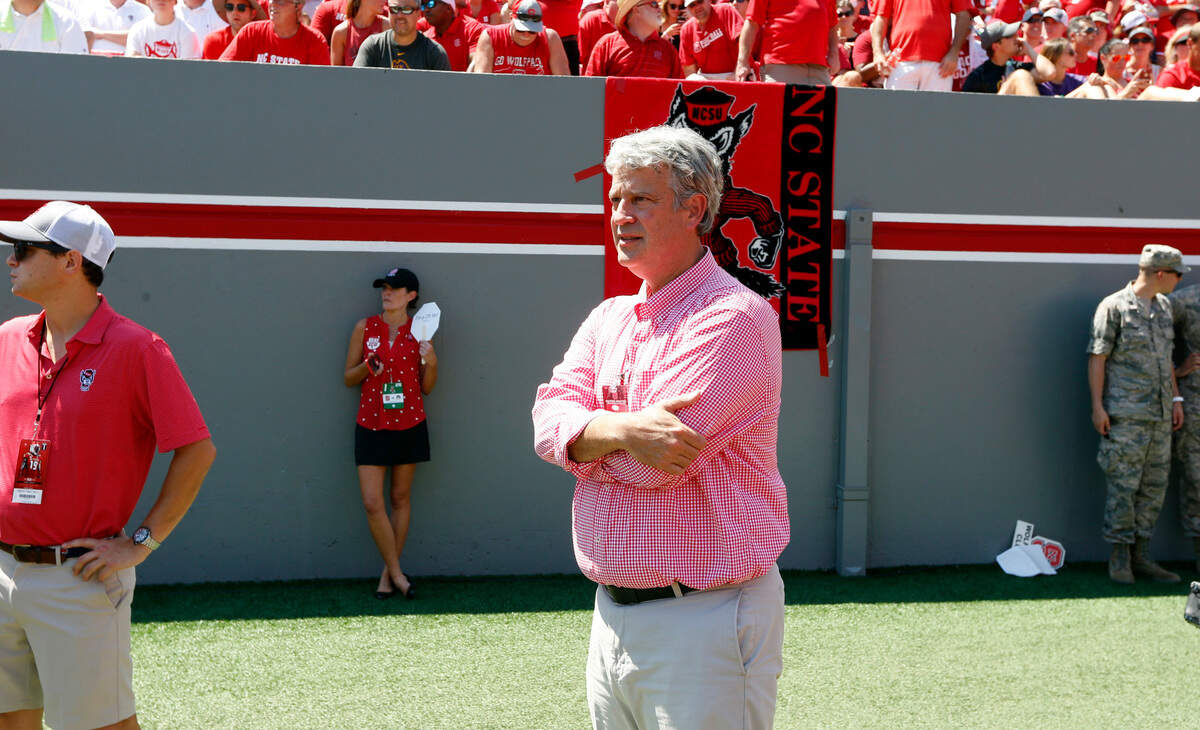
“Clearly, we’ve got to plan on it moving forward, but I don’t know how you plan on a pandemic,” Boo Corrigan, the N.C. State athletic director, said. “And I think that’s the challenging part that we’re all looking at.”
HOW DID IT COME TO THIS?
Beyond the question of how to navigate the pandemic is the related one of how Power Five athletic departments find themselves in such dire financial straits in the first place. The virus has affected businesses of all sizes and few, outside of e-commerce giants like Amazon, are thriving. Yet, in college athletics, the financial picture is especially grim, despite exorbitant gains in revenue in recent years.
In major college athletics, the pandemic has exposed reckless spending habits and an inability to save money. As a result, schools around the country have had to weigh whether to cut sports in order to trim their budgets. As of Sept. 11, NCAA Division I schools had combined to eliminate 73 teams, according to businessofcollegesports.com, which tracks the moves.
In North Carolina, college sports programs have been eliminated at East Carolina and Appalachian State. Even Stanford, long viewed as a paragon of college athletics with how it co-existed with high-level academics, cut 11 sports.
At schools that haven’t reduced the number of teams, and among some of those who have, athletic directors have implemented additional cost-saving measures, such as furloughs and salary reductions for athletic department staffers.
Cunningham, the athletic director at UNC, announced such moves earlier this month: A 20% salary cut for department employees making more than $200,000 per year; a 10% cut for those earning between $100,000 and $200,000; and 15 days of furlough for those earning less than $100,000. On Thursday, N.C. State announced similar reductions: 19 days of furlough for employees making less than $100,000; a 15% cut for those between $100,000 and $200,000; and, like UNC, a 20% cut on salaries higher than $200,000.
“What we’re seeing is the really challenging economic model of college athletics,” Cunningham said. “And there are a number of factors that play into that.”
The first, Cunningham said, as a point of emphasis, is that college athletic departments have never operated in a for-profit model. The goal isn’t necessarily to maximize the surplus between revenues and expenses, but instead to “spend the money that you generate.” In recent years, as revenue has increased faster than ever in college athletics, that has often meant that schools have made coaches exceptionally wealthy.
“I think we took our eye off the ball,” said Cunningham, who bemoaned that increased revenue hasn’t led to much expansion of opportunities for athletes, such as more scholarships or the addition of more sports. “... The creation of revenue isn’t the problem. It’s the use of the revenue that becomes important.”
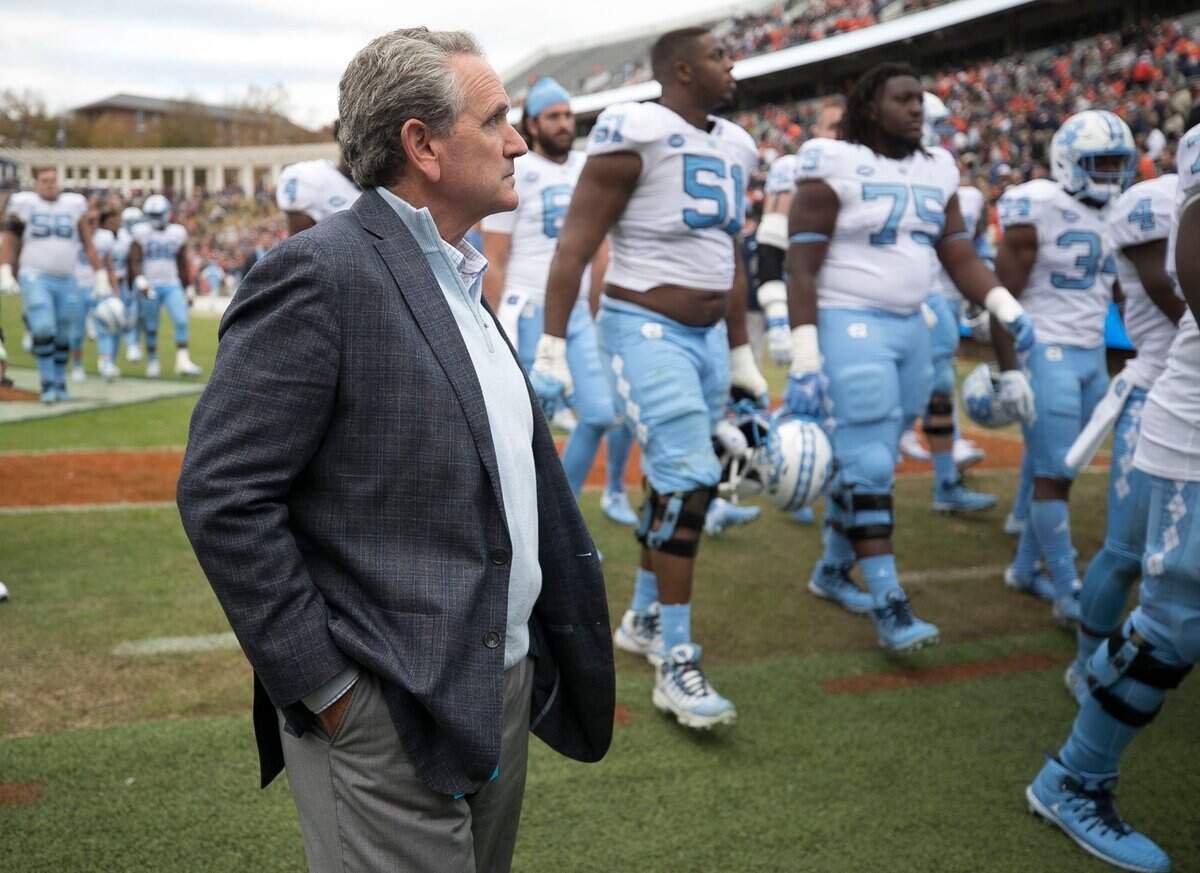
At UNC and N.C. State, coaching salaries, and particularly football coaching salaries, have grown at a faster rate than the revenue coming into the departments. UNC went from spending about $4.6 million on football coaches in 2014 to spending about $8.4 million on them last year, an increase of 83%. At N.C. State, football coaching salaries went from $5.1 million to $7.7 million in the same period.
During that span, neither school won a conference championship or played in a major bowl game. UNC won 11 games in 2015, but no more than eight the other years. N.C. State won nine games in 2016 and ‘17, and then gave Dave Doeren, its head football coach, a raise and an extension after each of those seasons. Now, Corrigan is wondering how to account for revenue losses that are projected to be in the tens of millions.
“In these growth periods, you get a lot more wants — we want this, I want this,” said Corrigan, who is projecting between $25 million and $35 million in lost revenue this year. “And now we’re talking about what do we need? I mean, who foresees going from $21 million in football revenue to next to zero?
“Tickets and suites and parking and hot dog and beer and T-shirts. And kind of everything.”
Like his counterpart at UNC, Corrigan is also in the midst of an expensive clean-up after a failed coaching tenure. Mark Gottfried, the former N.C. State men’s basketball coach, recently sued the school and is seeking more than $500,000 in buyout money that he claims he’s owed, and that the school hasn’t paid him. Gottfried’s lawsuit comes after N.C. State extended the contract of his successor, Kevin Keatts, for the second time last year.
SPORT CUTS AMONG ‘STAGGERING’ CONSEQUENCES
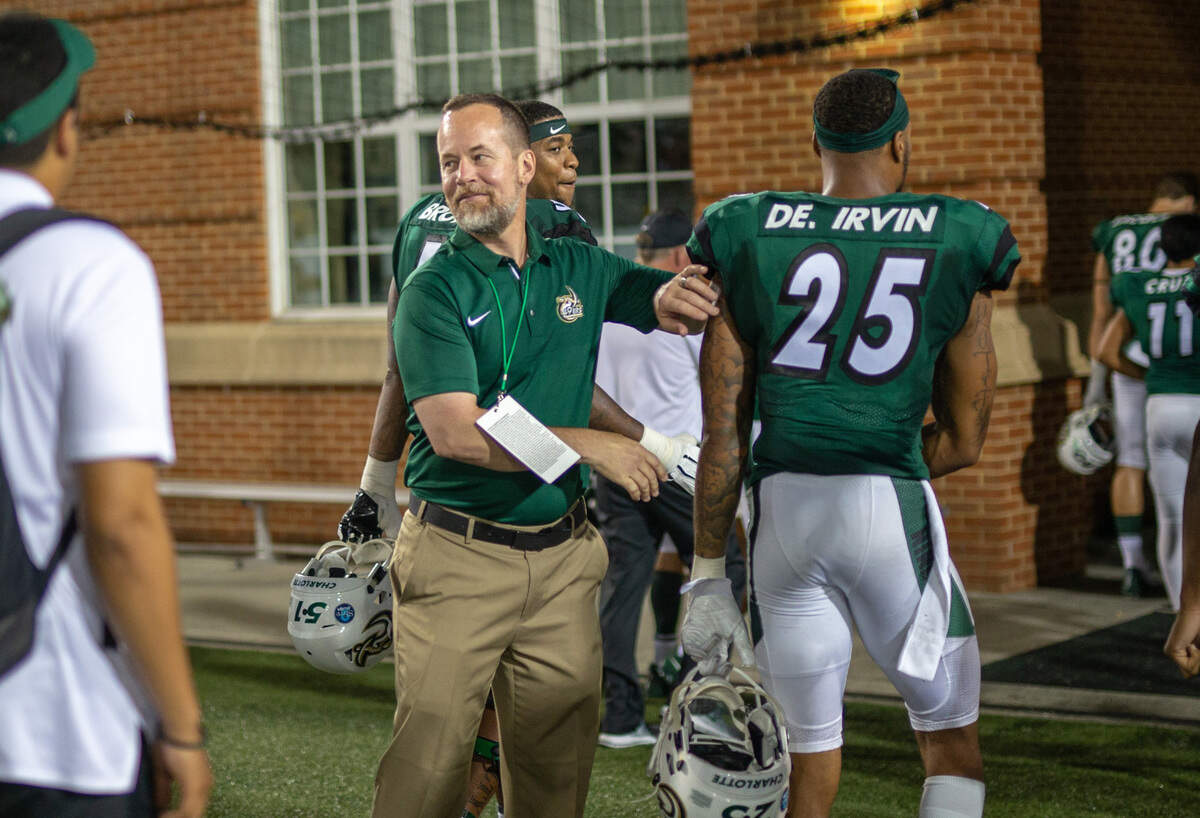
Mike Hill, the athletic director at UNC-Charlotte, has followed closely how the pandemic has affected athletic department budgets around the country and state. Two other schools similar to Charlotte — both members of the UNC System, as well as members of the Group of Five conferences, or those outside the Power Five — cut sports in recent months.
Appalachian State eliminated its men’s soccer, tennis and indoor track and field teams. East Carolina eliminated its men’s and women’s tennis and swimming and diving teams. Charlotte hasn’t had to take such measures, yet Hill described as “staggering” the economic crisis facing college athletics, especially at the highest level.
“Athletic programs (are) talking about borrowing from their institution, or taking a loan of some kind from a third party,” he said. “And these are enormous numbers that they’re contemplating because they’re so dependent on that. And it’s pretty overwhelming, and I’m sure frightening to be in that situation right now trying to figure out how to manage that kind of a deficit.”
Charlotte’s athletic department budget last year was $34 million. The pandemic has dropped it to about $30 million, Hill said. He has been the athletic director there for almost three years, after spending about 25 years in the athletic department at the University of Florida. There, Hill was a part of the high-profile searches that landed Billy Donovan and Urban Meyer, coaches that led the Gators to national championships in men’s basketball and football.
While the buyout money might change, Hill said, some things probably won’t.
“The marketplace is still going to be the marketplace when it comes to hiring the football coaches and basketball coaches, right?” he said. “So I don’t know that we’re going to see a dramatic change in levels of compensation, but I do think that you can see a dramatic change in the payout, buyout clauses.”
The financial plight of college sports is unlikely to engender much sympathy, despite the human cost of lost jobs and vanishing opportunities for coaches and athletes who have seen their teams become collateral damage. Instead, the cost of the pandemic has only underscored the questionable spending habits of major college athletic departments, few of which chose to save money even in the most robust of times.
UNC’s athletic department, for instance, managed to save more than $300,000 in 2014, when it generated $83.8 million in revenue. Five years later, its revenue approached $110 million, and yet it faced a deficit of approximately $3 million. N.C. State’s athletic department surplus also decreased, from about $5.6 million in 2014 to $2.6 million last year. That expenses have increased faster than revenue raises the obvious question of why schools can’t, or won’t, save.
Corrigan, N.C. State’s athletic director, responded to that question with one of his own:
“How do you do that without overly affecting the student-athlete experience?” he asked. “Which, by the way, includes the best coaches. And how do you find the best coaches, how do you keep the best coaches?
“To date, seemingly there’s always been someone else that we’re competing with for a talent, to draw them away from us. And I think that could in part be the biggest driver of the increased salaries, is (other schools) coming after your people.”
Maintaining the “student-athlete experience,” as Corrigan described it, is also one of Cunningham’s primary goals at UNC. Corrigan’s and Cunningham’s talking points are similar, perhaps, because the two men talk often these days — up to 10 times per week, Corrigan said. For months they have commiserated over their “shared pain,” Corrigan said, and also shared ideas about how to stretch their budgets. Kevin White, the athletic director at Duke, has also been a part of those casual conversations among local athletic directors.
Neither Cunningham nor Corrigan envisioned large-scale changes on the other side of the pandemic, whenever that point might arrive. The changes they foresee, they said, would be smaller: perhaps more geographically aligned conferences in Olympic sports to save on travel costs, for instance; maybe more discussion, but not necessarily action, about how to control coaching salaries that often surpass scholarships as an athletic department’s greatest expense.
CONGRESS WEIGHS REFORM
Their talks in recent months have come against the backdrop of the ongoing national dialogue about whether college athletes should be compensated beyond scholarships and cost of attendance stipends and, if so, how it would work. Earlier this month, the Senate Committee on Health, Education, Labor and Pensions hosted another in a series of hearings to discuss the topic.
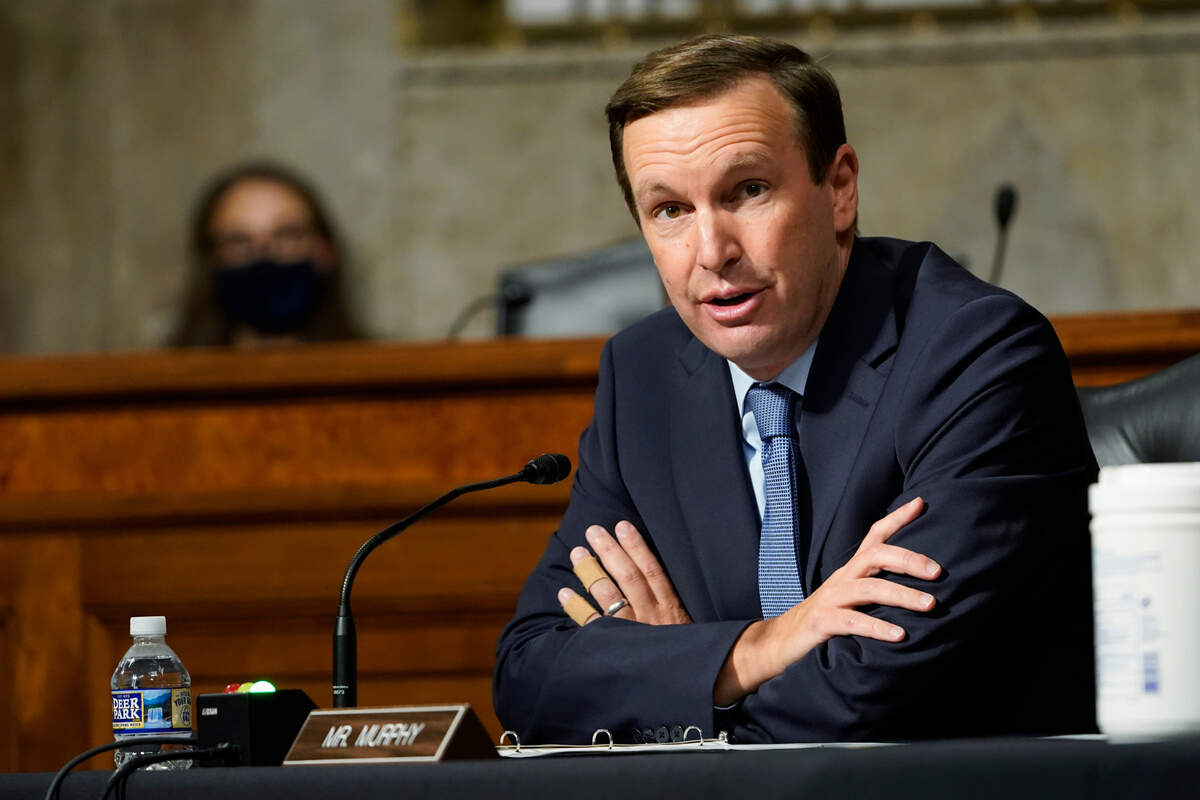
The hearing, which focused on the debate over whether college athletes should be able to maximize their earning potential by profiting off of their name, image and likeness, at times became contentious. Chris Murphy, the Democratic Senator from Connecticut, was among those who offered harsh criticism of an economic model that has gone unchecked.
“I am a huge college sports fan, and I can’t help but have noticed that this has turned into a $15 billion industry over the course of the last 15 years — after you’ve kind of gone from a $5 billion industry to a $15 billion industry,” Murphy said in his opening statement. Later, he questioned Rebecca Blank, the chancellor at the University of Wisconsin and one of the hearing’s witnesses.
“I’ve heard the argument from you and others that if you were forced to pay college athletes, at least in sports like football and basketball that make money, that you couldn’t afford to run all the other sports,” Murphy said. “ ... But let me make the argument that you don’t have to actually reallocate money at all, outside of your football program.
“Your head coach at the University of Wisconsin makes $4 million a year. What’s the problem with just paying him the salary of the average member of Congress and taking those additional dollars and divvying them up amongst those who play for him?”
Blank’s response: “I’ve actually been quite critical of the amounts of money that we currently pay coaches. I’m an economist. It’s a market out there. ... It’s very hard to find people who have really top coaching skills, whether in college or professional sports, and the market competes those prices up.”
It wasn’t always this way, at least not to this extreme. Duckett, the UNC Board of Trustee member, served as a student manager for the men’s basketball team during his undergraduate years at the university, from 1978 through 1982. He likes to tell people that he was the first student manager that Roy Williams, now the Tar Heels’ head men’s basketball coach, ever hired.
Looking back, Duckett said recently, he couldn’t remember if there was even any advertising inside of Carmichael Auditorium, where UNC played its home games. Dean Smith, then the school’s basketball coach, made a salary that, while lucrative in those days, was modest compared to what’s become the standard today.
“Maybe there were some on the scoreboard or something — you know, we didn’t have video boards,” he said. “So I’m going way back. You had some sponsors of the programs. But I don’t know what coach Smith made back then — about 150 grand, and he was well-paid.”
$100 MILLION BUDGETS, NO PROFIT
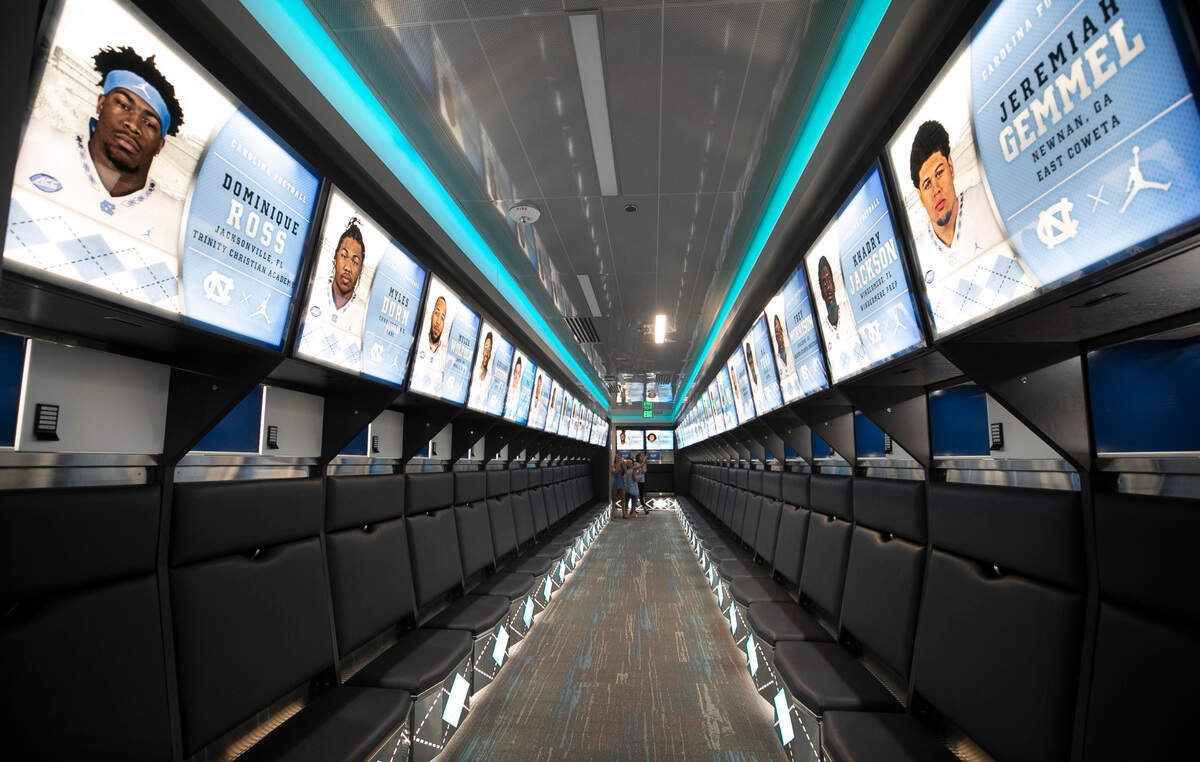
Things began to change, Duckett said, when Nike began pumping money into the athletic department, in the early-to-mid 1990s, in exchange for the Tar Heels wearing the company’s gear. And then, gradually, TV and radio rights deals began to turn into the financial behemoths they’ve become. Which, in turn, only accelerated the never-ending arms races among schools, which compete to see which can pay coaches the most, or build the shiniest new facility.
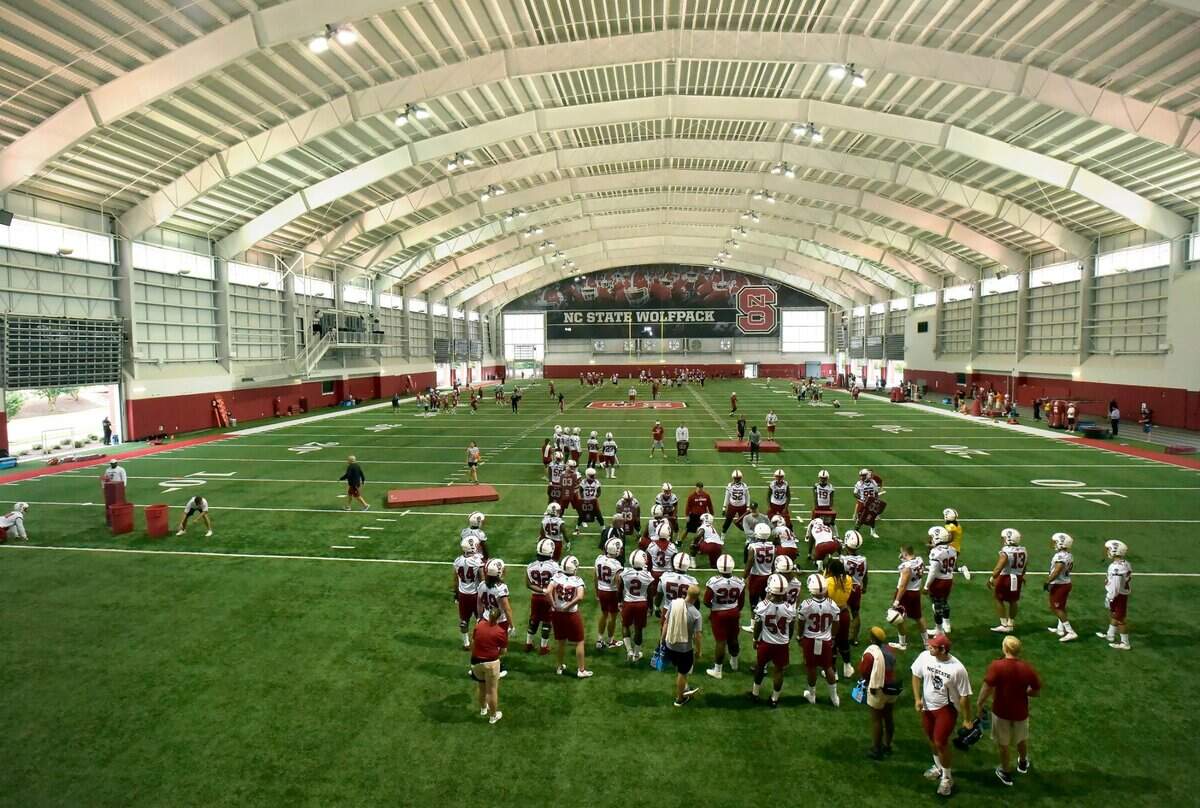
In the late 1990s, for instance, UNC built a new football building and remodeled parts of Kenan Stadium. Not long after, N.C. State did the same at Carter-Finley Stadium. More recently, N.C. State built an indoor practice facility for football. Then UNC followed. And around it goes. Last year, the Tar Heels found hope with a new football coaching staff, headlined by Mack Brown, back for his second stint as head coach, and an all-star staff of assistants. This year, N.C. State hired a new offensive coordinator, and also hired Ruffin McNeill, the former ECU coach, as an adviser.
“Coaches pay has exploded,” said Duckett, who also serves on the board of the Rams Club, the booster arm of UNC’s athletic department. “It’s coaches, advisers, (videographers). I mean, (there’s) more people around the team than on the team.
“Do I think that’s right? Not really. But it’s the reality.
“When Alabama has two shadow coaching staffs they pay as advisers, you’re putting everybody under the gun. And people say, ‘Oh, well you don’t have to do it, you don’t have to have it that way.’ Well, not everybody wants to go get their butt beat by Alabama 48-0, you know? So you’re going to compete or you’re not.”
“What bothers me is the revenue has gone up so much, profits have not,” he continued. “ ... When you’ve got schools that have hundred million dollar budgets and they don’t make any money? You’ve got a problem.”
***
Historically, UNC has usually not been among those schools whose athletic departments operate at a loss. But that was the case last year, primarily because of Fedora’s buyout.
Amid a pandemic that is testing the budgets of virtually every business, that buyout — though lessened after he became the offensive coordinator at Baylor — has become even more of a burden. Not long ago, Duckett wondered whether the pandemic might represent a turning point for spending across college sports. Might athletic departments be less inclined to agree to buyouts in the tens of millions? Might salaries, which have been ever-ballooning for coaches and administrators, fall back to Earth?
“I don’t foresee a major change in compensation for the sports that generate money,” Cunningham said. “If you’re going to have any savings at all, in salaries, it’s going to come at the ones that don’t have the corresponding revenue.”
At the time it was early September, and Cunningham, Corrigan and their fellow athletic directors in the ACC had spent months navigating their schools toward a football season that for a long time was in doubt, given the concern over the virus. Every day that passed made the season seem more and more likely, despite the fact that at many schools — including those in North Carolina — games would be played in mostly empty stadiums.
Even without fans, and the corresponding revenue they’d deliver, a football season still remained a lucrative proposition thanks to TV money. And so, despite the risks associated with COVID-19, and despite the decisions at N.C. State and UNC to send students home, and move all undergraduate classes online, football went on. It went on despite N.C. State’s need to push back its season opener because of clusters of COVID-19 within the athletic department.
And, since, it has gone on despite a spate of virus-related postponements and cancellations around the country — including Charlotte’s decision to cancel its game at UNC last week. That the season is being played against the backdrop of the pandemic became part of the line of questioning during the Senate hearing last week.
“Why are we working so hard to continue fall football,” asked Tim Kaine, the Democratic Senator from Virginia, “if the results, at least in the ACC, are such that grave questions and the ability to do it safely are so obvious?”
One of the witnesses, Ramogi Huma, who is the executive director of the National College Players Association, answered quickly. Huma played football at UCLA, and he has become an outspoken critic of the college sports model, and the hypocrisy he believes that is embedded throughout it.
“Really, it’s very simple,” he said. “It’s big money. And it’s hard to pass up.”
This story was originally published September 25, 2020 at 6:30 AM.