Remembering the flash and mystique of ‘Pistol Pete’ Maravich 33 years after his death
Lou Pucillo was in his office in Raleigh when he heard Pete Maravich mentioned on the radio. Within minutes, the phone calls came.
Bob Sandford was working at Broughton High, where he was transportation supervisor. He was standing in the parking lot near the school’s Holliday Gym where Maravich once starred for the Caps, where his basketball jersey was retired. He heard the news from Brinkley Wagstaff, the former Caps baseball coach.
“I almost dropped to my knees,” Sandford said.
It was Jan. 5, 1988. Pete Maravich was dead. After playing pickup basketball in a church gym that morning in California, he collapsed and died. He was 40 years old.
No one could believe it. Pete Maravich? Forty years old? Later, when the cause of death was learned, few could believe how he had lived so long.
There are great college basketball players from Maravich’s era in the late 1960s who have more or less faded from memory as the years have passed — Calvin Murphy, Rick Mount, Austin Carr. But not Maravich, who left LSU in 1970 as the NCAA Division I career scoring leader with 3,667 points, averaging 44 points a game in his three varsity seasons at a time when there was no 3-point shot.
Signing with the Atlanta Hawks for $1.9 million, then the most lucrative NBA contract awarded, Maravich would average more than 24 points in the pros. In 10 seasons, he was named All-NBA five times and was the league’s scoring leader in 1976-77, scoring 68 against the New York Knicks that season.
Thirty-three years after his death, a fascination continues about the player with the mop-top hair and the floppy wool socks, with a basketball creativity so rare, so pure. The debate continues on how Maravich should be remembered -- showman or showboat, hoops visionary or ball hog, over-rated or transcendent?
“In my humble opinion, and I’ve been watching basketball since 1950, Pete Maravich was the greatest offensive guard who ever played the game,” said Pucillo, a former N.C. State All-America guard and ACC athlete of the year in 1959 who had plenty of flash to his own game.
Magic Johnson once said that Maravich was “Showtime” before the Los Angeles Lakers created their own in the NBA. He could do things with a basketball that was artistry in motion, turn it into 22 ounces of gold.
“He did things on the court that just mesmerized people,” Sandford, who became one of Maravich’s closest friends, said in an interview with The News & Observer. “It wasn’t just watching him score. It was how he was going to score. In his prime, you could put Pete in the NBA right now and he could play with them, the way they’ play the game now.
“Somebody on TV said LaMelo Ball of the (Charlotte) Hornets recently made some passes that were ‘Maravich-type’ passes. That was the description. They compared him to (Pete).”
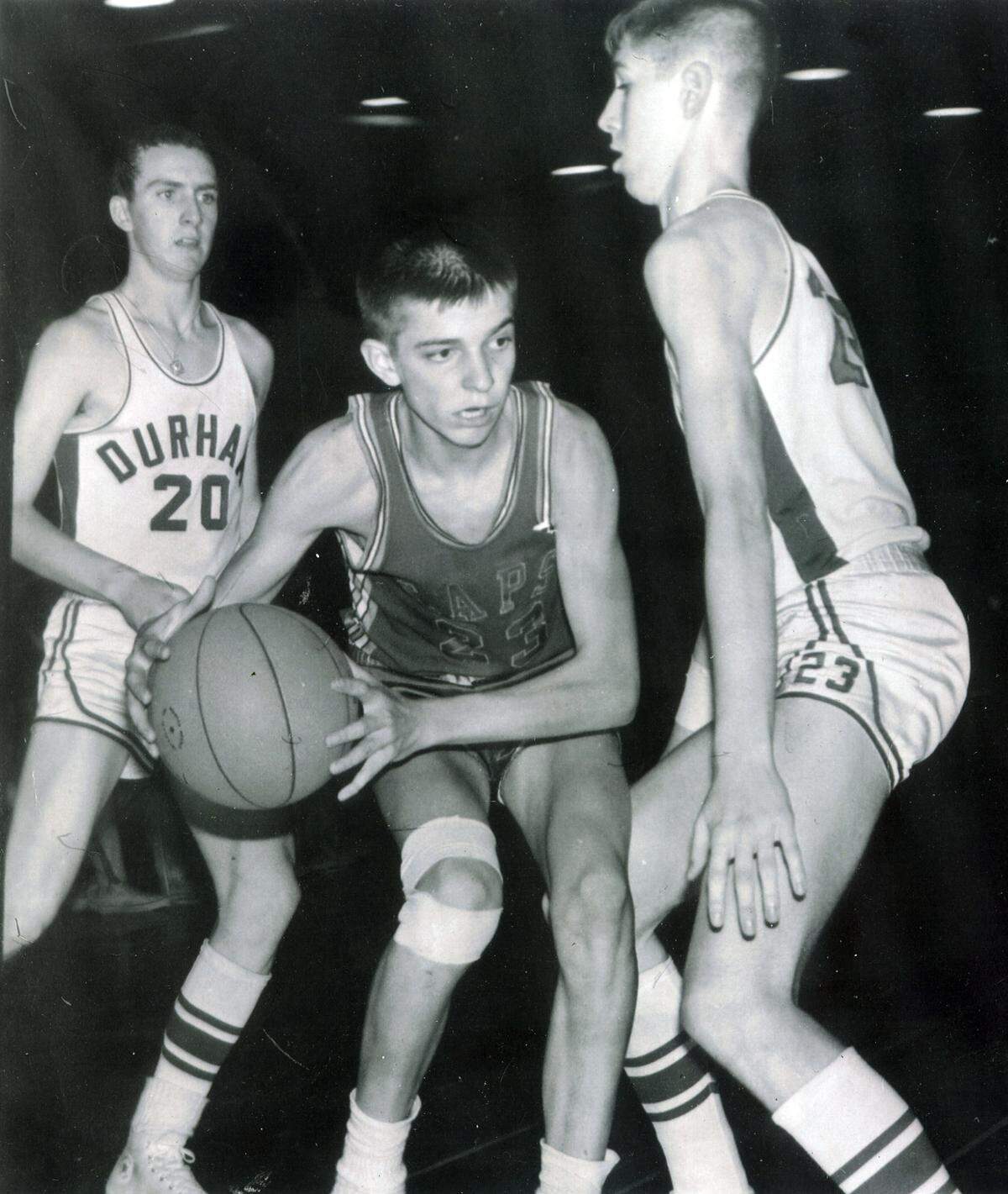
Pucillo first met Maravich when his father, Press Maravich, came to N.C. State as an assistant coach under ailing Everett Case. Pete Maravich was all arms and legs then, the skinniest of teenagers, but his basketball talent was quickly evident to Pucillo.
“He was playing with the State guys one day at Reynolds Coliseum, hitting crazy shots from every angle, deep in corner, everywhere,” Pucillo said in an N&O interview. “Coach Case had never seen him play. After Pete made about six straight shots Case yelled out, ‘Somebody get on that little ...
“Press could only laugh. Pete could have probably made the State team right then and it was a good team. “
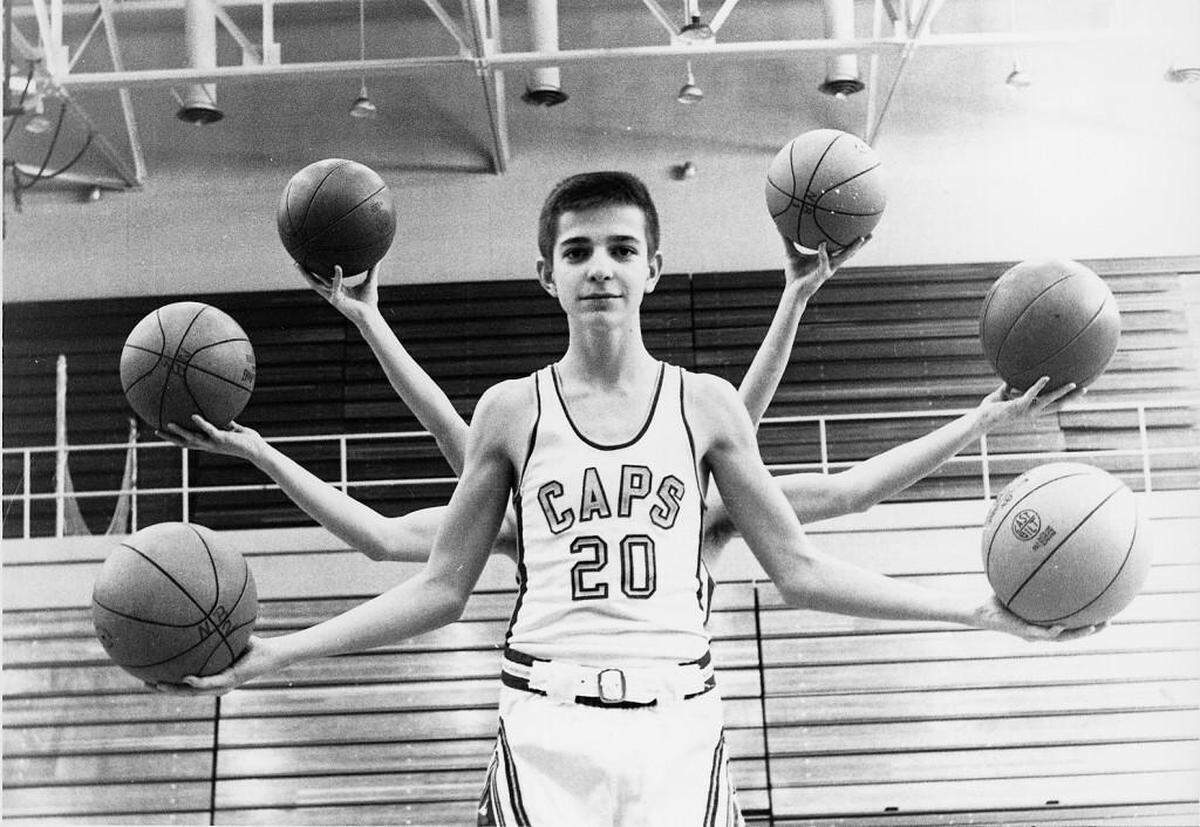
Pucillo could pass the ball with the best of them, modeling his floor game after former Boston Celtics great Bob Cousy. But Maravich was different, better, unique. He could do things with the ball, at full tilt and top speed, and was willing to do things with the ball that few players did at the time.
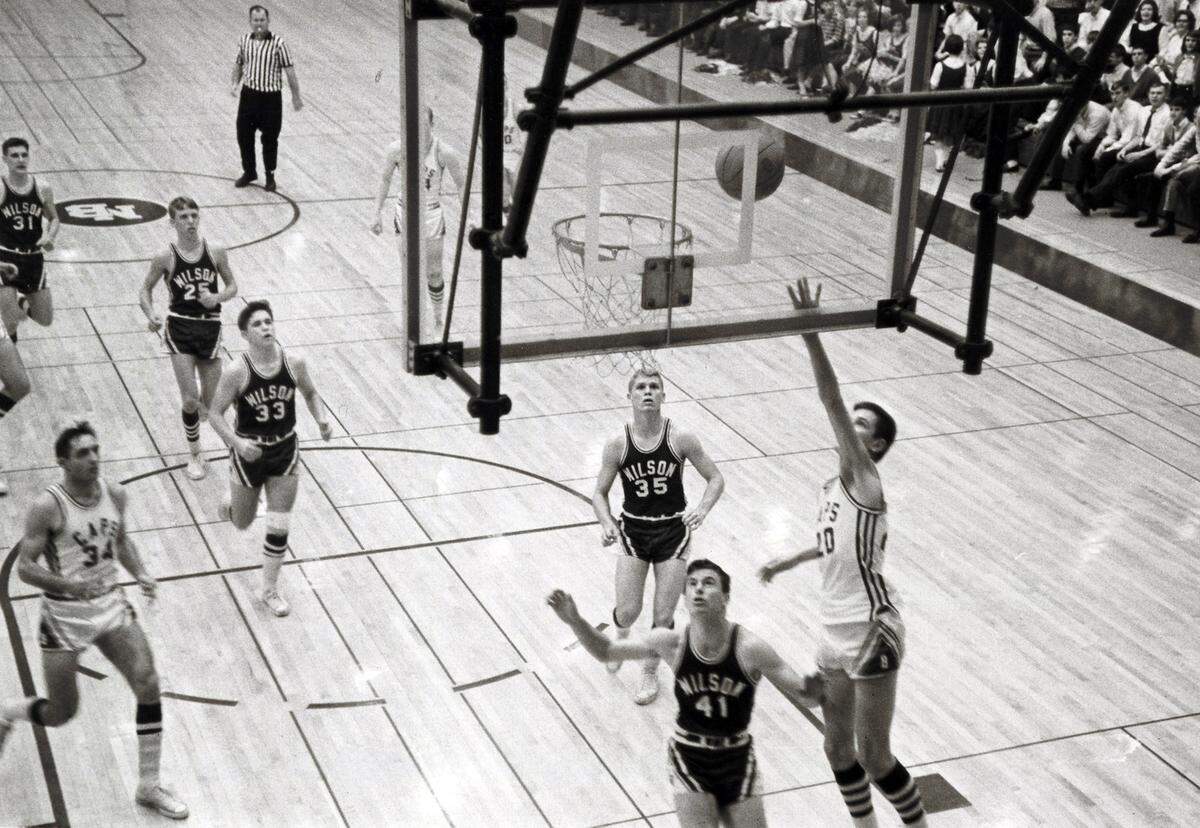
He did it at the Campbell summer basketball school, wowing college players and campers alike as a 13- and 14-year-old. He did it for two years at Broughton, being named a Parade All-America. Then at LSU. Then the NBA.
Maravich also made a lasting impression on Pucillo’s son, Lou Jr., who once “won” a game of “HORSE” against Maravich at the Pucillo house. Lou Jr., now 55, still has a signed photo to prove it, even if he’s sure Pete used some intentional spin on some of his shots to keep the ball from going in.
“It was like he was playing a game within a game, which was cool,” Pucillo Jr. said in an N&O interview. “When Pete was in the NBA’s HORSE competition, Press wrote a letter to me saying, ‘You can brag you beat him in HORSE.’
“Pete still has this mystique about him. He was ahead of his time. He was an unbelievable scorer but the passing to me really jumped out.”
What if Pistol Pete had gone to NC State?
Had Maravich been able to make the ACC admission requirement of an 800 on the SAT, he would have played at N.C. State for his father and neither would have left for LSU. Norman Sloan might never have coached the Pack or David Thompson and Tommy Burleson starred and won the schools’ first national championship in 1974. It would have been Pete’s Show.
“If he could have gotten in State, I’m sure Pete would have come,” former Wolfpack guard Eddie Biedenbach said in an N&O interview. “But you can’t change things.”
Biedenbach was recruited by Press Maravich to NC. State, played on the 1965 ACC champs and later played and then coached for Sloan. He said he always thinks of Pete Maravich as someone “with a smile on his face, enjoying basketball, having fun.”
Biedenbach noted his son-in-law, Carolina Hurricanes coach Rod Brind’Amour, likes to say a hockey player can be taught skills but if not a great skater will have a tough time being a great hockey player.
“That’s similar to basketball and Pete,” he said. “If you’re not a great ball-handler, perception, shooter, it’s hard to be great. Pete had all that.”
Sandford was a couple of years older than Maravich. He would develop a big-brother type relationship with the kid who could be so shy and introverted off the court and then have such a loud, flamboyant basketball game on the court.
Where Pete Maravich got those floppy socks
It was Sandford who first gave Maravich what would become a trademark: the floppy socks. They didn’t come from N.C. State’s equipment room at Reynolds, as some believe, Sandford said. They came from his sock drawer one day in 1966 or ‘67 when the two were going to play pickup and Pete didn’t have any socks.
Sandford said he bought the gray, woolen work socks from Johnson-Lambe Sporting Goods in Raleigh to wear over his cotton socks and help keep blisters off his feet. Maravich wore a pair that day and played great.
“He was unconscious,” Sandford said.
The next day, Maravich wore the socks again and played great again. He had always believed his feet were too big. But the socks made his feet look smaller, made him feel faster, quicker. Such did the floppy socks legend begin.
“He’d come by my apartment every summer he was at LSU and he get one or two pair of those socks, all old and worn out, and he’d carry them back,” Sandford said.
Sandford laughed, saying, “I do tell people I have a pair of socks in the Hall of Fame.”
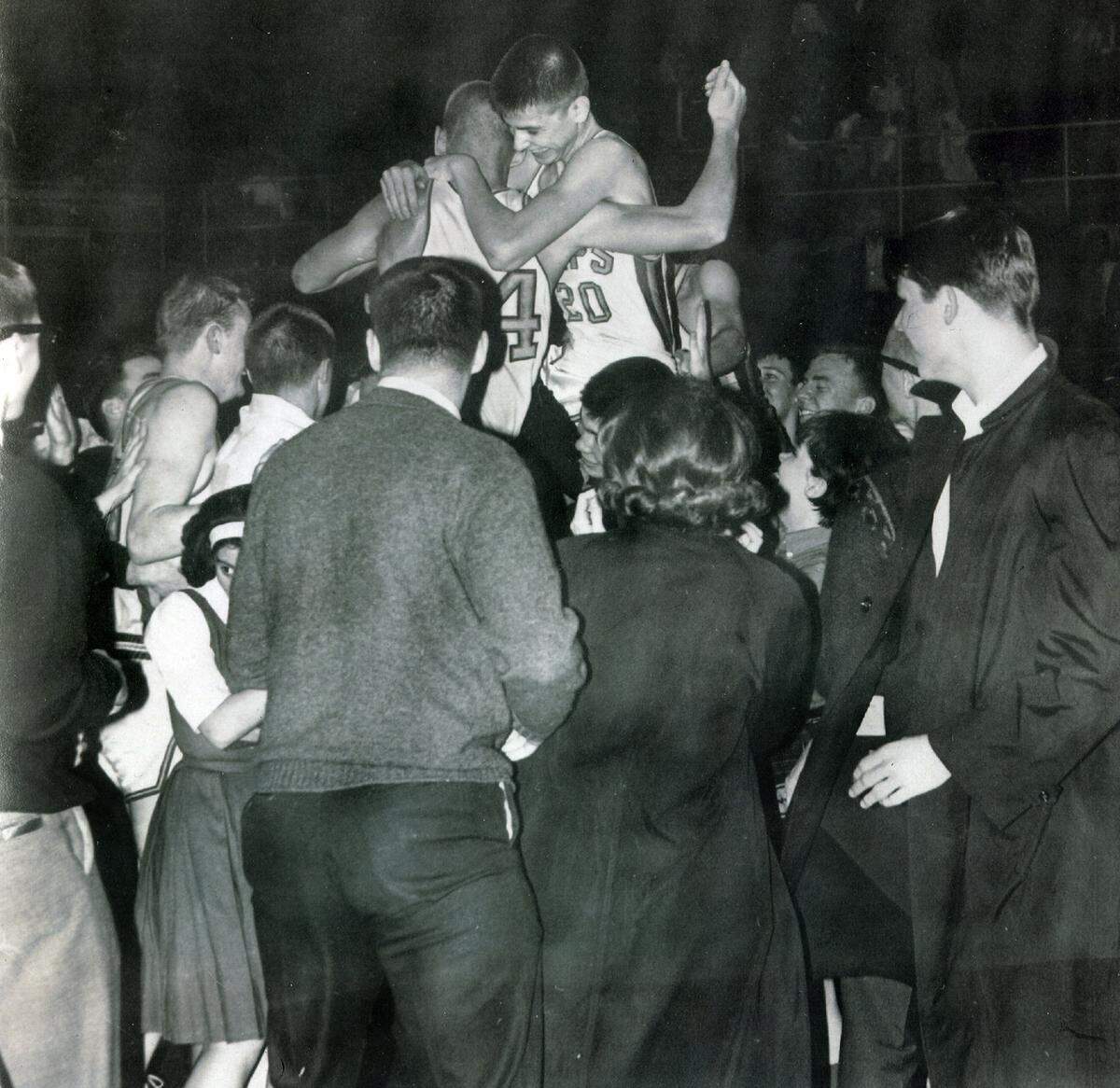
Maravich was inducted into the Naismith Memorial Basketball Hall of Fame in 1987. Later that year, he had his Broughton jersey retired during the Holiday Invitational prep tournament after Christmas at the Broughton gym.
Maravich stayed with Sandford and his family during the visit to Raleigh and Sandford said he complained of some shoulder pain. Soon, Maravich, who became a born-again Christian at 35, was headed to California, where he collapsed after a few pickup games at First Church of the Nazarene in Pasadena.
The cause of death: a congenital heart defect that had never been detected. He had no left coronary artery, leaving some to wonder how he lived to be 40.
Maravich is buried in Baton Rouge, La., and LSU’s basketball arena is named Pete Maravich Assembly Center. The NBA in 1996 named him one of its 50 Greatest Players, and “Pistol Pete” memorabilia still is in demand.
Those who knew him or saw him play can still close their eyes and see him with those dazzling sleight-of-hand passes or a double-clutching shot. They can see the hair flopping and the socks around his sneakers. Pete Maravich was always Showtime.
“He once told me, ‘I’m not going to live to be old and I don’t know how much time I’ve got left, but I’m going to live it to the fullest,’ “ Sandford said.
This story was originally published January 5, 2021 at 6:00 AM.