
Settlement allows NCAA athletes to keep pre-enrollment money, share $2M fund
AI-generated summary reviewed by our newsroom.
- A federal judge preliminarily approved a class action settlement involving the NCAA.
- The NCAA agreed to stop barring tennis players from keeping pre-enrollment prize money.
- The NCAA agreed to pay $2 million to tennis players who submit valid forfeiture claims.
A federal judge granted preliminary approval of a class action settlement Monday that led the NCAA to agree to eliminate its rules prohibiting college athletes from keeping prize money they received before enrolling, according to court documents.
The NCAA also agreed to pay $2 million to college and high school tennis players who “submit valid claims” that they forfeited prize money from March 19, 2020, and November 21, 2025.
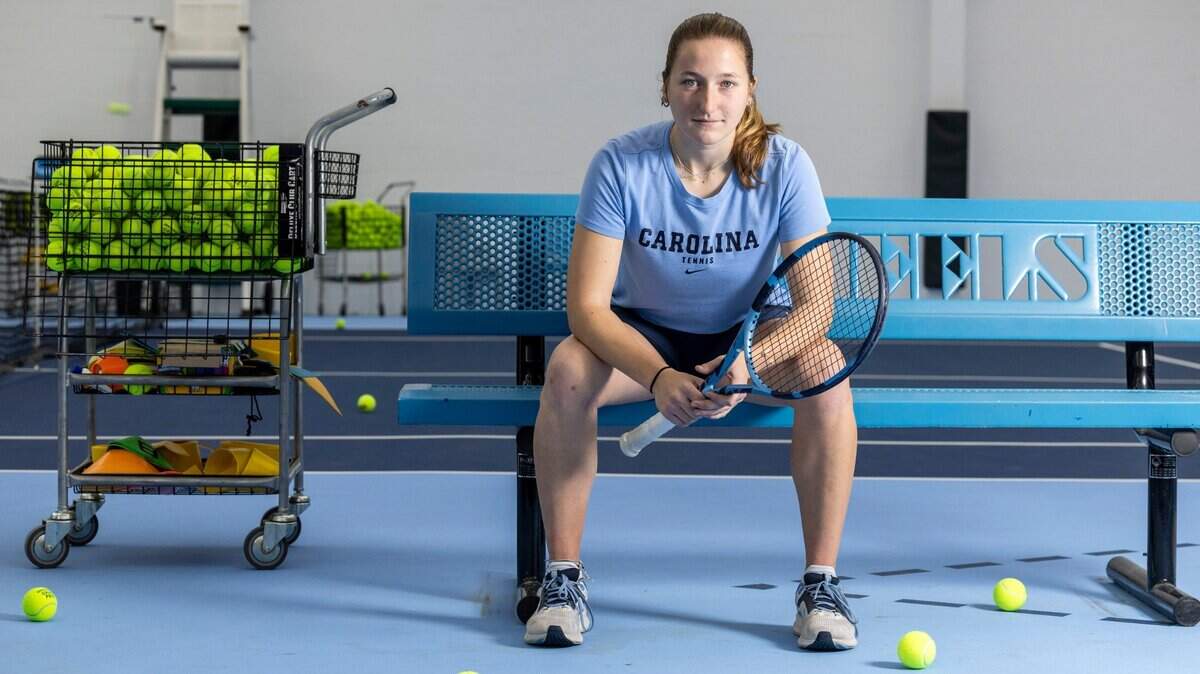
Former UNC standout and 2025 NCAA singles champion Reese Brantmeier and Australian tennis player Maya Joint led the class action lawsuit filed in 2024, and the settlement was first agreed upon in February.
Brantmeier had earned about $50,000 when she competed in the 2021 U.S. Open, but was only allowed to keep $10,000, plus expenses, to keep her college eligibility. Joint had to forfeit prize money as well, and she eventually turned professional before playing at Texas.
“This settlement provides real change for tennis high school student-athletes,” said Peggy Wedgworth, a senior partner at Milberg, the law firm representing the plaintiffs, who were forced to choose between their sport and their college eligibility.
The NCAA previously allowed tennis players to accept only $10,000 per year in prize money before their enrollment to remain eligible. Any further funds must have been used for necessary tournament expenses.
The settlement is yet another victory for college athletes, who have reaped the benefits of their name, image and likeness since they became allowed to profit off it in 2021.
“This case shows what happens when athletes are willing to challenge a system,” Wedgworth said, “that has operated unchecked for far too long.”