‘Greensboro will always be the home of the ACC.’ Still, there’s a sense of loss in city
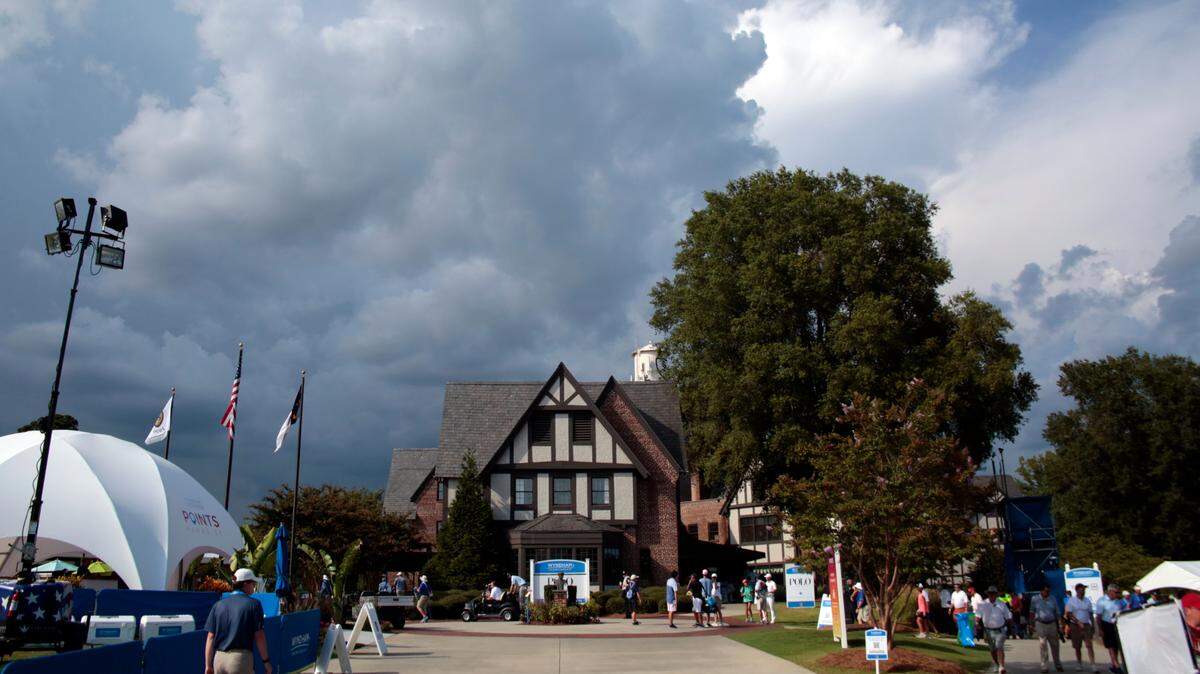
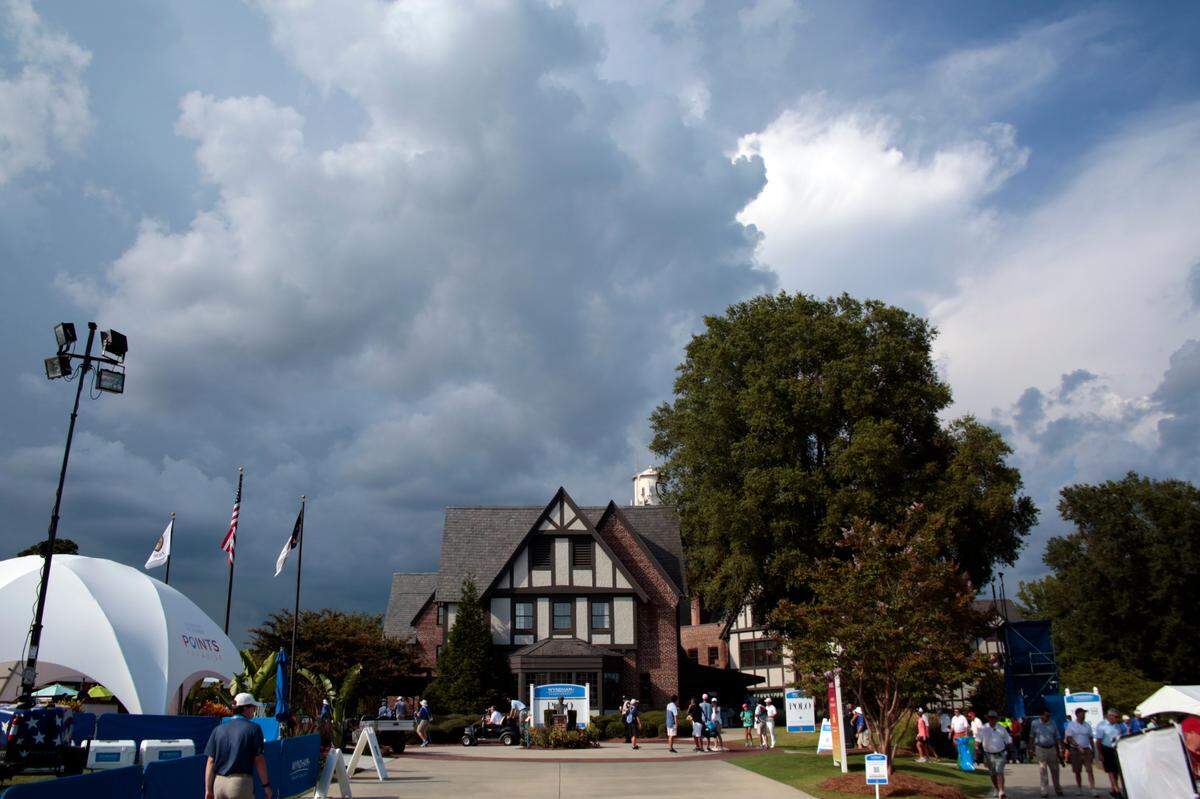
The ACC was born on the second floor of the old Sedgefield Inn in Greensboro but the exact location has been lost to history and renovations. Irwin Smallwood, now 96 and with a mind still sharp enough to recall the night the ACC came into existence, thinks it happened in room 230.
Nowadays there is no room 230. The inn became the clubhouse of the Sedgefield Country Club, and most of the second floor is offices and meeting rooms. There’s only an old plaque on the wall downstairs commemorating the history, marking the place of the ACC’s founding.
Smallwood, a longtime Greensboro journalist, remembers the haze of tobacco smoke that wafted out into the hall in the early hours of May 8, 1953, after a door swung open and the deal was done. It was 1:30 in the morning, and out stepped leaders from Duke, North Carolina, N.C. State and Wake Forest, among the ACC’s other three founding members, after creating a new conference.
“The seceding seven,” went descriptions back then in some of the papers that covered the defections of the Big Four — plus Clemson, Maryland and South Carolina — that left the Southern Conference to form the ACC.
Now the room of its creation is long gone and soon enough the ACC will be, too. After almost 70 years of calling Greensboro home, the conference announced Tuesday it’s headed to Charlotte. By Tuesday afternoon, Smallwood, the only person still alive who was there at Sedgefield the night of the ACC’s founding, had received no shortage of phone calls. He’d been reading the news.
He’d seen what Jim Phillips, the ACC commissioner, had said about the reasoning behind the move to Charlotte; the talk, in Smallwood’s words, “about Fortune 500s and corporate stuff and this, that and the other.” Smallwood — the self-described “oldest rat in the barn” — knew one thing, though, and he put it like this:
“Greensboro will always be the home of the ACC, whether if it’s obviously here or on the outskirts or inner Mongolia. It won’t matter.”
A ‘sadness’ in Greensboro
In Charlotte, the ACC will move into an office building named after a bank, with corporate neighbors the conference felt a need to mention in its news release announcing the move. The league has roots 69 years deep in Greensboro and that city’s mayor, Nancy Vaughan, is the daughter of longtime ACC assistant commissioner Fred Barakat. The ties run deep.
Whatever the conference is losing in roots and community by leaving its old home, it’s gaining in “forward-facing brand opportunity, marketing ... (and) synergies to existing and prospective partners in a variety of spaces, including the financial space,” as Phillips described it on Tuesday. In Charlotte, the ACC will share a corporate neighborhood with the likes of Honeywell and Bank of America and Deloitte and others.
“I guess it’s a business move,” Smallwood said, acknowledging that this was “not unexpected.”

Indeed it was not, and yet for folks in Greensboro the news was no less disheartening. There was hope, despite the odds and despite the feeling of inevitability, that maybe Greensboro could convince Phillips and the league’s board of directors, made up of the ACC’s 15 university presidents and chancellors, to stick around.
“We basically gave them everything that we thought they asked for,” Skip Alston, the chairman of the Guilford County Board of Commissioners, said by phone on Tuesday. Alston was a part of Greensboro’s bid to keep the ACC in town, and he’d spent a lot of time in the past year attempting to convince the ACC and its members that there was no need to leave.
At last he received a call Monday night informing him of the news.
“We’re very disappointed, I would say,” Alston said. “But that’s the way the game is played. We shot our best shot and put forth I believe a very aggressive offer for them to stay here in Greensboro. But at the end of the day, it all comes down to votes, and whoever gets the most votes in any game, wins.
“And we have to respect that. But it’s nothing that we feel that we could have done possibly better.”
There was a “sadness” in Greensboro on Tuesday, Alston said, “because we lost a family member.”
‘A family affair’
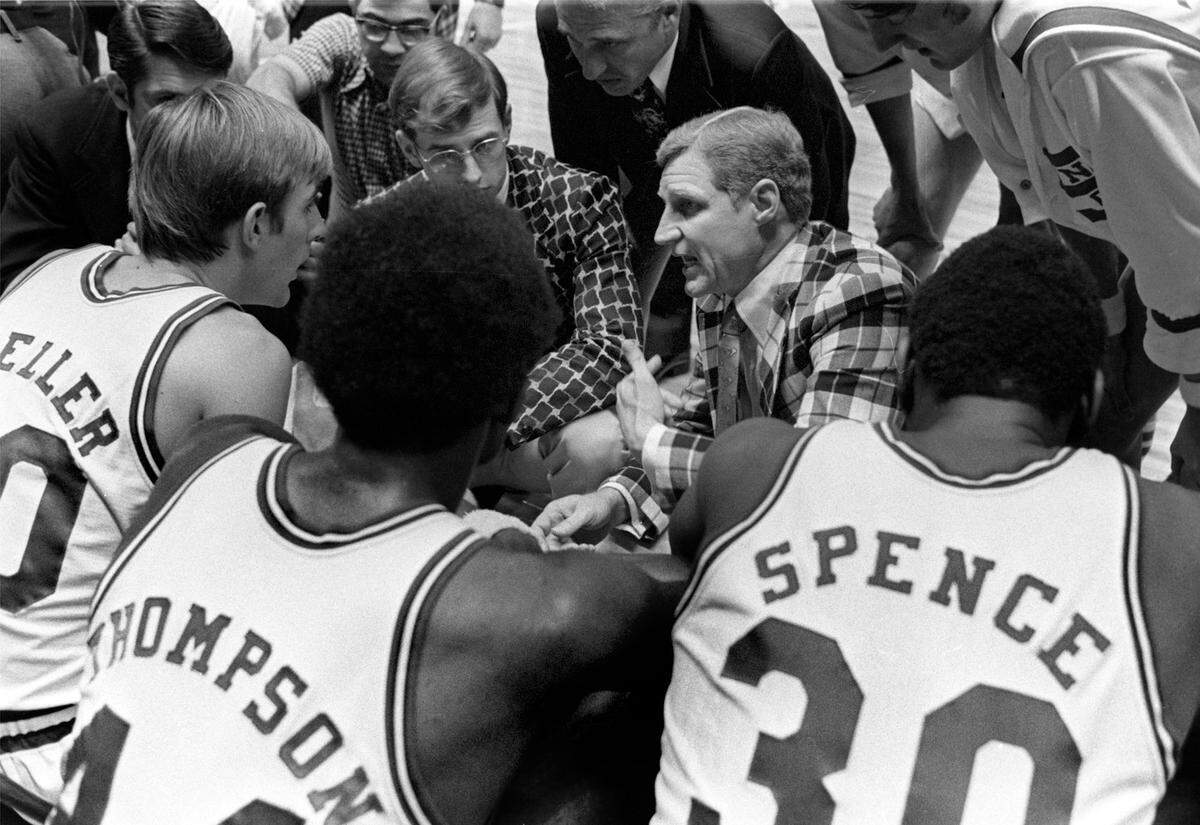
Greensboro’s relationship with the ACC goes deeper than the story of the league’s smoke-filled origin. The city supported the conference’s women’s basketball tournament long before it became fashionable to showcase the sport. And while the ACC men’s basketball tournament was born in Raleigh it became a national phenomenon inside the Greensboro Coliseum, which has hosted 28 tournaments and no shortage of memorable moments — including the 1974 N.C. State-Maryland final that remains, arguably, college basketball’s greatest game.
Even in recent years, as the tournament’s national relevance has waned, the event remained a spectacle whenever it returned to Greensboro, and a source of community pride. The tournament will be back in the Greensboro Coliseum next March in what will undoubtedly become an unofficial send-off to the league, though Alston emphasized that “we still want to be a part of the team” and host future ACC events.
“We’re feeling now that our child that we birthed right here in Greensboro, that we raised and nurtured, has gone onto a life of its own,” he said. “ ... But at the same time we know that they’re be coming back to visit. At least we hope.”
Across town, meanwhile, the news on Tuesday brought Smallwood back to that night nearly 70 years ago. For a long time, he said, the ACC felt like “a family affair” with “the kinship between the original schools.”
“But the spirit of camaraderie within the conference changed,” he said, “and not unexpectedly, when all of the sudden it wasn’t a bunch of neighbors who got together and formed a conference.”
For the past year he could see it coming. Room 230 had long become a memory. Soon enough, so will the ACC’s time as a Greensboro resident.
This story was originally published September 21, 2022 at 5:10 AM.