How the new two-minute timeout changes game planning for NC State, UNC football
Recent rule changes have college football and the NFL look more alike than ever. FBS teams have in-helmet communications and sideline tablets for video review. They also feature guaranteed two-minute timeouts — think two-minute warnings in the NFL — near the end of each half.
College football is entering Week 2 and programs get another shot at perfecting how they handle the new rules. Duke, North Carolina and N.C. State coaches felt good about the communications and review piece, but what about the two-minute timeout?
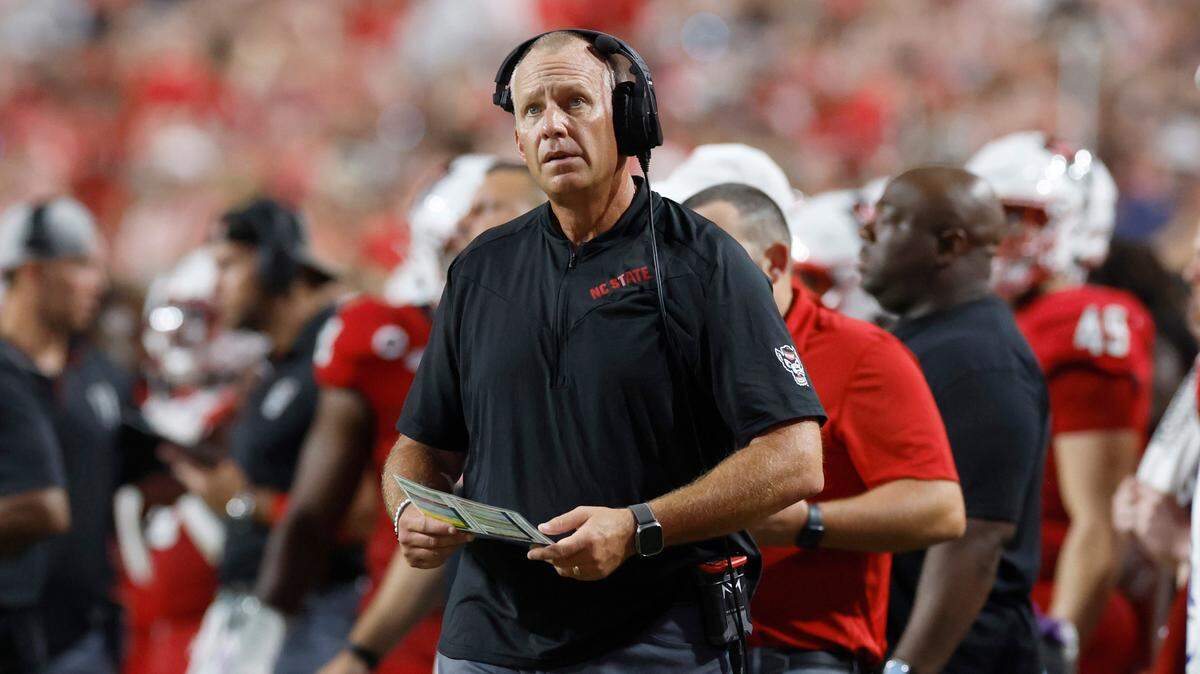
Wolfpack head coach Dave Doeren and Tar Heels head coach Mack Brown appreciated having the extra timeout, which give teams four per half.
“For those of you that talk about time management, I’m gonna keep every one of them,” Brown said this week when asked about timeouts. “I don’t ever want to use a timeout until we have to.”
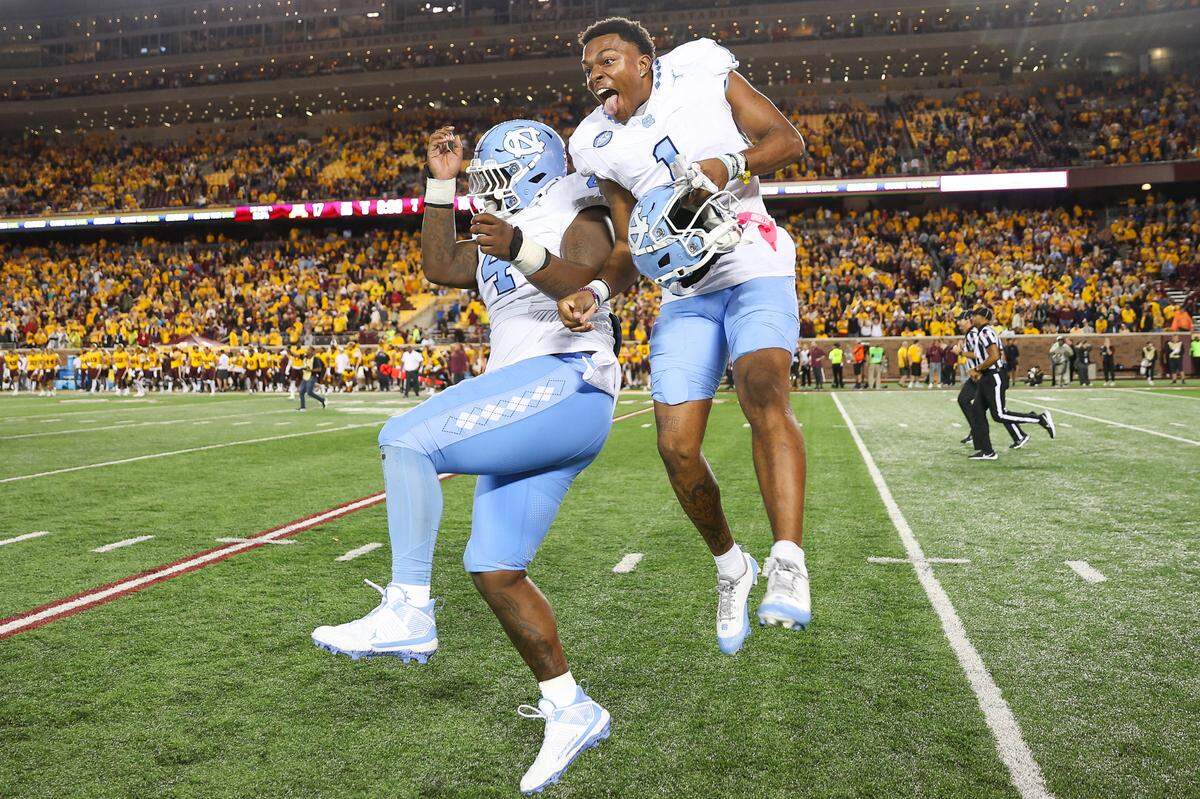
UNC used one timeout in its game against Minnesota to force a delay right before the Golden Gophers attempted a go-ahead field goal. Dragan Kesich missed the would-be game-winner from 47 yards out, sending the Tar Heels back to Chapel Hill with a victory.
Back in Raleigh, N.C. State called a pair of timeouts at the end of the first half, in addition to the two-minute timeout. The team, tied 14-14 with Western Carolina, wasn’t able to take the lead but Doeren said Monday he thought the outcomes following the new two-minute timeout produced positive plays.
The Wolfpack came back to defeat WCU, 38-21, after scoring 21 unanswered points in the fourth quarter.
Doeren said the program invested significant amounts of time in the offseason preparing for changes like this one. The staff connected with NFL teams to analyze their time charts and sought advice on what it should or should not do. Coaches used that information to consider what other teams might do in the same situation and focused on practicing different plays based on “what if” scenarios.
For example, if a team is behind with two minutes left, what play calls does it use to get the ball back? If it retains possession, what’s the best way an offense can extend time of possession and stop opposing defenses from forcing a turnover? These are questions teams sought answers to and now get to implement in games.
“We’ve practiced it a lot. What I told them is, ‘I’m going to get you in these clutch situations a lot, and unusual situations a lot, so when we end up in them, it’s not unusual. You’re comfortable,’” Doeren said. “We’ve done a lot. I mean, we started practicing two-minute (drills) on the second day of training camp with the offense and defense.
“I’ve always felt that in college football, pro football, a lot more games are lost than won; self-inflicted things. That’s something we’ve worked really hard on as a football program. I don’t know if I’ve ever spent more time on situational football.”
Beyond the game-specific preparation that comes from the additional timeout, there’s a mental relief that accompanies it. Wiggle room, so to speak.
UNC offensive coordinator Chip Lindsey said the team wants to save timeouts unless it’s absolutely necessary, because it provides more options at the end of games. It’s something teams are still adjusting to, but they like the change.
Doeren feels the same. If something isn’t going well, he can call a timeout that maybe wouldn’t have been called in years prior.
“I felt very prepared. I know our staff felt very prepared, our players,” Doeren said. “It is new and it is different, and it does allow you to use a time out, potentially in a different way, knowing that you have another one in the bag later.”
This story was originally published September 5, 2024 at 5:00 AM.