
Why Jim Phillips believes the ACC deserves at least eight March Madness bids
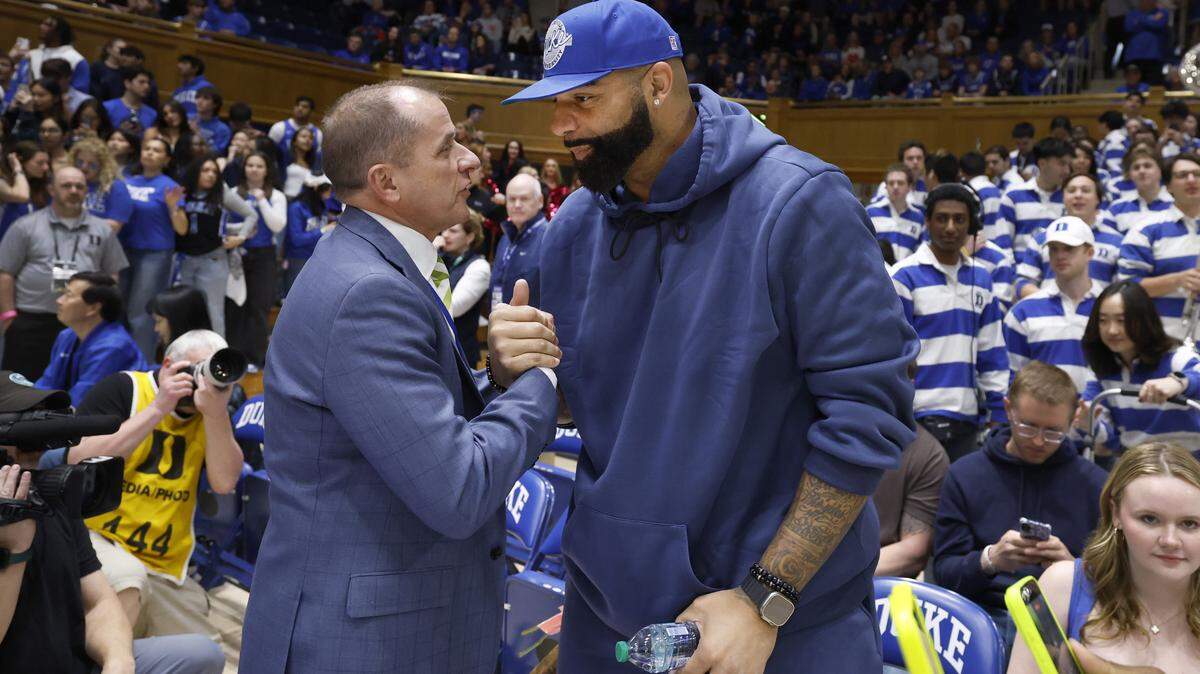
Jim Phillips believed the Atlantic Coast Conference had a problem entering this season: access to the NCAA Tournament. And the conference commissioner was “restless” about it.
For the past two seasons, the ACC had seen its number of NCAA Tournament bids shrink to levels rarely associated with one of college basketball’s most tradition-rich leagues. It has been nearly five years since the ACC got more than five teams into The Big Dance, and only four made it last March, with North Carolina narrowly sneaking in as the last team into the field to keep it from being even worse.
As the conference tournament roared on in Charlotte this week, the ACC appeared poised to send eight teams to the NCAA Tournament. Phillips believes the league has responded to those previous concerns, through deeper competition across the conference, investment across its programs, and more deliberate approach to scheduling and evaluation.
“We worked really hard in the offseason,” Phillips told The N&O Friday night. “Our presidents and chancellors and athletic directors did a great job continuing to invest in their programs. But we also had to be more intentional about how we positioned ourselves.”
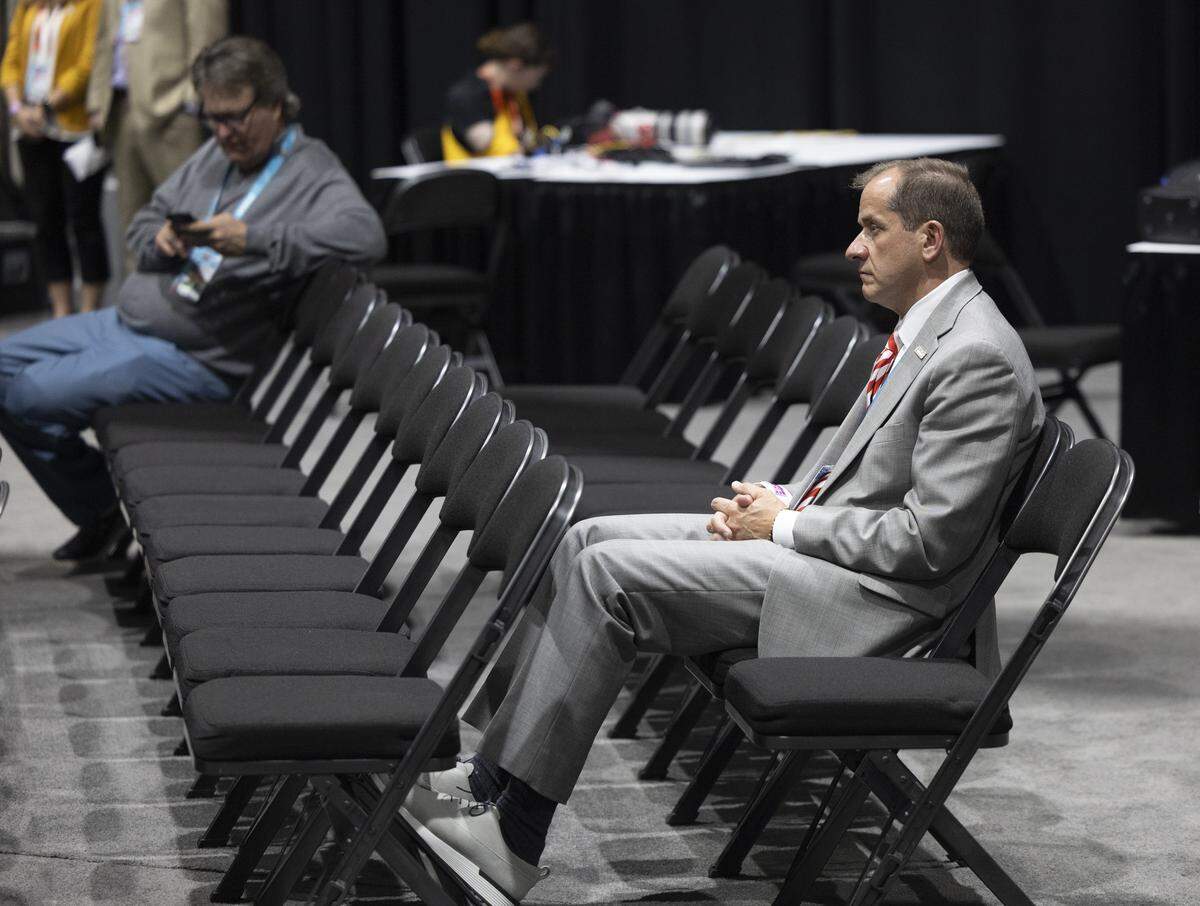
What did the ACC change?
One of the most visible changes came with the league schedule. Last May, the ACC reduced its men’s basketball slate from 20 conference games to 18, opening space for additional nonconference matchups designed to strengthen tournament résumés.
The goal was simple: replace two league games with higher-quality opponents that would boost the metrics used by the NCAA selection committee.
That approach produced matchups such as Duke facing Michigan and other ACC programs scheduling power-conference opponents in January and February — games that “you would not have seen” just a year ago, Phillips argued.
Phillips said the conference also sought guidance from those familiar with the NCAA Tournament selection process. The league invited prominent bracket analysts such as Joe Lunardi and Jerry Palm to speak with coaches and administrators.
“We brought Joe Lunardi in, and he had a chance to tell us how the committee looks at the resumes and where you can make a difference, what you have to do,” Phillips said. “We brought him down to our spring meetings. He had a chance to talk to the coaches we worked with... and there was a thirst for knowledge from those that know the bracketology, know the selection process.”
Coaching turnover
That effort came during what Phillips describes as a transitional period for the conference’s coaching ranks.
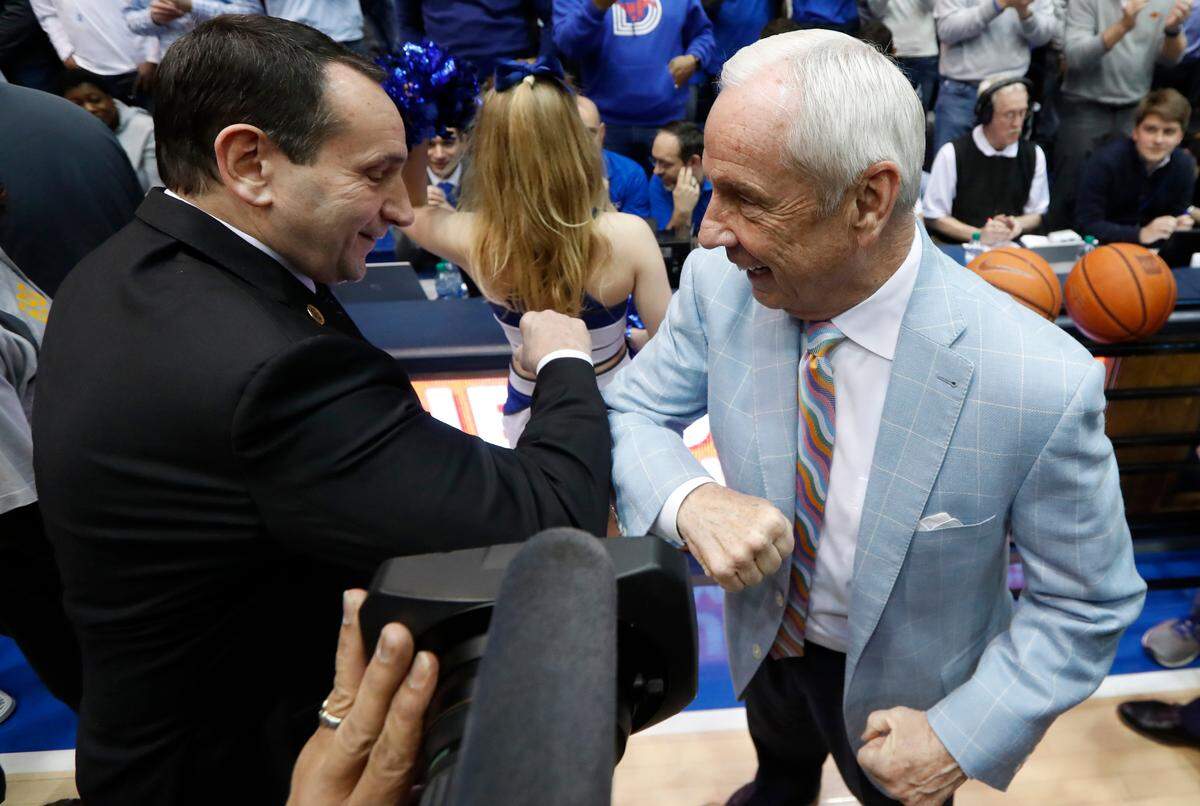
Over the past several years, the ACC has lost a collection of Hall of Fame coaches whose careers helped define the league for decades, including Roy Williams, Mike Krzyzewski, Jim Boeheim and Tony Bennett. Other longtime figures such as Mike Brey, Leonard Hamilton and Jim Larrañaga also stepped away.
“I’m not sure in the history of college basketball a conference went through a transitional period like we did,” Phillips said. “You lost multiple national championship coaches and seven Hall of Fame coaches in just a few years.”
Despite that turnover, Phillips said the league’s newest coaches have quickly strengthened the overall competition level.
Several first-year head coaches have guided their teams into contention this season, and this year’s conference tournament saw four coaches —Jai Lucas (Miami), Luke Loucks (Florida State), Will Wade (NC State), and Ryan Odom (Virginia) — make their debuts.
“It’s been a tremendous group coming in,” Phillips said. “Some had previous head-coaching experience and two were first-time head coaches, but they’ve fit in great and their teams have performed really well.”
School commitment
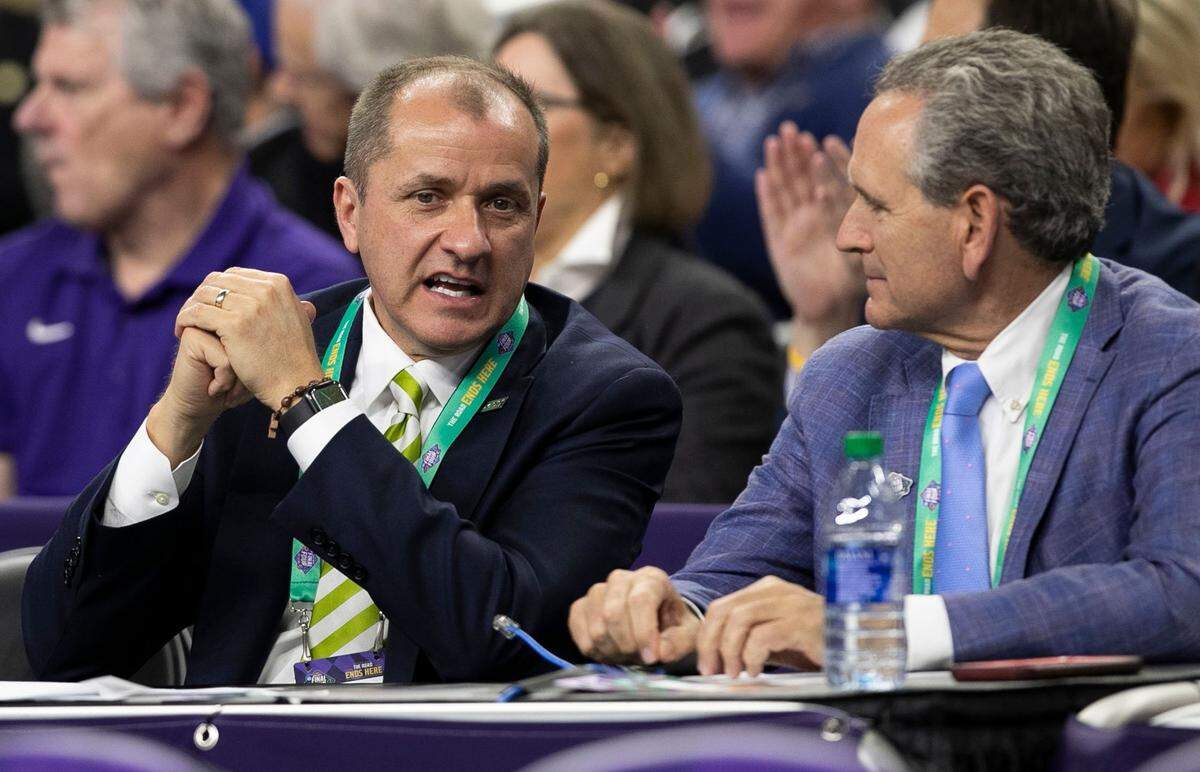
The commissioner credits that improvement largely to institutional commitment across the conference.
“Campuses had to make some critical decisions,” Phillips said. “It’s beyond just NIL and revenue sharing. It’s an investment in coaching, programmatic needs, travel, facilities and infrastructure.”
The result, he said, is a conference that coaches believe has become more difficult to navigate night to night. And that’s a good thing.
Phillips said that growing depth could translate into more NCAA Tournament opportunities for the ACC after recent seasons with historically low totals.
Whether that improvement ultimately produces more tournament bids will be determined on Selection Sunday. But as the ACC Tournament played out in Charlotte, Phillips already feels like this year has been “a major statement” for the conference.
“We’ve always performed well once we get in,” Phillips said. “The key was making sure we put ourselves in position to get more teams there.”