How NCAA’s new transfer penalties could have affected NC State women’s roster
AI-generated summary reviewed by our newsroom.
- The DI committee finalized penalties for adding transfers who circumvent the portal.
- Head coaches face half-season suspension and schools a 20% budget fine if self-reported.
- Under the rule, NC State could have added Pierre but faced fines had it been in place.
A new NCAA rule will penalize institutions for “ghost transfer” violations. The N.C. State roster could have looked far different a year ago had this rule been in place.
What is a ghost transfer?
A ghost transfer is an athlete who joins a program without entering the transfer portal.
The Division I committee finalized this week the penalties for schools that “circumvent transfer rules and add a transfer student-athlete who did not enter the transfer portal,” a press release states. Under this rule, which was originally recommended by the FBS Oversight Committee on April 1, schools cannot add a player to their roster, sign them to a revenue sharing contract, or allow them to participate in practices or competitions.
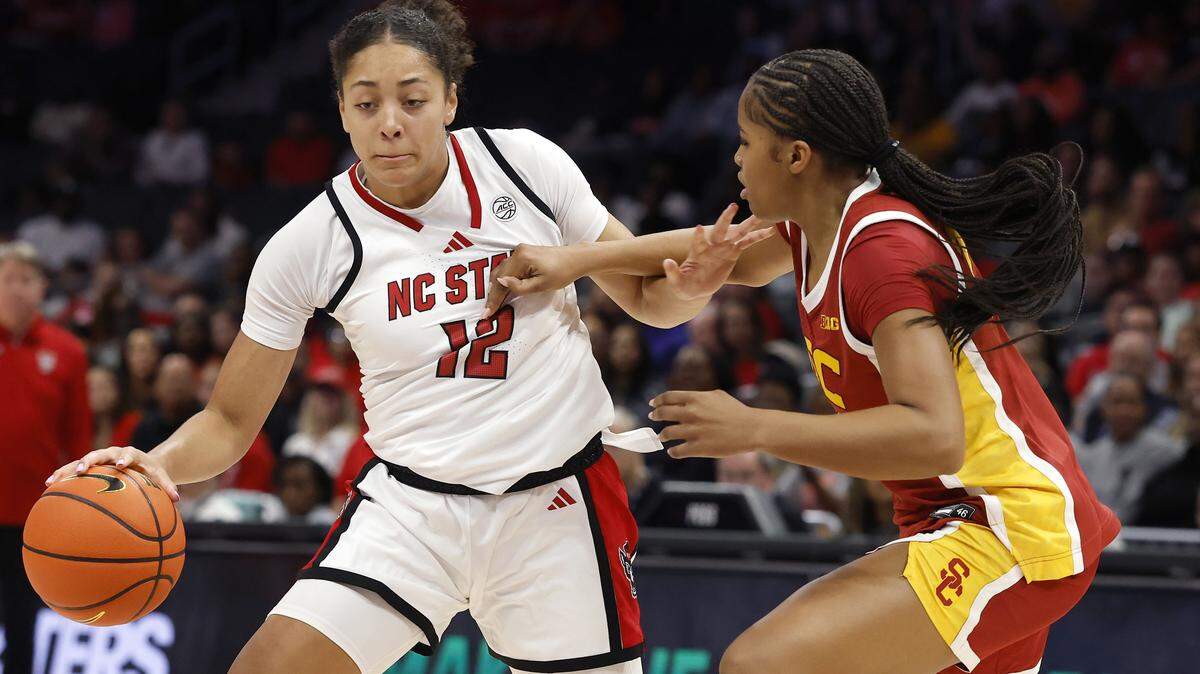
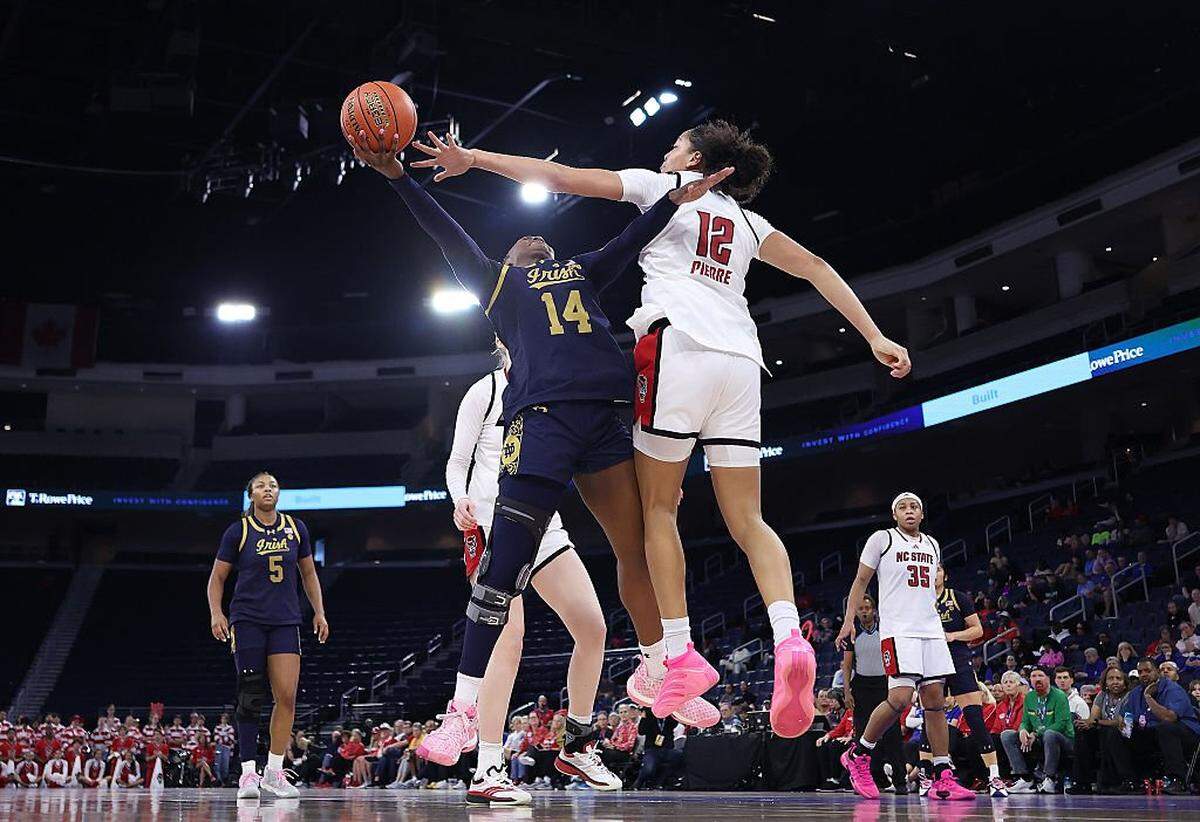
Khamil Pierre joined the Wolfpack women’s basketball team last season without entering the transfer portal. Pierre, however, had a unique situation. She expected to play for Vanderbilt during the 2025-26 season, so she did not enter the portal. Pierre was released from the program last June, after the transfer portal closed.
Pierre’s representation contacted schools she was interested in joining and still had roster spots. She was not allowed to speak with coaches due to NCAA rules. When it was determined which schools would be willing to add her to the roster and work with her late enrollment, she applied as a traditional student.
The staff at each school was allowed to talk directly with Pierre after she was accepted into each respective university. She is considered a “ghost transfer,” despite not having an opportunity to enter the portal due to timing.
In N.C. State’s case, the university compliance office said Pierre could have joined the program under the new rule. The school, however, would have been subject to NCAA penalties.
Pierre was a key player on the Wolfpack’s roster, leading the team in scoring (16.7 points per game) and rebounding (11.9). She also led the Power Four ranks in rebounds per game. Until the postseason, she led high major programs in total rebounding. South Carolina’s Madina Okot collected 53 in the Gamecocks’ Final Four run.
The junior reached double-digit scoring in 30 of her 32 games played. She reached 20 points in nine.
What are the NCAA penalties for ghost transfers?
If a team fails to follow the rule, the NCAA will suspend the head coach for half of the season and levy a fine equivalent to 20% of the team’s annual budget.
Meaning, the NCAA is not actively prohibiting programs from recruiting ghost transfers as much as it is discouraging the practice by imposing steep consequences. Coaches are forced to ask: “Is this player worth it?”
With a multimillion-dollar women’s basketball budget, the university would’ve owed a hefty fine and head coach Wes Moore would’ve been suspended during the nonconference schedule had this rule been in place a year ago.
Any violations are expected to be self-reported by the schools and automatically applied. Schools must notify the NCAA within 15 days of its intent to self-impose penalties.
Otherwise, the NCAA says its “enforcement staff will provide written notice of the potential violation to the school, along with a date by which the school must provide evidence demonstrating that a violation did not occur.”
Schools who are found to have violated the rules without self reporting face an additional 5% fine and the head coach is subject to suspension for 60% of the season.
The transfer portal is open until April 21. Several N.C. State players have entered, including sophomores Zamareya Jones and Tilda Trygger. Pierre has not announced whether she will return or enter the portal.