
UNC football’s in-house barbershop provides importance far beyond personal style
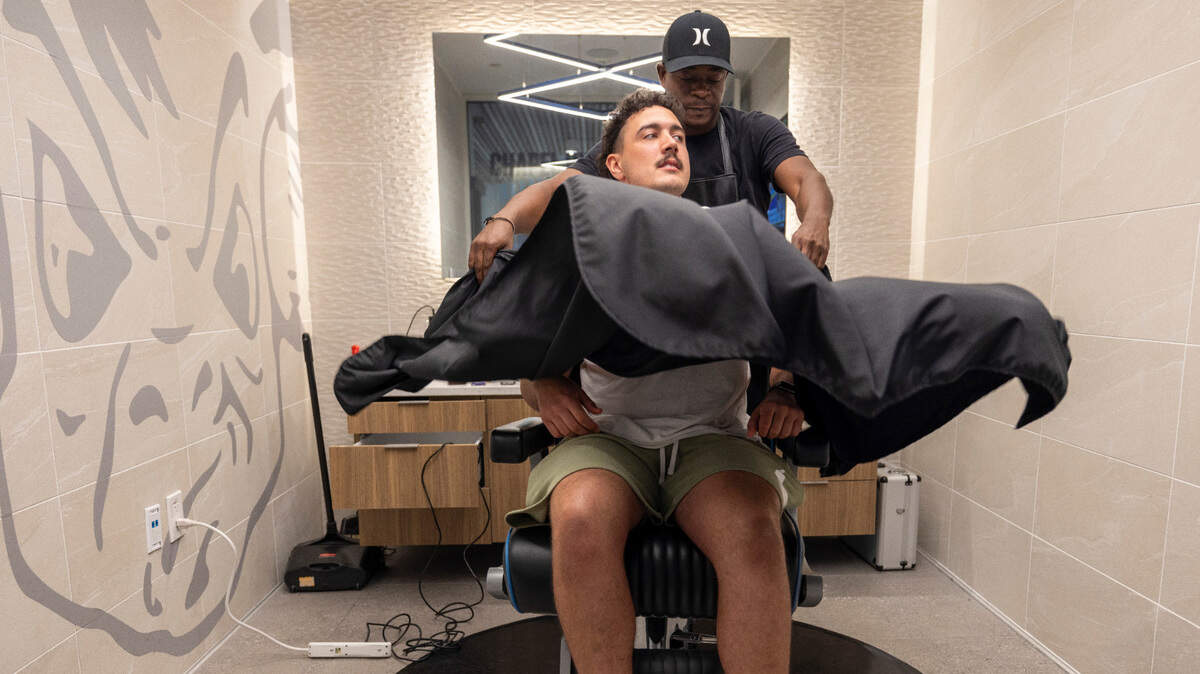
North Carolina wide receiver J.J. Jones usually gets his hair cut once a week, or every two at most.
His go-to style? A bald fade all around, with a crisp lineup for his beard and mustache. Whether it’s natural curls or braids on top, Jones’ haircut is about more than his appearance — it’s part of a ritual that keeps him grounded amid the chaos of football.
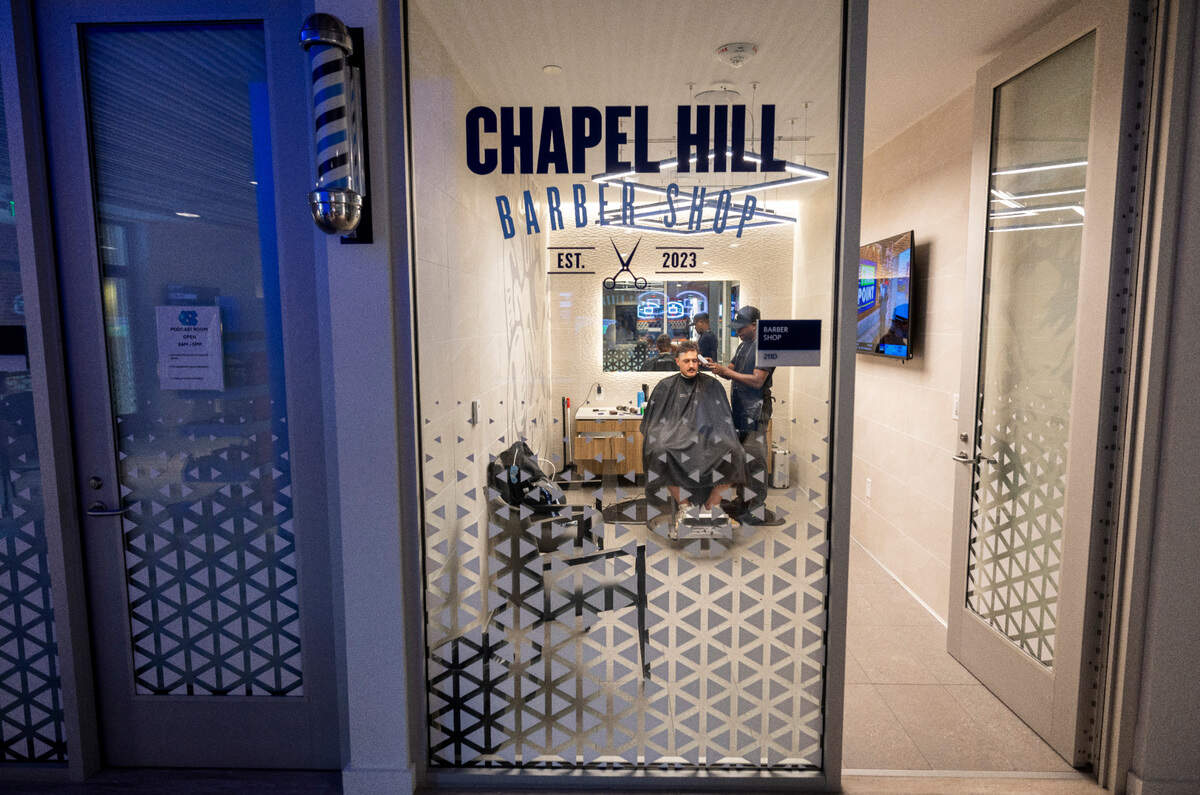
Tucked away inside the Kenan Football Center — behind the giant couch scattered with napping players, the ping pong and pool tables — you can find the Tar Heels’ in-house barbershop. Established in January 2023, it’s a simple setup: one chair, one sink. Contracted barbers BJ Williams and Lionel Poteat visit once a week, spending half a day cutting hair in between their regular clientele at their shops in Raleigh and Durham, respectively.
In that chair, the expectations of football fade for a moment — the pressure to perform, the long hours and the noise. It’s a space to unwind and connect. The barbershop is a cherished escape for many of the Tar Heels, especially during a challenging season marked by adversity and the death of teammate Tylee Craft.
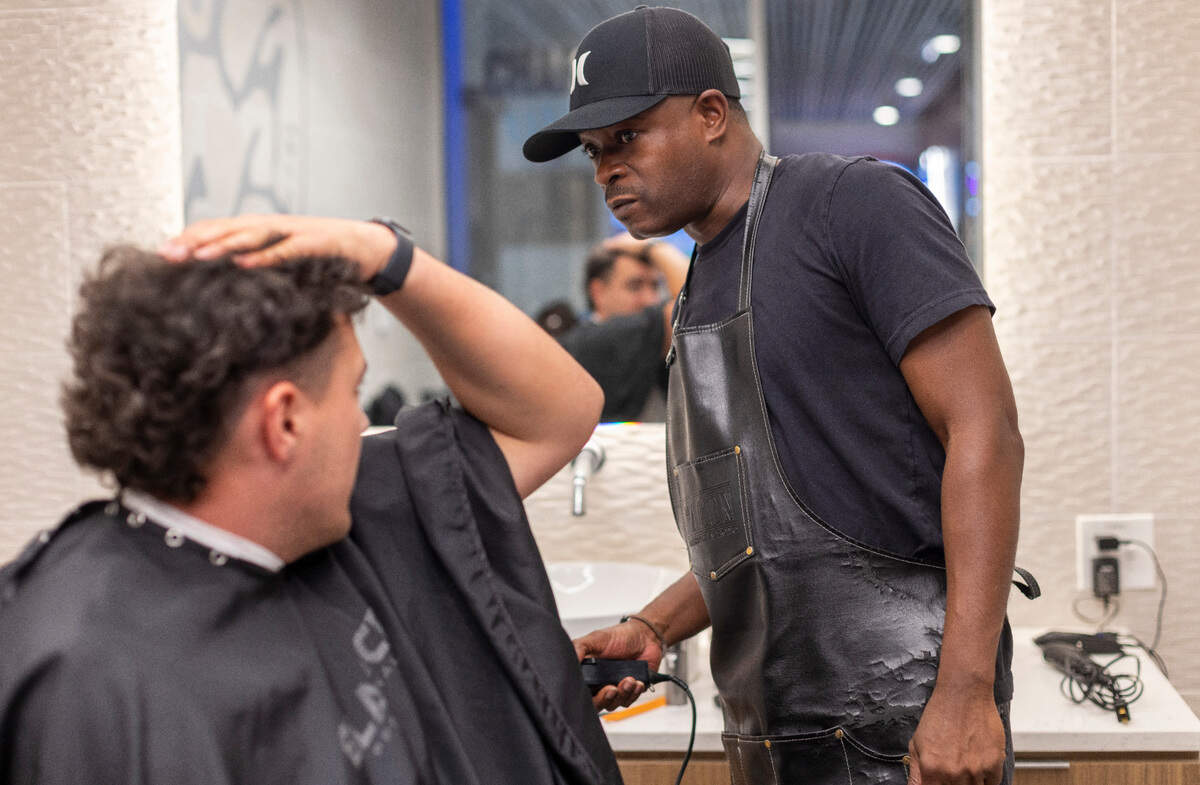
Jones described his barbershop sessions with Williams as “therapeutic.”
“To be able to sit down in the chair, get your hair cut and just talk about life,” Jones said, “I feel like it doesn’t have to be like an official mental health wellness checkup with somebody… just being able to talk to somebody is good enough for me.”
These days, in-house barbershops have become increasingly common as college football programs race to develop the most enticing amenities to potential recruits. Just down the road at N.C. State, the Wolfpack has its own locker room shop.
On the surface, the barbershops may seem like just another perk in the ever-growing list of luxuries afforded to college athletes. But for those who take a seat in the chair, it means much more.
“When it comes to mental health, [men are] looked down on if we express what we’re feeling,” Williams said. “A lot of times we just have to shut up, deal with it on our own and that’s it. So the barbershop is that moment… once you build that trust with your barber, it’s like, ‘You know what? I can talk to him.’”
‘They need some type of break’
The demand for Williams and Poteat is high, with only seven slots allowed per session. The Tar Heels sign up for weekly sessions on their Teamworks app. They receive a phone notification when it’s their turn in the chair and the internal timer starts.
“You got 10 minutes to be in the barbershop,” Jones said. “So you better hurry up.”
But when North Carolina defensive analyst Ty McKenzie stepped into the Kenan Stadium players lounge in early September, he was greeted by a rare sight: an empty barber’s chair.
While in the chair, some Tar Heels open up, sharing pieces of their personal lives. Others, like McKenzie, find comfort in the quiet.
For men, especially men of color, discussing mental health can be taboo. Studies show that, despite facing higher levels of stress and adversity, Black and Hispanic men are less likely to seek mental health care than their white counterparts.
American University associate professor of philosophy and religion Onaje Woodbine, whose research focuses on the spirituality of sports, said the barbershop is a sacred space for Black men.
“When you think about Black athletes on campus, (they) carry the stereotype often as ‘dumb jocks’ or ‘shut up and dribble,’” Woodbine said. “To step into a space that’s predominantly Black where those stereotypes fall away and they can talk to each other and have conversations that affirm who they are — I think that’s really, really important.”
Jones knows this feeling well. For him, a fresh cut is a reset.
“Physically and mentally, you’re refreshed once you sit down in that chair,” Jones said. “When you sit in that chair, you don’t think about football. You don’t talk about football. You just want to get a haircut and just talk about life, which is great for the soul.”
On this Monday at the shop, Williams — who began working with the team thanks to former director of business operations Jamesha Clanton — was in charge of McKenzie’s cut. He began by asking the analyst about his family. Only then did Williams get into the reason they were there.
“How do you want your hair cut?”
McKenzie gave Williams his specifications: even it out, don’t take it down, clean up the taper. Then, McKenzie melted into the chair. His posture softened. His eyes closed and remained that way for the rest of the appointment.
‘It’s not really the hair itself’
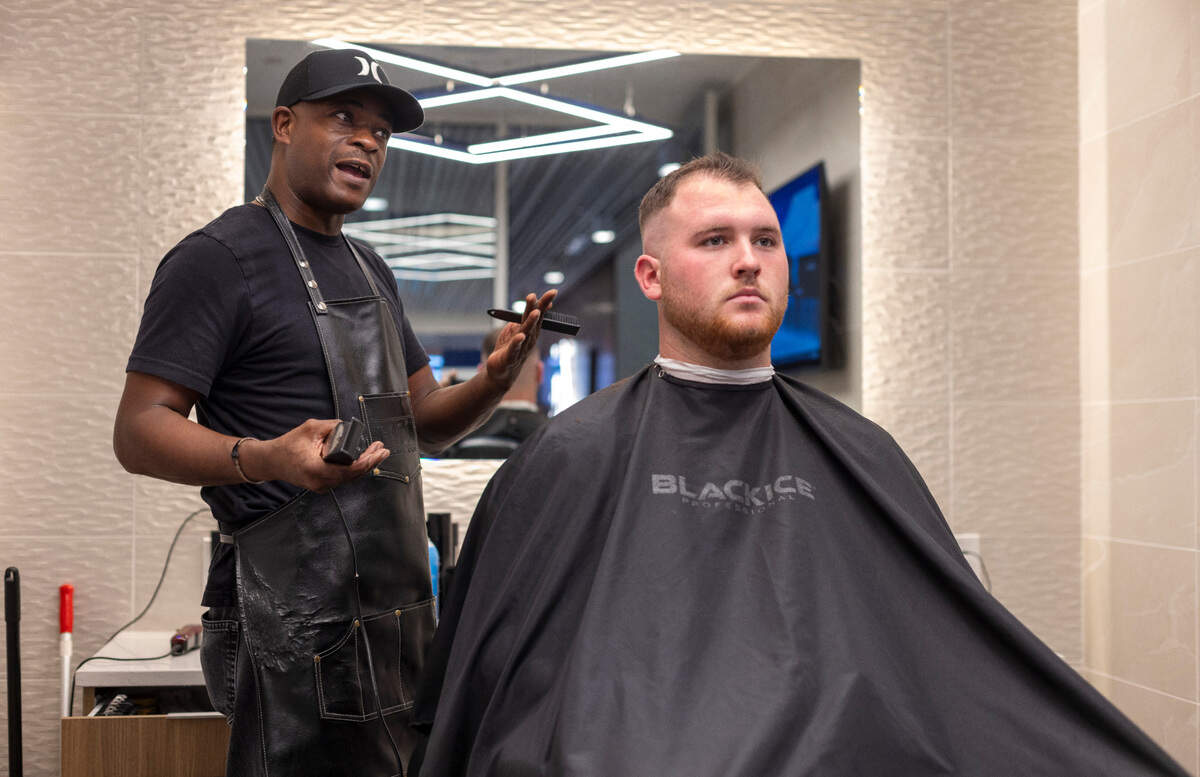
Poteat walked into the Kenan Football Center lobby on a Tuesday morning dressed in all black. He carried a silver, metallic briefcase packed with all his tools, signed in on the visitor’s log at the front desk, exited right and took the elevator up to the second floor.
The Durham-based barber first connected with UNC through former associate athletic director Corey Holliday. Poteat cut Holliday’s hair for years at his own shop. When the Tar Heels established an in-house barbershop for their football team, Holliday reached out to Poteat.
The decision was easy.
“I’m a die-hard Carolina fan,” Poteat said.
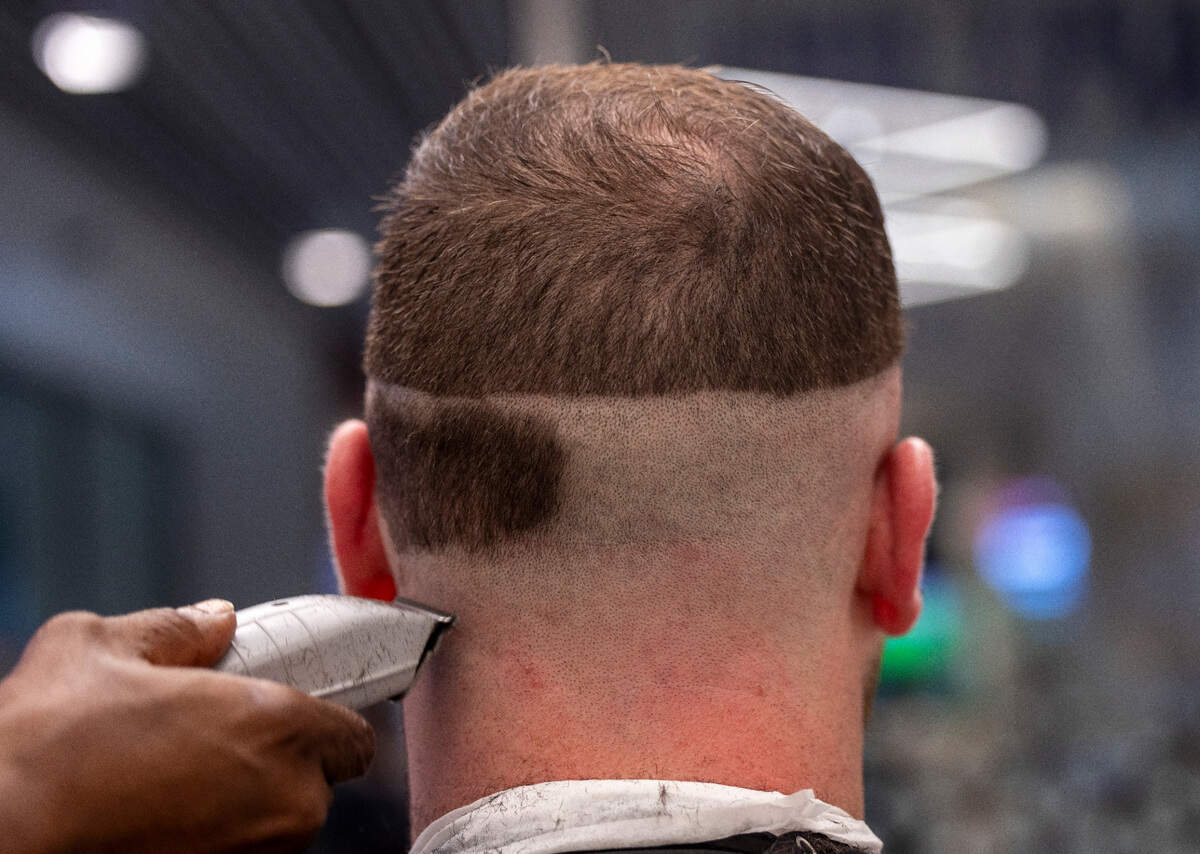
Poteat started the day by cutting Zach Greenberg’s hair.
When the 6-foot-4, 300-pound lineman lowered himself into the chair, the gentle buzz of clippers and distant chatter in the lounge created a soothing backdrop. The scent of hair products and aftershave hung in the air.
The serene atmosphere was only interrupted once — when teammate Howard Sampson dropped in to encourage Greenberg to crack a smile, complimenting his cut.
Poteat’s approach was the same as always: check in with the customer and then try to “pick up on their vibe.” If someone just wants to chill and not say anything, that’s fine with Poteat. He said he just wants his clients to “recharge their motor” before they go on with their day.
The football team has assigned mental health clinicians, a case manager and a fellow who offer individual meetings and support for the team. But for athletes — who are so often defined by their bodies and physicality — the space the barbershop provides to focus on their mental wellbeing is crucial, said Woodbine.
“This [getting a haircut] is a kind of ritual that creates bonding,” Professor Woodbine said. “It’s not really the hair itself, but it’s the connection between athletes that allow them to alleviate the pressure that they experience on the field.”
For Greenberg, that’s what the barbershop is: a place to “just relax.”
“Whenever we cut my hair — we’ve been doing it for for a while now with Lionel — I’ll get closer as he continues to cut my hair and just keep building that relationship,” Greenberg said. “So it’s really a step back and we just talk.”
‘It makes it a lot of fun for them’
While Mack Brown doesn’t personally use the in-house barbershop — he joked “they don’t cut many gray people’s hair in there” — he understands its importance.
“They’ve got a tremendous amount of pressure,” Brown said of his players. “They’re a full-time student with a full-time job. I mean, they’ll be here at 6:30 in the morning and then they’ll practice really hard from 8:15 to 10:15. And then they’ll be in class at 11… if we can help them save some time and make it special for them, it makes it a lot of fun for them.”
There’s an aspect of functionality to the shop, too. Quarterback Conner Harrell, who usually asks for a regular taper, said the shop provides a cheap and accessible option — especially to freshmen who don’t have a car on campus.
Wideout Christian Hamilton likes to go on Wednesdays, smiling as he describes the “fresh cuts” he’s received. Linebacker Desmond Evans, who keeps his hair in twists, pops into the shop to touch up his low taper fade and cut a “V” design in the back — his “go-to.” The shop also makes hair maintenance easier for players like wide receiver Nate McCollum, who cut his locs off for a shorter look.
But even in a world where football players have multimillion-dollar NIL deals and play during prime-time slots on TV, getting into this space isn’t a guarantee. As linebacker Power Echols put it, “the barbershop is always jumping” and “sometimes we get left out.”
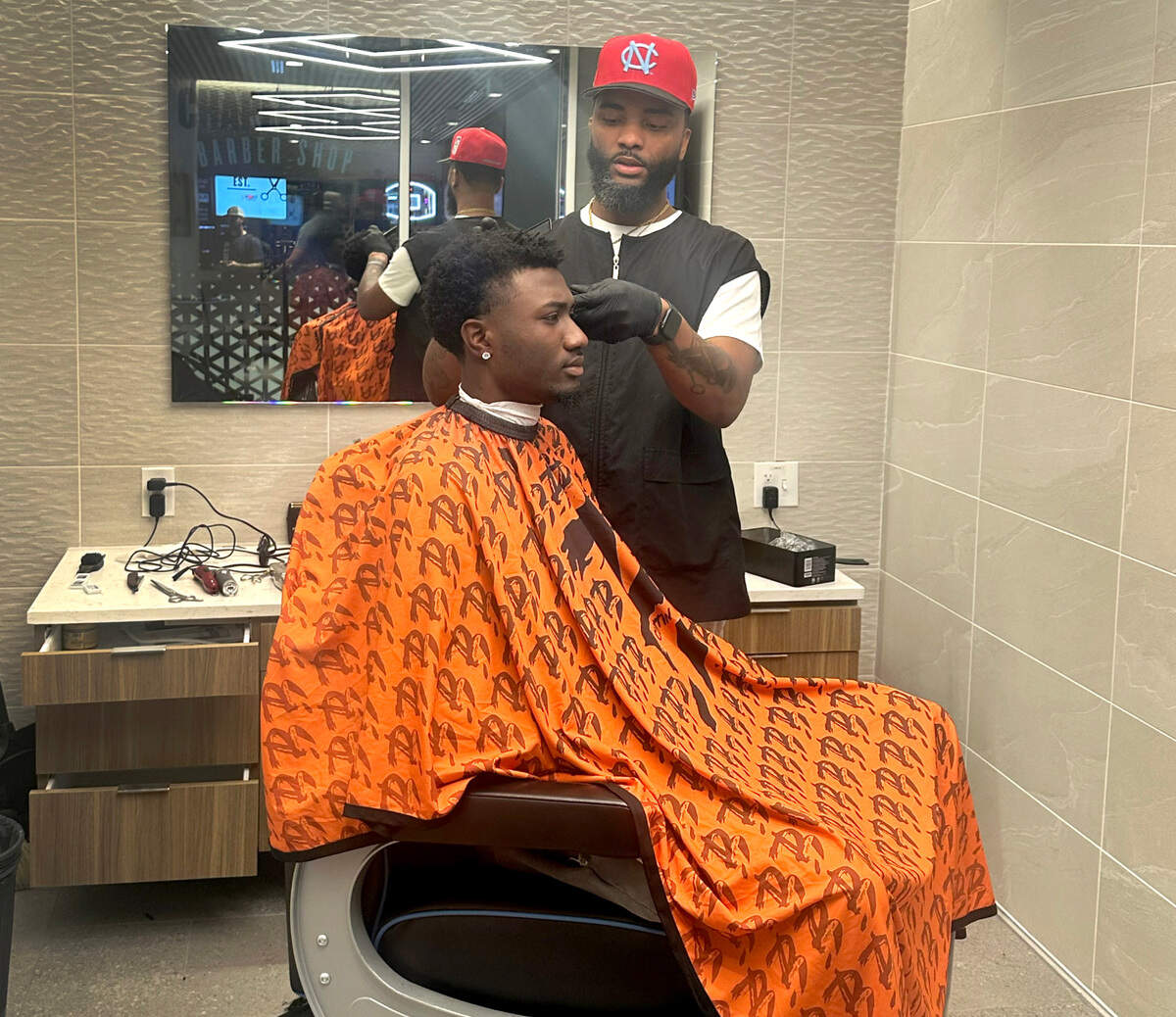
For Marcus Allen, the price — each player pays $10 per cut, thanks to UNC fronting most of the bill — makes the line worth it. But, more importantly, he and Jones point to the setting it creates for players
In the barbershop, the atmosphere feels far removed from the testosterone-fueled locker room. Jones described it as a place where guys can simply chill. As players wait for their cut (Jones has seen a line go three or four players deep at the shop) they might lounge on the couches and chat. One particular topic always seems to arise: who’s the greatest basketball player of all time, LeBron James or Michael Jordan?
“When you’re here (at UNC), Michael Jordan always wins,” Jones said.
Jokes aside, it’s clear this tiny barbershop is a small sanctuary with a big impact — a chance to recharge, reconnect and renew. And in a world where athletes are often seen to be invincible, the barbershop offers something rare: permission just to be.
This story was originally published October 29, 2024 at 5:00 AM.