
Bill Belichick’s Veterans Day message: How WW2 caused football to go national
AI-generated summary reviewed by our newsroom.
- Belichick unveiled UNC’s Honoring Our Military Wall, listing 60+ alum veterans.
- He traced football’s national growth to WWII, citing service camps and idea exchange.
- UNC will expand the wall over time, linking program history to military service.
Bill Belichick didn’t just talk Xs and Os Tuesday, but about both his ties and football’s ties to military legacy as the program celebrated Veterans Day.
Reflecting at his Tuesday press conference on the significance of UNC football’s new “Honoring Our Military Wall” — a tribute including over 60 names of Tar Heel football alumni who have served in the U.S. Armed Services, with plans to add more — Belichick recalled his father, Steve, who played for the Detroit Lions for one season before joining the Navy. Bill Belichick’s father served in Europe and the Philippines before turning to coaching.
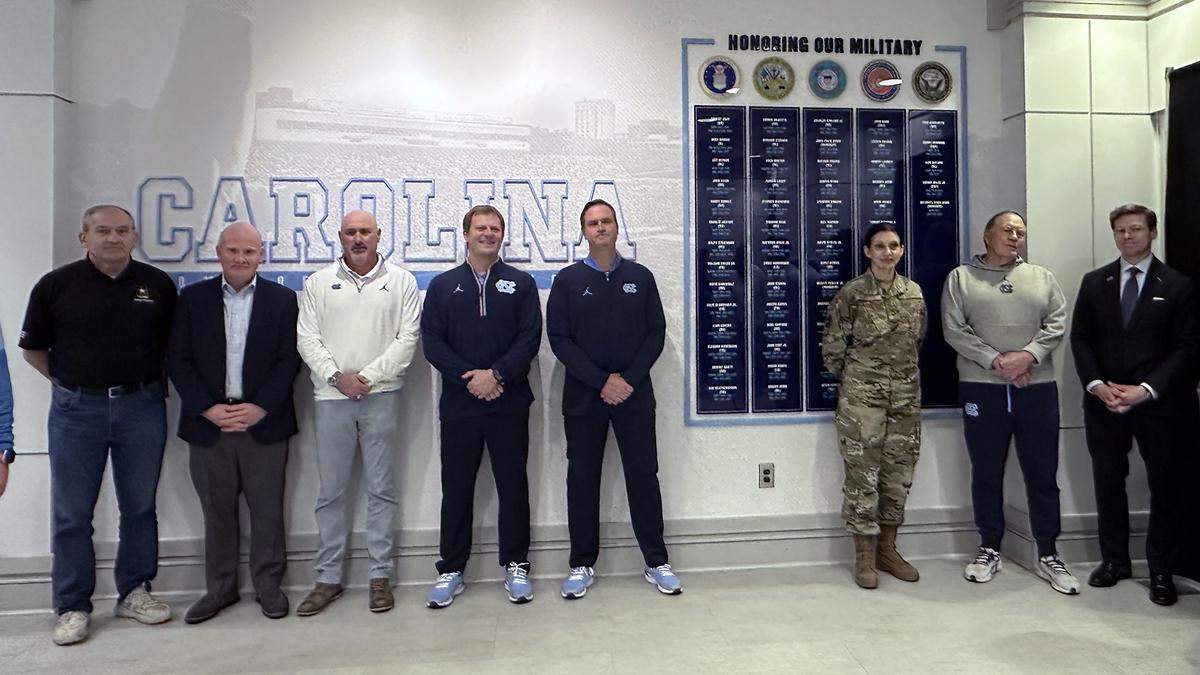
His journey mirrors many football players whose careers were shaped by global conflict, all of which Belichick and the program are trying to recognize with the new memorial in the Kenan Football Center.
When Belichick came to Chapel Hill, he said he had multiple conversions with Chancellor Lee Roberts about how to honor those who had shaped UNC football’s history — especially alumni who served in the military.
“I’m very proud to be part of the recognition that we’re going to put up here in the football building… this kind of goes back before my time [to] William Davie, who served in the Continental Army in the American Revolution,” Belichick said Tuesday, later adding, “[there are] so many people in the program that have served for us. I’m very proud to be part of that.”
The history-loving football coach
This blend of history and football is familiar for those who have spent time with Belichick, whether in Chapel Hill or during his tenure in New England. The coach was known to lecture the Patriots on history and quote the likes of Dwight Eisenhower or Sun Tzu.
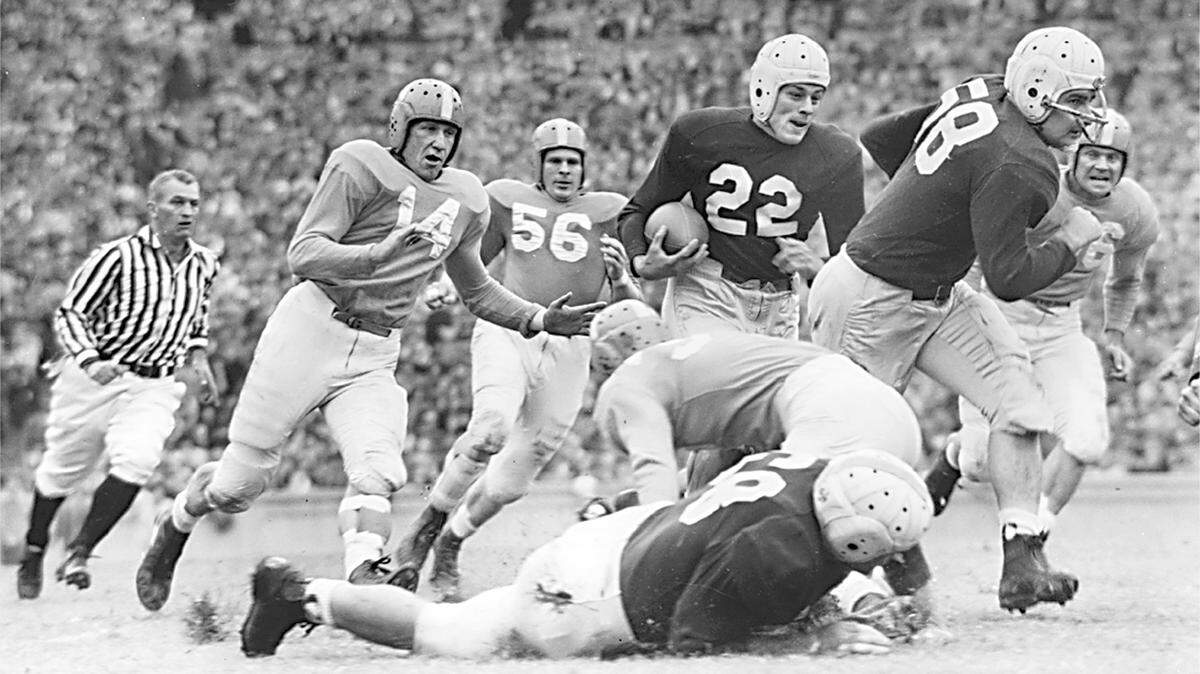
On Tuesday, after inviting the media to see the newly-unveiled military wall, Belichick previewed the Tar Heels’ matchup against Wake Forest on Saturday. But he also took time, at the end of his press conference, to discuss World War II and its seismic impact on the game of football. Belichick spent about four minutes on the subject, explaining how wartime transformed football from a “regionalized” sport to a true national pastime.
“World War II was the explosion of football,” Belichick said. “I mean it was literally an explosion of it because, prior to that… nobody in the East knew what the South was doing. Nobody in the South knew what’s going on in the West with Pop Warner and people like that.”
“There was no film, there was no TV — there’s nothing,” Belichick added. “And once they got into the war, then all those teams came together, all those players came together, guys from every part of the country played together and they talked — and the coaches too.”
Belichick said this collaboration fostered innovation and a new competitive standard. Belichick referenced Paul Brown, the former head coach at the Great Lakes Naval Training Center, who benefited at this time from seeing Bill Willis and Lou Groza playing.
“They exchanged a lot of ideas, like, ‘Hey, we’re doing this drill, we’re running this play, we’re training like this, we’re doing this’... and then that led to a lot of information exchange after the war,” Belichick said. “After [the war] everybody went back to where they were and then people from the Ivy League would interact with people from the Southwest and the South and the West and the Midwest.”
The result, Belichick said, was a growth in formations, passing and the overall quality of play.
“Once you got into the late 40s and the 50s, you saw the T-formation and the passing game expand and players in the NFL and the higher quality there because the good players were more easily recognizable because they’re playing against other good players,” Belichick said, later adding, “a lot of coaches like Paul Brown used that networking to build a team like he did the Browns and also build a repertoire of plays.”
The Tar Heels and their history buff head coach travel to Winston-Salem on Saturday to play Wake Forest — a chance to earn a third-straight win. Kickoff is set for 4:30 p.m.