
How UNC women’s basketball fared in their Sweet 16 game against No. 1 UConn
Courtney Banghart felt she had forced the top-seeded UConn Huskies to go to their Plan B, Plan C — even their Plan D.
And in the end?
“They’re just good,” the UNC women’s basketball coach said Friday night.
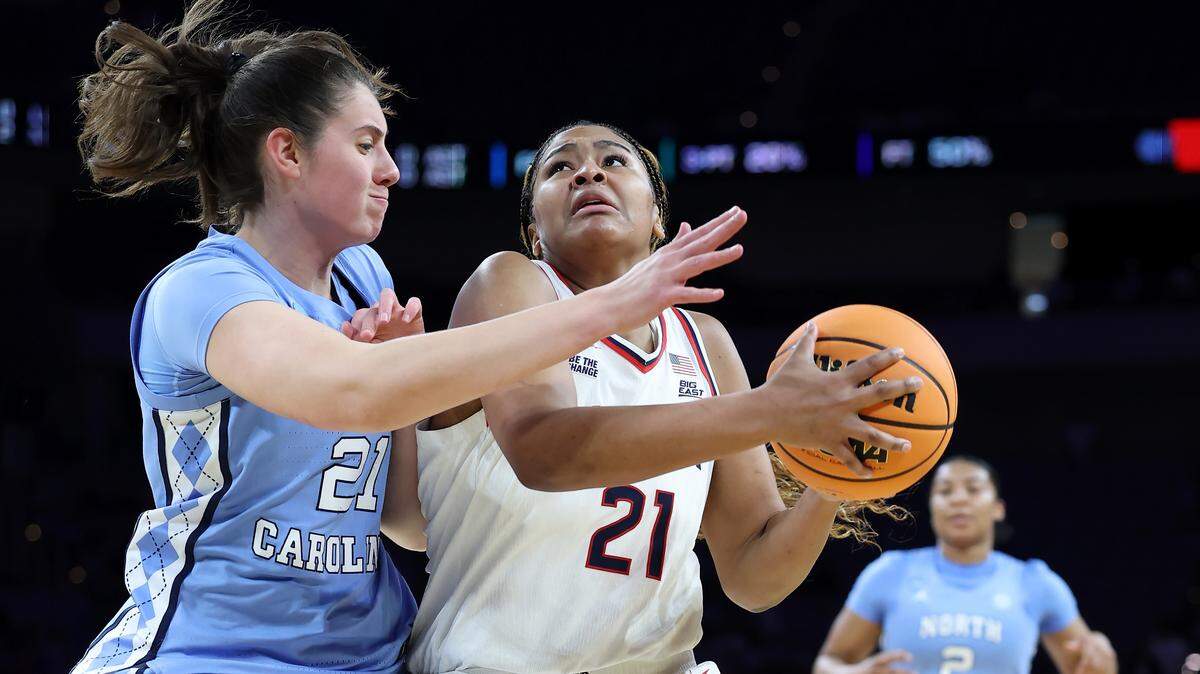
UConn used a dominant second half to end North Carolina’s season with a 63-42 victory Friday night in the Sweet 16 of the women’s NCAA Tournament in Fort Worth, Texas.
The top-seeded Huskies (37-0) outscored fourth-seeded North Carolina 35-22 after halftime, turning a competitive defensive game into a decisive result and advancing to the Elite Eight for the 30th time in program history.
North Carolina (27-8) held its own early, leaning on its stout defense to disrupt UConn’s rhythm. The Tar Heels limited the Huskies to 23 percent shooting in the first quarter and carried a 12-11 lead into the second. Senior guard Indya Nivar set the tone on both ends, finishing with a team-high 17 points.
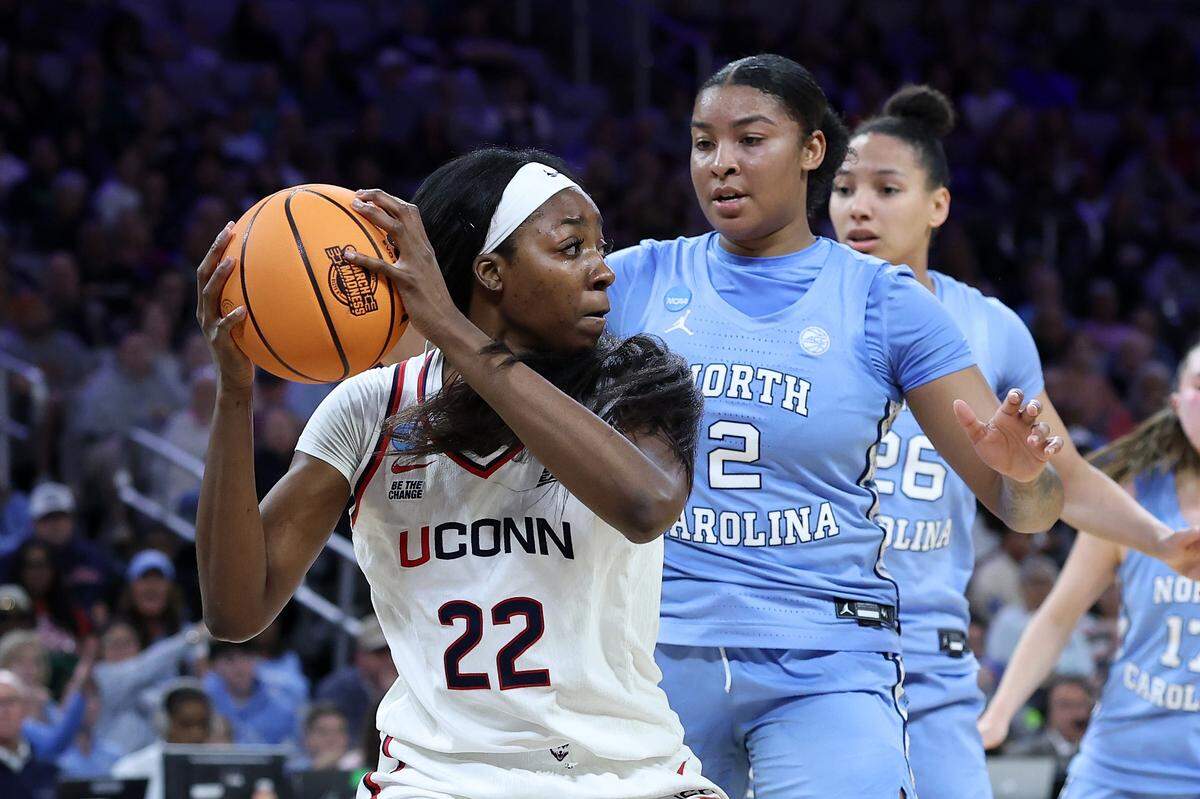
But the game broke open after halftime. The third quarter saw the Huskies take advantage of the Tar Heels’ six turnovers, as UConn outscored UNC 20-5.
“That third quarter turning it over that led to transition, you know, that really hurt us,” Banghart said. ”So hats off to UConn. Really good team. We knew that we had to play really well to beat a good team, and we didn’t, unfortunately.”
UConn closed the first half on a 17-8 run to take a 28-20 lead into the break, then seized full control in the third quarter. Behind forward and Durham native Sarah Strong, the Huskies outscored North Carolina 20-5 in the period, stretching the margin to 48-25 entering the fourth.
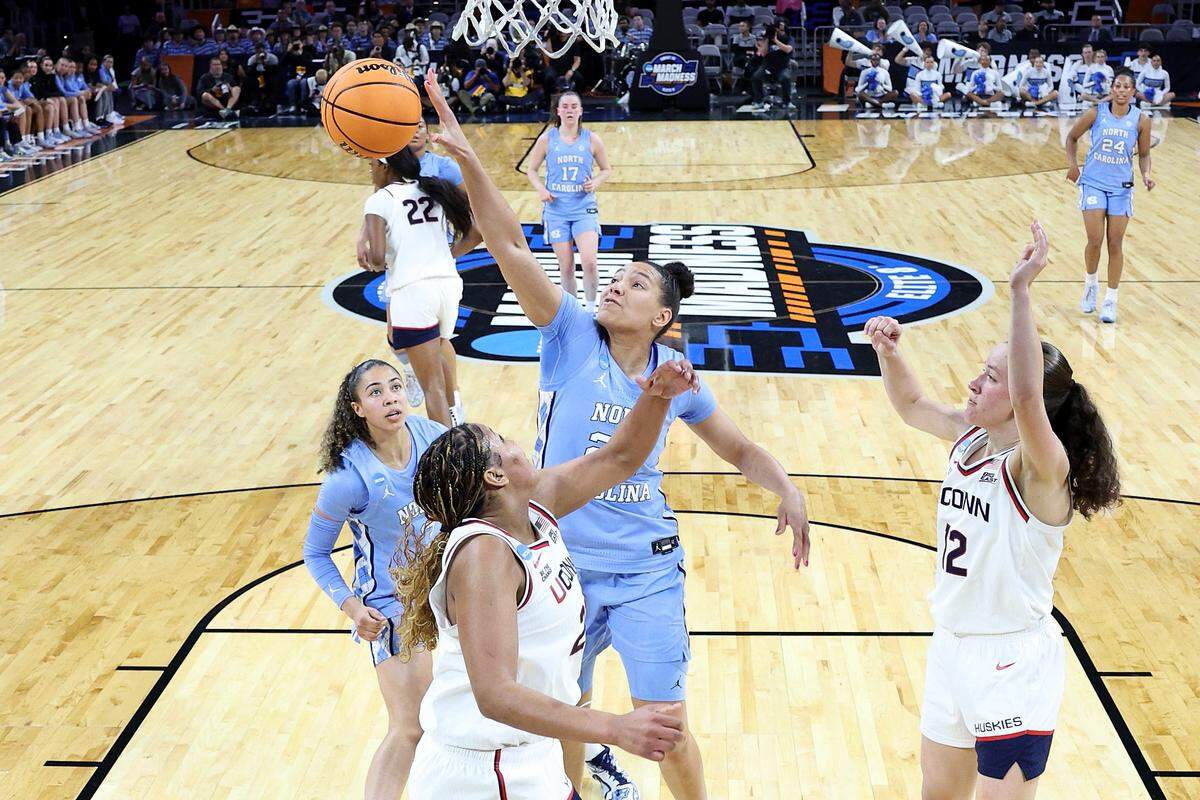
UNC, which built its identity this season on defense and forcing turnovers, was unable to generate its usual pressure. UConn committed just two turnovers through the first three quarters, well below the Tar Heels’ season average of forcing more than 16 per game.
The Tar Heels also struggled offensively, particularly from beyond the arc. A team that ranked among the ACC’s best 3-point shooting groups could not find consistency, and the scoring drought in the third quarter (in which UNC shot 11.8%) proved decisive.
UConn pushed the lead to as many as 25 in the fourth quarter, ending any hopes of a Tar Heel comeback. Azzi Fudd added 10 points for the Huskies, recovering from a slow start to contribute down the stretch, while Strong led the way offensively after a quiet opening period.
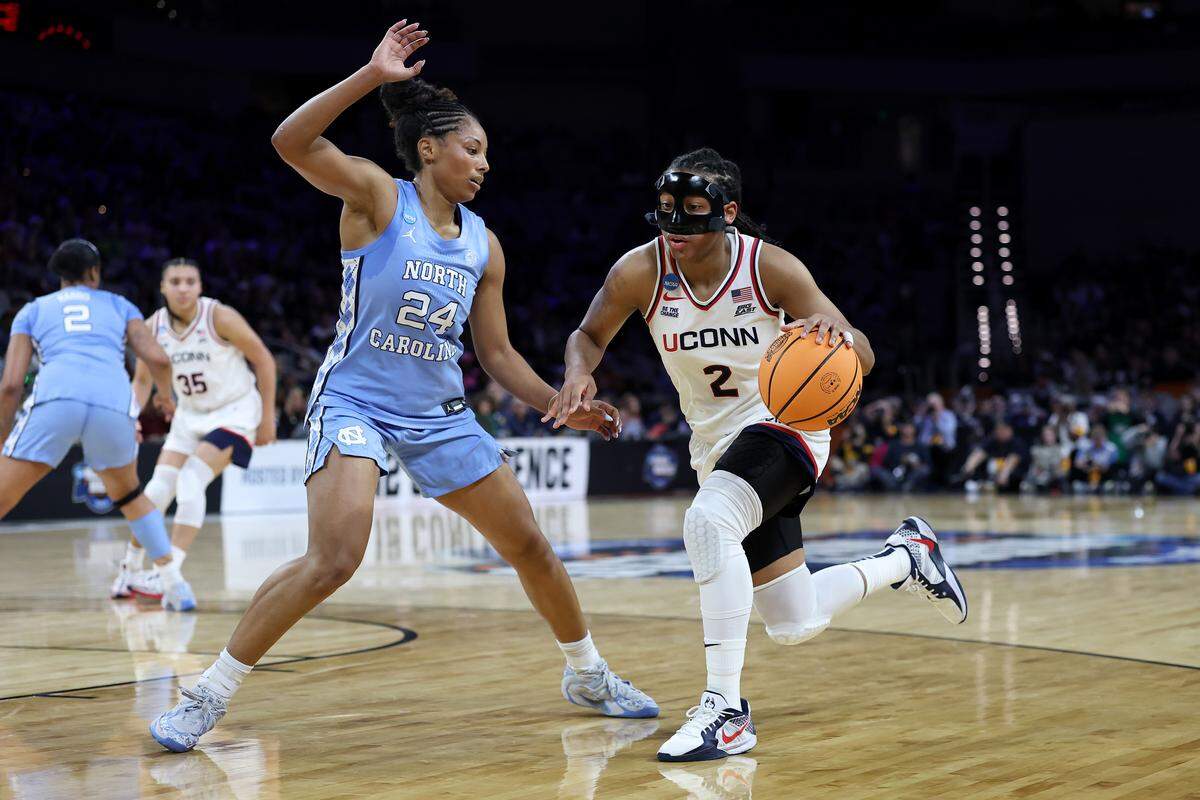
For North Carolina, the loss marked a disappointing end to an otherwise strong season under Banghart.
The Tar Heels won 27 games, including a 14-4 mark in ACC play, and reached the Sweet 16 for the second consecutive season after hosting again in Chapel Hill. They entered the tournament as a No. 4 seed and advanced with wins over Western Illinois and Maryland, continuing a stretch of consistent postseason appearances that has reestablished the program as a contender in the conference and nationally under Banghart.
This season reflected the growth of this young Tar Heels squad in several areas.
Defensively, North Carolina remained one of the most effective teams in the ACC, holding opponents to under 40 percent shooting in 20 games this season. The Tar Heels also showed balance offensively, with multiple players capable of leading the scoring on a given night and a perimeter attack that set program records for 3-point shooting.
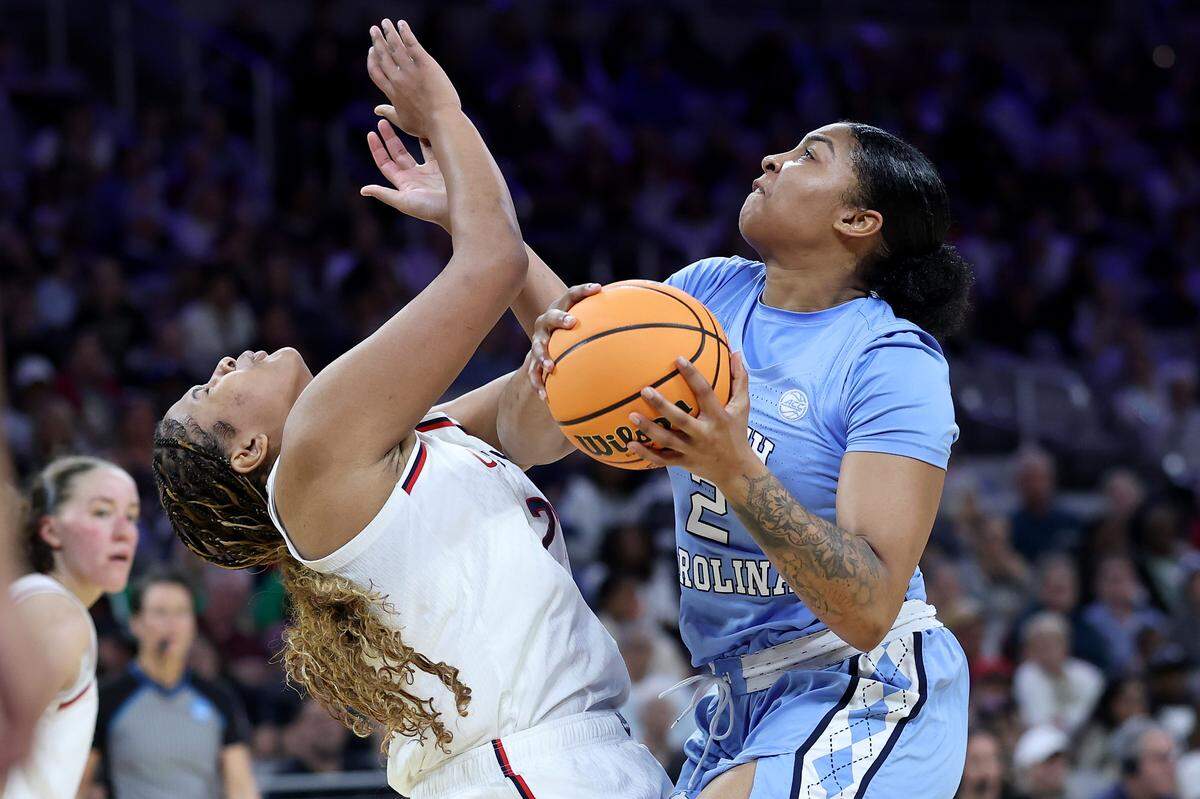
Players such as Nivar, senior Louisville transfer Nyla Harris and sophomore Lanie Grant anchored that identity. Harris earned All-ACC first-team honors and provided interior scoring and rebounding, while Grant emerged as one of the league’s top outside shooters at just 18 years old. Nivar’s all-around play, including her defensive impact and playmaking, made her a central figure in North Carolina’s system.
UNC also demonstrated resilience throughout the season, responding well to losses and injuries to returning standout Reniya Kelly. Still, Friday’s result underscored the gap that remains between the Tar Heels and women’s basketball’s elite programs.
The next step is breaking through.

The Tar Heels have not reached the Elite Eight since 2014. Friday’s loss serves as a reminder of the level required to advance further. Maintaining defensive intensity while developing more reliable scoring options against top-tier opponents will be the key moving forward.
For now, the season ends with progress but also clear benchmarks ahead for the program.
North Carolina proved once again it can compete deep into the NCAA Tournament. To take the next step, it will need to find ways to translate its defensive identity into success against the nation’s best — the standard set Friday by UConn.