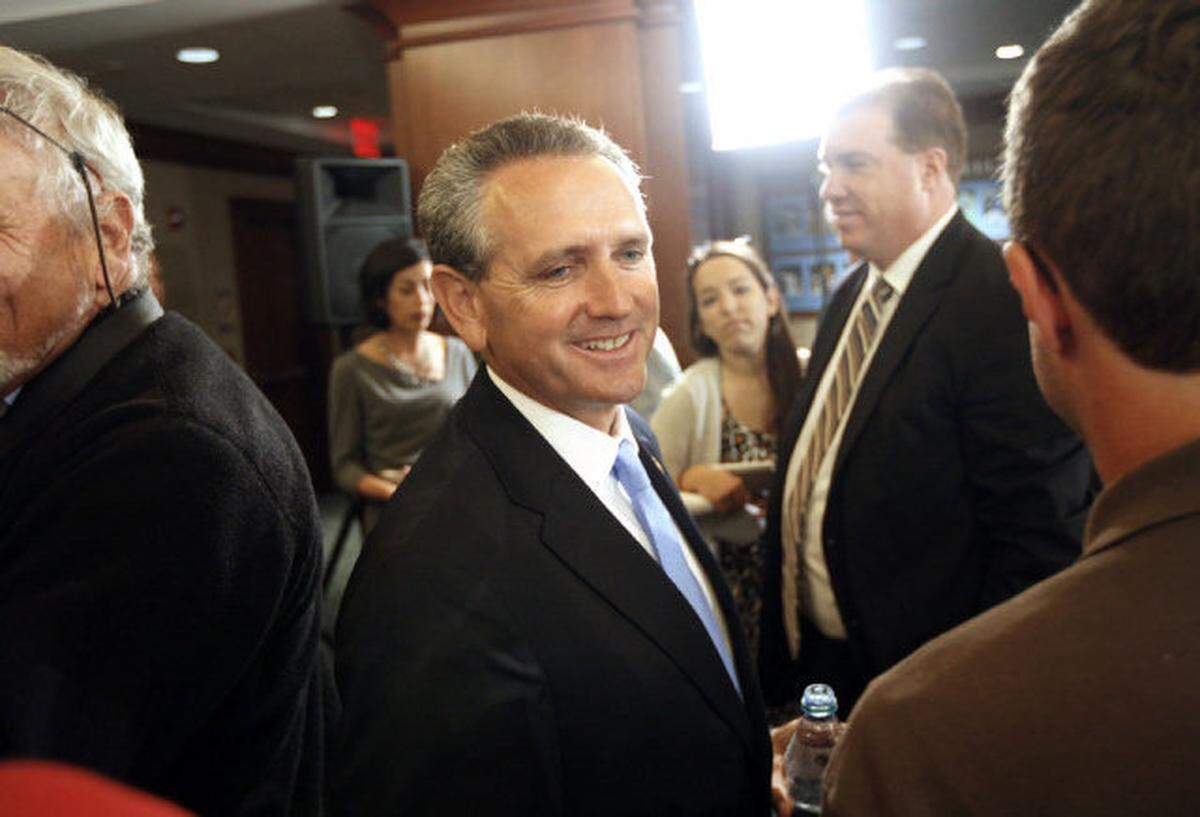
Two ADs, one handoff: Bubba Cunningham and Steve Newmark talk UNC transition
AI-generated summary reviewed by our newsroom.
- Cunningham and Newmark operated in tandem during a planned transition.
- UNC athletics budget was $70 million in 2011 and $188 million in 2024-25.
- Cunningham will be senior advisor through July 2029 focused on major campus projects.
Two UNC athletic directors walked into a Ritz-Carlton in Amelia Island, Florida, for ACC spring meetings last week.
One was on his way out. The other was already on his way in.
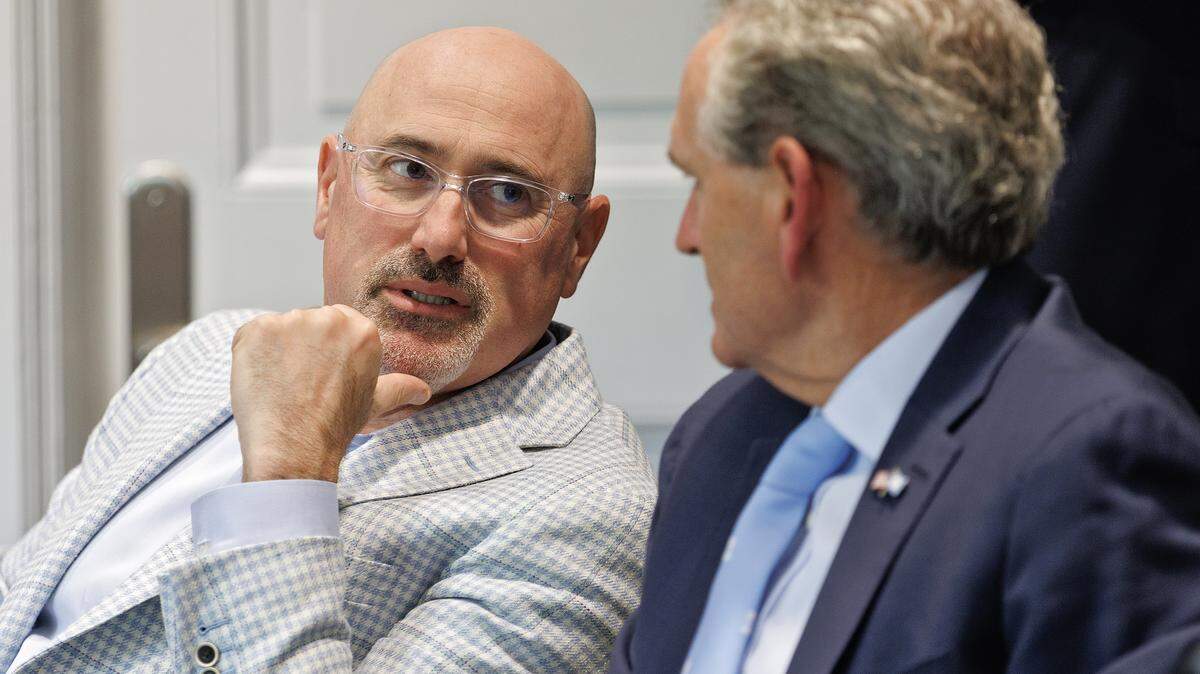
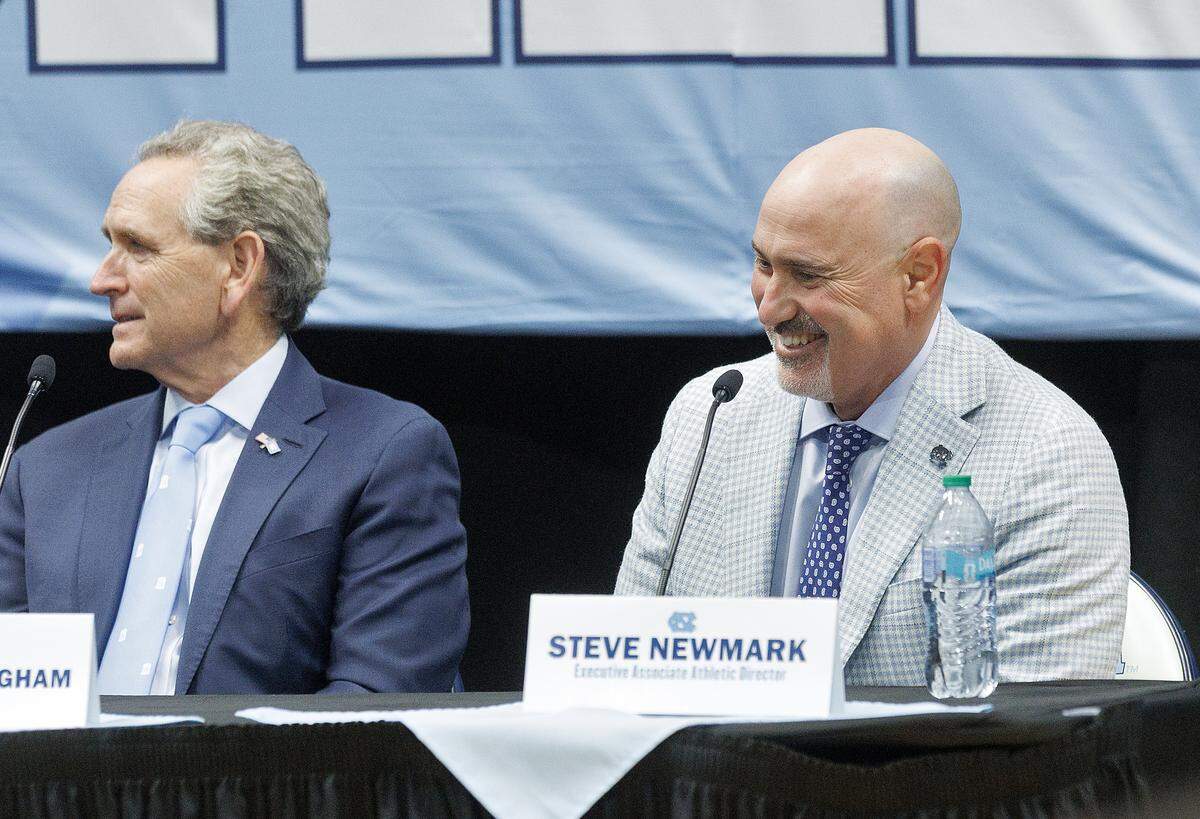
For nearly a year, Bubba Cunningham and Steve Newmark have operated in tandem — dividing responsibilities, sharing decisions and functioning as co-architects of North Carolina’s athletic future. July 1 is the official handoff. In practicality, it’s already happened.
The academic year is over. Spring sports are winding down — as much as they can be at a broad-based program like UNC. Cunningham has checked off his last Rammy Awards show — complete with the usual speeches, forehead selfies and send-offs — and his final academic luncheon, where Newmark presented him with a parting gift: an RFK Racing suit, a nod to his own past in NASCAR.
Maybe, Newmark joked, it would inspire a new hobby for Cunningham in retirement.
Newmark has already taken on an increasingly prominent voice — speaking for the department in press releases, guiding internal discussions, settling into the chair he’ll officially claim this summer. He served on an advisory board that led to Bill Belichick’s hiring in December 2024. This spring, when North Carolina made a consequential late push in its men’s basketball coaching search — an Easter Sunday flight to Colorado to meet with Michael Malone — it was Newmark who got on the plane. Cunningham did not.
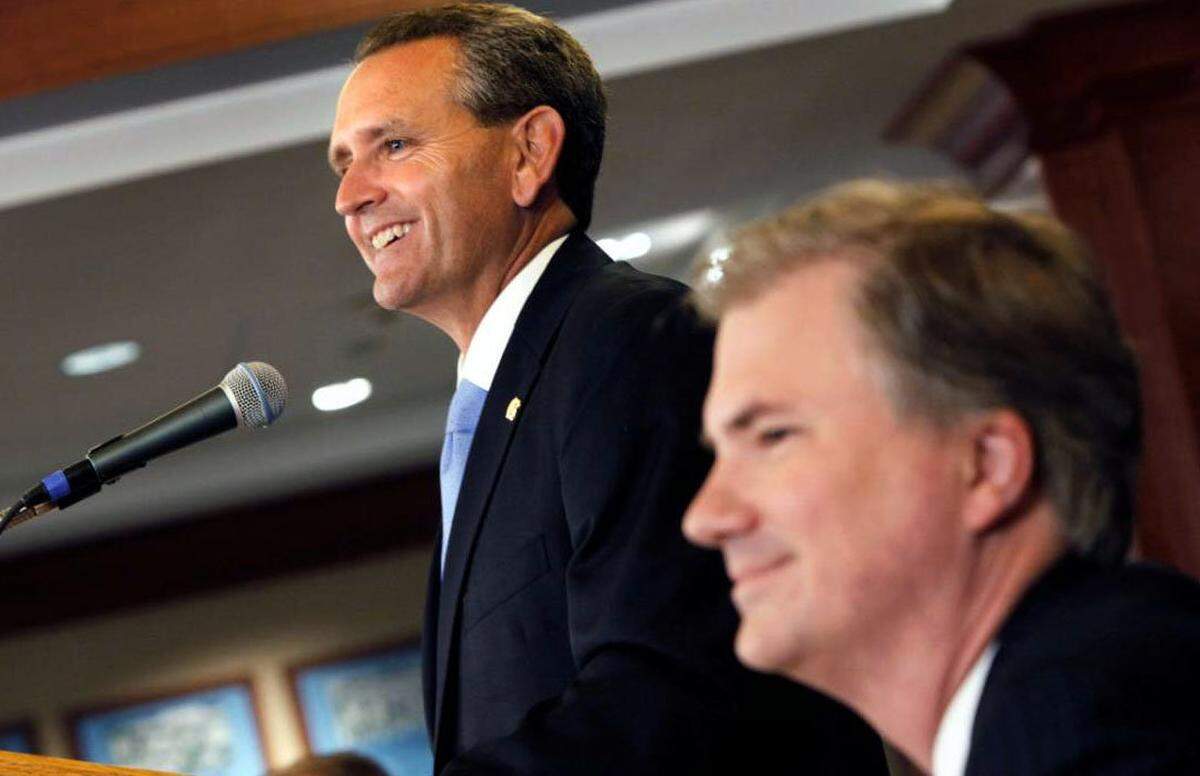
Nearly 15 years ago, when Cunningham arrived in Chapel Hill from Tulsa, he admitted he wasn’t “smart enough to have enough adjectives” to describe the emotions of the moment — of being hired as the athletic director for one of the preeminent college athletic programs in the nation.
Earlier this month, at what was his final ACC spring meetings, the tone was markedly different.
“I don’t really have strong feelings about it,” he told the N&O with a shrug.
“I think it’s been a great league,” Cunningham added. “I’ve enjoyed being a part of it. I’ve enjoyed being an athletic director. I started my career in higher education… taking a different role on a college campus is something I’ve done before. I’m excited about the opportunities that lie ahead.”
He’ll miss the relationships, he said — the familiar faces across the conference rooms, the rhythm of a league he helped shape. But his world is about to get smaller in one sense, and broader in another: fewer day-to-day interactions in the ACC, more time spent on UNC’s campus and, potentially, on national issues alongside university leadership.
But for now, he’s still got about five weeks left on the clock. At ACC spring meetings, some of Cunningham’s colleagues were already in celebratory retirement mode. A Yankees representative in attendance — presumably tied to the Pinstripe Bowl — sidled up to Cunningham one night at the Ritz-Carlton bar, threw an arm around him, and nudged the 64-year-old to order a round of a Smoked Old Fashioneds “for old times’ sake.”
Cunningham chuckled and said he’d think about it. Truthfully, he’d rather not make a big show about his departure. He said half-jokingly (or perhaps in earnest) that he’d prefer to just fade into the distance.
In many ways, athletic directors cut from Cunningham’s cloth are becoming a hallmark of the past.
The traditional and non-traditional
While Duke’s groundbreaking Amazon deal sparked some discussion among the ADs gathered in Amelia Island last week, Newmark was already exploring similar options for UNC. He spoke about maximizing the value of North Carolina’s program. He spoke about generating enough revenue to support the rising costs in college sports’ ever-inflating arms raise.
Last week, CBS Sports reported that a new blue blood-laden college basketball event is in the works with interest from North Carolina, as well as Arizona, Connecticut, Gonzaga, Kansas, Kentucky, Indiana and Michigan. The multi-team “Diamond Cup” would offer schools primetime TV slots in the regular season and, crucially, equity in the event.
“Cutting expenses, cutting sports — that’s not a recipe for long-term success,” Newmark told the N&O at Amelia Island. “Having a broad-based program is part of our DNA, so that means we’ll need to figure out how to raise more revenue in order to sustain and support our sports, and give the coaches the resources they need to succeed.”
“So we will continue to lean into both traditional and non-traditional ways to generate revenue,” Newmark continued. “Some of that may not be consistent with how UNC operated 20 years ago.”
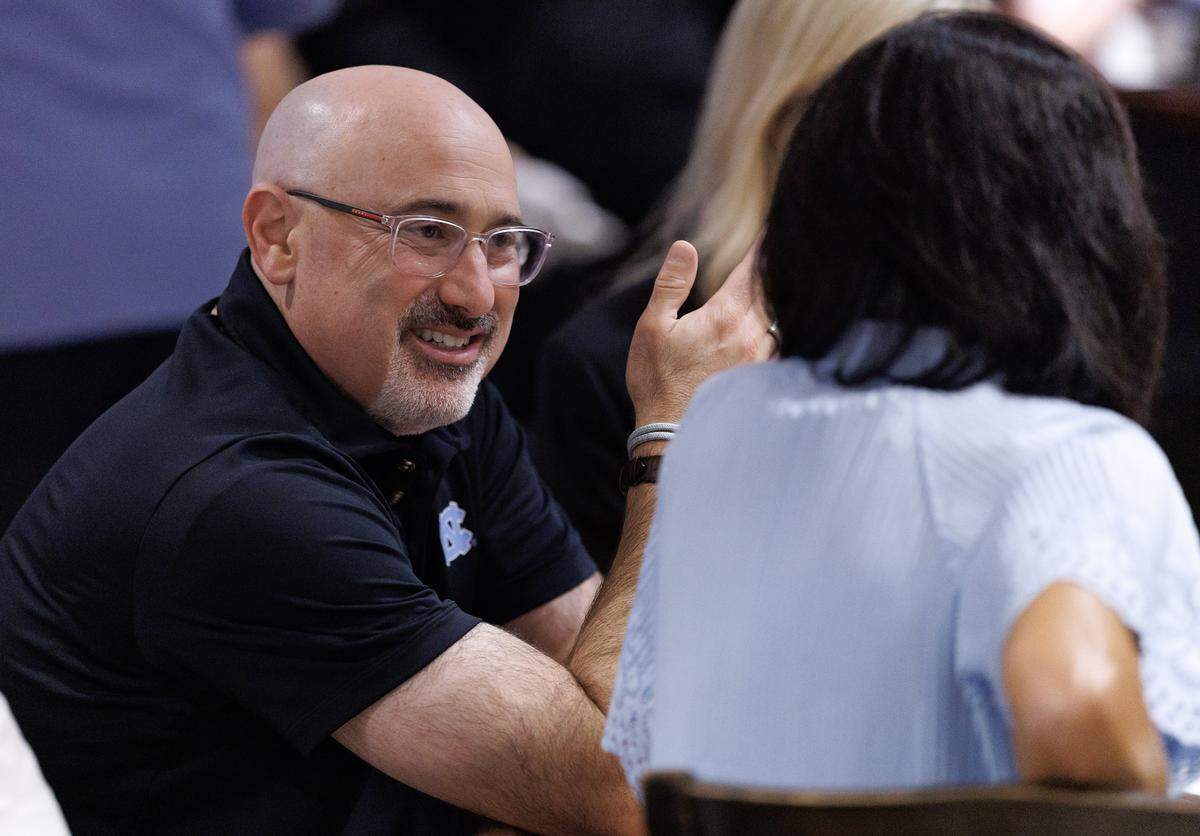
When Cunningham took over the Tar Heel helm in 2011, the UNC athletics budget was $70 million. In the 2024-25 academic year, North Carolina spent a record $188 million on athletics — including nearly $14 million for upfront revenue-sharing payments to athletes. UNC’s athletic department expenses have risen more than $67 million in the last four years for which data is publicly available. That doesn’t include the full scope of North Carolina’s heavy investment into its football program under Bill Belichick, or the cost of the men’s basketball coaching change.
“What I’ve seen over the last 10 years is more tension on the economics,” Cunningham said. “As a university and an athletic department, we could always generate enough money to cover all the sports that participated — even though the revenue has accelerated and the cost of participation has accelerated faster.”
“And now, with rev share, we’re saying that football and basketball generate enough money to sustain themselves, but we have 26 other sports that don’t have enough revenue coming in as a net profit,” Cunningham said. “So, how are we going to support those other sports in the university?”
The problem requires an entrepreneurial mindset. Athletic directors have long been described as CEOs of college sports departments, but now schools are increasingly turning to business executives outside traditional athletics pipelines to run them.
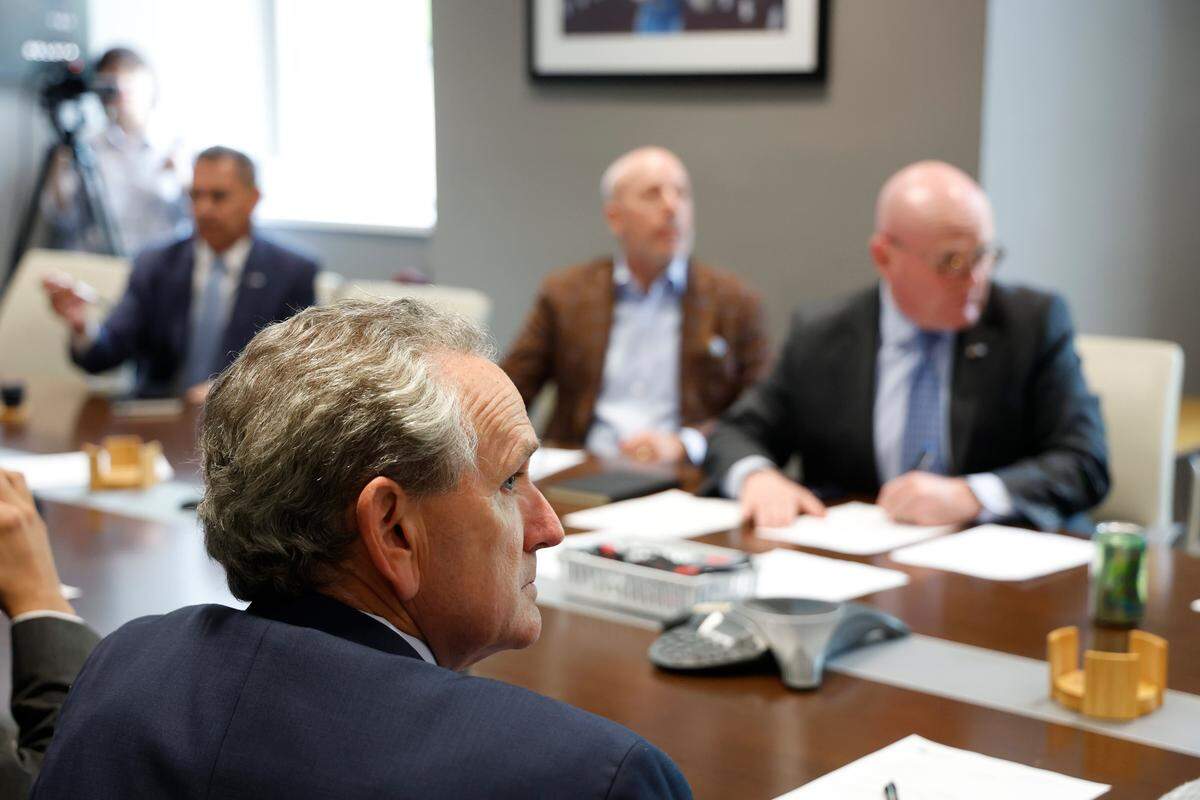
UNC isn’t the only example. Stanford hired former Nike CEO John Donahoe as its AD in 2025. Former NBC Sports chairman Pete Bevacqua has overseen Notre Dame athletics since 2024, after briefly serving as special assistant to former AD Jack Swarbrick in a similar succession plan to UNC’s. Kentucky’s next AD will also serve as the CEO of Champions Blue, LLC — the non-profit, public entity that serves as UK Athletics’ post-House settlement holding company.
Miami athletic director Dan Radakovich — whose previous AD stops include Clemson and Georgia Tech — sees this moment less as a break from tradition than more as another turn in a familiar cycle.
First came the former coaches who transitioned into AD roles. Then administrators who rose through facilities and operations became the next hiring craze. Then a stretch where marketing backgrounds were prized as programs chased more aggressive fundraising tactics.
“Now they’re looking for the people who are outside of intercollegiate athletics to come in,” Radakovich said at ACC spring meetings, “and I think that’s good. But this is on a college campus, and college campuses are about relationships — whether you’re the dean of the school of business or college of education, or you’re the director of athletics. You need to have those kind of relationships with your coaches, with your student athletes, while still having the opportunity to go out and gain revenue.”
College athletics departments, Radakovich noted, now sit on underutilized infrastructure that has become central to the business model. Football stadiums that once sat dormant for most of the year are now viewed as year-round venues, with schools experimenting more aggressively with concerts, special events, touring entertainment acts and mixed-use stadium districts to unlock new revenue streams.
And with that shift, the job of running a department has expanded well beyond making sure stadium pipes don’t “burst in the winter,” and into media strategy and event production in ways that would have been uncommon a decade ago.
As a result, Cunningham has met with Smash Capital and plenty of other folks in the private equity space to get an understanding of how PE may apply in a university or athletic department setting. He said he’s also spent more and more time in meetings with representatives from ESPN and other television organizations, who have their own opinions on how more aggregation of media rights may impact revenue generation projections.
“I’m always trying to learn more, and that’s been very helpful in trying to think about where are today based on all the people in the industry that we’ve come in contact with,” Cunningham said. “Where do I think we’re headed next? And I think that’ll help me work with the Chancellor and say, ‘Here’s some things that we should think about as we move forward.’”
A sign of the times
Jim Phillips briefly lost his train of thought as he began listing the names. At the ACC spring meetings, he was asked at his annual address to reflect on the athletic directors across the conference who are retiring this year: Cunningham, Radakovich, Virginia Tech’s Whit Babcock and Syracuse’s John Wildhack.
“I’ve worked with 39 different athletic directors in five years and 38 different presidents,” Phillips said. “We also have four presidents that are changing over. Remind me what your question was…”
Phillips laughed as he trailed off. Then he continued.
“You have to re-educate individuals, and you’ve got to bring them along,” he said. “We’re trying to build consensus and collaboration and all of those things, and it’s easier when there’s historical knowledge and perspective and understanding.”
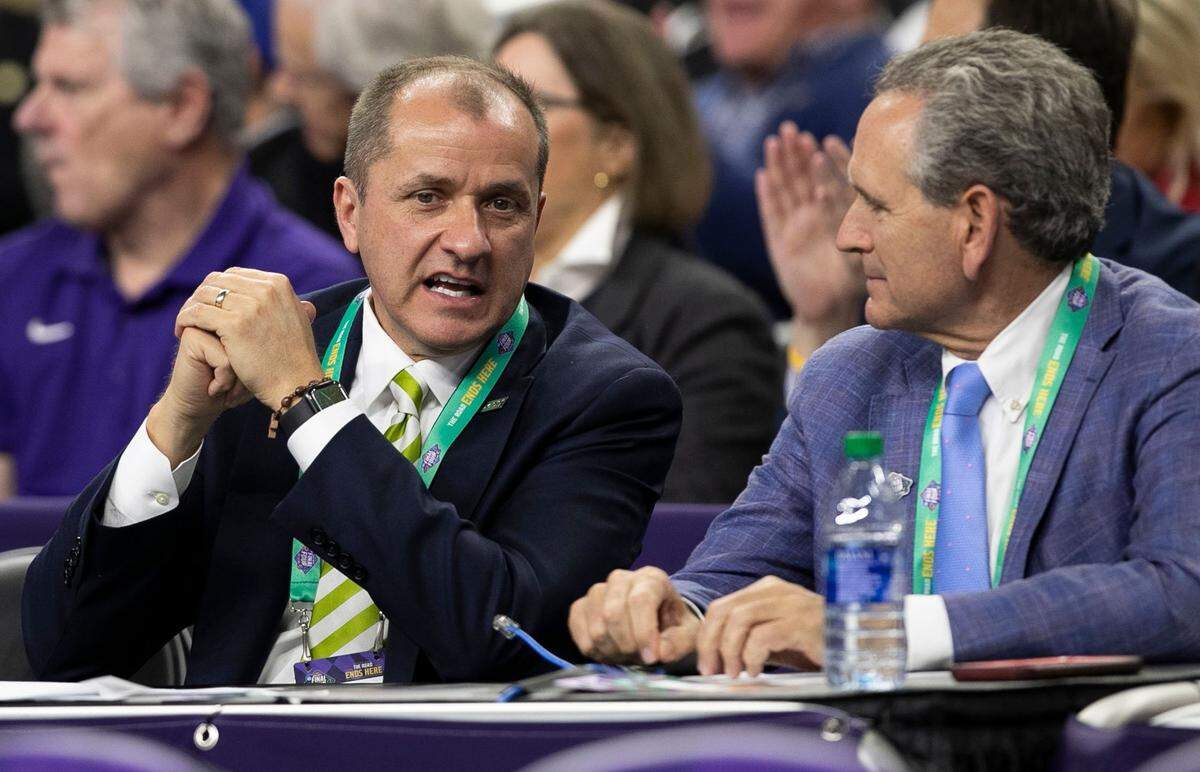
Those old institutional fundamentals are exactly what Newmark said he has spent the past year absorbing firsthand alongside Cunningham.
“He’s one of, if not the, most respected athletic director in the country,” Newmark said. “He has been in the business for quite some time, and he’s one of the more generous and selfless people that I’ve ever met, so I really did enjoy working hand in hand with him.”
“I think there was probably some skepticism in certain circles that it may be difficult to have two of us overlapping for that long of a period of time, but, to me, it was actually a critical component of why I made the decision to switch from professional sports to collegiate sports,” Newmark continued. “Because I think Bubba was a unique character, and I really was able to learn quite a bit from him.”
Though he plans to step back from daily operations, Cunningham will remain a resource for Newmark — a sounding board for decisions that extend beyond the scoreboard. From facility planning to conference dynamics to the long-term shape of the department, his influence will persist even as his title changes.
Under a contract extension that runs through July 2029, Cunningham will move into a senior advisor role reporting to Chancellor Lee Roberts — a position designed to leverage his institutional reach beyond day-to-day athletics. The job will pull him into some of the university’s largest long-term projects, including Carolina North, major facilities planning along Stadium Drive and at the Alumni Center, potential football stadium upgrades and a new athlete wellness center.
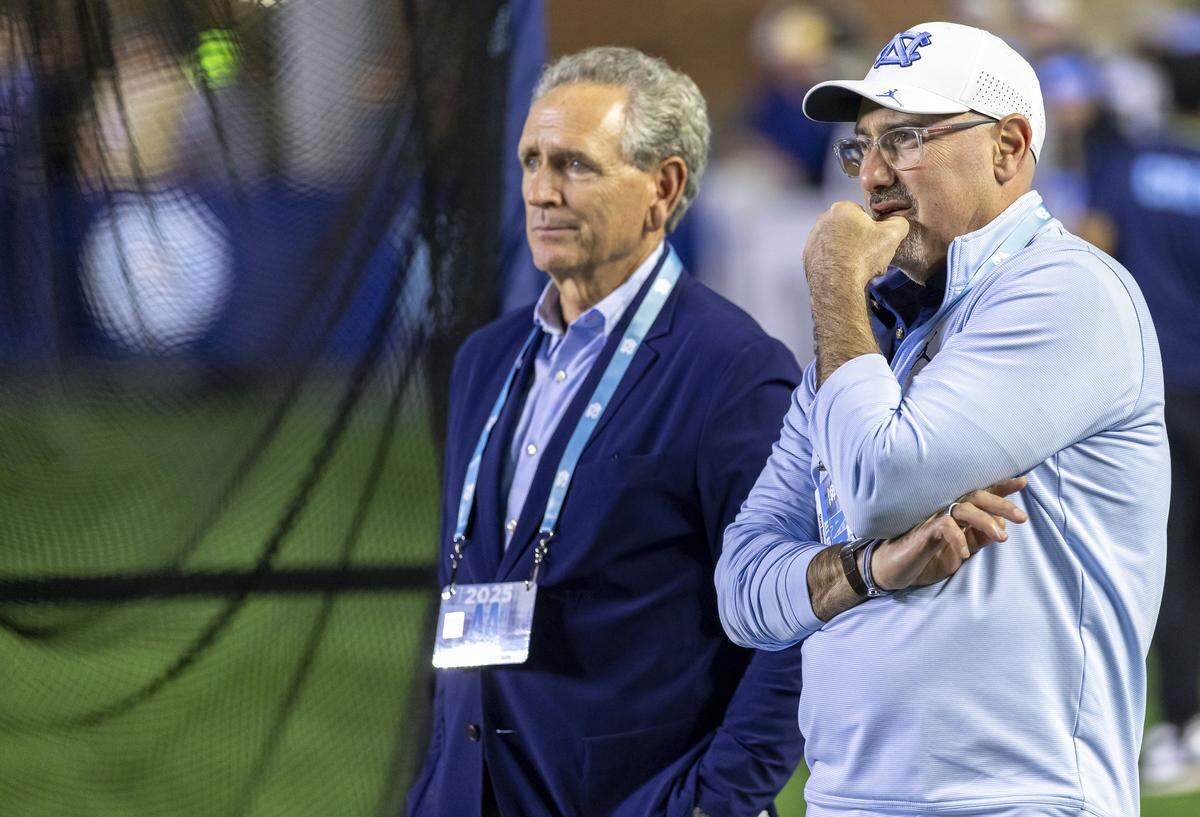
The job is new and created specifically for Cunningham. The role he previously held is no longer the same one. Not here. Not anywhere. To Phillips, the transition is a sign of the times. But neither he, nor Cunningham, are wringing their hands over it.
Newmark, after all, will bring new ideas and a new energy. And plenty of lessons from his time with Cunningham. Maybe.
“I’m not sure I’ve given him any advice,” Cunningham said.
He paused.
“Actually,” Cunningham conceded. “Probably the only advice would be to enjoy it. This is a great job at a great institution with great people, so enjoy every part of it. There’s certainly going to be frustrations, aggravations and challenges. But by and large, you can’t be in a better profession. I don’t think.”
Cunningham followed his own advice at Amelia Island last week. With some convincing, he ordered the Smoked Old Fashioned. One on each of his last nights there.