Charlotte, Orlando emerge as front-runners for new ACC headquarters
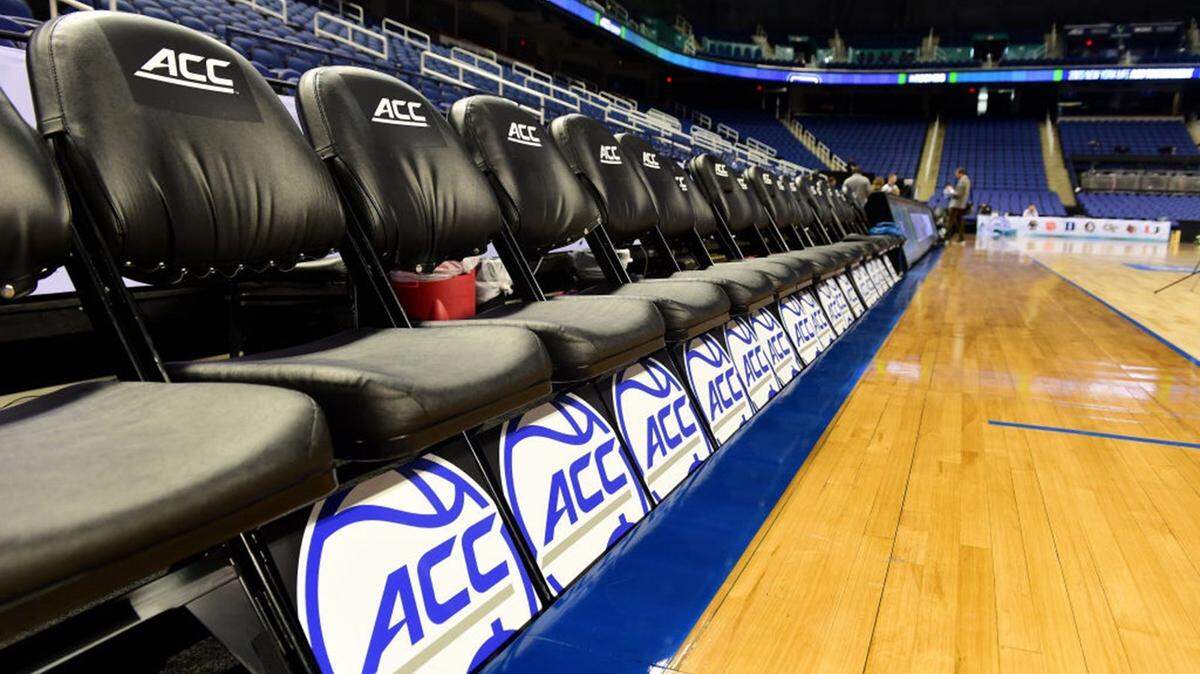
Charlotte and Orlando have emerged as front-runners for the ACC’s conference office to relocate from Greensboro, multiple sources told The News & Observer on Thursday, with a vote expected no later than the end of the month.
Both Charlotte and Orlando have many of the attributes the ACC listed when it solicited potential new headquarters sites: Population size, growth and diversity; a large hub airport; synergies with existing and potential partners; and the willingness to provide “financial considerations related to operational expenses.” The cities also host bowl games with longstanding ACC tie-ins.
Greensboro, the ACC’s home for 68 years, remains under consideration as the third finalist.
Charlotte, in addition to being at the heart of the ACC’s geographical footprint, is a longtime host of the ACC football championship game and a frequent host of the men’s basketball tournament, the league’s two largest events, as well as the annual host of its football and basketball media events. There’s also an ESPN studio facility in Ballantyne.
Orlando has even stronger ESPN connections via Disney, which owns ESPN and operates the ACC Network. Disney’s Wide World of Sports complex hosted the NBA’s pandemic playoff bubble and could serve as host for any number of ACC championships. The city also hosted the 2016 ACC football title game when it was moved out of Charlotte because of House Bill 2, but has never hosted an ACC basketball tournament.
The Orange County mayor’s office said Tim Giuliani, the president and CEO of the Orlando Economic Partnership, was “leading the effort.” Giuliani, a former CEO of the Greater Raleigh Chamber of Commerce, declined to comment via an email.
Given the ACC’s refusal to host events in North Carolina while HB2 was in effect, it would potentially face political blowback should it move its offices to Florida immediately after the state passed the so-called “Don’t Say Gay” law, an anti-LGTBQ measure with similar political objectives to HB2.
“The process is ongoing,” ACC deputy commissioner Amy Yakola said Thursday. “No decision has been made by the ACC board of directors.”
Last August, new ACC commissioner Jim Phillips sent a letter to the ACC membership and the city of Greensboro announcing that the conference would explore moving its headquarters from the city where the league was founded. Phillips wrote that the ACC had a “fiduciary responsibility to ensure that remaining headquartered in Greensboro is what is in the best long-term interests of the Conference.”
The league hired real-estate consulting firm Newmark to supervise the process. In October, the league announced its willingness to leave Greensboro and solicited proposals from interested cities. Those were due in November with the intention to make a decision by the end of March. The decision has dragged on as the 15 school presidents who serve as its board of directors have sought to reach a consensus.
In the Triangle, Duke president Vincent Price and North Carolina chancellor Kevin Guskiewicz declined to comment via spokespeople. Attempts to reach N.C. State chancellor Randy Woodson were unsuccessful.
The ACC considered relocating to Charlotte in the 1990s but decided to remain in Greensboro, moving into its current offices near Interstate 85. Greensboro made a strong push to keep the ACC office again this time, but the internal dynamics of a conference now spread across 10 East Coast states have diluted the appeal of remaining where it was founded in 1953 at Sedgefield Country Club, when seven schools decided to withdraw from the Southern Conference and start a new league.
The ACC met last week to discuss the proposals from Greensboro, Charlotte and Orlando but no vote was taken. Skip Alston, the chairman of the Guilford County board of commissioners who has played a pivotal role in the city’s effort to retain the ACC, said Thursday that Greensboro had not been told it was out of the running.
“I think that we put our best foot forward,” Alston said. “If we do not get it, it won’t be because we didn’t try. We put a very aggressive proposal together. We feel good about our proposal. I would hope that they would stay home. They’ve been here for 68 years. We tried to let them know there’s no reason to leave home and go someplace else. The grass is not always greener on the other side.”
This story was originally published April 14, 2022 at 5:45 PM.