
As pro women’s hockey takes over Raleigh, a reminder of how far we have yet to go | Commentary
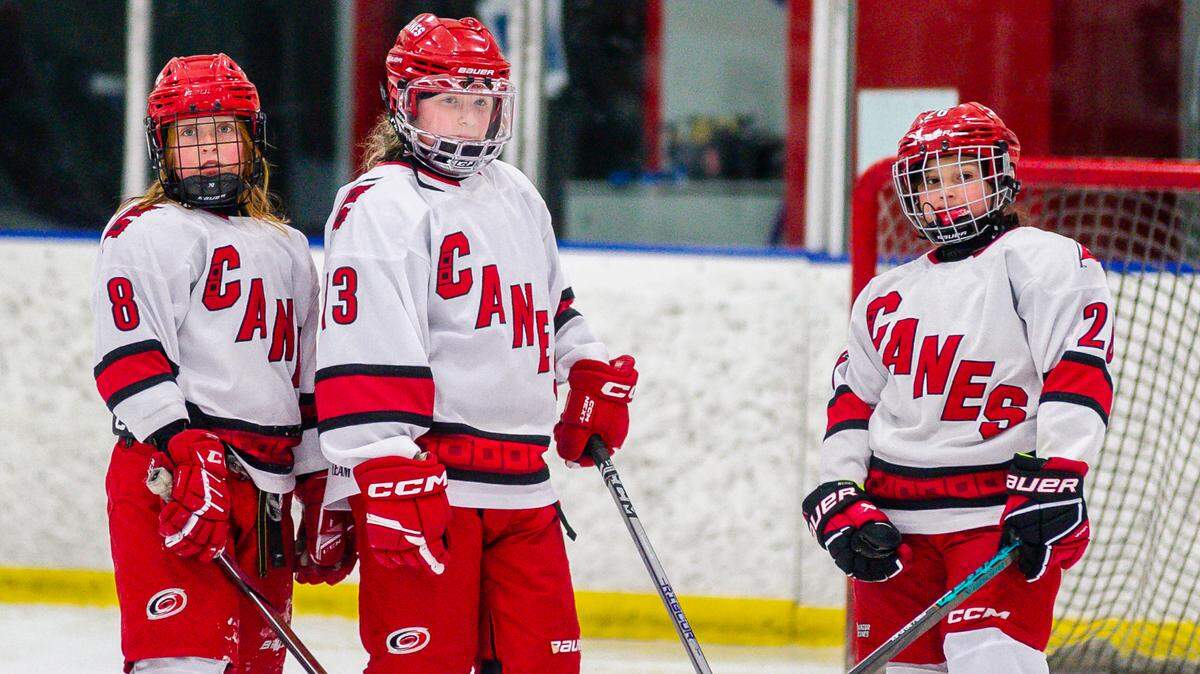
Friday night in Raleigh, hundreds of youth hockey players and their families are expected to be in the stands for a professional hockey game.
The Carolina Hurricanes, the building’s primary hockey tenants, will not be on the ice. Nor will any team from the NHL, AHL, ECHL, SPHL, FHL — or any other professional men’s league.
Professional women’s hockey will command all of the attention at center ice at Lenovo Center.
Yes, women and girls play hockey, too.
A lot of them. From all corners of the Earth, and certainly in every crevice of North America.
USA Hockey alone counts more than 93,000 registered women’s and girls’ hockey players in the United States as of 2024, up from about 83,000 in 2019, and about 67,000 in 2014.
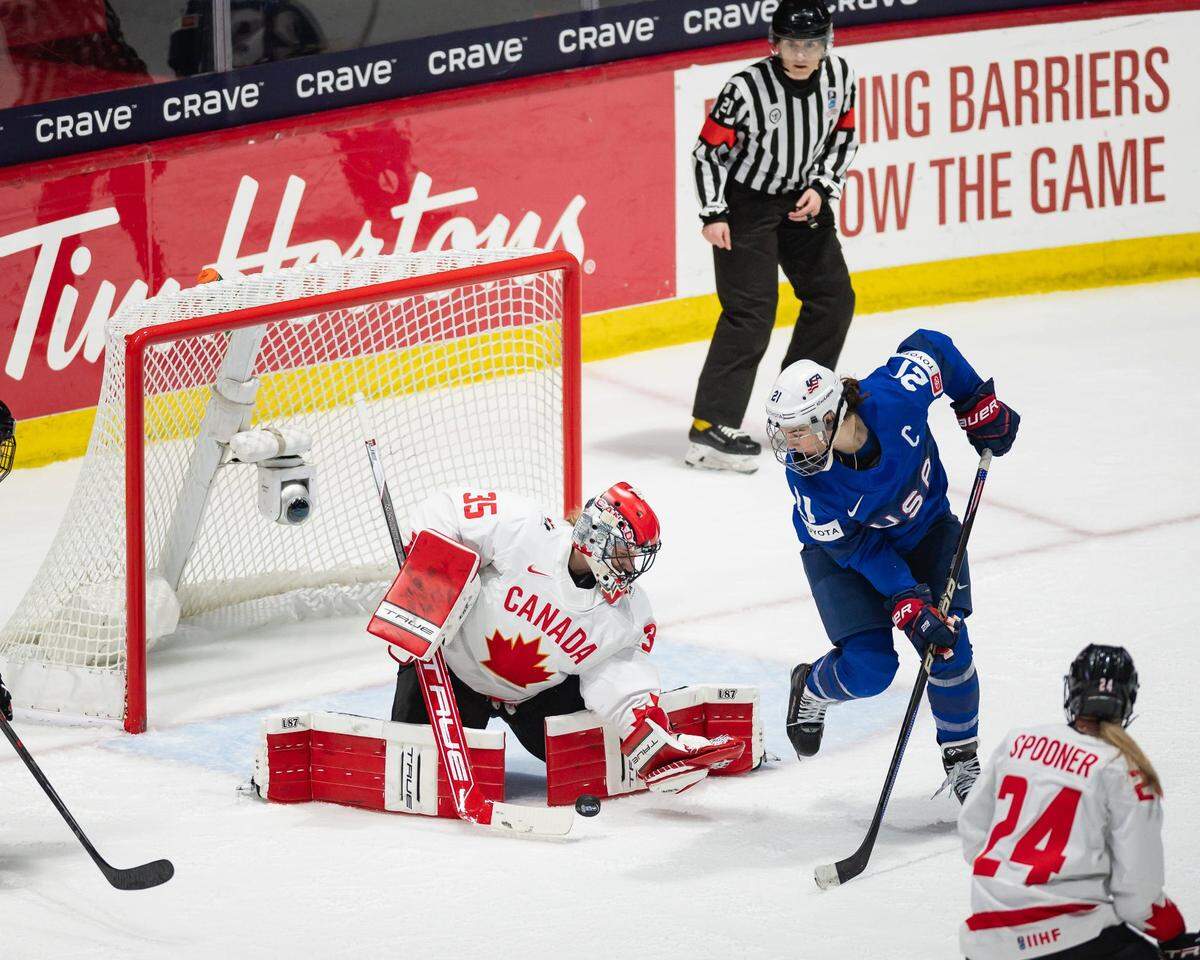
Hockey Canada counted more than 108,000 women and girls in hockey in 2024.
While society as a whole has made significant gains in tolerance, acceptance, equity and equality over the years, many of our stereotypes — ingrained for generations — persist.
I have been as guilty as anyone else. We all have, and to deny that, you’re not being honest with yourself; you’re succumbing to your unconscious biases.
But that acknowledgment, and the willingness to adapt and change, remains important.
Overcoming the stigma
In fall 2013, my wife and I learned that our family was growing — exponentially. After taking some time to process it privately, and wading through preliminary appointments, we told our families and friends: Twins.
Among the questions that invariably arise when someone finds out about a pregnancy: Are you going to find out the gender? And the follow-up query: Which gender(s) are you hoping for?
The first one was simple for us (though, I understand, not for everyone): Of course we want to know. To this day, we both handle surprises … just terribly.
The second question was loaded, and no matter the answer, there were myriad follow-ups, most predominantly related to sports, given our backgrounds.
“You must be hoping for at least one boy,” was a common sentiment. Carrying on the family name was usually the reason for that statement, though even that notion has become antiquated with time.
My paternal great-grandfather was the only male in his generation of children. My grandfather was the only male of two children, my father was an only child. My branch of the family tree is a twig.
But really, I couldn’t care less.
It’s the question’s other implication that left me shaking my head, mainly because in many cases it was directed to me as the male partner in the relationship. What about the perceived father-son bond in the sports realm, they wondered. You know: taking junior to the ballpark, teaching him how to play catch, building a backyard rink and playing hockey as soon as he can walk.
Of course I wanted to experience taking my children to ball games (nearly 11 years later, they’ve been to more than a half dozen ballparks and dozens of games).
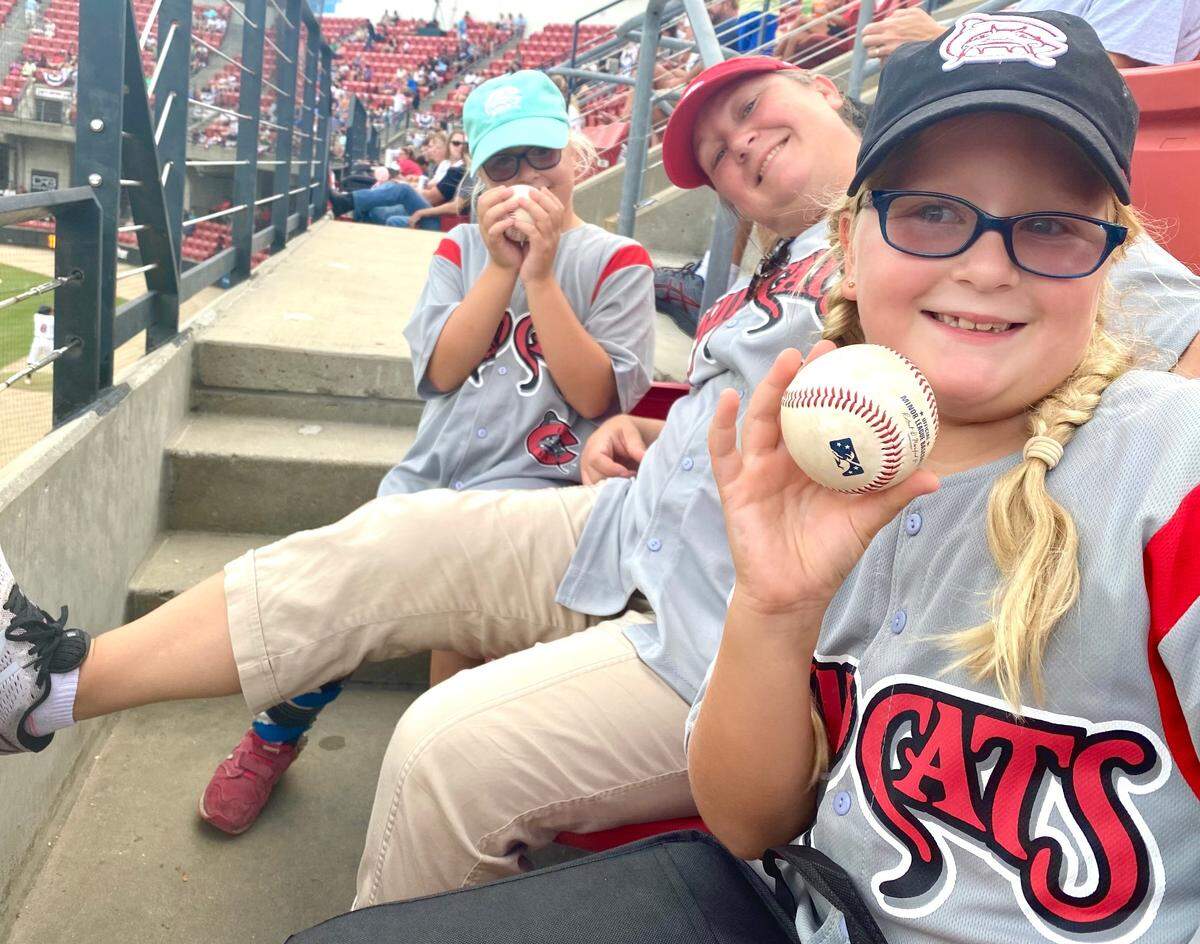
Playing catch in the yard? Every summer.
Shooting free throws in the driveway? When the HOA allows it.
Building a backyard rink in the winter? That was easier in Maine.
Coaching their teams as they grow? Checked that box, too.
That’s all been possible, regardless of my children’s genders.
My love for hockey is well known to most people in my work and social circles, and has been an integral part of my job for many years. The wisecracks began early.
“Two defensemen at a time, eh?”
“Are you trying to grow a whole team?”
This was before we found out that we were having twin girls — Emma and Erin.
Afterward? The speculation shifted sports. Some asked about field hockey, some about soccer … many mentioned cheerleading — all sports about which I have written extensively in my career and very much enjoyed.
But why the switch?
Women and girls play hockey, too.
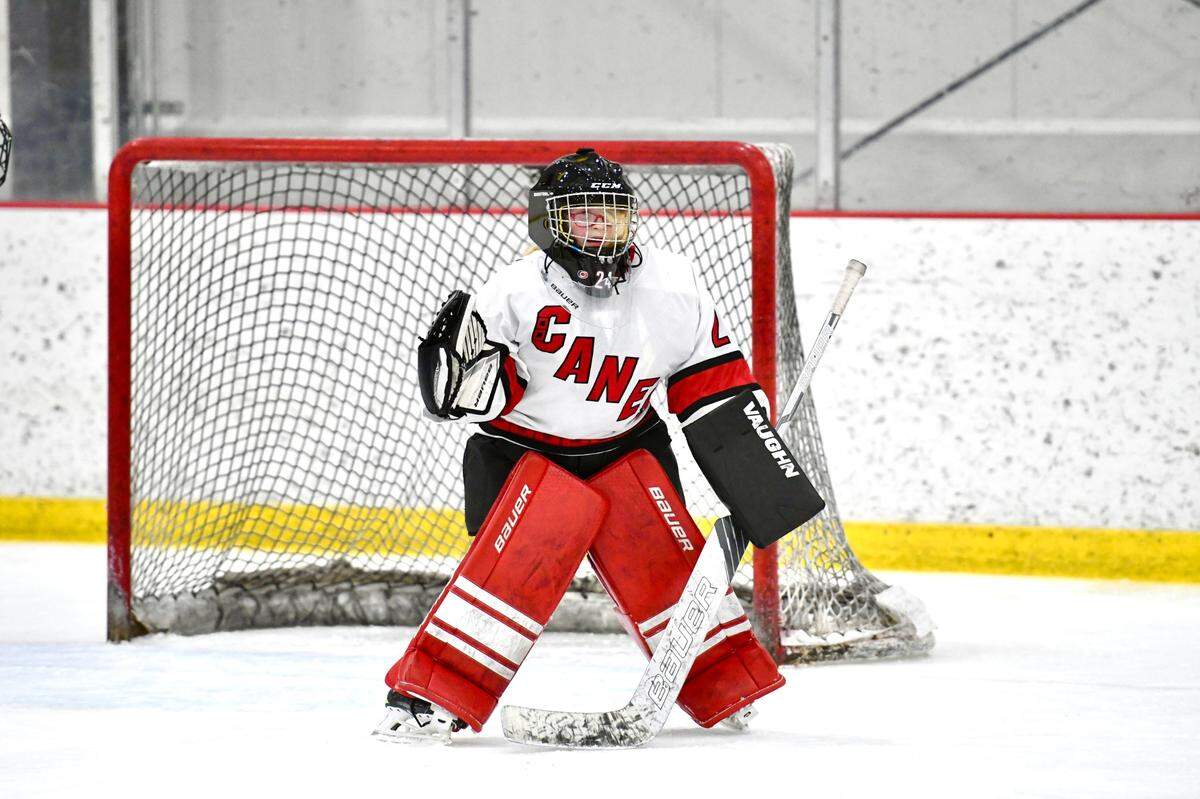
A national stage
About six years ago in February, a year before COVID-19 ground the sports world to a halt, women in hockey vaulted into the national narrative after players from the U.S. and Canadian national women’s teams participated in the National Hockey League’s All-Star Game.
One, Brianna Decker, who was there to “demonstrate” the event, clocked the top time in the passing skills competition. Kendall Coyne Schofield participated in the fastest-skater competition, and turned in a time that just a few years prior would have won the event. She did not finish last, and clearly demonstrated that, at least in that skill, she was on par with the best in the NHL. Given the chance, she’d probably have been on par with the stars in the other events, too.
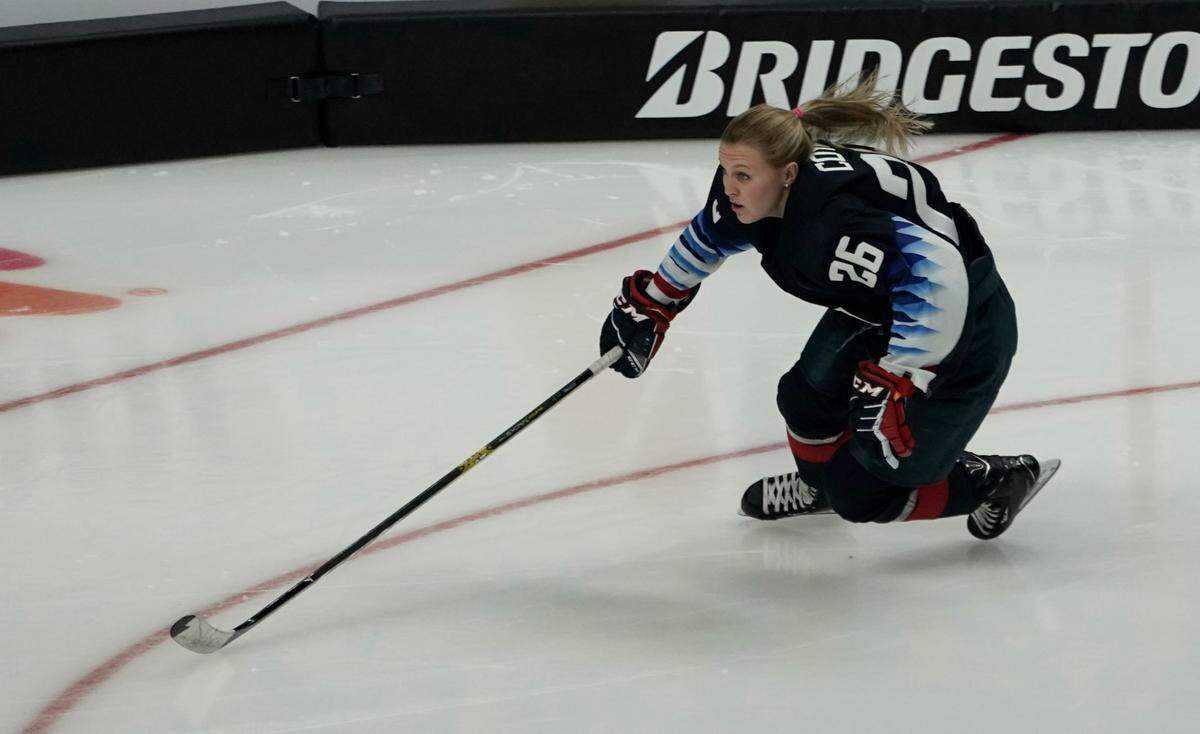
Buoyed by her success at the event, Coyne Schofield joined NBC Sports Network as a guest analyst for their “Wednesday Night Hockey” programming, initially as an in-studio pregame guest, and then with Pierre McGuire rink-side between the Pittsburgh and Tampa Bay benches.
Apparently, McGuire didn’t think a multi-medal-winning Olympic hockey player — who was also a communications major and sideline reporter at Northeastern University in Boston — was well enough equipped to know which side of the ice each team was sitting on. Nor, it appeared, did he give her credit for understanding what a reporter’s job was.
But perhaps the lowest point of her one period next to McGuire was his offer to “be (her) cage tonight,” after she joked about being close to live action without a face cage, which she wears while competing.
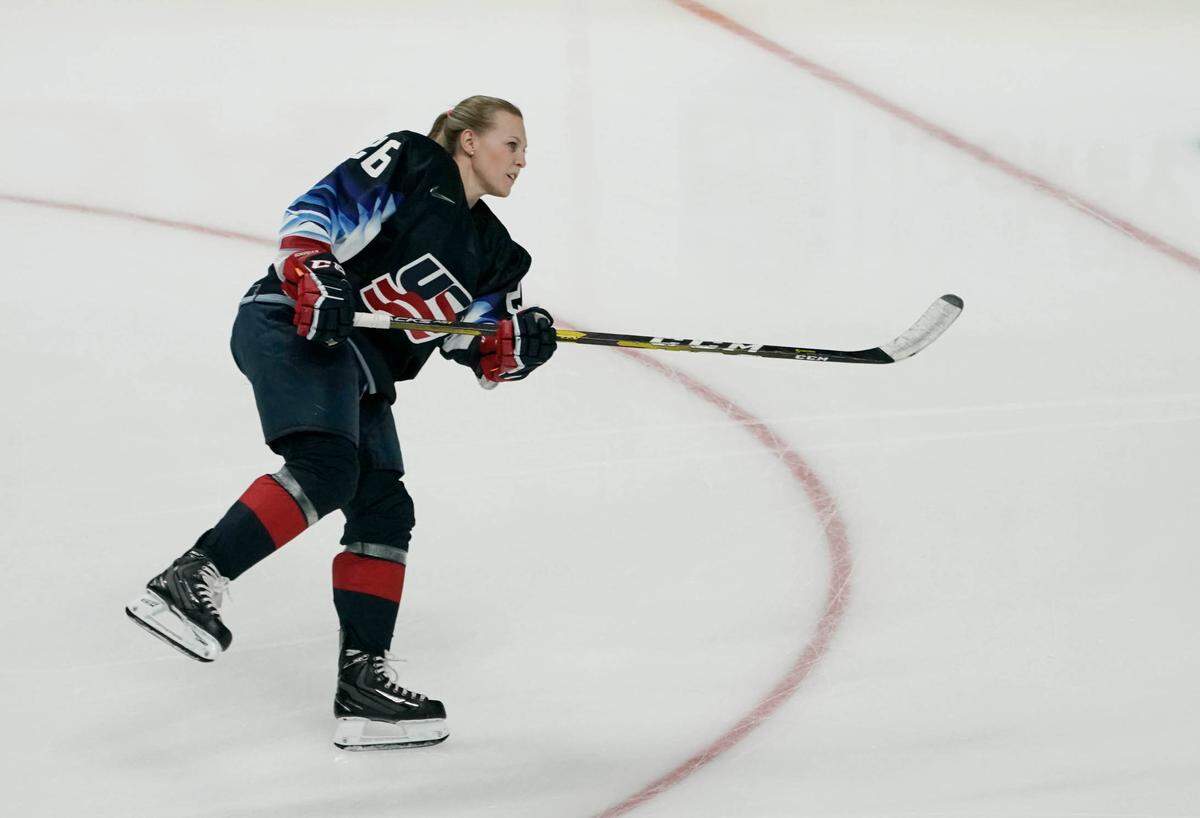
For the second and third periods, in a pre-planned move, Coyne Schofield joined the broadcast team in the booth.
Prior to the game, she told NHL.com that she was “looking at it in the same regard as I just want to be myself, showcase my personality, and prove to the world that women can talk sports, women can talk hockey, and we know the game as well as the men.”
Mission accomplished, despite McGuire’s buffoonery.
It should be noted, McGuire issued a public apology in the aftermath of the broadcast, saying the over-explanation wasn’t his intent, that he was trying to joke around.
But that only further exacerbates the point that the behavior is learned, culturally, over time, mostly innocently, and that the only fix is to remind people that it’s not OK.
Spotlight on the women’s game
Professional women’s hockey has evolved over the years. After many iterations of elite leagues in North America, unofficially beginning with the NWHL in 1999, the PWHL — Professional Women’s Hockey League — is now in its second season.
And Coyne Schofield? Yeah, she’s still in the mix, playing with the Minnesota Frost, one of six inaugural PWHL teams. (The others are the Ottawa Charge, Montreal Victoire, Boston Fleet, New York Sirens and Toronto Sceptres.)
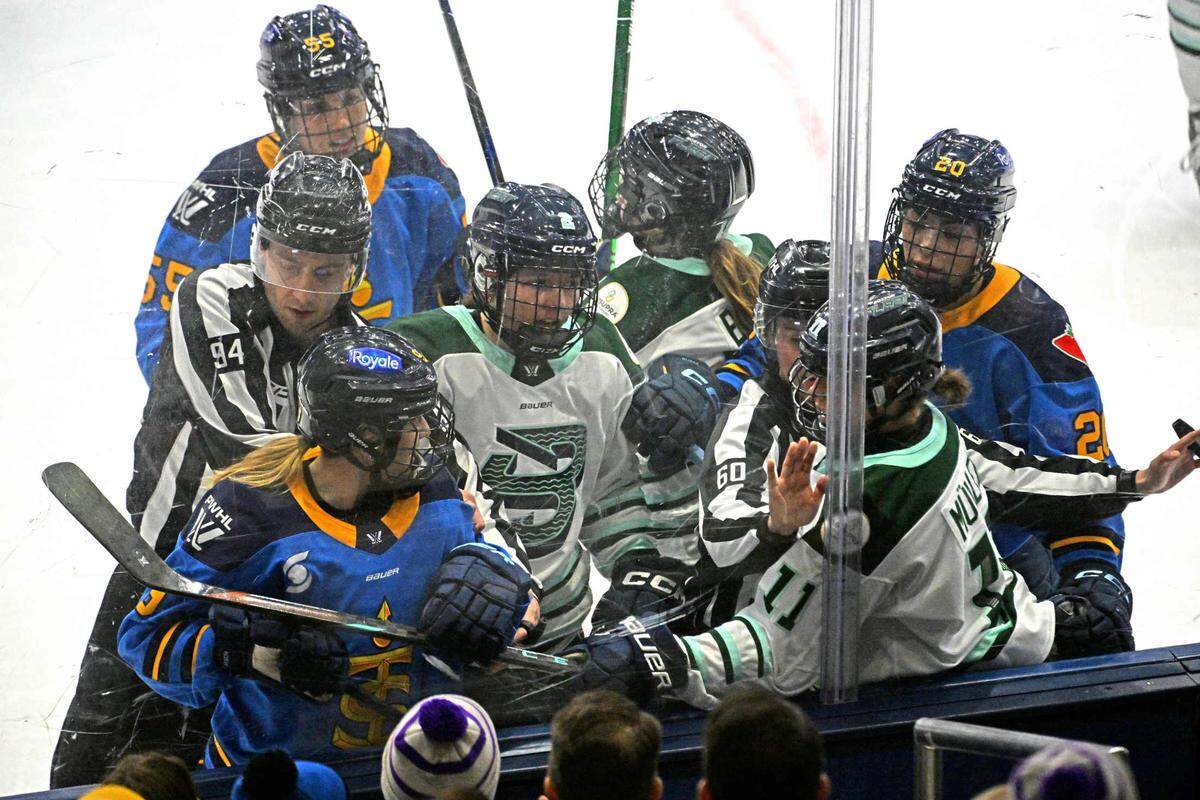
Now the Frost’s captain, Coyne Schofield played on boys’ hockey travel teams early in her youth career, because even in the hockey-rich upper Midwest, advanced opportunities for girls were hard to find.
Coyne Schofield carved her own path, one that took her to a prep school in Massachusetts, and then to Northeastern, and eventually the professional ranks. Along the way, she has scooped up nine gold medals and seven silvers playing for Team USA in various international competitions from U18 to the Olympics and World Championships.
Many of the biggest games in which she’s played, almost always against Canada, have at least temporarily elevated the conversation around women’s professional hockey into the national discourse, most often around the Olympics when a larger audience is given the opportunity to see just how good the players, and the competition, are.
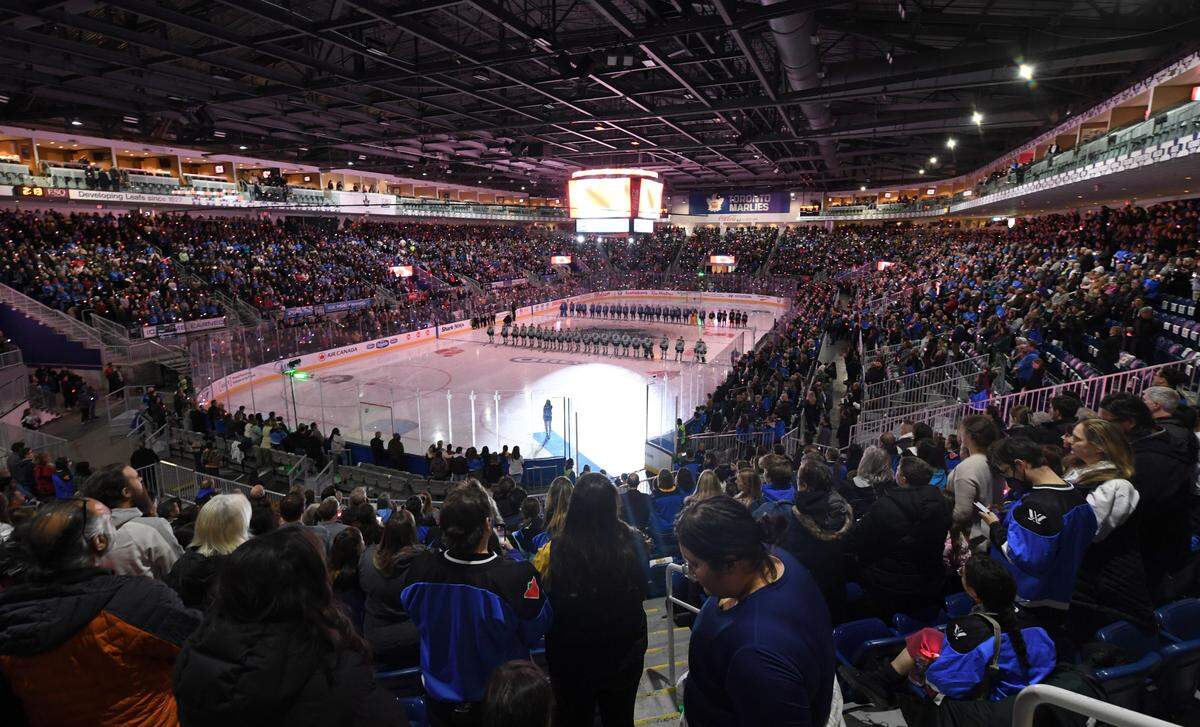
And now the teams of the PWHL are breaking out of their home markets, embarking on what their marketing arm has dubbed the “Takeover Tour,” a series of nine games in nine different North American cities in which there are no professional women’s hockey teams, but where there are or have been NHL teams.
Is the end game league expansion? Perhaps. At the very least, the showcase events will mean even more growth for a sport already on the rise, particularly in North Carolina and the Triangle.
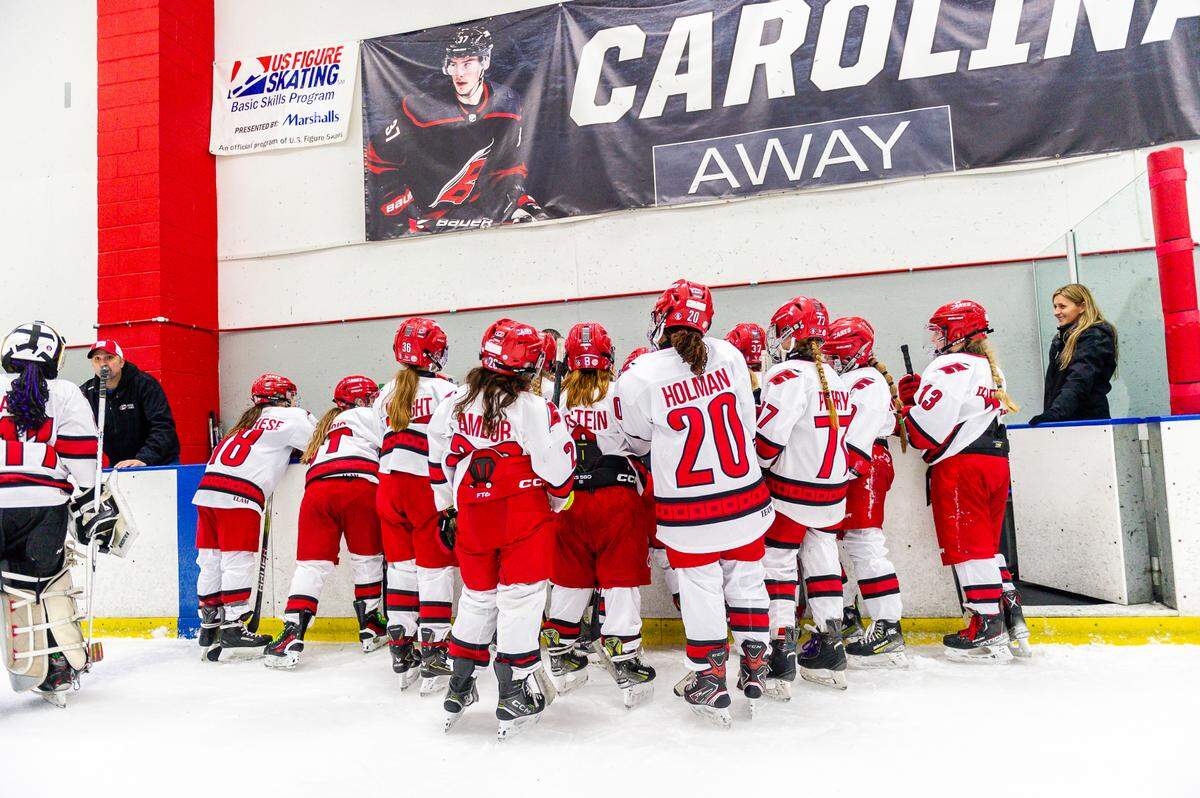
According to USA Hockey, North Carolina counted 436 women and girls registered under its umbrella in 2014. In 2019, that number was 734. In 2024, it was 894, with significant growth in the age groups under 12 years old. According to the most recent data available from USA Hockey and the Junior Canes program, of the 684 registered players under the age of 19, about 200 of them play in the Junior Canes organization, nearly a third the state’s registered girls’ hockey players.
Still more to do
Even as we celebrate the PWHL’s recent success, as the league descends on Raleigh with strong ticket sales and incredible buy-in from the local hockey community, that feeling in the pit of my stomach after Coyne Schofield’s run-in with McGuire, that same feeling from five years prior when questions shifted from hockey to cheerleading … it still comes back way too often.
I know most people aren’t inherently bad. That we automatically assume and proliferate stereotypes is usually an automatic reflex based on years of being influenced by what’s “normal,” or our perception thereof.
For certain, things are much better nearly 50-plus years after the passage of Title IX.
Far better.
And the number of women and girls participating in athletics continues to grow.
According to the Women’s Sports Foundation, in 1971, 1 in 27 girls participated in high school sports. In 2008, that figure was 1 in 2.4. For boys, the figure has remained constant at 1 in 2 for many years, though in 2008, boys’ participation reached 1 in 1.7.
Seventeen years later, the numbers have leveled off, but remain impressive.
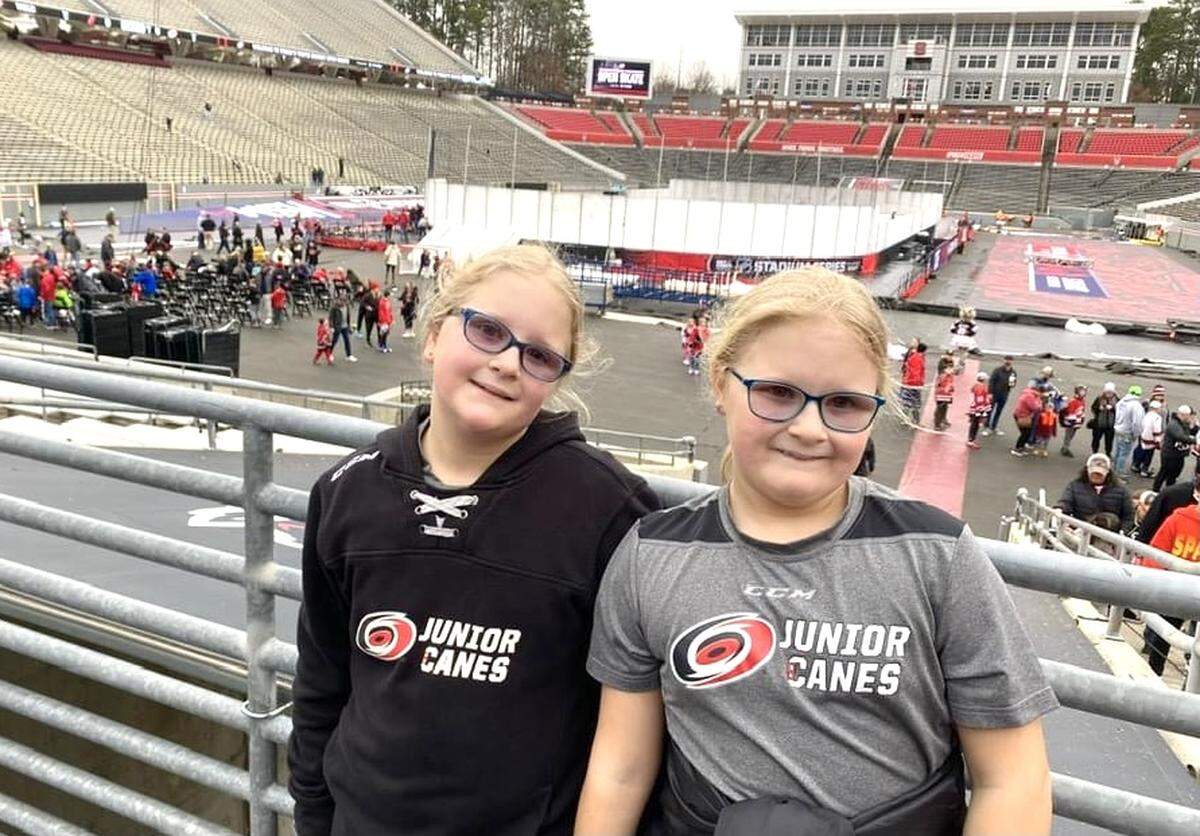
Nearly 11 years ago, one of the strongest women I know — herself a three-sport athlete and three-sport coach — gave birth to two healthy girls.
I am happy to know that my girls have grown up in a world that is far more tolerant of their choice to participate in athletics (or any other endeavor) — regardless of the activity or their gender — than I did, and certainly more so than that in which my parents lived.
But we still have much further to go.
It is my hope that my daughters, as they continue to grow into young women, and the generation of women that follows when they become mothers themselves — if that is their choice — achieve equality, not only in sports, but in all facets of life.
And it’s up to us — all of us — to ensure we continue down that path.
Editor’s note: Parts of this column first appeared in the Sun Journal of Lewiston, Maine, in May 2014, and in the Boston Herald in February 2019. Justin Pelletier is Deputy Regional Sports Editor for McClatchy/Southeast and proud hockey/soccer/basketball/swimming parent of Emma and Erin. Email him at jpelletier@newsobserver.com.
This story was originally published March 6, 2025 at 6:00 AM.