How Canes GM turned ‘disappointment’ into dominance on way to Stanley Cup Final
AI-generated summary reviewed by our newsroom.
- Carolina Hurricanes Eric Tulsky began part-time in 2014 and became GM in May 2024.
- Tulsky made only one 2026 deadline addition, Nicolas Deslauriers, and leaned on analytics.
- Tulsky acquired Miller, signed Ehlers, and claimed Bussi off waivers.
Eric Tulsky has readily admitted being an NHL general manager is something he never initially sought, nor at one time thought possible.
“It would have shocked me,” Tulsky told the News & Observer in 2024, shortly after assuming the role. “A month before I took a job with the Canes (in 2014), I did not even think it was possible I could work in hockey. I was looking for one-off consulting gigs to do on the side because I thought it would be fun. It never really occurred to me that it could really be my job, until it was.”

He started with the Canes as part-time help in a budding analytics department. A year later, he took a full-time gig. Three years after that, in 2018, he survived an ownership change and front-office cleanout, hailed as one of the best parts of the team’s existing structure.
Now, 12 years after Tulsky — an expert in nanotechnology research with a penchant for hockey — officially began his career in the sport he loves, he has crafted a team that has finally crested a hill they’d ascended seven years running, only to roll back down short of reaching the well, pail unfilled:
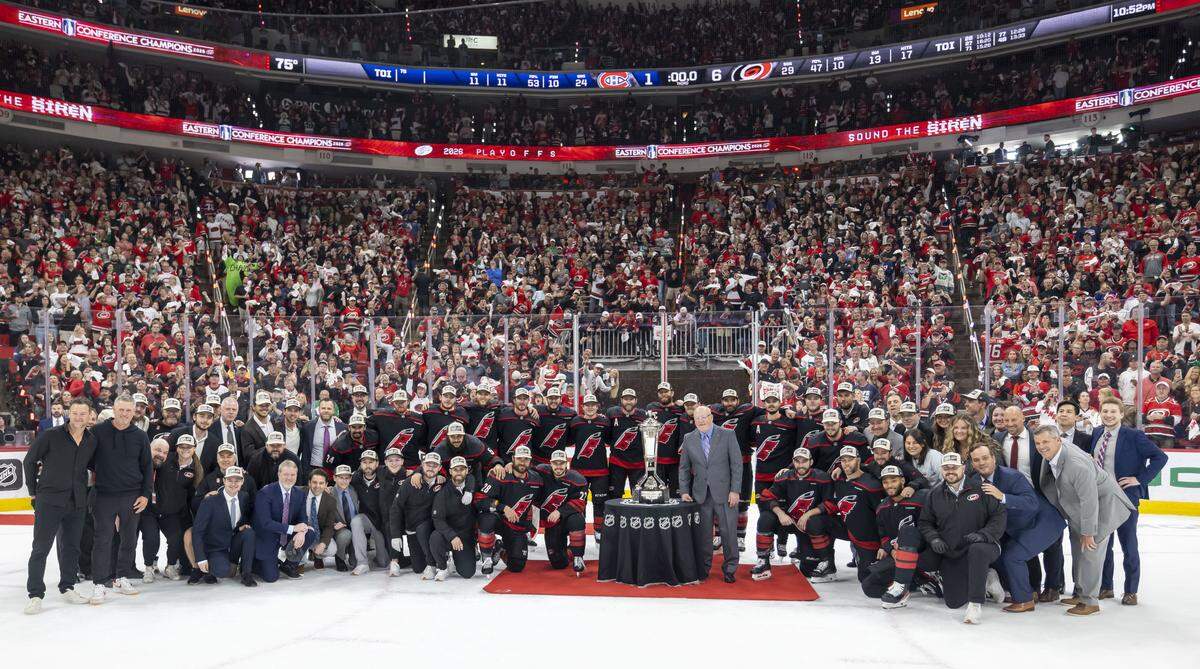
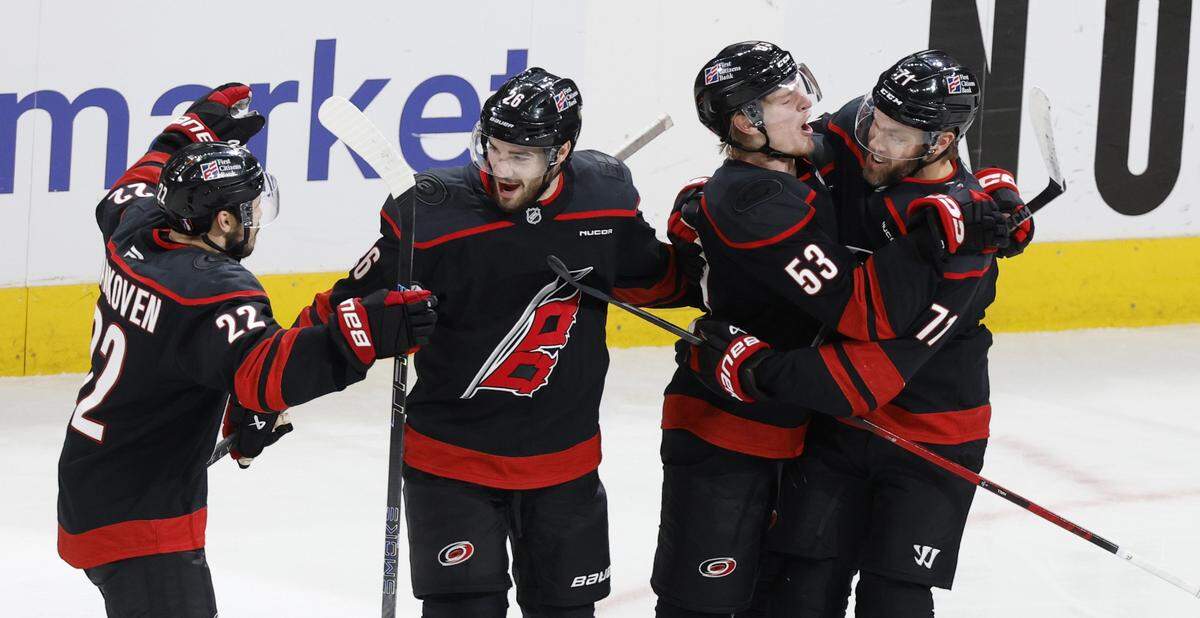
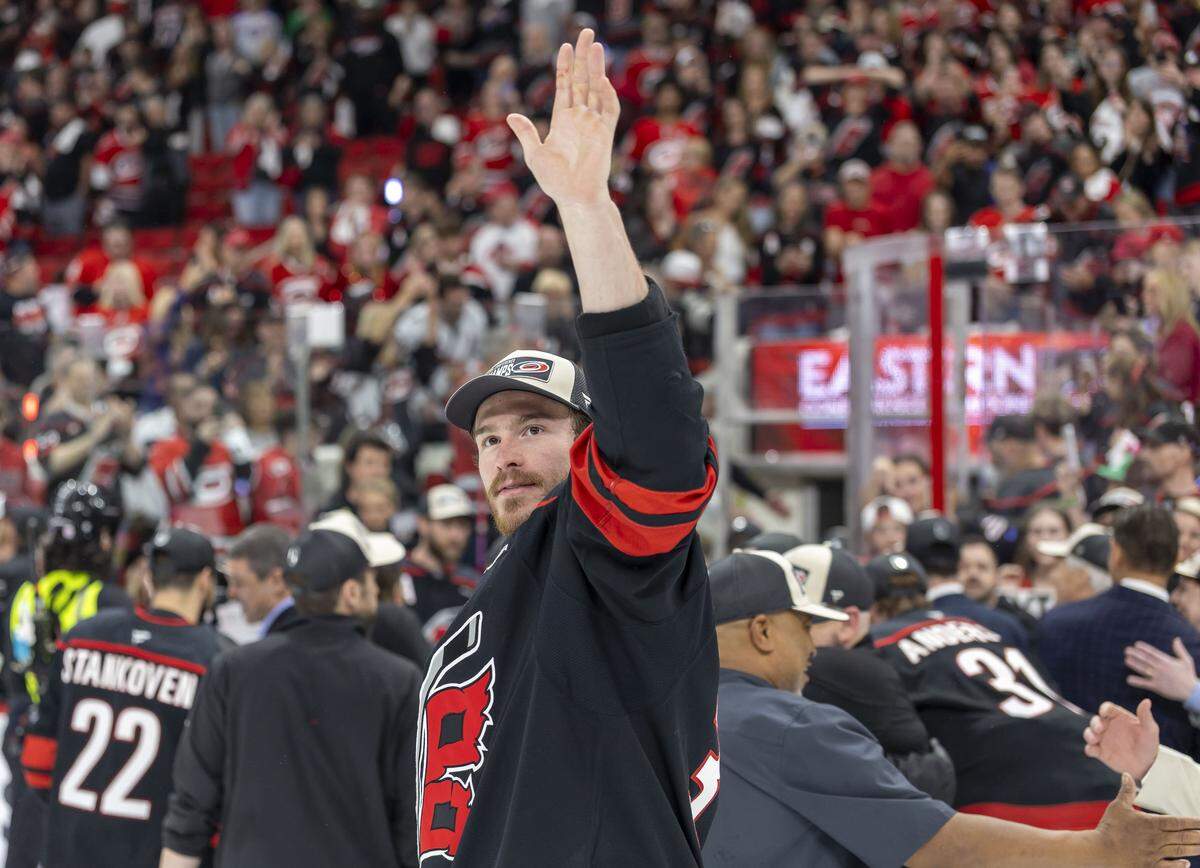
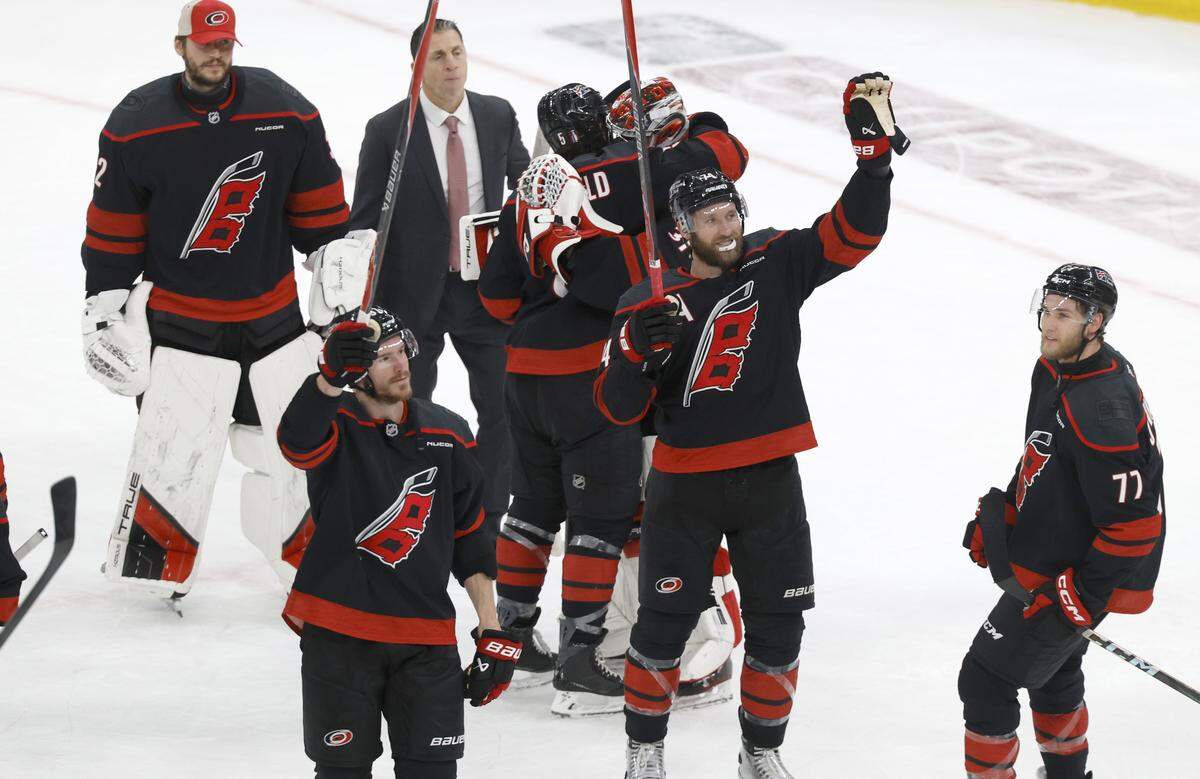
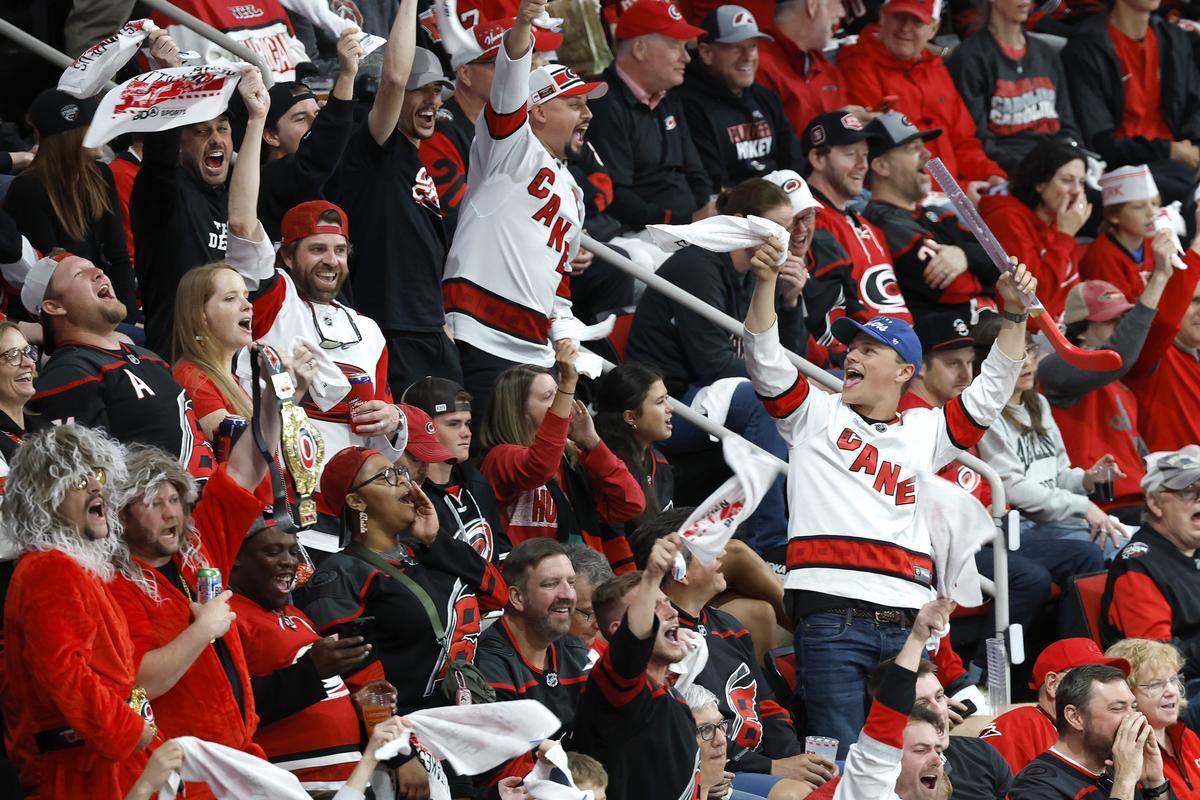
The Hurricanes are going to the Stanley Cup Final.
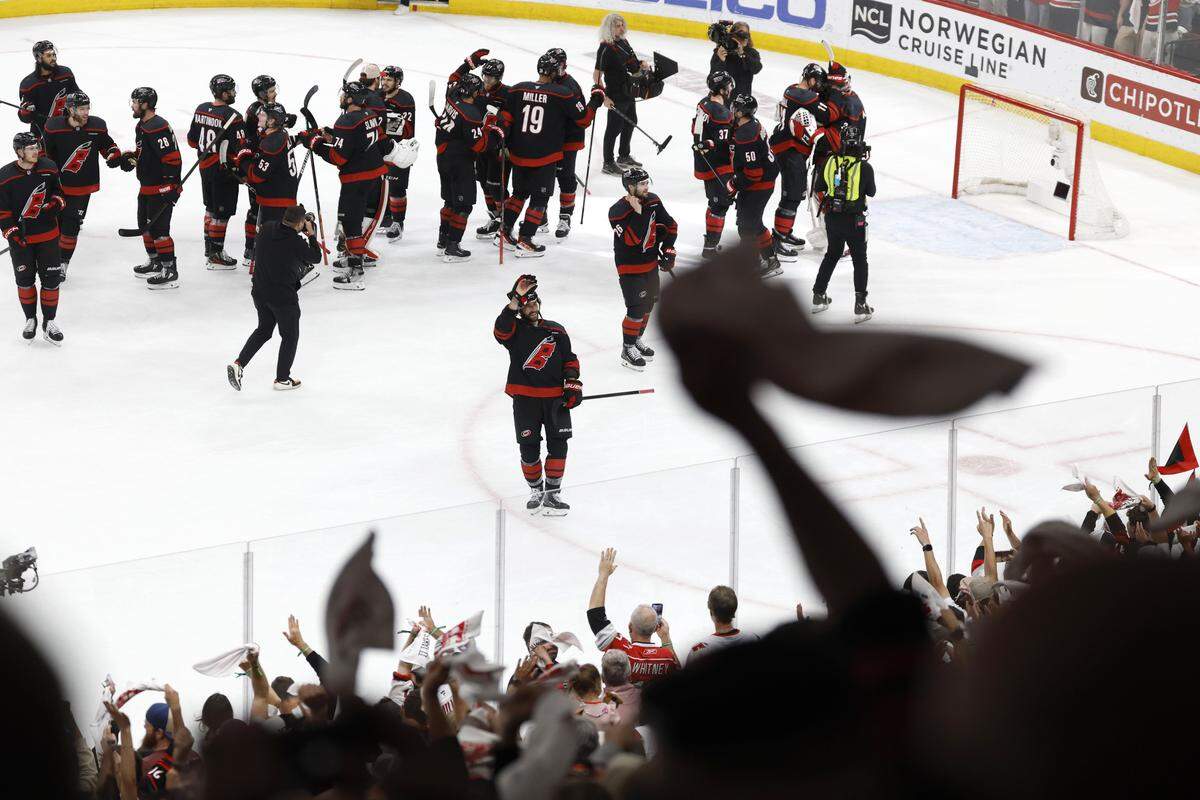
And they’re doing it with a Tulsky-crafted roster pundits and critics have panned all season.
Some of the criticism was friendly fire, too. Fewer than three months ago, after the Hurricanes’ only NHL trade-deadline move was acquiring Nicolas Deslauriers, Canes head coach Rod Brind’Amour said the quiet part out loud.
“I know there’s a lot of disappointment, I’m going to be honest,” Brind’Amour said on March 6. “The players were hoping to see us make a splash. It’s tough.”
“On one side, it would be nice to throw your chips in and see if you could improve your team,” Brind’Amour continued, “but we love the group we have.”
Turns out, so did Tulsky, who ascended to his job after Don Waddell’s abrupt resignation in May 2024 and proceeded to craft a roster based heavily around Brind’Amour’s preferred style of play, and the accompanying analytics that supported player personnel decisions.
Tulsky’s first offseason was busy. Roster departures included defenders Brady Skjei and Brett Pesce, and forwards Jake Guentzel, Teuvo Teravainen and Stefan Noesen. Additions included Eric Robinson, Tyson Jost, Sean Walker, William Carrier, Jack Roslovic and Shayne Gostisbehere.
And then, the first big swing — and the first “Plan A” that turned into arguably a better “Plan B.”
In January 2025, Tulsky acquired superstar forward Mikko Rantanen from the Colorado Avalanche — and Taylor Hall from the Chicago Blackhawks — in a three-team deal that shook the NHL with both its timing and its scope.
Forty-two days later, Tulsky flipped an obviously disgruntled Rantanen to Dallas for a host of draft picks — and Logan Stankoven.
The end result was another trip to the playoffs, another trip to the Eastern Conference Final — and another tough loss to Florida in the NHL’s version of the final four.
But we learned two things through those initial transactions: Tulsky knows his numbers, and he isn’t afraid to swing big when the count and the pitch are right.
We saw that again in his second offseason. He addressed depth on defense in signing Mike Reilly while simultaneously letting two older defenders in Brent Burns and Dmitry Orlov walk in free agency. He’d seen what he needed to see out of the team’s stable of up-and-coming defenders to be confident that was the right move.
And then, the second of the big swings — and the second (reported) “Plan A” that turned into an arguably better “Plan B.”
After reportedly mulling a $12.5 million offer sheet to prized Edmonton defenseman Evan Bouchard — which prompted the Oilers to sign Bouchard to a four-year extension — Tulsky turned around and traded for rising New York Rangers defenseman K’Andre Miller on July 1, promptly signing Miller to an eight-year extension at $7.5 million per year.
Still well under the salary cap, Tulsky wasn’t done. Two days later, he signed one of the best free agents on the market, forward Nikolaj Ehlers, to a six-year deal worth $8.5 million per season.
For $3.5 million more per season than it would have cost for Bouchard, Tulsky added Miller and Ehlers to the Canes’ roster.
That alone was a master class, and worthy of the NHL’s annual Jim Gregory General Manager of the Year Award (despite not even making this year’s top three).
Then, perhaps the waiver-wire steal of the year: Tulsky nabbed Brandon Bussi off waivers from Florida after losing Cayden Primeau the same way. All Bussi did was win 31 games and hold the fort down for most of the regular season.
But Tulsky’s gutsiest move over the past two years? Adding only Deslauriers at the 2026 deadline.
To be fair, it wasn’t for lack of kicking tires. But Tulsky and the Canes’ analytics brain trust didn’t believe that any of the deals made enough sense, given what the team already had on its roster, given the style it plays under Brind’Amour.
So, he stuck to his guns.
Brind’Amour and the coaching staff stuck to their system.
And the Carolina Hurricanes are going to the Stanley Cup Final.
Not bad for a guy who never thought he’d have a career in hockey.

This story was originally published May 29, 2026 at 10:52 PM.