COVID reveals a hard truth: All sports are pro sports
First pitch was at noon under a sun so hot many parents tried to hide in the little shade there was down the baselines. Teams from Mississippi and Massachusetts occupied Field 4 on Wednesday morning at the USA Baseball National Training Complex in Cary, teams full of college- and MLB-bound baseball stars among 14 battling for a 17-and-under national title.
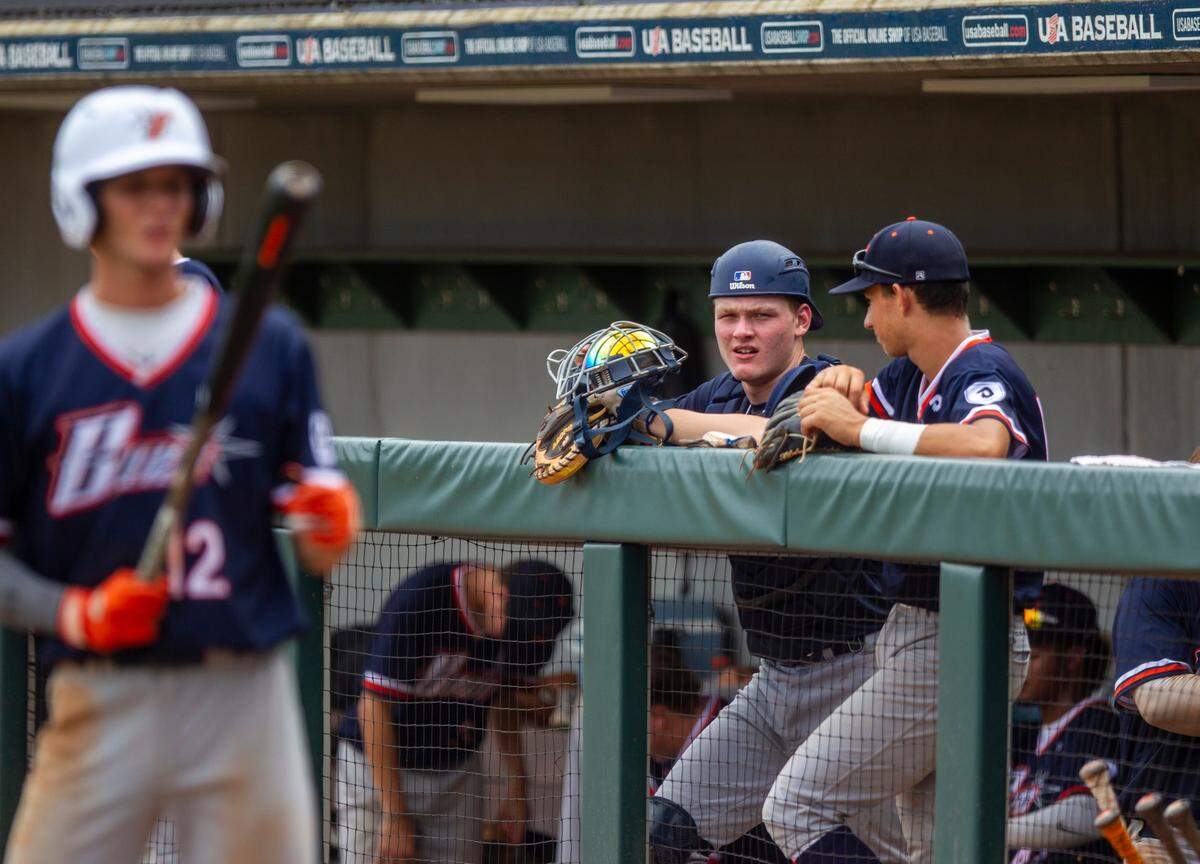
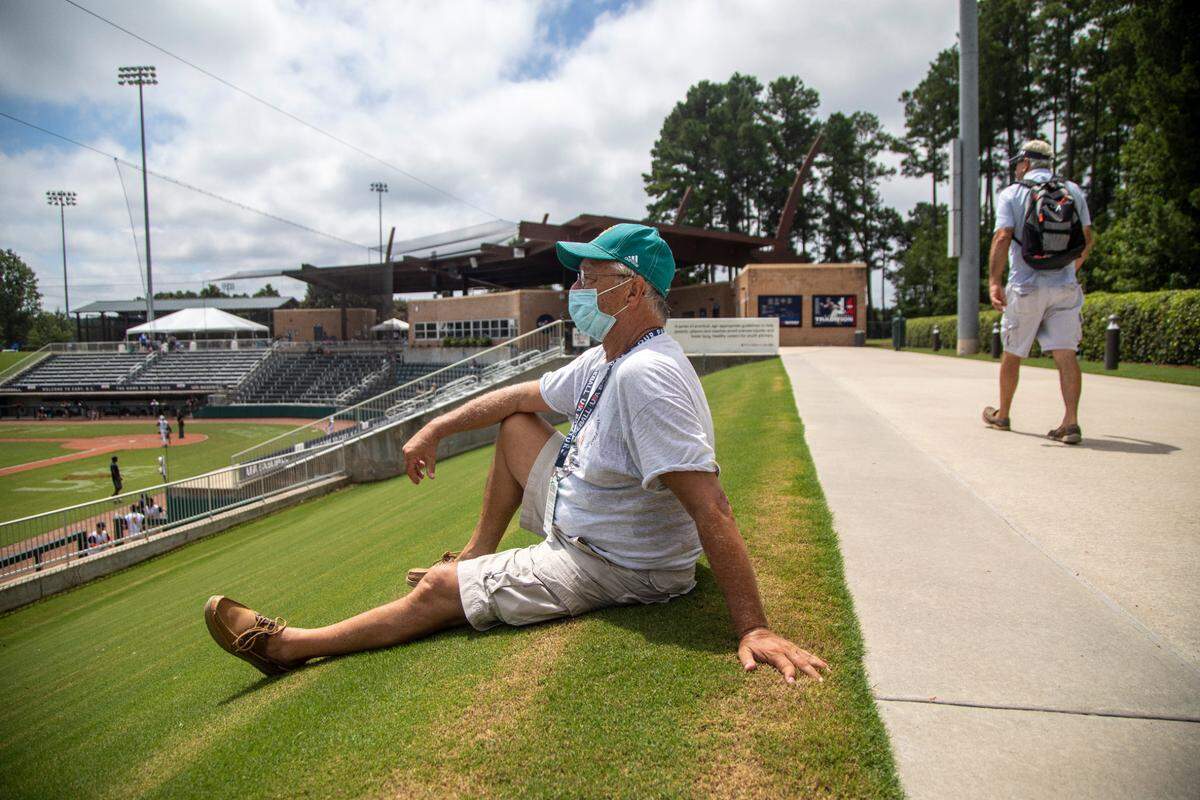
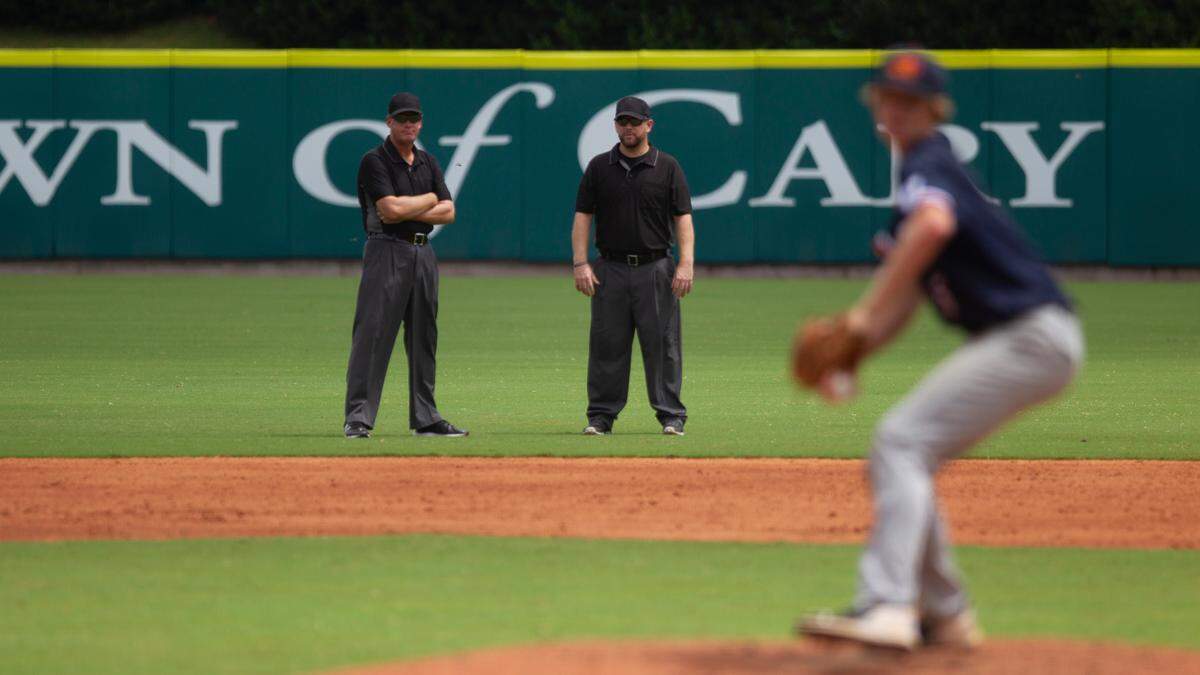
Clustered behind home plate, a dozen scouts had masks on in addition to the de rigueur clipboards and stopwatches, and many of the 50 or so fans spread through the stands had masks on or around their necks, a sign of the times. There were no masks worn on the field by the players, but unlike their major-league counterparts, neither the coaches nor the umpires wore them either.
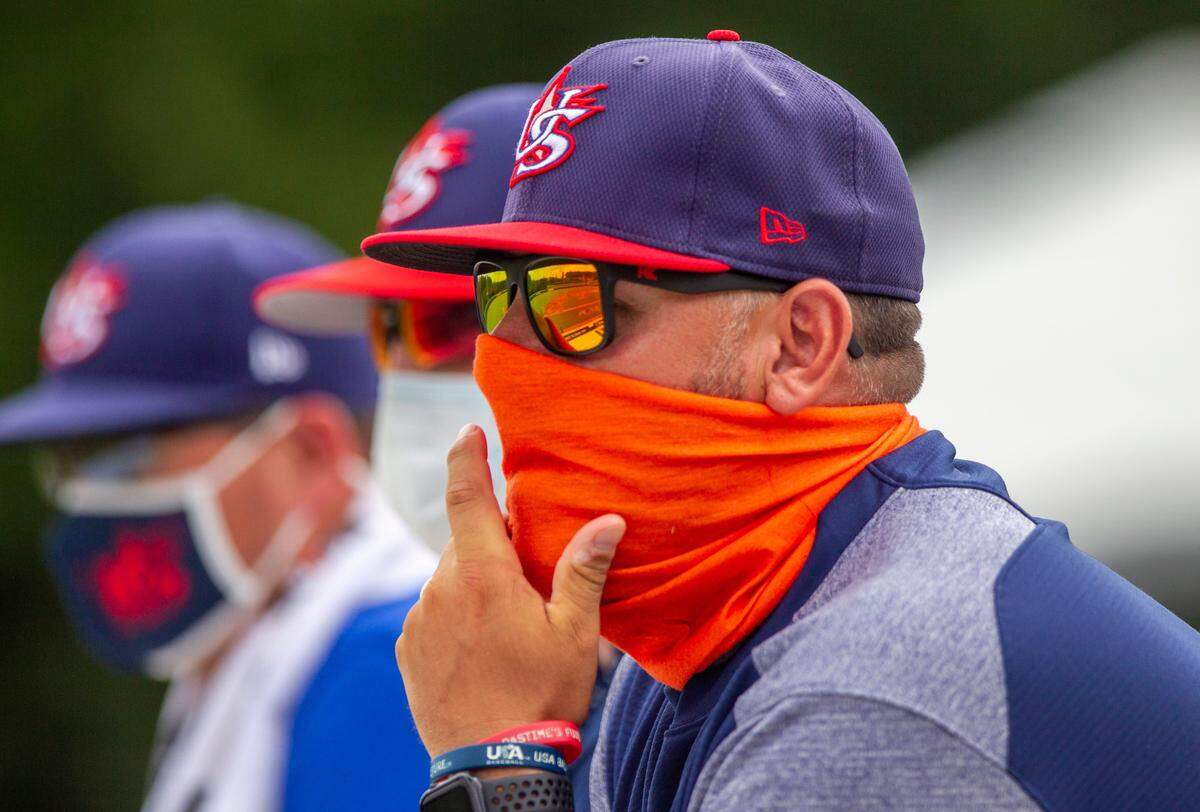
So inside the confines of the warning track, there was nothing at all to indicate these games were being played amid a pandemic. Nor was there any indication in the parking lots, where the plethora of out-of-state plates and rental stickers underlined that these teams were gathering in the Triangle from seven different states — some of which, like New York and New Jersey, require a quarantine upon returning from states hard-hit by COVID-19 … like North Carolina.
It was a vivid example of how even as much of the nation remains shut down, sports — especially at the elite youth levels — have charged back into action without waiting around for COVID-19 to be under control.
“At the very beginning, when the pandemic happened, a lot of experts in youth sports felt like when schools come back, youth sports will come back,” said Jon Solomon, with the Aspen Institute’s Sports & Society Program. “Schools would have to open first to have youth sports. But the narrative totally flipped. Youth sports came back first.”
The USA Baseball event was the first major sports event in the Triangle since everything shut down in mid-March, but it won’t be the last. North Carolina FC will play a home game in Cary on Saturday. There are two more USA Baseball national championships scheduled for next month, in addition to a cross-country festival and several soccer and lacrosse tournaments starting in September. While the NCAA events may not be played — the NCAA could cancel or postpone fall sports other than football as early as next week — youth sports are proceeding full speed ahead.
And these aren’t pro sports leagues with the massive financial resources to create coronavirus bubbles and test athletes with the necessary frequency, but every other level of competition, from college football all the way down to youth baseball and volleyball.
The rush to return amid a pandemic has laid bare the brutal reality that all sports, from Mites on Ice to Little League to high schools to the NCAA to the Olympics to the NBA, are professional sports.
Maybe not for all of the athletes. But for everyone else.
A rush back to action
There’s too much money on the line not to play the games, whether that’s television contracts or participation fees. And while some recreational youth leagues may be able to resume at relatively low danger to participants, coaches and parents, travel leagues inherently have higher risks.
The AAU Junior Olympics are being held as planned this week in Brevard County, Fla., bringing more than 3,000 athletes aged 8-18 and their parents from all over the country to an area of Florida hard hit by COVID-19. The number of cases there has doubled since July 1, Florida Today reported, but organizers are going ahead regardless.
Why?
“It will give us a little bit of a shot in the arm that we need,” one county tourism official told the newspaper.
As for the AAU, it brought in more than $20 million in revenue in the year ending August 2018, its most recent tax filing. And that’s just the national office, which oversees everything from recruiting-oriented basketball leagues to youth championships.
The AAU also went ahead with its volleyball championships in Orlando earlier this month, bringing in more than 300 teams against the recommendations of both the Centers for Disease Control and practitioners of the increasingly obscure dark art of common sense.
There are good arguments for restarting youth sports, with a wide range of benefits from getting kids out of the house to physical and mental health. But Zachary Binney, an epidemiologist at Oxford College of Emory University, told a Marist College online seminar that it’s important to mitigate risk.
“If you’re thinking of getting your kids back into a sport, ask three questions,” Binney said. “One, is it indoors or outdoors? Outdoors is better. Two, how many people are involved? Fewer is better. Three, is there contact? Less is better.”
The Aspen Institute surveyed youth-sports parents in June and found that only 44 percent were comfortable with travel sports, down from 52 percent in May, while more than 60 percent were concerned their child will get sick by returning to sports now. Youth sports programs have been tied to COVID-19 outbreaks in St. Louis and Philadelphia.
Despite that, participation at elite levels remains high, in part because even parents with health concerns are worried about their children falling behind in the recruiting race.
“Youth sports are dictated to some degree by parents,” said Gary Buete, the CEO of Triangle soccer giant North Carolina FC Youth. ”They are customers and they want that.”
Many travel teams — especially at elite levels where college scholarships and even pro draft status is on the line — have essentially operated as if there’s no pandemic at all. Over the next week, there are multi-team baseball tournaments scheduled in Bolivia, Burlington, Charlotte, Durham, Clemmons, Fayetteville, Goldsboro, Greensboro and High Point.
“What really has come back heavily is the travel sport industry,” the Aspen Institute’s Solomon said. “It’s a major commercialized industry, a $19 billion industry in the United States. A lot of people have livelihoods at stake, mortgages at stake, and want to come back and play these games — coaches, tournament directors, administrators. There was a rush to come back too soon, in my opinion, in travel sports.
“So you’re mingling people from different communities, bringing people from different states, different regions of the country to these large gatherings, and even if they have what they believe are appropriate guidelines, they can’t enforce it. And then you’re bringing all of these people into your community, into hotels and restaurants.”
Under normal circumstances, that’s the point: Communities like the Triangle compete heavily to attract youth sports tournaments because of the visitor spending they generate. In the Triangle, where current state guidelines allow non-contact sports like baseball but not contact sports like soccer, the Greater Raleigh Sports Alliance had 63 events canceled since March, with an estimated economic impact of more than $37 million and more than 65,000 hotel room nights unused.
But during a pandemic, those same visitors can become vectors of infection from outside the community.
Reliance on fan spending
In the case of pro sports and even college sports, the economic engine does its work in plain view as billions of dollars cycle through the system, coming in via TV rights fees, sponsorships and ticket sales and going out as salaries and facilities construction and other expenses, in addition to all the ancillary money spent on bars and restaurants and hotels. Some college towns rely heavily on the influx of fan dollars from five or six home football games
.
Oklahoma State coach Mike Gundy was rightfully scolded after he said earlier this summer that college football needed to push ahead with the season to “run money through the state of Oklahoma,” and while his willingness to sacrifice players’ health for the economy may have been grotesque, he wasn’t wrong about the money. Of course, people in college athletics aren’t actually supposed to come out and say that.
The Olympic movement long ago cast aside the veil of amateurism that college sports still hides behind, a Victorian relic from the days when wealthy British sportsmen wanted to segregate themselves from working-class athletes who needed a paycheck to play. Whatever vestiges still lingered went out the door with the Dream Team. Usain Bolt is no less popular as a multimillionaire than he would be if he were only reimbursed for his expenses.
The NCAA still tries to make that argument even as athletic directors, coaches and even strength coaches collect seven-figure salaries. College sports are awash in money for everyone but the players.
The numbers can be just as big in youth sports, where the salaries aren’t as big but the sheer numbers of participants add up. In the Triangle, NCFC Youth — the result of a 2017 merger of Capital Area Soccer League and Triangle Futbol Club Alliance — had over $12 million in revenue in the year ending July 31, 2018.
More than $10 million of that came from the most basic source possible: registration fees from about 14,000 players. It goes out in the form of coaches’ salaries, equipment and field rental fees, again not including the money spent in hotels and restaurants along the way.
“We have 65 full-time employees and another 200 employees that rely on wages to survive and live,” Buete, the NCFC Youth CEO, said. “It’s very real, like any business that doesn’t have income.”
NCFC Youth resumed small-group practices in June with seven pages of strict safety protocols, following the state’s Phase 2 guidelines and is hoping to return to full-team training in August with actual games beginning in September. Elite players have committed to return at about a 90 percent rate, Buete said, but only about 5,000 players took part in the summer practices and he’s expecting a 30 percent drop-off in recreational players.
One of NCFC Youth’s biggest events is a four-week series of fall tournaments, often coordinated with NCAA College Cup championships held at WakeMed Soccer Park. (This year, the Women’s College Cup is scheduled for Cary in December.) Those tournaments typically bring in more than 1,600 teams from 35 states and multiple countries.
“We lose that, it’s going to be tough,” Buete said. “We’ll have to make some adjustments.”
High schools face conundrum
Leagues for older players have plunged ahead as well. The Coastal Plain League — a wooden-bat league for college players in Georgia, North Carolina, South Carolina and Virginia — started play last month without seven of its 15 teams, with the Holly Springs Salamanders among the dropouts.
“Given the strong desire by collegiate baseball players to exhibit their skills against top flight competition in front of professional scouts and Trackman monitoring, we expect outstanding competition and performance levels this summer,” a league statement read
.
Now high school sports are dealing with the same conundrum, especially in North Carolina where state guidelines have restricted in-person instruction while leaving the option to go fully online up to individual districts. The NCHSAA voted to push back the start of fall sports in North Carolina from August 1 to September 1, but even that remains an interim step, NCHSAA commissioner Que Tucker has acknowledged. For now, the closest coaches get to their teams are Zoom meetings.
Some states, like California and New Mexico, have canceled fall sports entirely. Others, like Alabama, are proceeding with high school athletics even in places where school will begin with entirely online instruction. Texas has postponed athletics in its largest classifications — in its hardest-hit urban areas — while allowing sports to proceed in more rural areas. Illinois has moved football, soccer and volleyball to the spring but will allow golf, tennis, cross country and swimming to proceed.
There are myriad considerations that go into these decisions, from recruiting opportunities to mental health, but finances are still a big part of it, specifically when it comes to football.
“Especially for those schools where football is the breadwinner, having no source of income for the regular season is problematic,” Tucker said earlier this summer.
And that isn’t greed: That’s the absolute and unchangeable reality of high-school athletics. The ticket and sponsorship revenue football generates is the foundation upon which the entire enterprise is built. There’s no TV revenue to soften the blow. Without it — and playing football in empty stadiums does not alleviate the problem — there just isn’t enough money to go around in school districts whose overall budgets have already been slashed to capacity.
High school football players don’t get paid, but they sustain an economy built on their efforts all the same. If the pandemic has taught us anything, it’s that so-called amateur sports are anything but.
This story was originally published July 31, 2020 at 11:23 AM.