
Bill would subject Uber, Lyft to NC rules – but not RDU fees
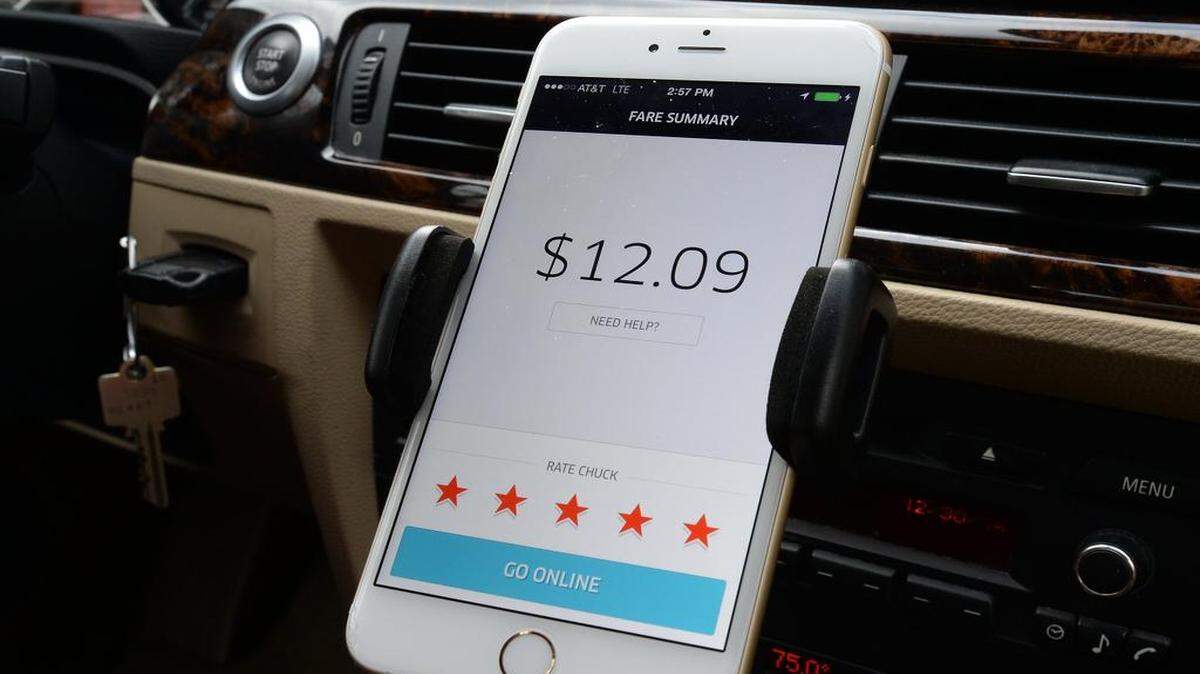
Raleigh-Durham International Airport has been aggressive over the past year in efforts to make Lyft and Uber drivers pay fees and obey curbside traffic rules, and airport officials don’t want the state to take away their enforcement powers.
The General Assembly is considering legislation to establish state standards for smartphone-based personal transportation services and to prevent cities and airports from adding their own rules.
Mike Landguth, the RDU Airport CEO, says he likes proposals in Senate Bill 541 to require state for-hire licenses, liability insurance and criminal background checks for these drivers.
But he says a provision to block local city and airport regulation could also, inadvertently, take away RDU’s power to collect fees and enforce rules for taxis, car-rental shuttles and other commercial vehicles that drop off and pick up airport travelers.
“We control the curb so it’s got some order to it,” Landguth said. “We’ve got a lot of buses, a lot of cars, a lot of people dropping people off. And you can imagine what would happen if we can’t regulate anybody.”
When RDU receives federal grants, it pledges not to apply different requirements to similar businesses, he said. If the airport can’t make an Uber driver pay a fee and park only at a designated spot on the curb, it might lose its power to enforce such requirements for other commercial vehicles.
“The government has told us you can’t discriminate against one or the other,” Landguth said. “You should treat everybody the same if they’re in similar categories.”
Drivers ticketed
RDU police have issued about 800 tickets for trespassing to Uber and Lyft drivers over the past year, an airport spokeswoman said. Sometimes the drivers are threatened with arrest.
So far, 38 drivers for the two companies have capitulated, registering with RDU as transportation network company drivers. They get permits required by state law and put “vehicle for hire” tags on their cars. They pay RDU a $125 annual fee and another $50 for a transponder that reports their movements. For every trip they make to the airport, RDU collects $1.50.
Driver Stephen Lorick registered with RDU after officers there slapped him with two tickets for trespassing, at a cost of $50 apiece.
“With the airport, it works out pretty good,” said Lorick, 53, of Raleigh. “I just wish that the Uber company and the RDU Authority would work something out where I wouldn’t have to pay all these fees out of my pocket. But I still prefer that to getting threatened by the RDU police.”
Uber driver Karen Hommema quit paying the RDU fees.
“I figure I can make more money just not going to the airport,” said Hommema, 47, of Raleigh. “It’s not worth their extortion fees. Uber is great, but the airport needs to just leave it be. I don’t think they should be able to extort anybody any more. Anybody should be able to pick up and drop off at the airport.”
An Uber spokesman said the company is willing to work with airports but supports the Senate proposal to prevent local towns and airports from adopting their own fees and regulations. Sen. Bill Rabon, a Republican from Brunswick County, is lead sponsor of the legislature’s first attempt to regulate businesses known as transportation network companies, which use smartphone applications to link drivers with passengers.
Uber favors state control
“It takes the right approach,” Uber spokesman Taylor Bennett said. “The important part is having a consistent and uniform set of rules across the state, as opposed to doing it on an individual basis in each city. … What this bill does is take that proper step in recognizing transportation network companies as a new transportation option.”
Lyft did not respond to a request for comment. Both companies are based in San Francisco.
Landguth said his counterparts at airports in Asheville and Wilmington share his qualms about Rabon’s bill. RDU receives only $50,000 a year in tax money from its four local government owners – Raleigh, Durham, and Wake and Durham counties – and covers its operating costs by collecting fees from airlines and other businesses.
Last week in Charlotte, city administrators and council members said the Senate legislation could complicate the city’s efforts to address consumer issues surrounding Uber and Lyft, which began operating in North Carolina cities last year.
Hommema said she’s OK with state regulation, but not with RDU’s rules and fees.
“I don’t have any problem with the state wanting us to have commercial tags,” Hommema said. “That’s understandable. I don’t have any problem with the state wanting us to have liability insurance. But to have to pay for a permit and get charged every time you go through the airport, no. I’m not going to do that any more.”
This story was originally published April 23, 2015 at 5:29 PM with the headline "Bill would subject Uber, Lyft to NC rules – but not RDU fees."