
NC Senate eyes mussels for cleaning Jordan, Falls lakes
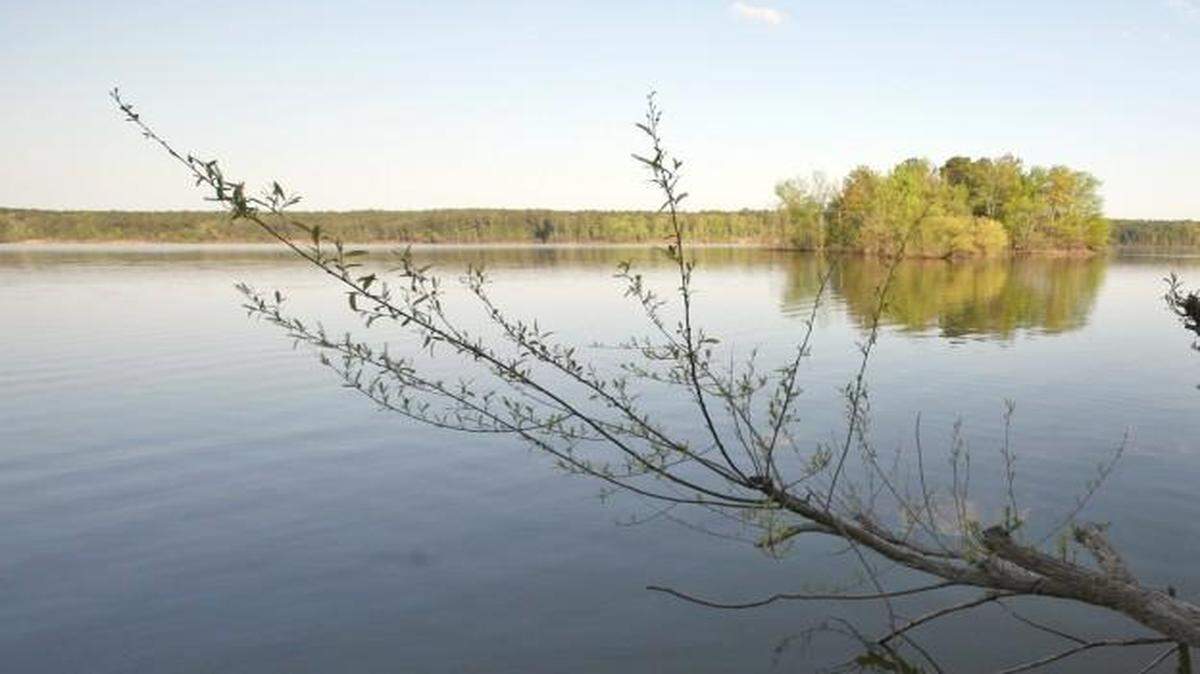
The state Senate might introduce a freshwater mussel species into Jordan and Falls lakes to reduce algae and clean the water.
The state Senate budget proposal that passed a second reading on Thursday earmarks $500,000 from the Clean Water Management Trust Fund to study whether certain mussels can effectively clean Jordan and Falls lakes, which provide drinking water to hundreds of thousands of Triangle residents.
The mussel study is one of several proposals in the Senate budget that environmentalists said would be detrimental to water bodies across North Carolina.
“This should be a concern for all in Wake County because it affects all of our water,” said Karen Rindge, executive director of WakeUP Wake County.
While a Stanford University study found that freshwater mussels can clean chemicals from some waterways, it’s unclear how they would work on algae in stagnant water.
Michael Mallin, a research professor of marine and estuarine ecology at UNC-Wilmington, said he doubted that introducing mussels into the lakes would clean the water. In stagnant lake waters, he said, the mussels could further harm the water.
“The nutrients in the algae: the mussels are going to excrete a lot of it – ammonia and phosphorus – back into the water,” Mallin said.
Among other moves, the Senate proposal would delay until 2020 stringent development restrictions – known as the Jordan Lake Rules – on upstream communities like Greensboro that the then-Democrat-led General Assembly approved in 2009. In the meantime, the Senate proposal instructs state authorities to come up with alternative in-lake methods for cleaning water.
It also would repeal requirements for riparian buffers along rivers statewide, including the Neuse. Riparian buffers are the strips of natural land next to waterways that filter out pollutants before they reach the water.
The mussel idea comes less than a month after the state Department of Environmental Quality announced that it would remove the controversial water-churning devices known as SolarBees from Jordan Lake because they aren’t working.
“While creative, proposing the use of mussels to clean up Jordan Lake is possibly the only idea bad enough to make SolarBee water mixers sound plausible,” said Dustin Chicurel-Bayard, communications director of the N.C. Sierra Club.
“Why is the Senate putting major policy issues into the budget, once again?” he said. “The Senate budget will eliminate protections for waterways owned by all of us – all while end-running the normal legislative process.”
The state House of Representatives must vote to approve the proposal, and Gov. Pat McCrory must sign it before it becomes law. Chicurel-Bayard said environmentalists are turning to the House to protect North Carolina’s water with science-based solutions.
Republicans in the Senate on Thursday aimed to use science against proponents of upstream restrictions.
Sen. Trudy Wade, a Guilford County Republican, quoted the Army Corps of Engineers in claiming Jordan Lake would always be impaired. In that vein, Sen. Rick Gunn suggested the Jordan Lake Rules were too harsh on his constituents.
“To sit here and want to put all this on the upstream communities is asinine,” said Gunn, an Alamance County Republican.
Senate Democrats, meanwhile, called the proposal unnecessary.
“It’s bad science. It’s bad policy,” said Sen. Mike Woodard of Durham County. “And it’s a waste of money to the taxpayers.”
Paul A. Specht: 919-829-4870, @AndySpecht
This story was originally published June 2, 2016 at 6:11 PM with the headline "NC Senate eyes mussels for cleaning Jordan, Falls lakes."