‘Influx’ of dead fish washes up on North Carolina beaches. Here’s what we know
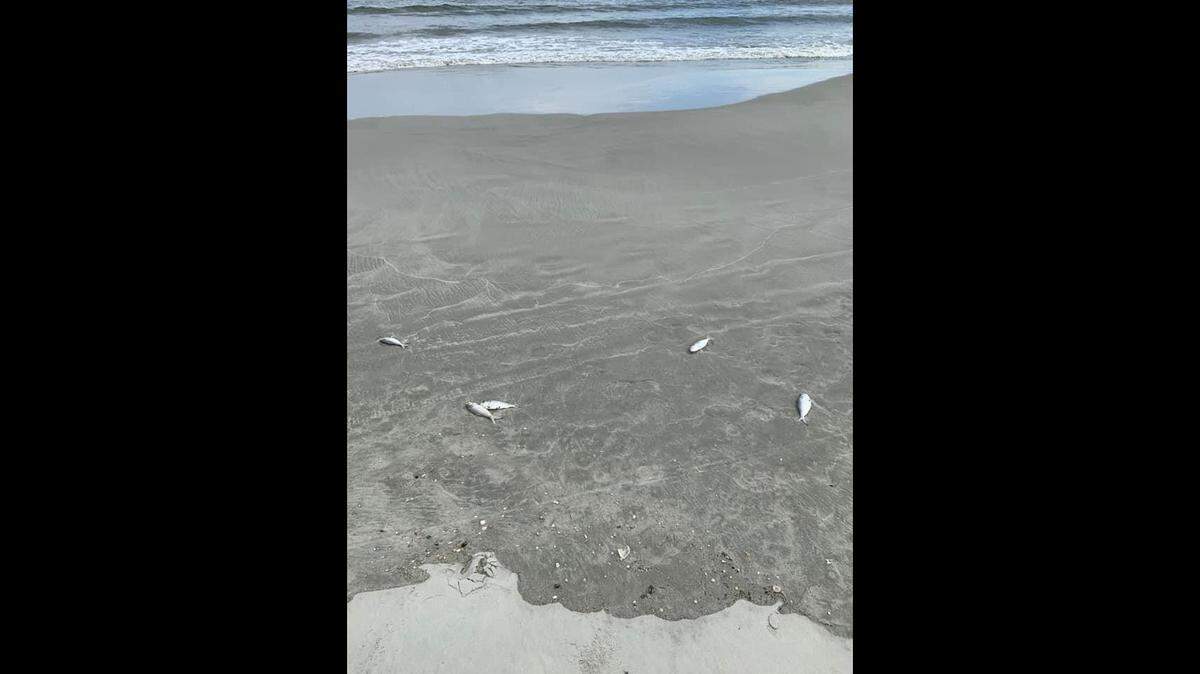
An “influx” of dead fish washed onto the shore, sparking a mystery in North Carolina.
Dozens of menhaden fish were spotted on the sands of Ocean Isle Beach and Sunset Beach, officials announced this week.
In Sunset Beach, which is near the South Carolina border, officials posted photos showing at least five of the aquatic animals resting along its coastline. The town’s fire department said it talked to the N.C. Division of Marine Fisheries and didn’t know of any dangers in the area.
Nearby, Ocean Isle Beach reported an “influx of dead fish.”
“At this time, we have not received any conclusive information as to what is causing the occurrence,” Ocean Isle Beach officials wrote Friday. “Town Staff is working diligently to remove the fish from the strand.”
Environment officials say the fish in Ocean Isle Beach were menhaden, a species found along the Atlantic coast. Menhaden can grow up to 15 inches long and weigh 1 pound and are harvested as ingredients for fertilizers and animal feed as well as bait for fisheries, according to National Oceanic and Atmospheric Administration Fisheries.
It’s not known how they ended up on shore, Patricia Smith, spokesperson for the Division of Marine Fisheries, told McClatchy News in an email Friday.
“There were no lesions or markings on the fish that would indicate a water quality problem, and algal blooms in the ocean are very uncommon,” Smith wrote. “The fact that only one species was observed suggests that depletion of dissolved oxygen or presence of toxic compounds were not the cause.”
But there are other theories about what happened to the fish.
Fishermen could have unintentionally caught the fish and released them before tides and wind brought them to shore, Smith said. An underwater predator also could have led them to the same fate.
The Division of Marine Fisheries took fish samples for biologists to examine. The department didn’t go to Sunset Beach, according to Smith.
It’s not the first time menhaden have been found on North Carolina’s shores.
In October, an advocacy group estimated more than 144,000 fish were part of a so-called fish kill in Blounts Bay. Months earlier, several were discovered along the Neuse River, McClatchy News reported.
Officials at the time said they were investigating the fish, which had lesions on their bodies.
This story was originally published September 11, 2020 at 3:39 PM.