
Give us the tools, and we will save lives
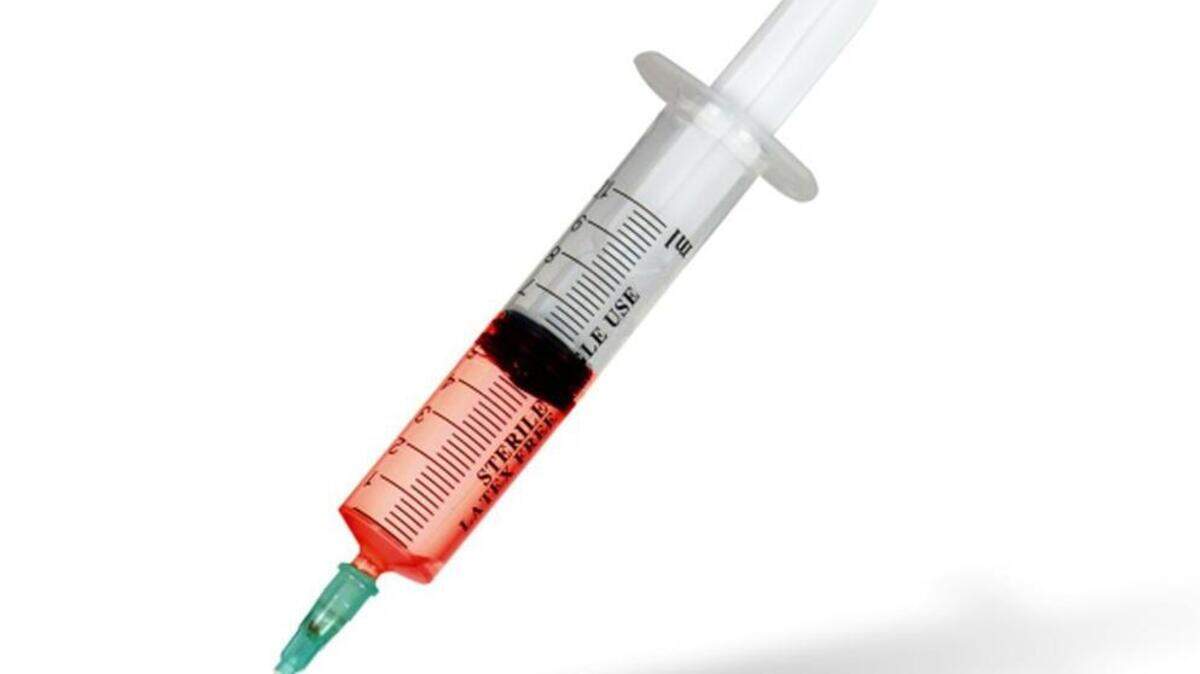
There is no greater public health crisis in America today than the rising epidemic of heroin and prescription drugs. It threatens old and young, rural America and inner-cities, the poor and the rich, and future generations if we do nothing.
The staggering rise in deaths is the reason Project Lazarus began and why we remain steadfast in the fight to reduce overdose and the stigma surrounding addiction and recovery.
Almost as many Americans die now from opioid abuse as do from car accidents and firearms. And North Carolina is not immune, with skyrocketing heroin use and an overdose rate above the national average.
That’s the bad news. The good news is we know what to do next. Project Lazarus and North Carolina’s Harm Reduction Coalition have already saved the lives of thousands through an overdose-stopping drug called naloxone. And America is taking notice.
Recently, Congress finally passed The Comprehensive Addiction and Recovery Act and President Obama signed the law. CARA encourages state programs for opioid education, addiction treatment and to increase access to naloxone; similar to ideas we’ve been expanding in North Carolina since the formation of Project Lazarus in 2008.
CARA protects first responders from liability when saving someone’s life from an overdose, and it increases their access to naloxone. CARA also encourages co-prescription of naloxone to patients who may be at risk of an overdose and opens the door for the prescription of naloxone to third-party family members and personal caregivers, who are best positioned to save someone’s life from an overdose.
America’s governors also understand the stakes, and North Carolina’s governor has rightly joined 45 of his colleagues in signing onto a compact with the National Governors Association that develops prescription guidelines, requires that prescribers receive training on pain management and addiction and integrates their records into programs that monitor prescription drug abuse. The compact also calls for all naloxone devices to be readily covered by Medicaid.
President Obama signing CARA is cause for celebration because we’ll be closer than ever before to solving the opioid epidemic in America. But we still need help because we need funding. The real test of CARA will be whether Congress allocates the resources this public-health crisis requires.
Naloxone is expensive, costing $100 to $400 for two doses.
The White House has pledged over a billion dollars to the opioid crisis, but it’s ultimately up to Congress. CARA is full of good ideas but not the money to implement them, and House Republicans promise to appropriate $581 million in September after the recess, but that’s uncertain and too far off.
In any given week, hundreds of Americans will die from an opioid related overdose. And the current level of the disease of addiction in the United States is unsustainable because it fuels a cycle of unemployment, criminal charges, jail time and unemployment.
Those victims are Democrats and Republicans. They’re working-class adults dying early from economic despair, and young Americans whose lives are ruined because of criminal records and crippling addiction. This is a nonpartisan issue, and we know the way out, if we’re willing to spend the money.
CARA is a much needed first step in addressing the opioid epidemic. And America’s governors are developing the ideas to turn things around. But this ought to be the issue of the election.
More than immigration, or terrorism, or climate change, it will be our response to substance abuse that defines our country for years to come. People are dying today, people will die tomorrow, and we can start saving them, if we’d only stop waiting.
Congress is home now on recess and it’s up to us to get in their ear, demanding funding for naloxone and treatment.
That’d be good for our economy, and good for our country, and a good way to spend this election cycle, rather than just complaining about the candidates. We can all agree on stopping overdoses and saving lives, and that’s a good place to start.
Fred Wells Brason II, is the President and CEO of Project Lazarus, a community based nonprofit. It serves numerous states, communities, Tribal groups and the U.S. military.
This story was originally published July 26, 2016 at 5:35 PM with the headline "Give us the tools, and we will save lives."