NC bans investing, contracting with Ben & Jerry’s ice cream over its stance on Israel

READ MORE
NC responds to Israel-Hamas war
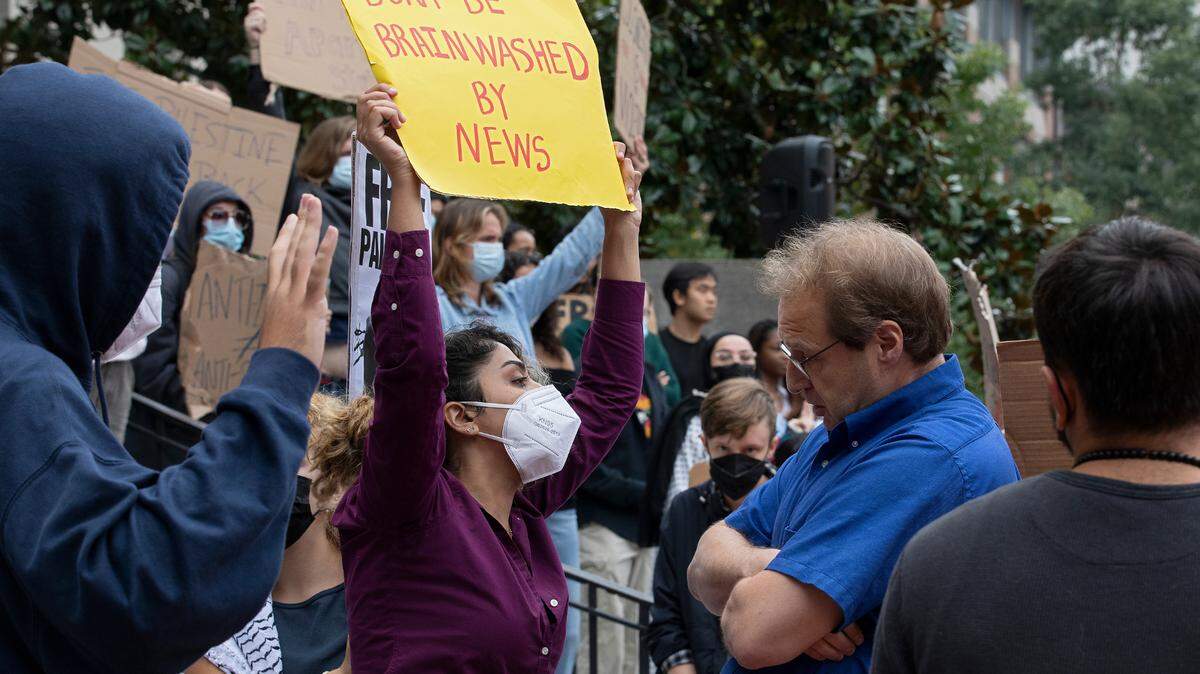
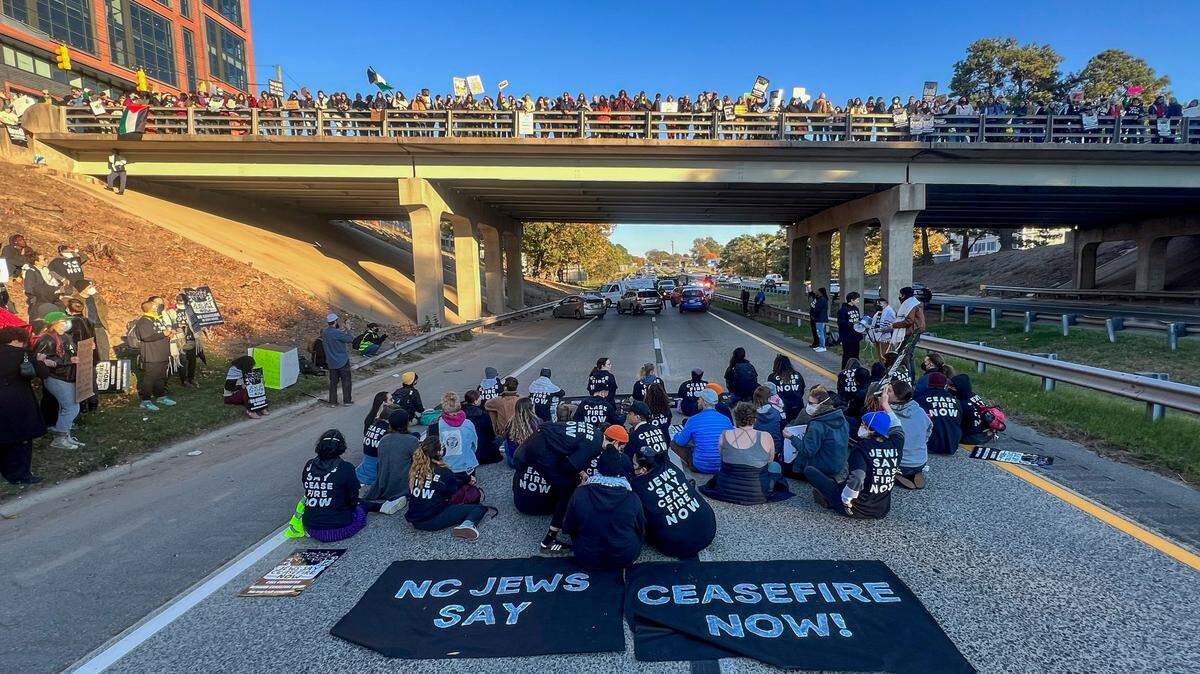
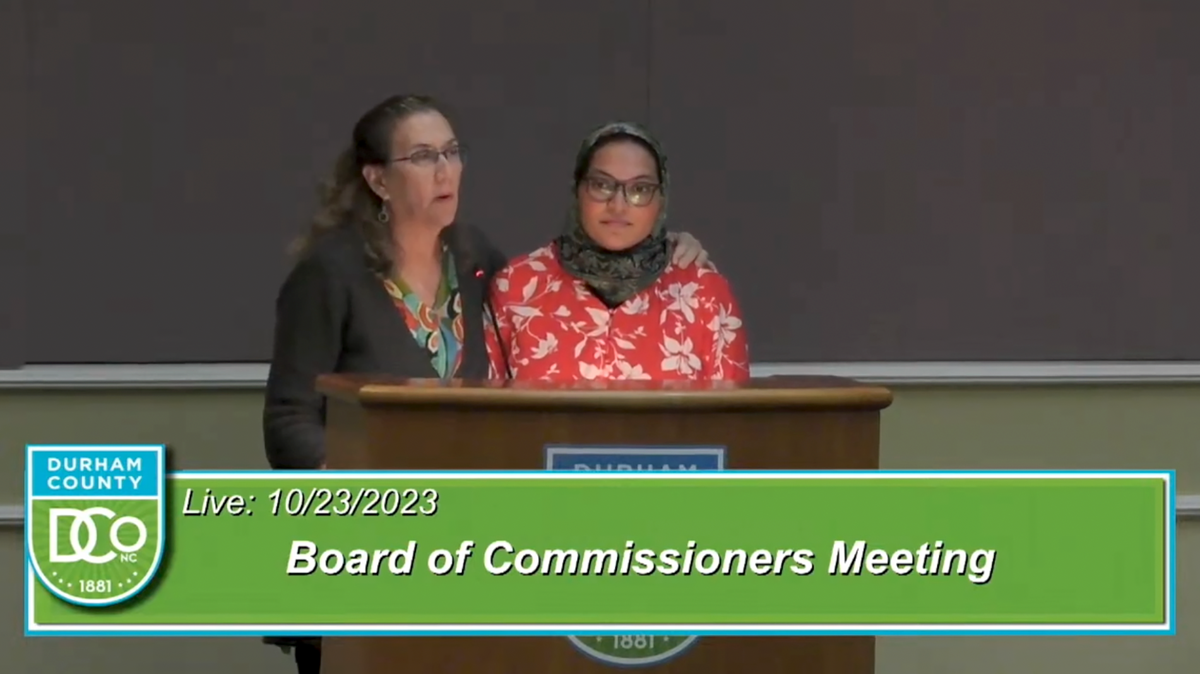
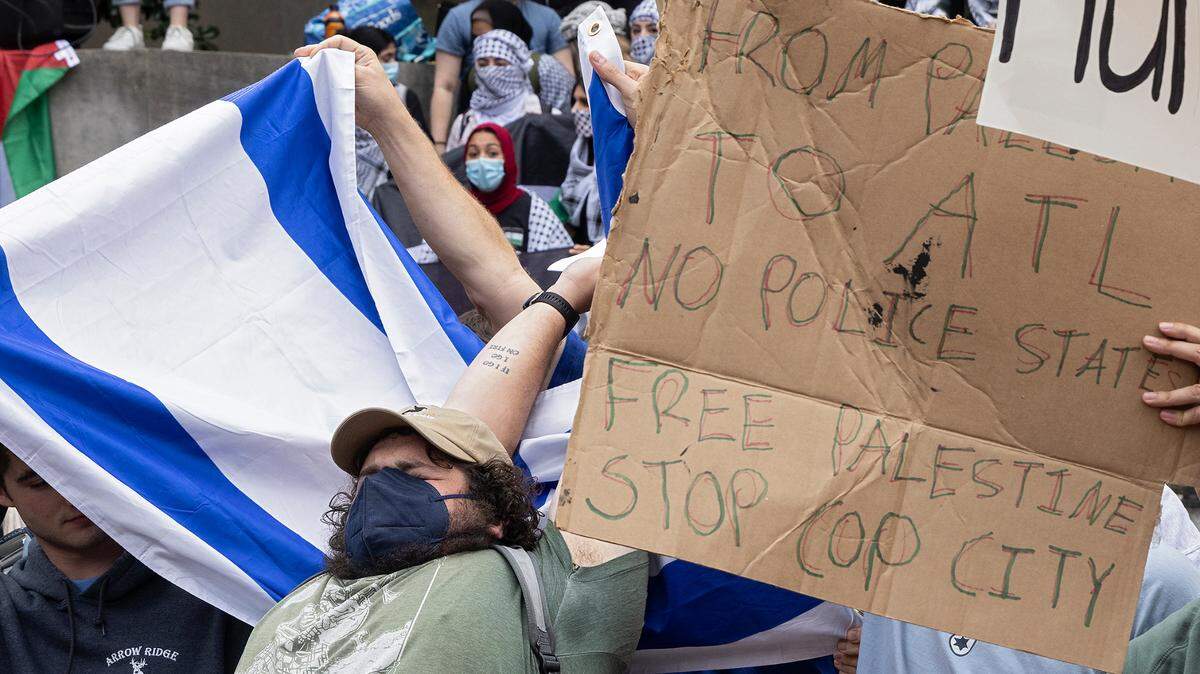
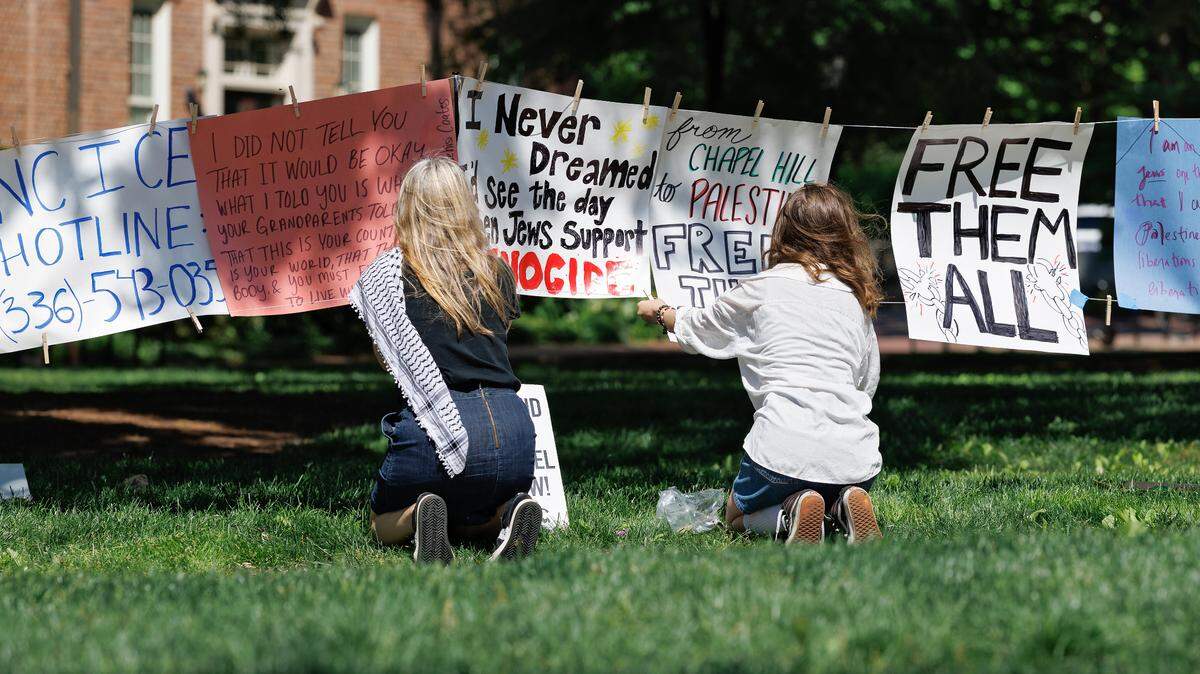
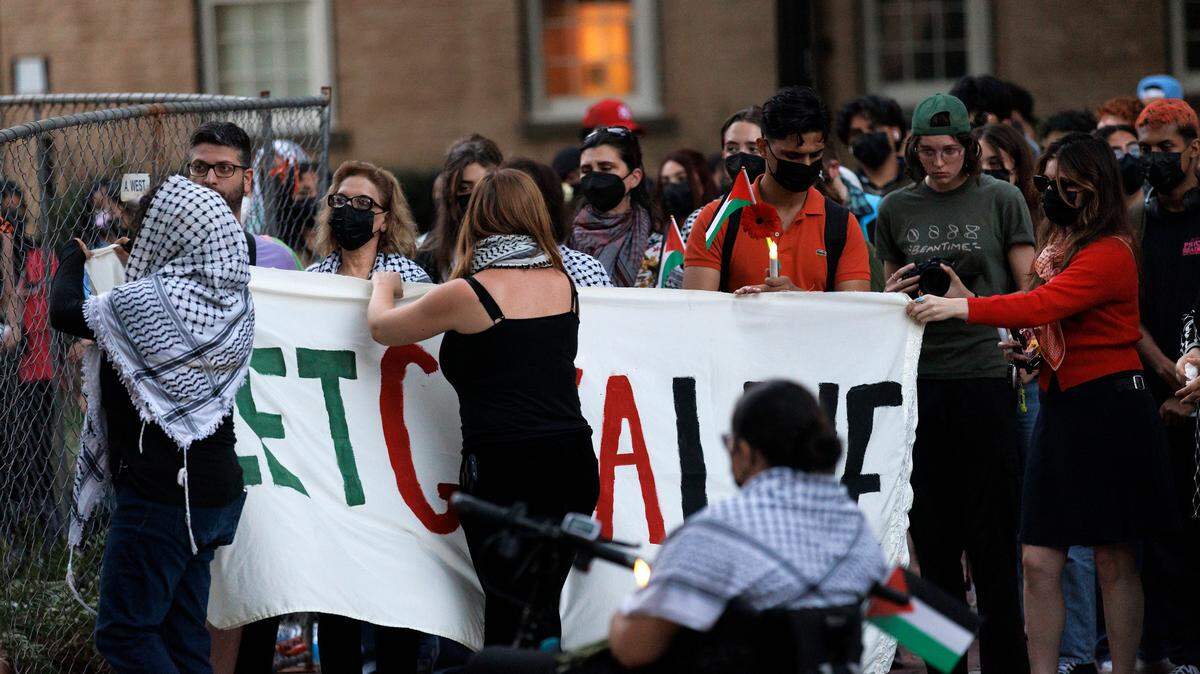
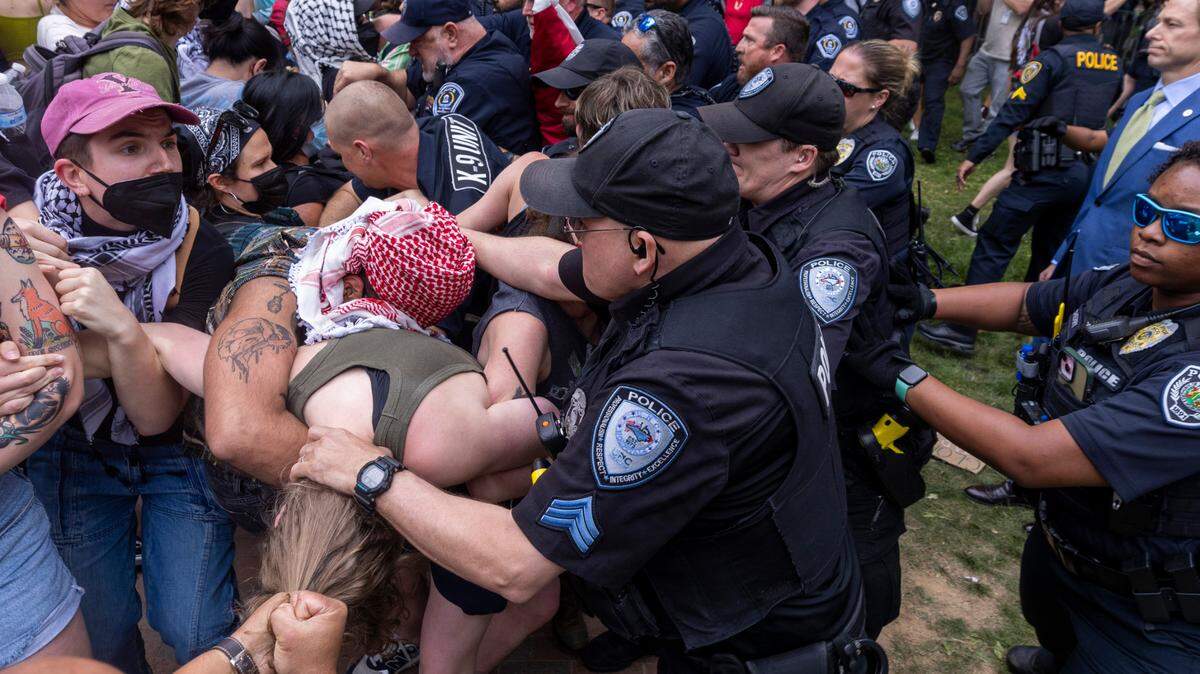
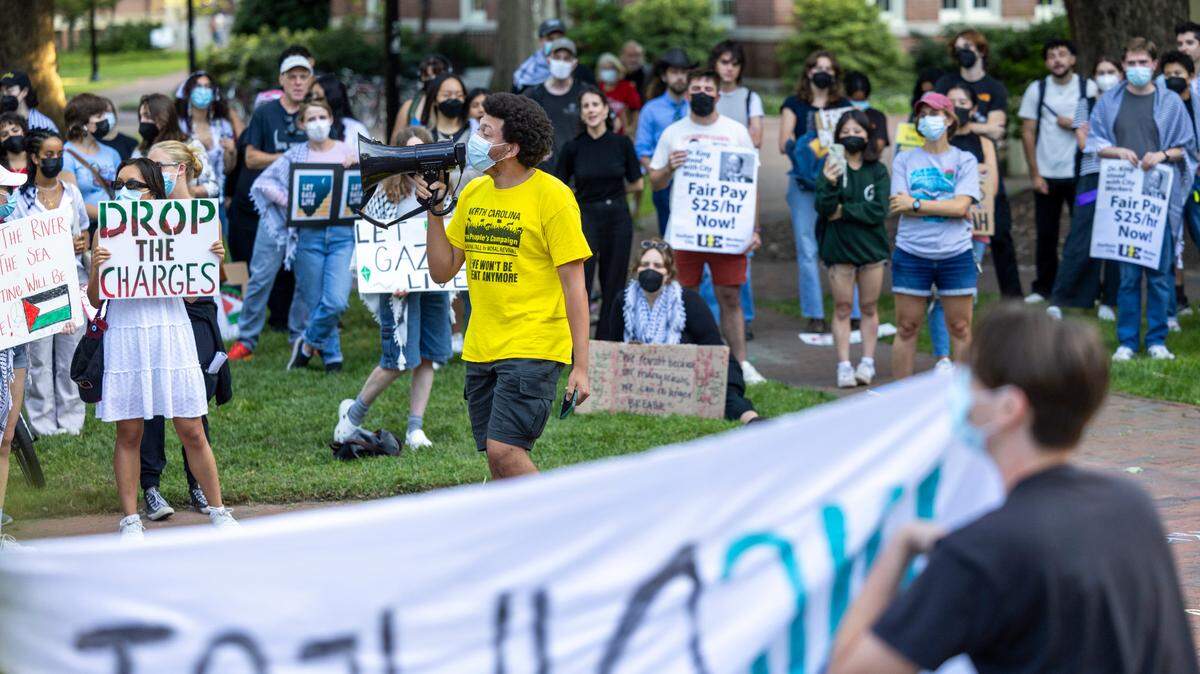
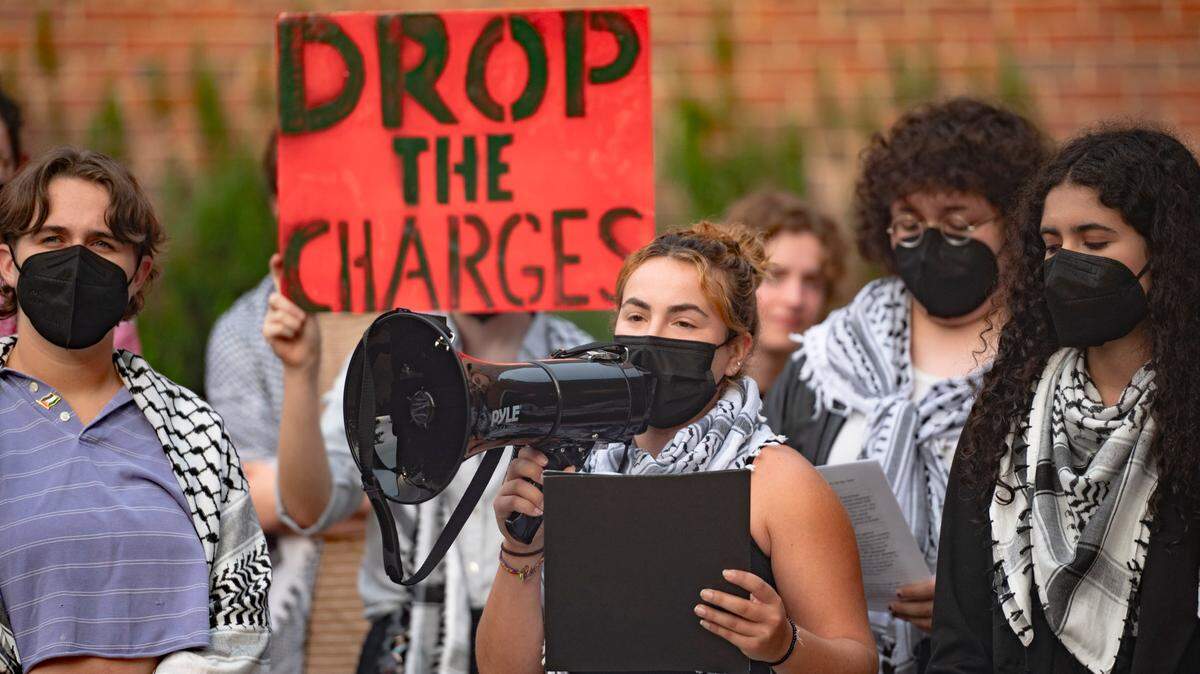
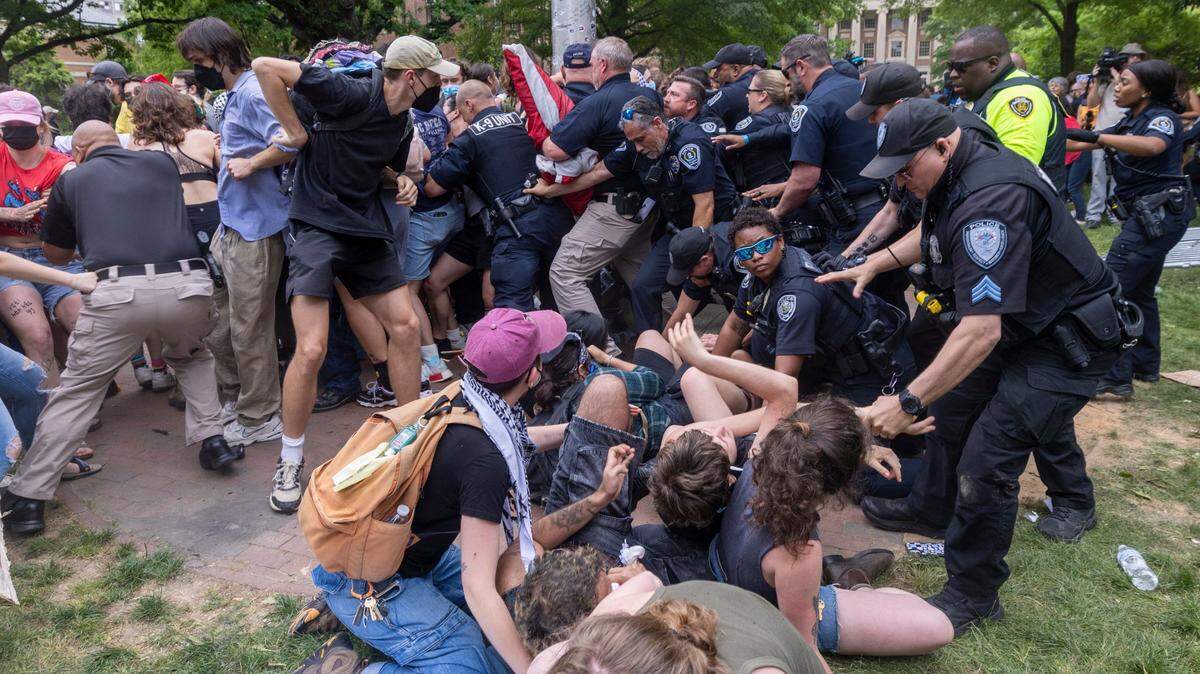
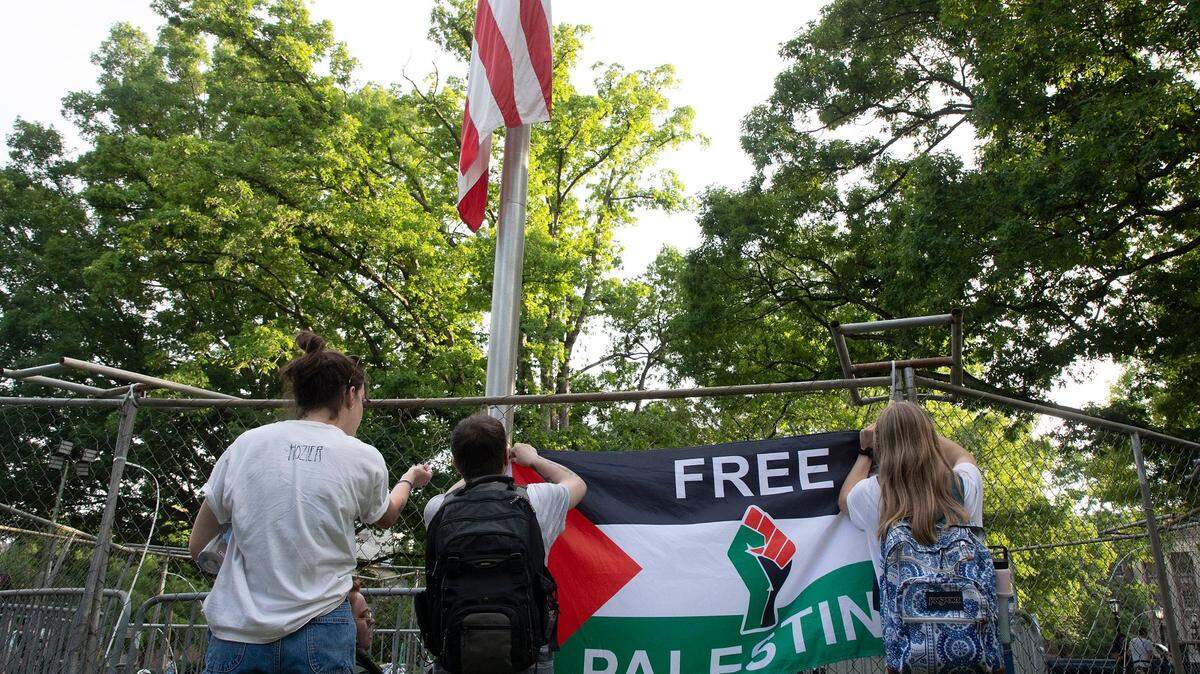
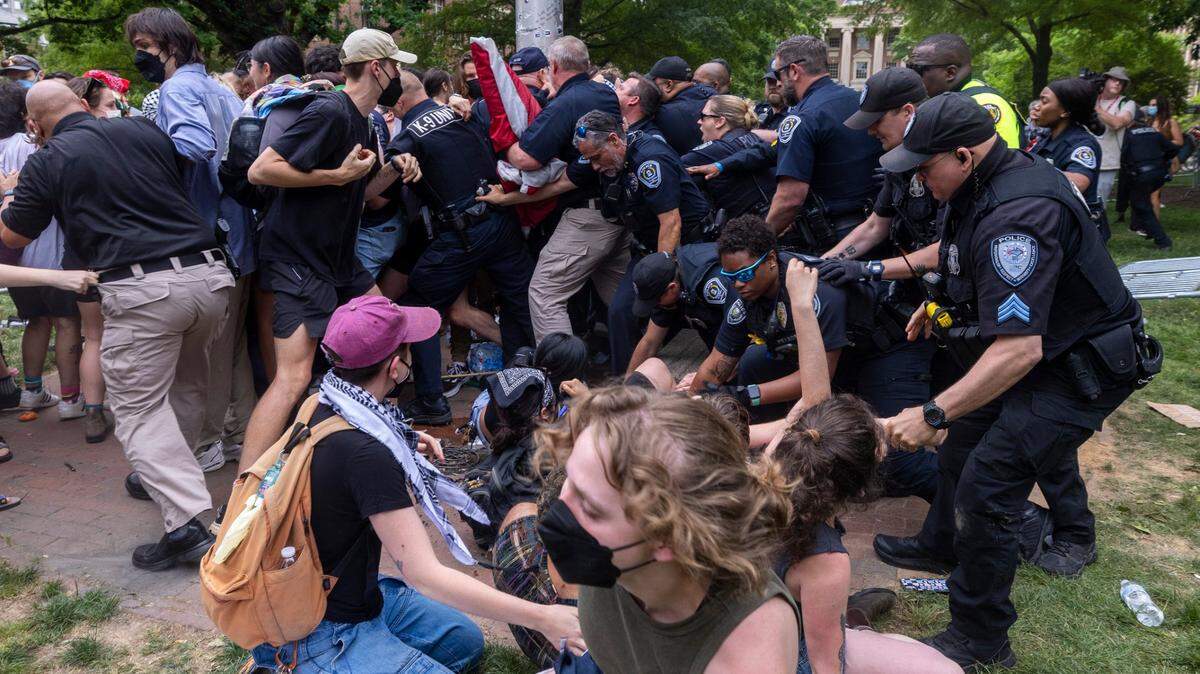
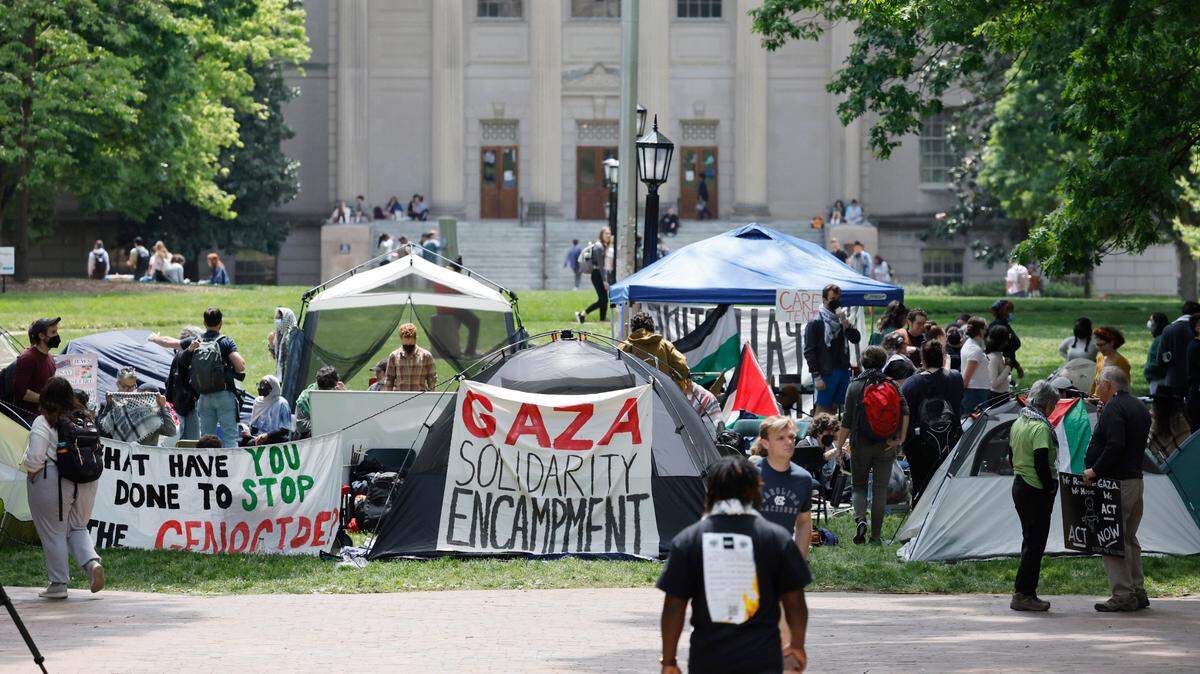
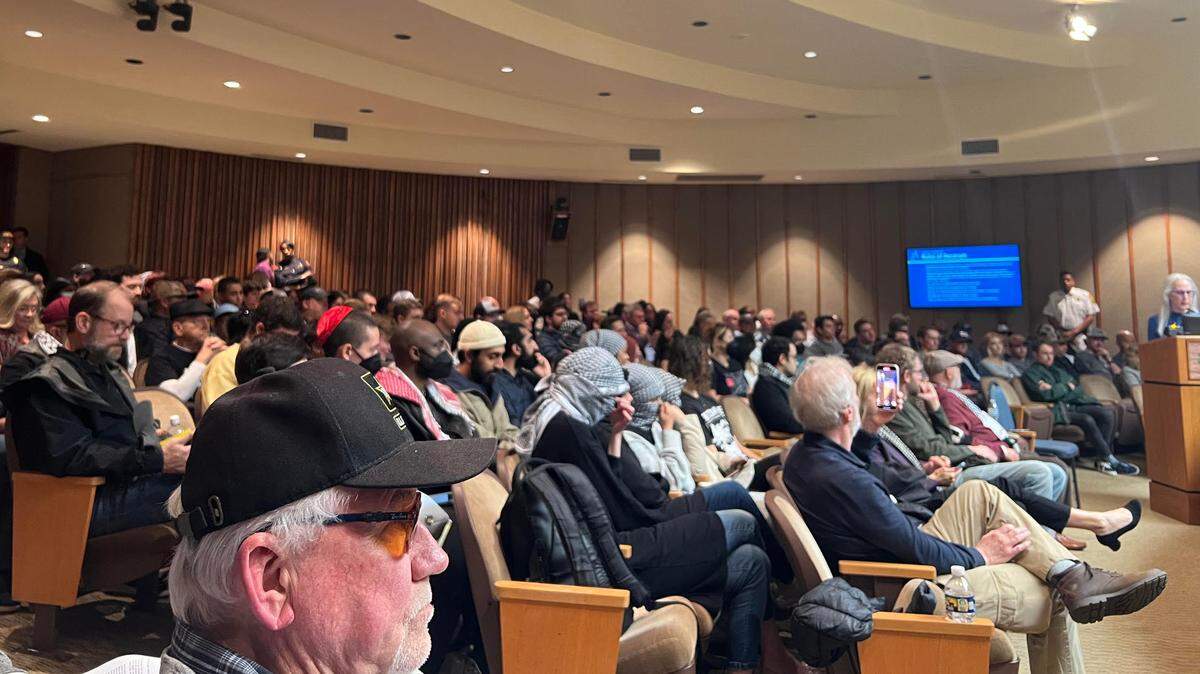
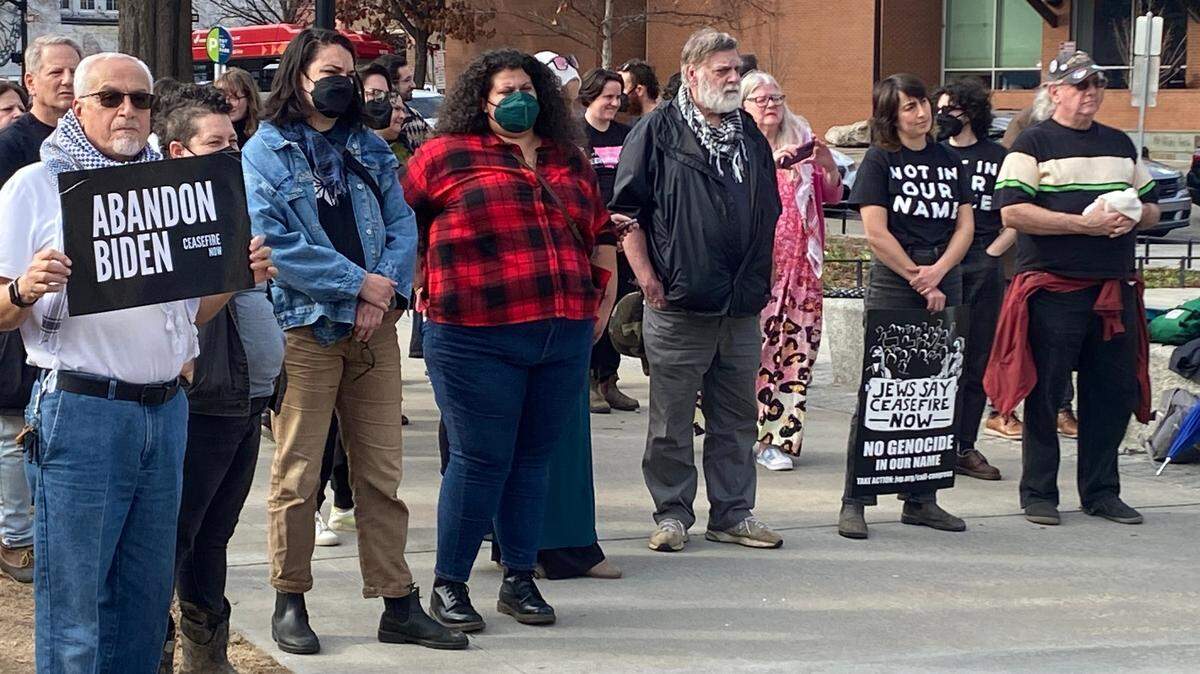
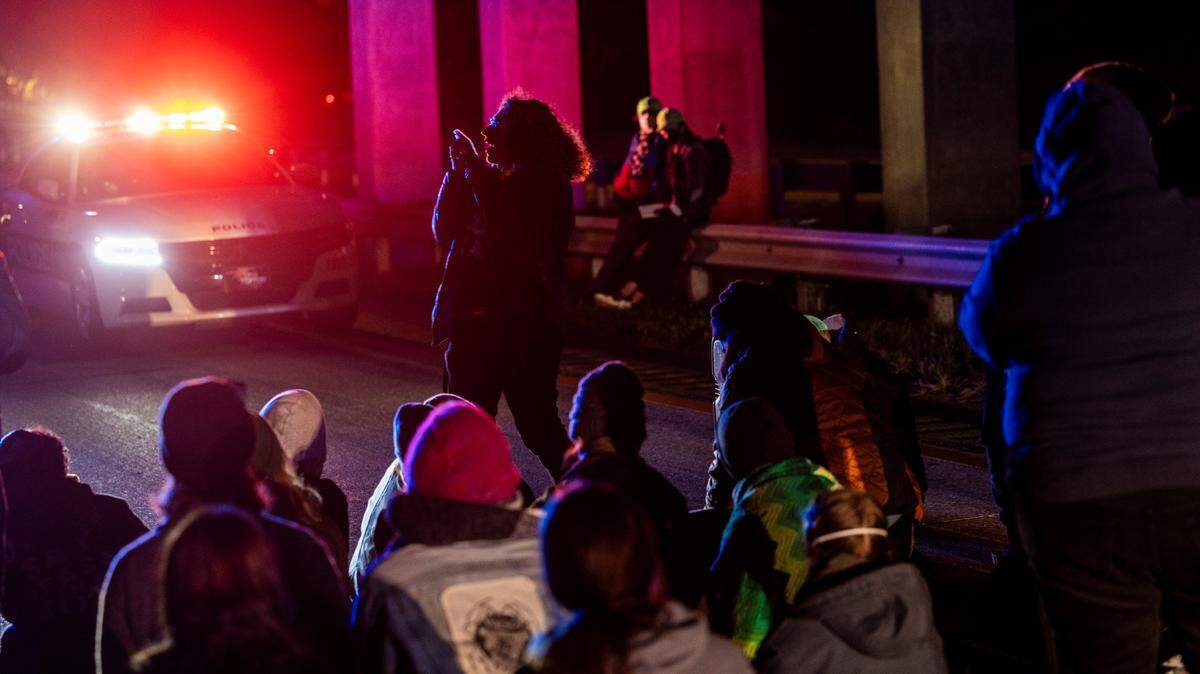
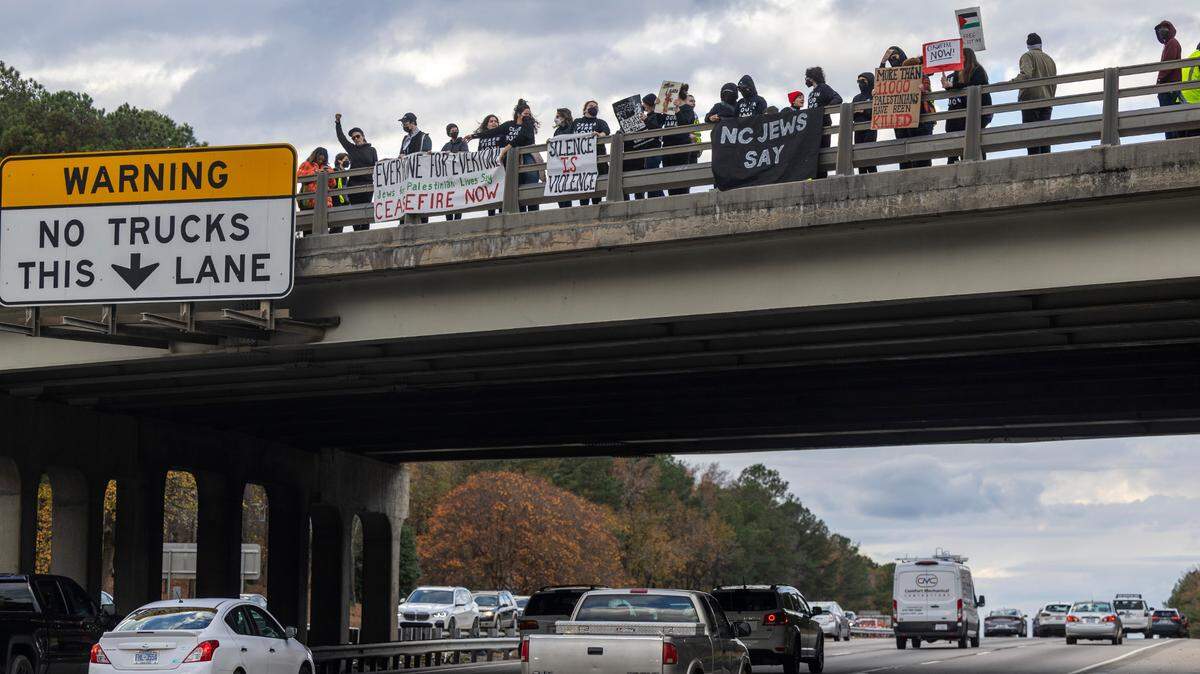
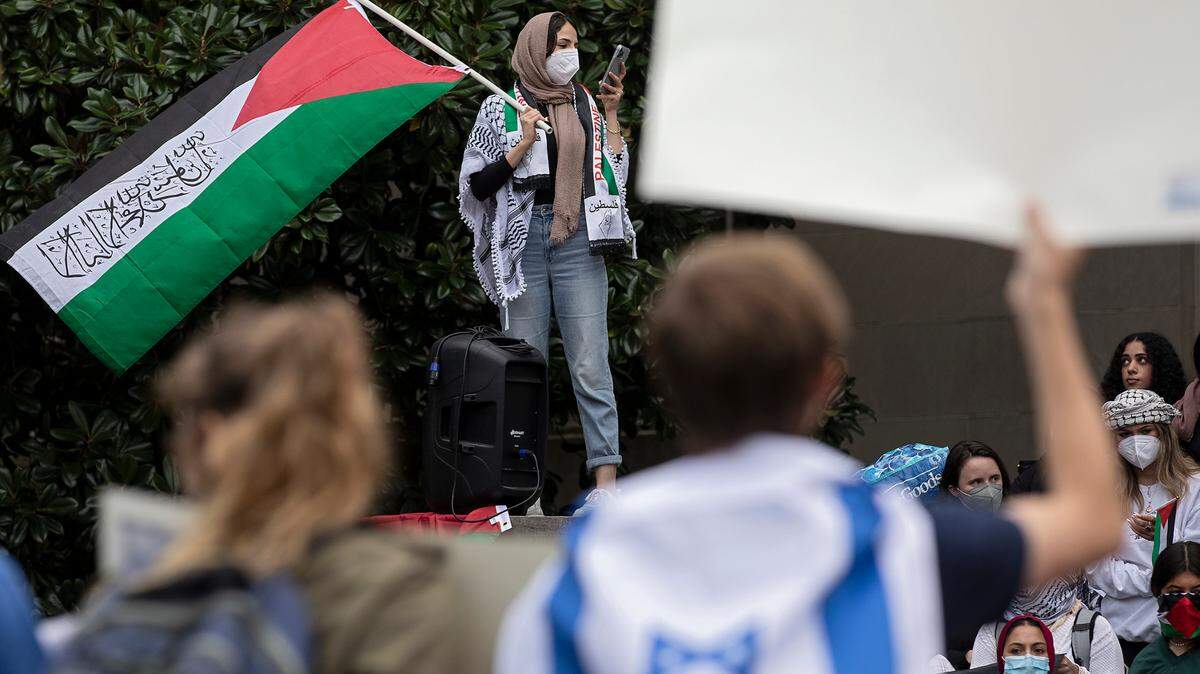
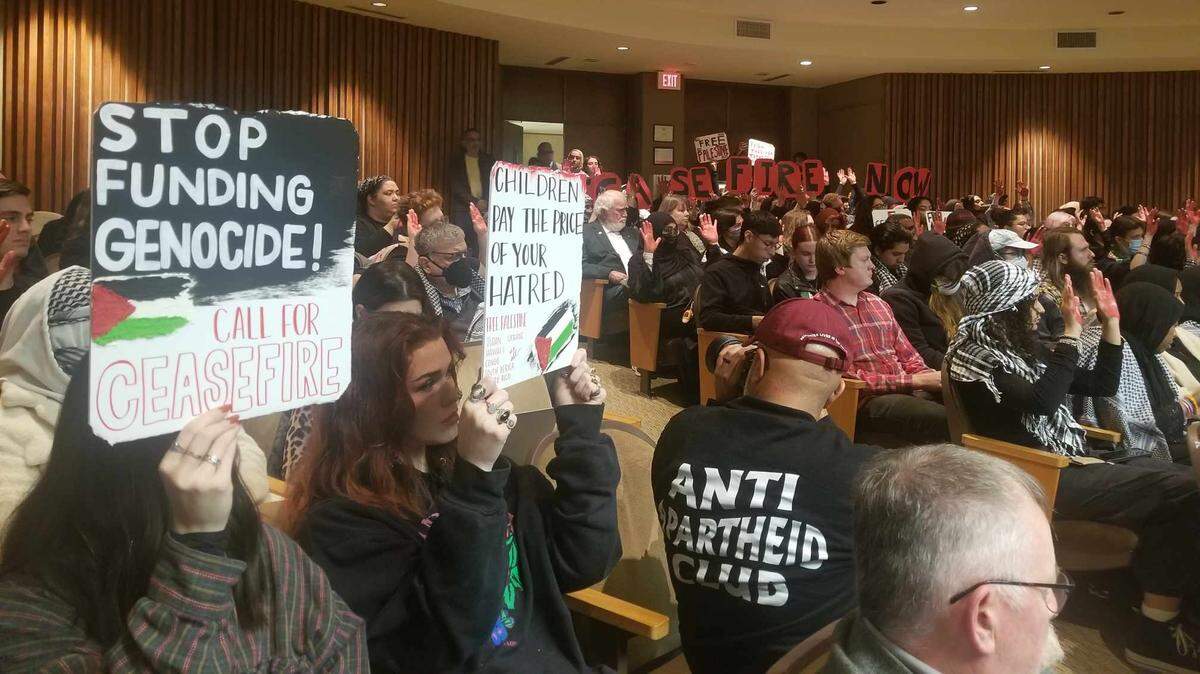
Since Oct. 7, when Hamas launched a surprise attack on Israel, the ensuing war in Gaza has had an impact around the world. In the Triangle, protesters have taken to the streets, college campuses and government meetings to call for a cease-fire, aid to Gaza and the release of hostages. Here is ongoing coverage from The News & Observer.
Expand All
North Carolina barred investment in Ben & Jerry’s after the world-famous ice cream seller said it didn’t want to sell its products in Israeli settlements.
The announcement Thursday reflects continuing controversy over whether companies should take positions on political issues, after recent debates over corporate moves involving Starbucks, Disney and others.
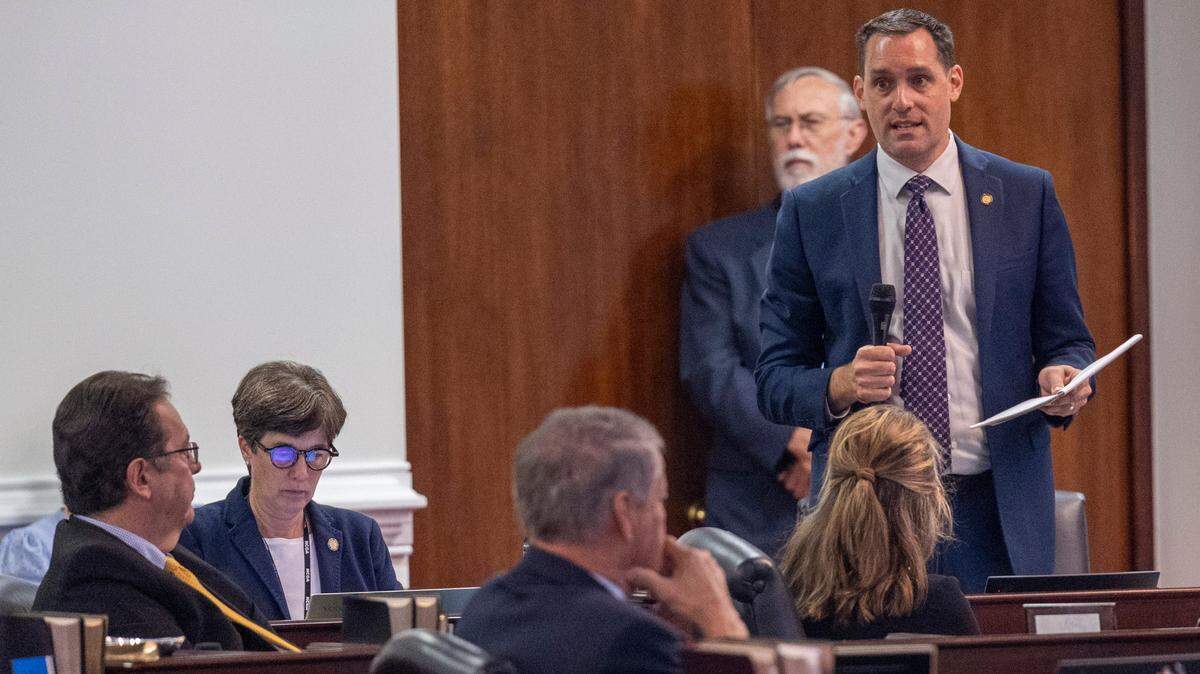
State Treasurer Dale Folwell said his office is required by state law to add Ben & Jerry’s to its “list of companies subject to divestment and contract restrictions due to their boycott of Israel.” This action includes affiliates of Ben & Jerry’s, such as its parent company, Unilever PLC, and Unilever’s subsidiaries. Folwell ordered the state pension fund to divest itself of $40 million in Unilever assets, according to a press release.
He also instructed local governments and state agencies be notified that they are prohibited from contracting with either company, says the release.
Asked whether, if not required under state law, he would have taken this action, Folwell said in an interview with The News & Observer that “every state treasurer before me has dealt with issues related to boycotting different companies and different products for different reasons.”
“What I’ve tended to do is to manage the pension plan in a way that reflects the culture of our state, whether through proxy voting or through issues like this and it is not the culture of North Carolinians to be antisemitic or anti-Israel or anti-Jew,” he said.
The founders of Ben & Jerry’s, in saying they wanted to “halt sales outside Israel’s democratic borders,” said they were not boycotting Israel. They also noted they are Jewish. “As Jewish supporters of the State of Israel, we fundamentally reject the notion that it is anti-Semitic to question the policies of the State of Israel,” they wrote in a New York Times opinion piece.
The treasurer’s office is responsible for investing and managing the $118 billion state pension fund that provides retirement benefits for more than 1 million members, including teachers, police officers and other public workers.
Under state law, the pension fund is prohibited from investing in and contracting with certain companies with operations in Iran, as well as with companies defined as boycotting Israel.
Social and governance policies
Folwell has been a vocal critic of environmental, social and governance policies, an investing approach in which companies factor in these issues.
In December, he called for the CEO of BlackRock to resign over the investment firm’s support of “ideological” initiatives like “the global warming agenda.” While he’s criticized BlackRock, Folwell has continued to invest through the firm, reported The N&O.
During this year’s legislative session, a GOP House bill passed into law over the veto of the governor that limits environmental, social and governance investments by the state pension fund.
The bill says that the treasurer may only use ESG factors if “they present economic risks or opportunities that qualified investment professionals would treat as material economic considerations.” The bill also prohibits state entities from using ESG criteria when making employment decisions.
Ben & Jerry’s and Unilever lawsuits
Following a merger in 2000, Ben & Jerry’s became a subsidiary of Unilever, but it retained an independent board of directors and the ability to oversee its social mission. Unilever got authority over financial and operational decisions.
In 2021, Ben & Jerry’s said it would stop selling its products the following year in the occupied Palestinian territories, which include the West Bank and the Gaza Strip.
“We’re a values-led company with a long history of advocating for human rights, and economic and social justice. We believe it is inconsistent with our values for our product to be present within an internationally recognized illegal occupation,” says a Ben & Jerry’s statement from 2021 announcing the departure.
This announcement placed the ice cream maker at odds with its parent company and the Israeli government, with Ben & Jerry’s independent board taking Unilever to court over an attempt to continue Israeli sales, reported the Financial Times. The suit was settled in December 2022 with details not disclosed.
Asked what led to the decision to take the action now against Ben & Jerry’s, Folwell told The N&O that “when you manage one of the largest pools of public money in the world, you don’t react to threats of boycotts, but to boycotts themselves.” He said Unilever was unable to either get Ben & Jerry’s to “stop boycotting Israel” or “legally separate themselves from Ben & Jerry’s.”
As for the effect of this $40 million divestment, Folwell said, “as we’ve been dealing with this for the last two years… we have not made investments in Unilever’s corporate bonds, in anticipation of something like this.”
Folwell, who is a Republican and is running for governor, said that his office had given Unilever and Ben & Jerry’s “every opportunity this calendar year to correct this situation” and “they chose not to.”
Folwell said that Unilever had not responded to multiple attempts to reach it. He said if the company had put out a press release in time “and say ‘we have sold Ben and Jerry’s. Ben and Jerry’s has had a change of heart,’ then none of this would be necessary … this whole situation would have been avoidable.”
Hamas, a terrorist organization, launched a deadly surprise attack on Israel this October, and Israel launched a counter-attack. As of Wednesday, just under 20,000 people have been killed in Gaza, with about 70% of those killed women and children. Many more are missing and displaced, said the U.N. Office for the Coordination of Humanitarian Affairs, citing health officials in Gaza.
Over 1,200 people have been killed in Israel, including 36 children, according to the Israeli authorities, the vast majority on Oct. 7, reports the OCHA.
This story was originally published December 21, 2023 at 6:55 PM with the headline "NC bans investing, contracting with Ben & Jerry’s ice cream over its stance on Israel."
CORRECTION: Lawmakers passed into law in late June a bill touching on environmental, social and governance policies. A previous version of this story referenced another ESG bill that failed to pass.























.JPG)