UNC ramps up campus security measures as pro-Palestinian group holds ‘week of resistance’
READ MORE
NC responds to Israel-Hamas war
Since Oct. 7, when Hamas launched a surprise attack on Israel, the ensuing war in Gaza has had an impact around the world. In the Triangle, protesters have taken to the streets, college campuses and government meetings to call for a cease-fire, aid to Gaza and the release of hostages. Here is ongoing coverage from The News & Observer.
Expand All
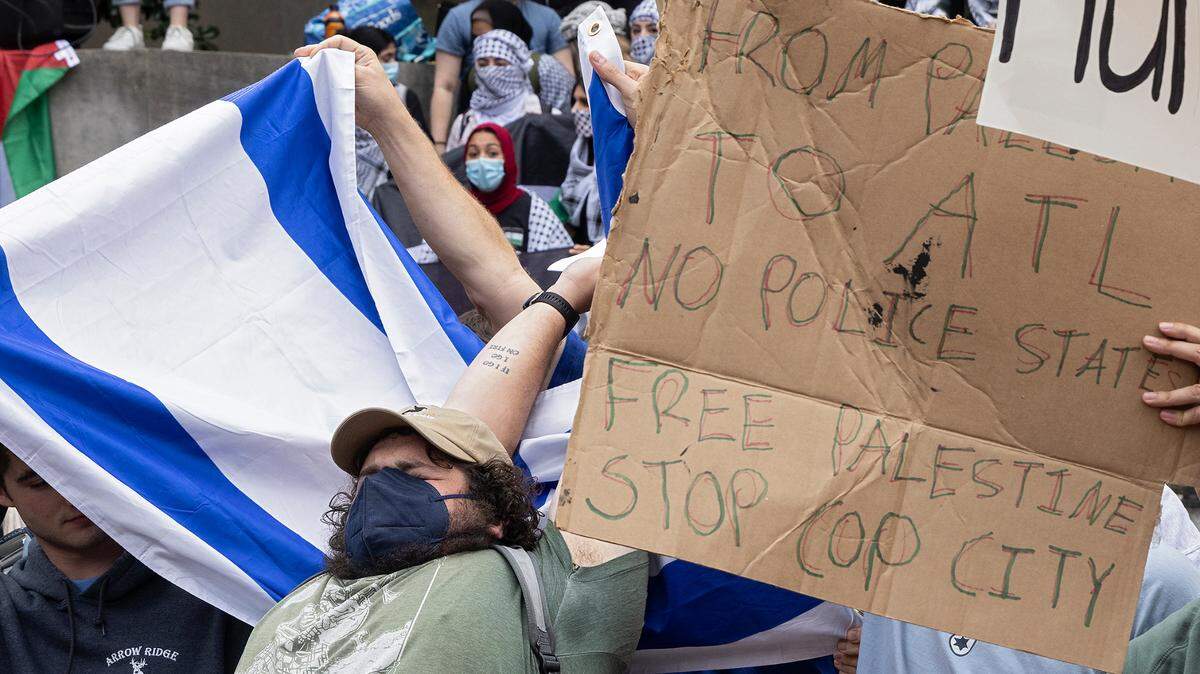
Students, faculty and staff at UNC-Chapel Hill are running into a host of increased security measures on campus this week — a direct response, university officials said, to protests related to the ongoing Israel-Hamas war.
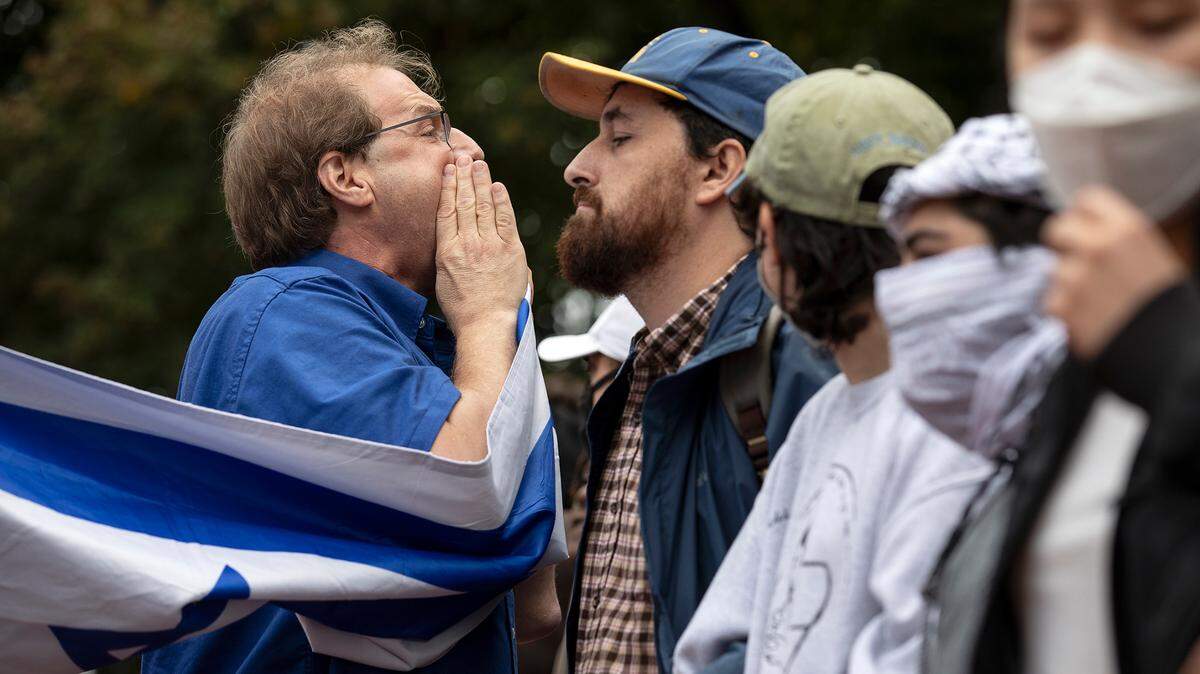
This week marks the one-year anniversary of the Hamas terrorist attack on Israel last Oct. 7. The ensuing war, which has left thousands dead, has been a flashpoint on college campuses around the country, including UNC, over the past year.
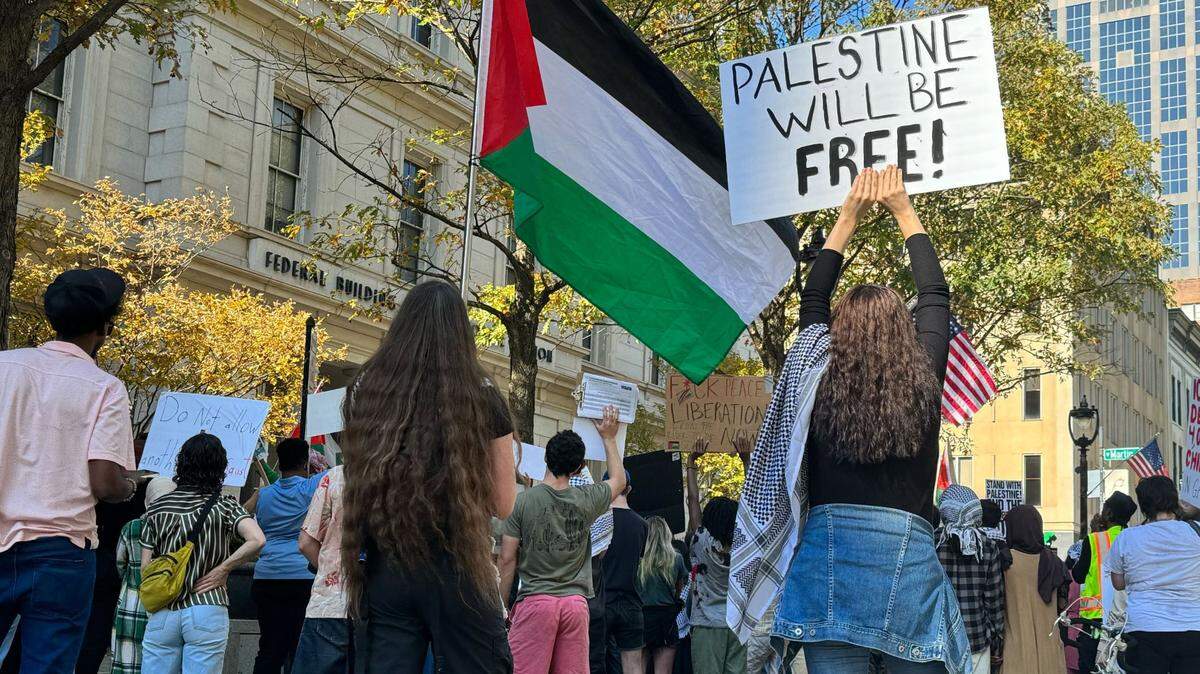
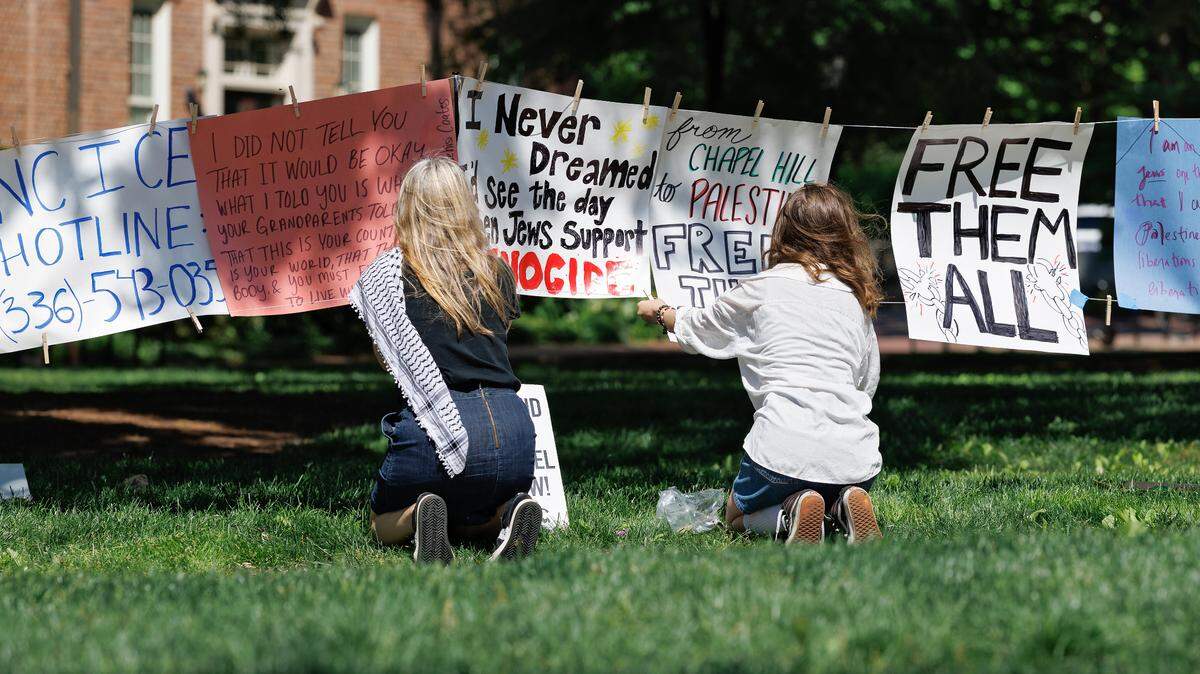
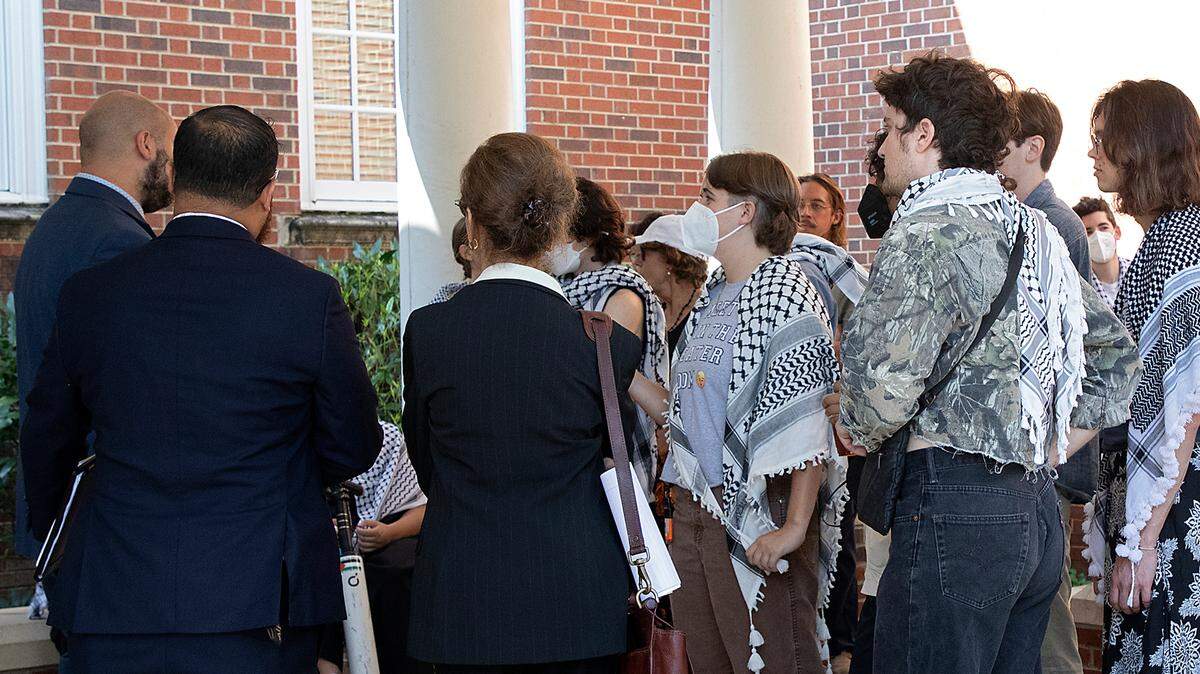
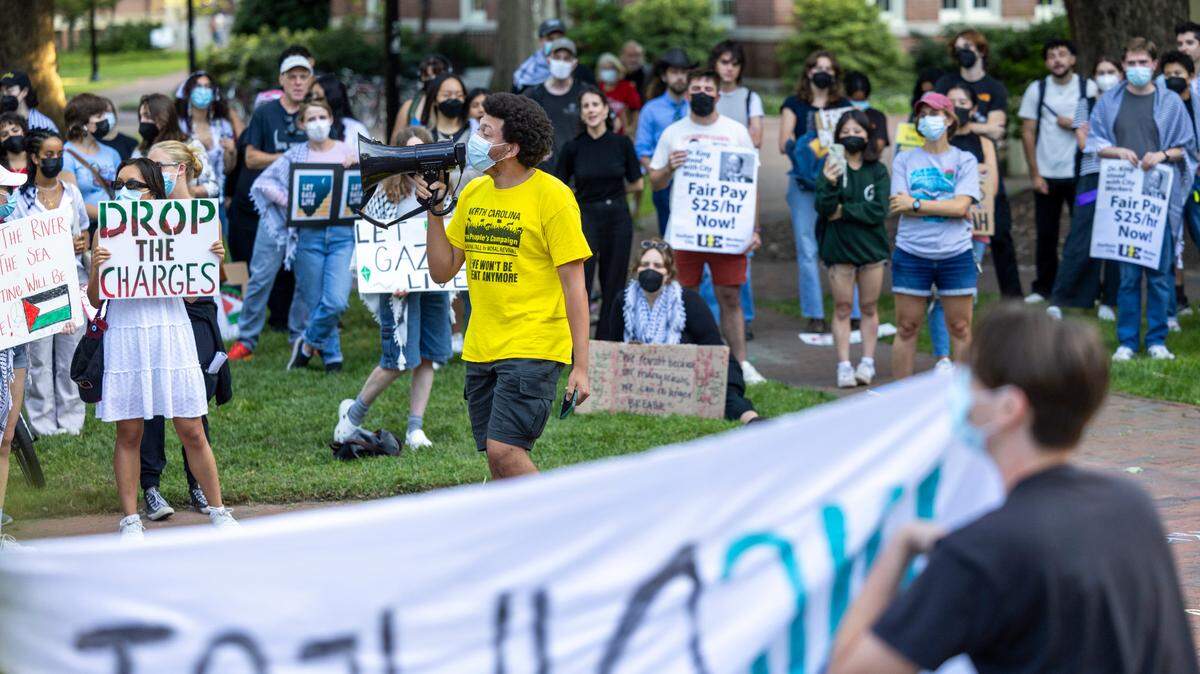
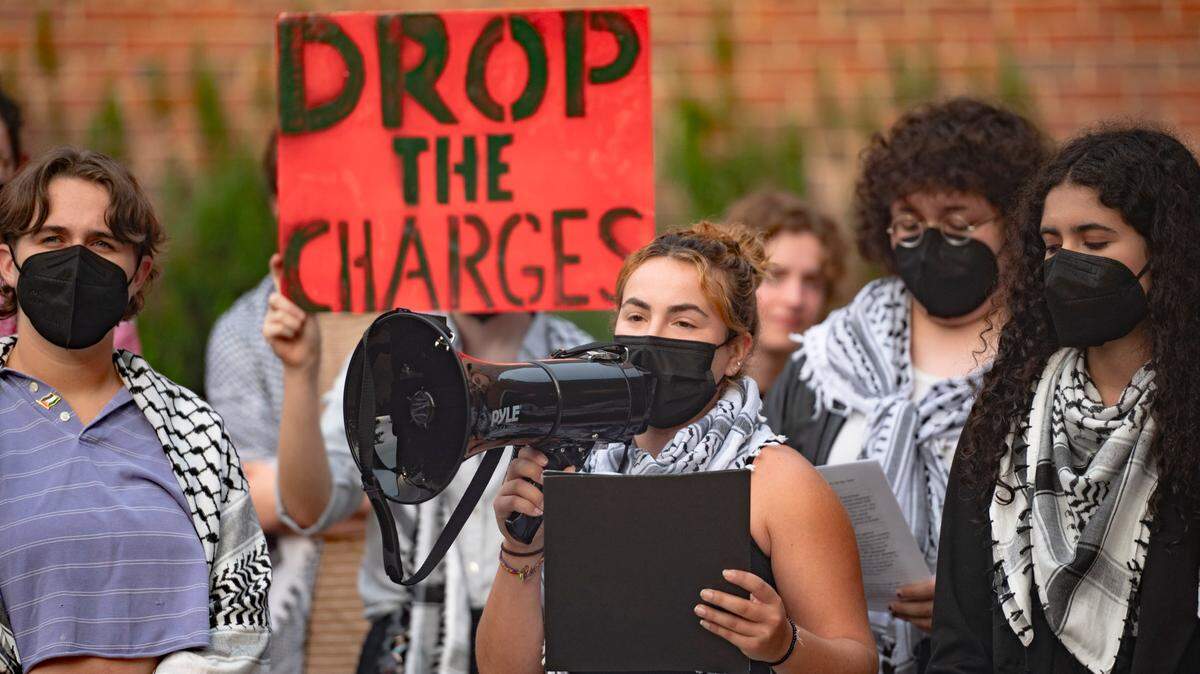
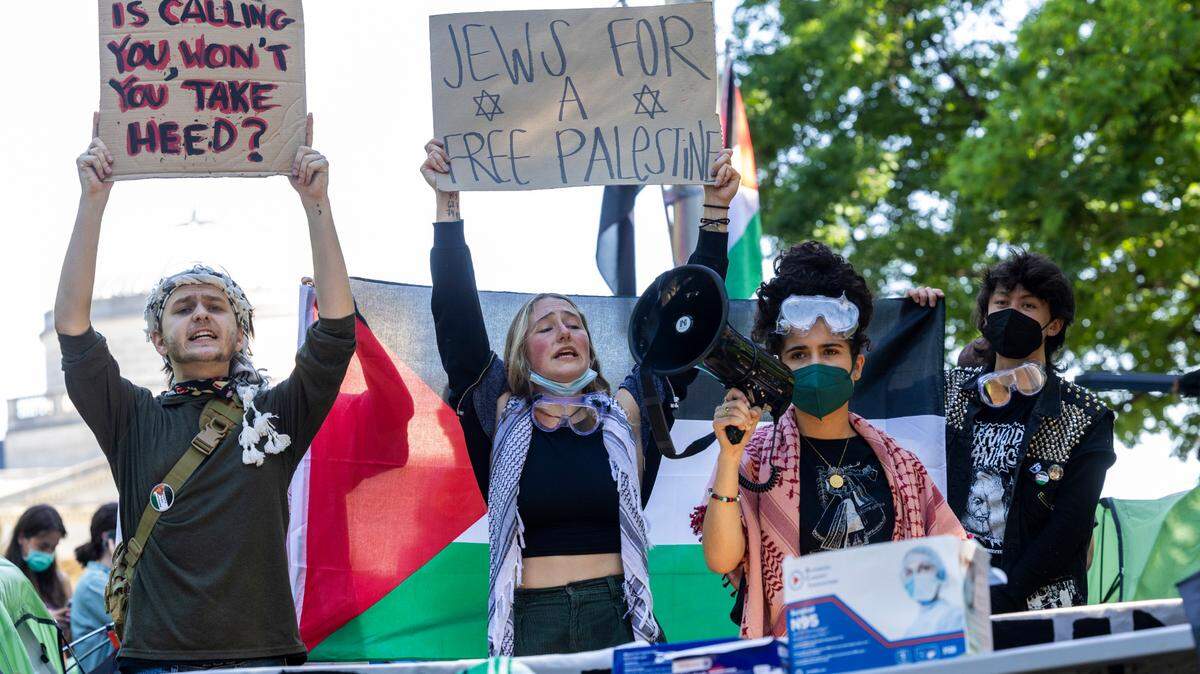
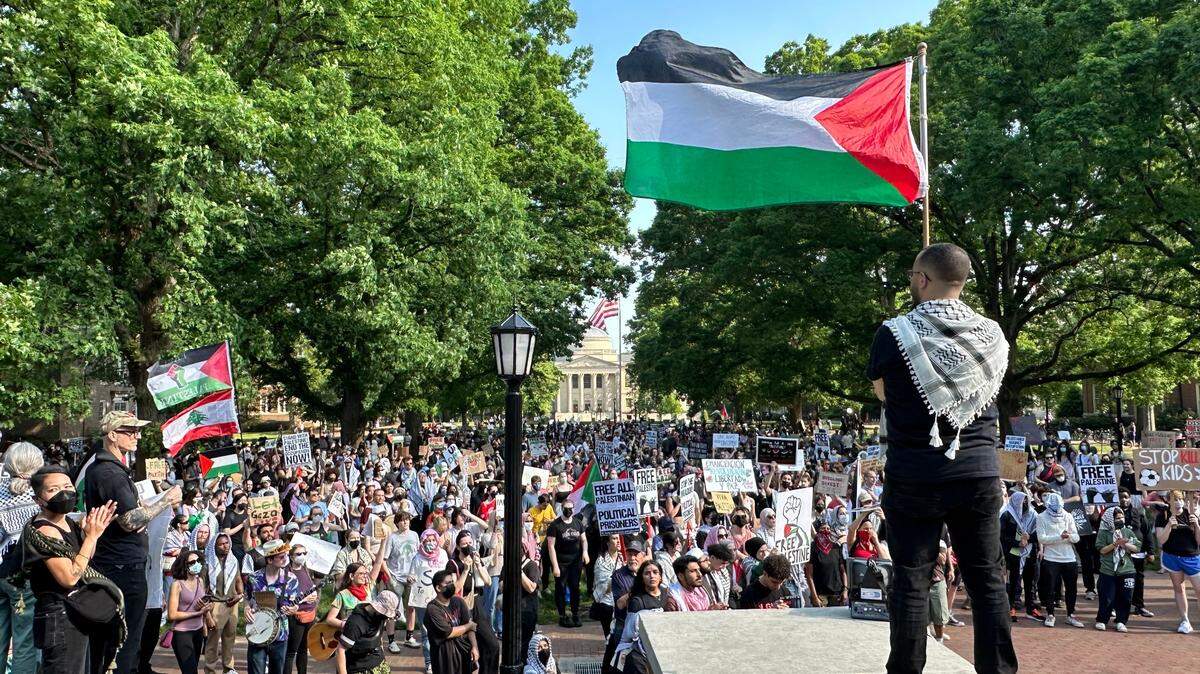
In response to the anniversary, the UNC chapter of Students for Justice in Palestine is holding a “week of resistance,” which includes several events. For instance, the group hosted a fundraiser benefiting Palestinians in the Gaza Strip on Tuesday and a “community art build” on Wednesday, and on Friday, members plan to picket UNC Chancellor Lee Roberts’ official installation ceremony.
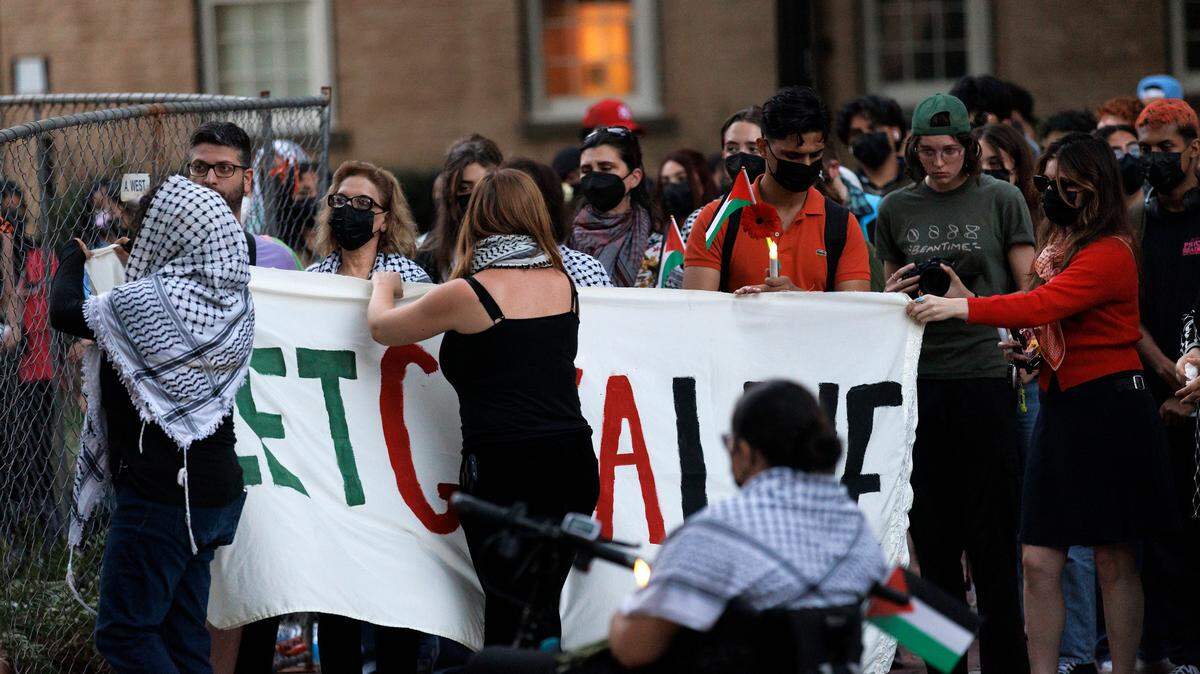
On Monday, the group hosted a candlelight vigil to honor “martyrs killed by the Israeli occupation” in the past year. Though the group advertised the event as being held at the Old Well, when organizers arrived, they saw that temporary fences had been installed around the landmark.
Hashem Amireh, a graduate student and member of Graduate Students for the Liberation of Palestine and SJP, viewed the move as more than the university taking measures to protect the iconic campus landmark.
“They’re trying to just literally get in the way and not let us exercise our freedom of speech,” Amireh told The News & Observer.
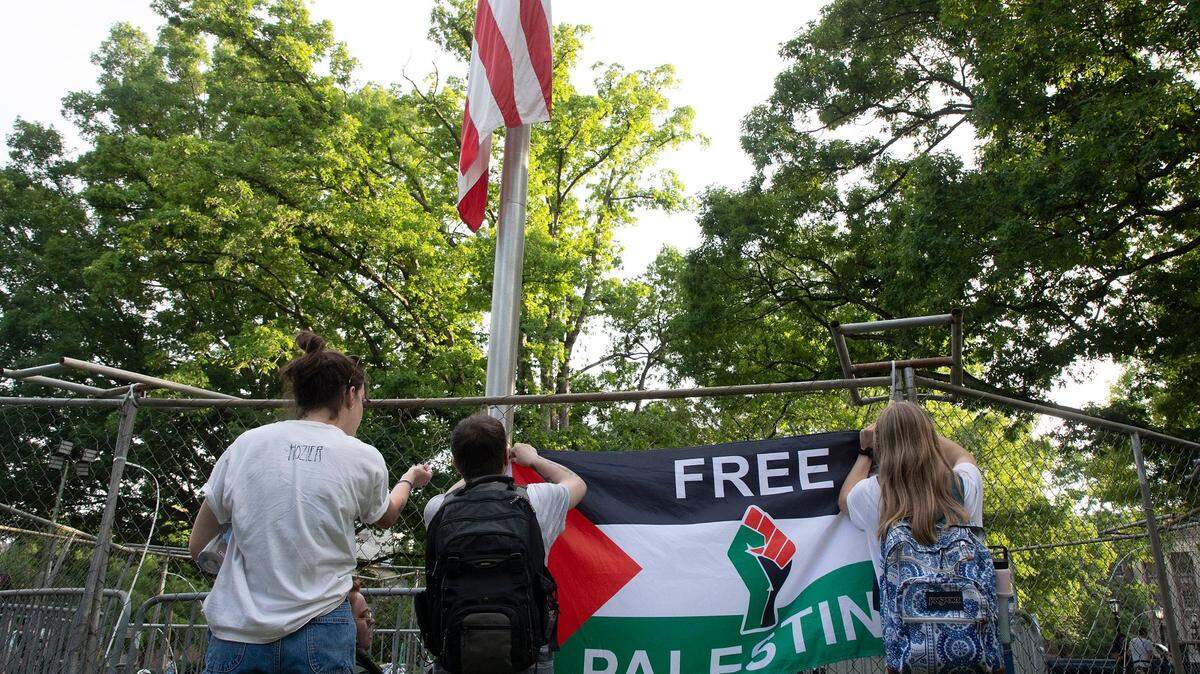
The group proceeded to hold the vigil just outside of the fence. At the conclusion of the event, some attendees placed flowers at the base of the fence and attached Palestinian flags to the barrier.
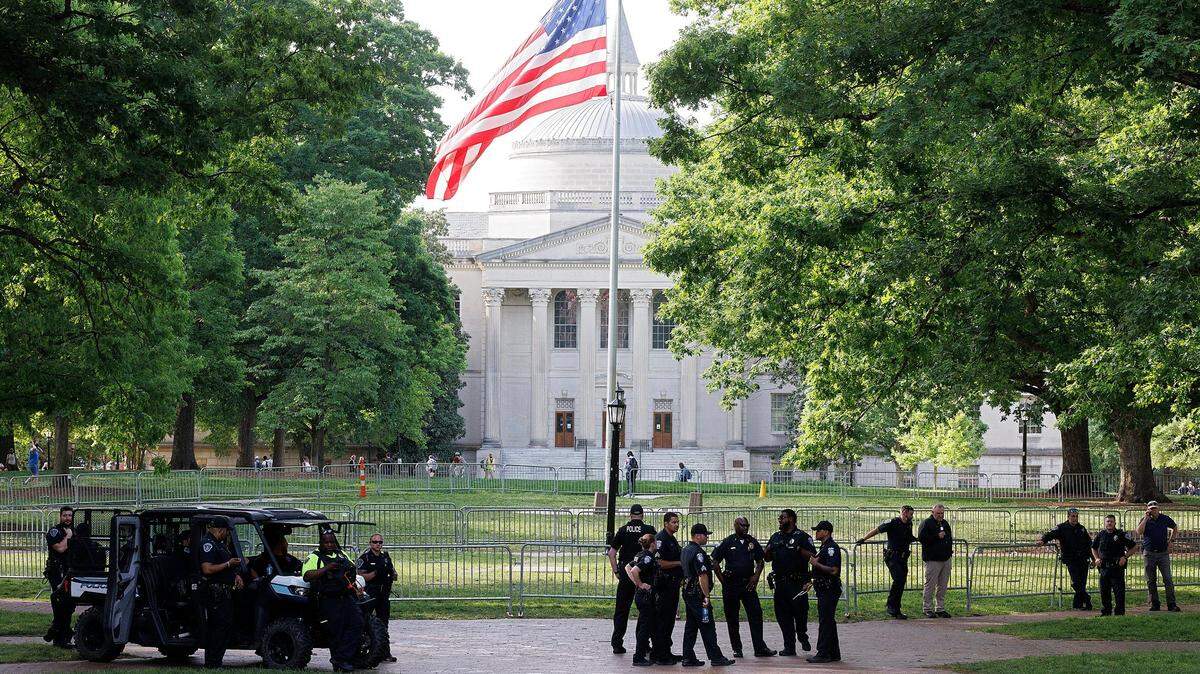
The fences around the Old Well are just one of several measures the university has implemented this week. Fences have been installed around other campus landmarks — particularly those where SJP has held protests before, or planned to do so this week — and students are also being asked to show their university ID cards to enter some classroom buildings.
The university’s media relations office specifically tied the new measures to protests.
“Limited access to specific buildings is being implemented out of an abundance of caution as an additional security measure in light of notable planned and potential activities on campus during the week,” the office wrote in an email to The News & Observer.
The measures mark the latest example of the university implementing increased security and surveillance measures in the wake of heightened tensions over the war.
ID access required around campus
Access is limited to most of the classroom buildings that line the perimeter of Polk Place, including Carolina, Dey, Hanes, Manning, Murphy and Gardner halls.
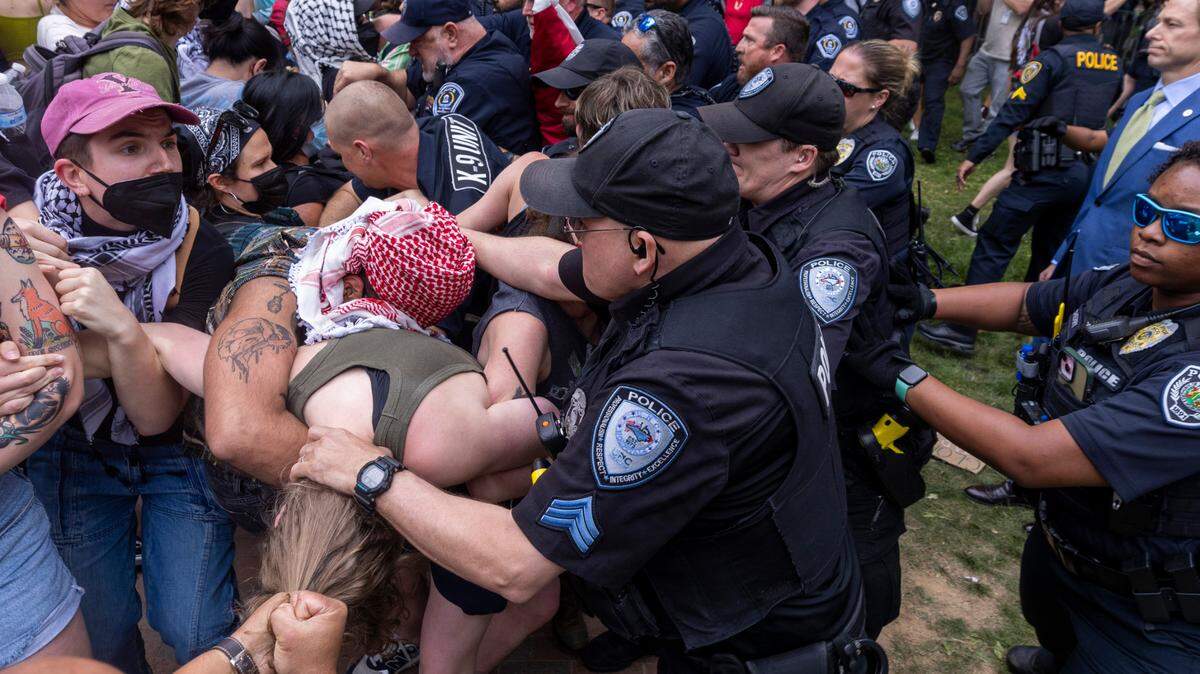
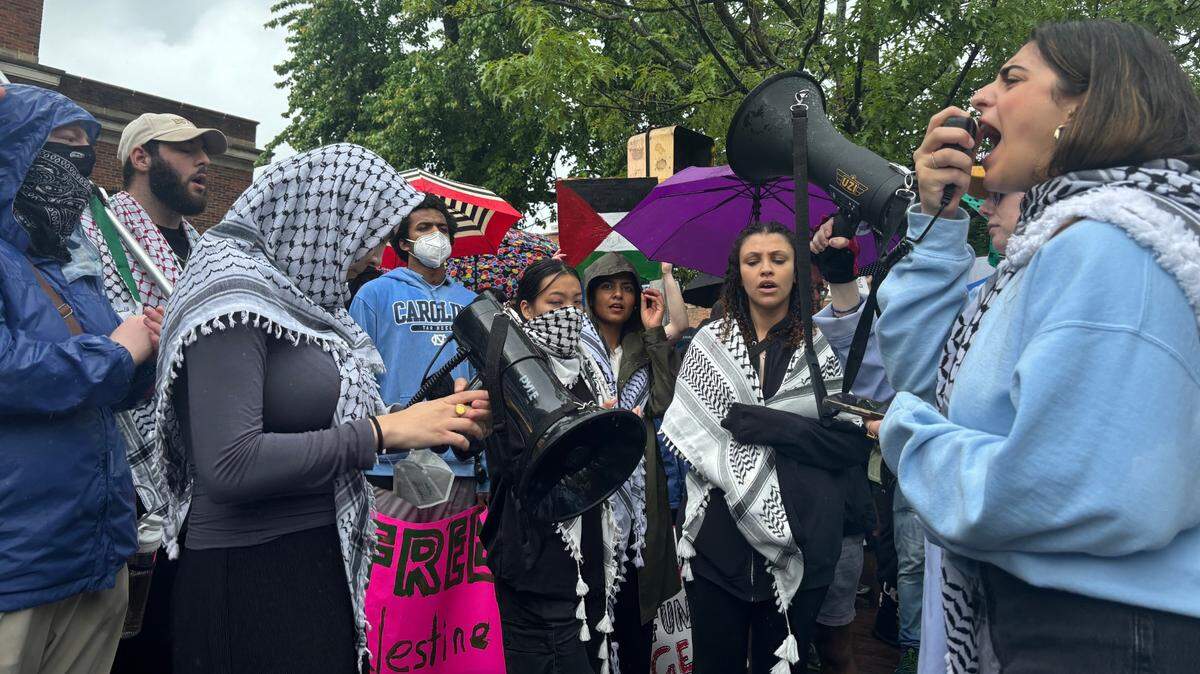
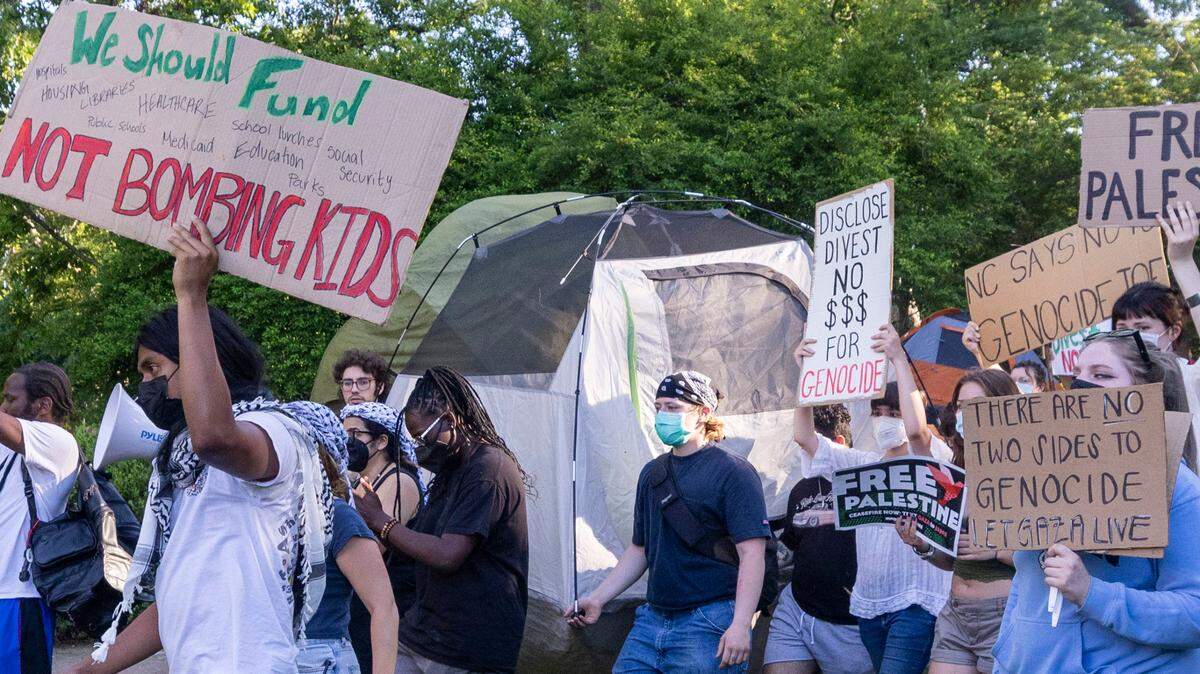
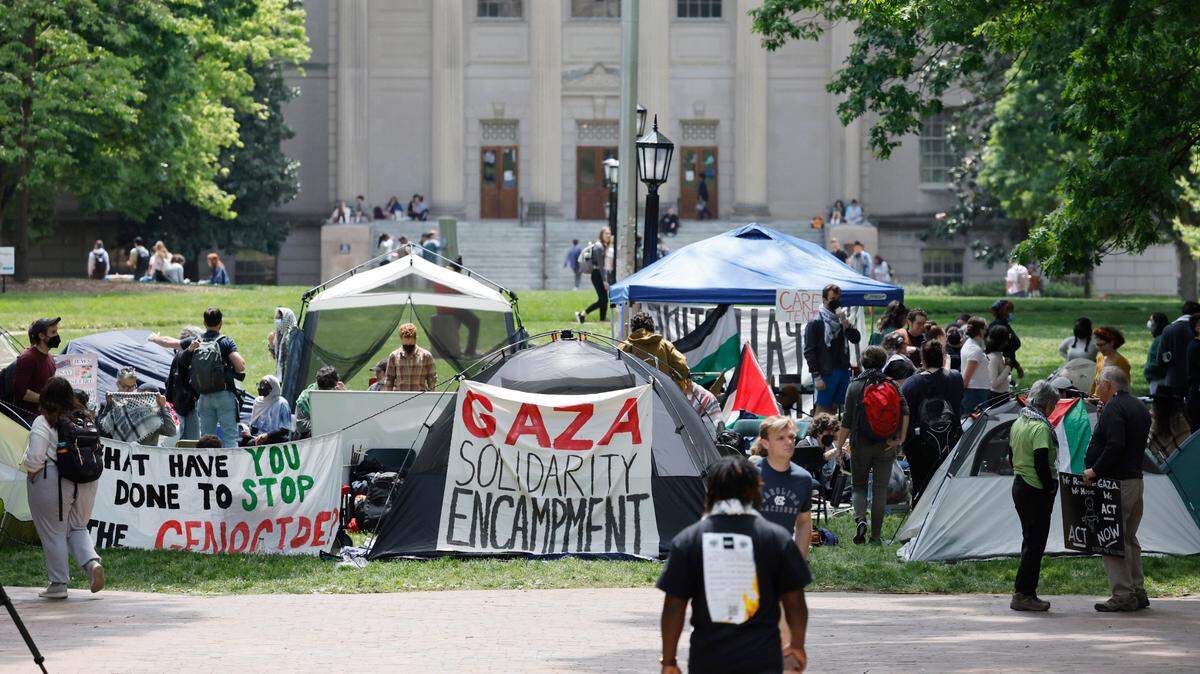
During a four-day “Gaza solidarity encampment” that SJP hosted this spring, protesters propped open the doors to some of those buildings after-hours, allowing those staying overnight in the encampment to use the restroom and other facilities inside. Both the encampment and propping doors open are violations of university policies, and served as key reasons university administrators cited in ordering the encampment to be disbanded.
The methods used to enforce the limited access to the buildings varied on Tuesday.
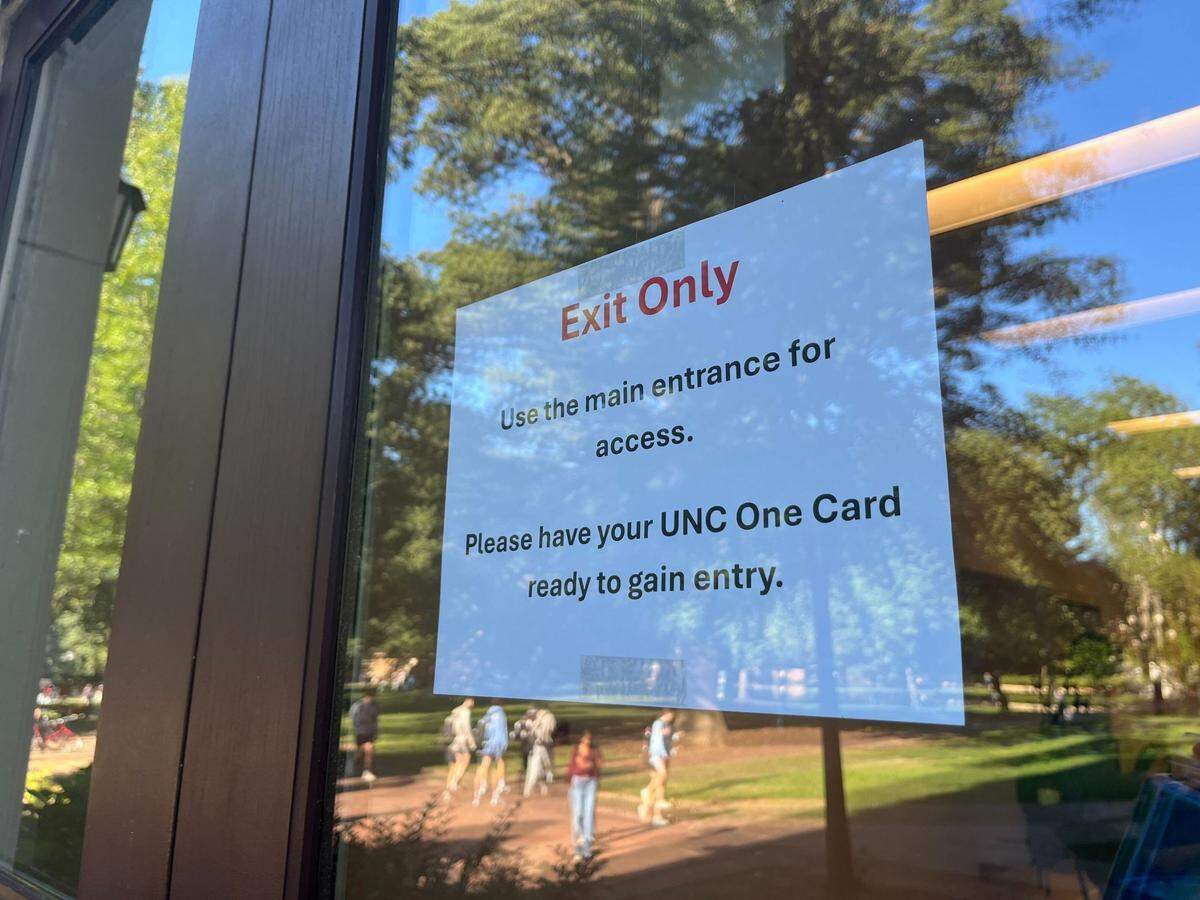
At some buildings, like Carolina and Manning, security guards were stationed at the main entrances to the buildings and were seen asking students for their IDs, known as One Cards, to enter the building. At Carolina and Hanes halls, signs were posted to side entrances marking those doors as “exit only” and instructing students to enter through the buildings’ main doors by showing their One Card.
At another building, Dey, a sign was posted on the main entrance instructing those entering the building to tap their One Card on a card reader next to the door. But on Tuesday, during a late-afternoon class change, few — if any — people were doing so. Instead, they entered the building as those in front of them held the door open.
In its statement to The N&O, the university’s media relations office wrote, in part, that measures like limiting access to buildings and installing additional fencing around campus are “used from time to time when it’s necessary, but it’s important to note that every situation is different, and Campus Safety considers a variety of factors when implementing safety measures.”
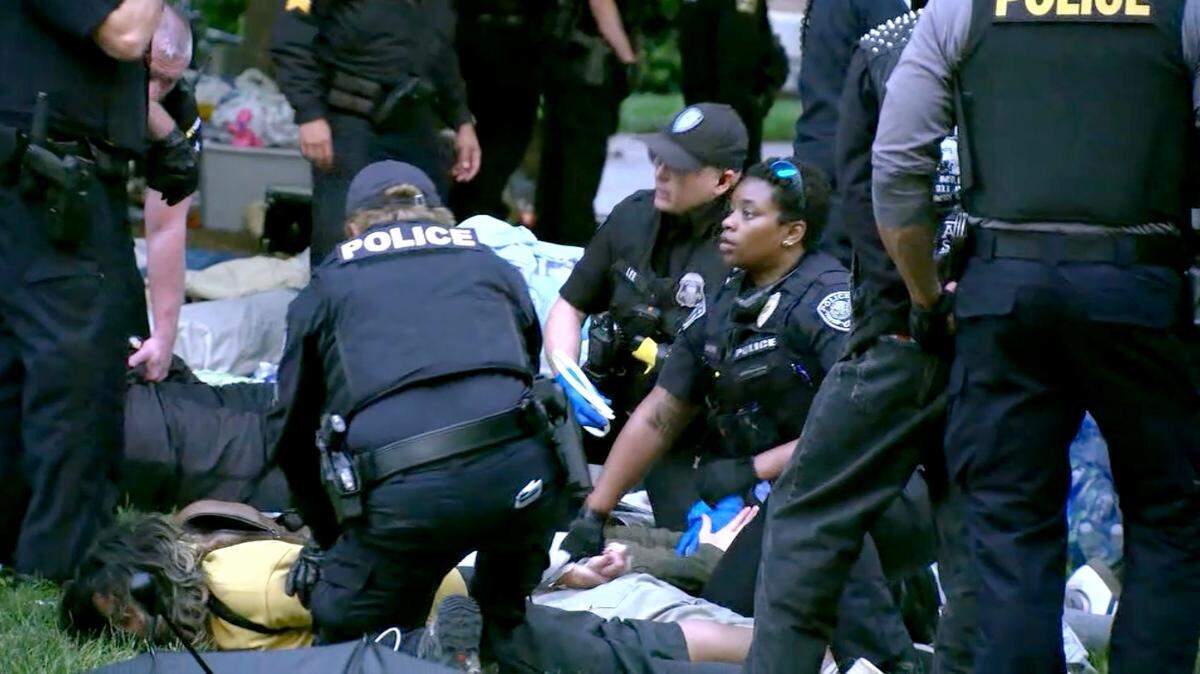
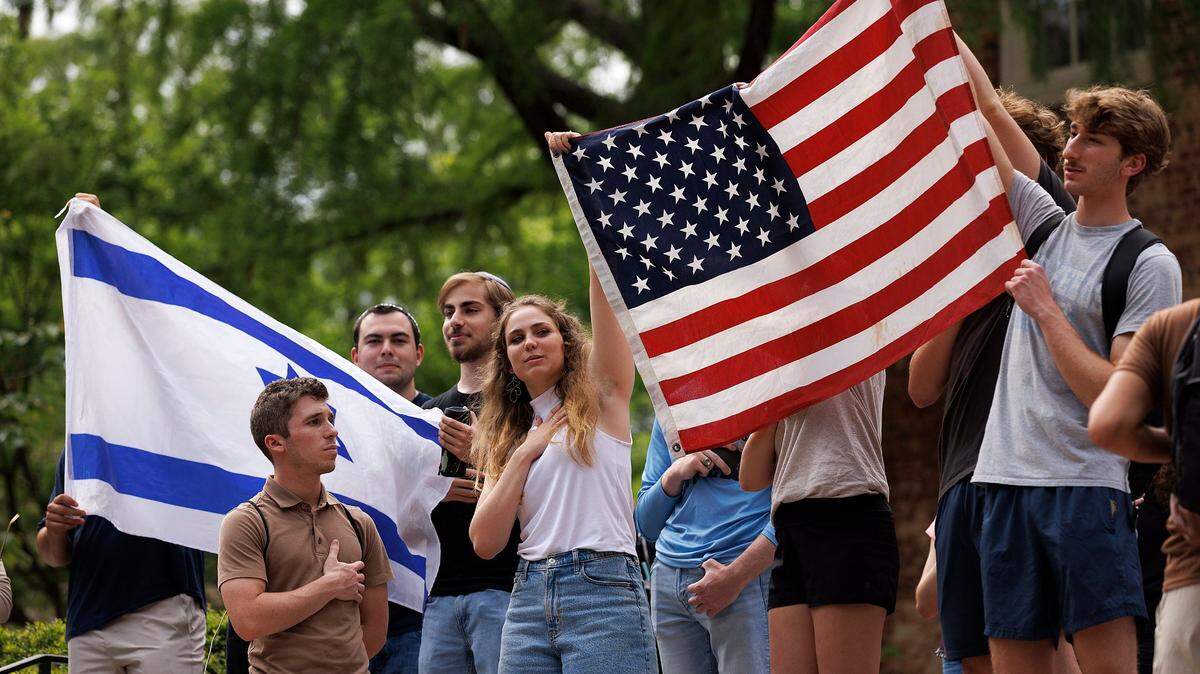
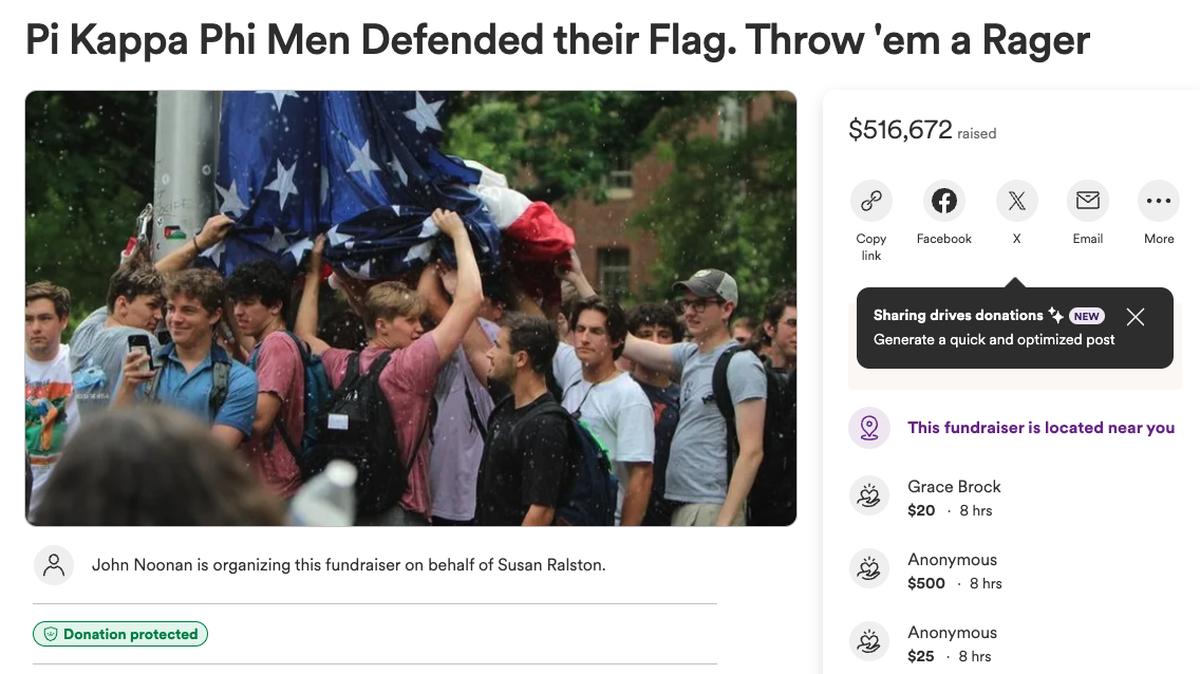
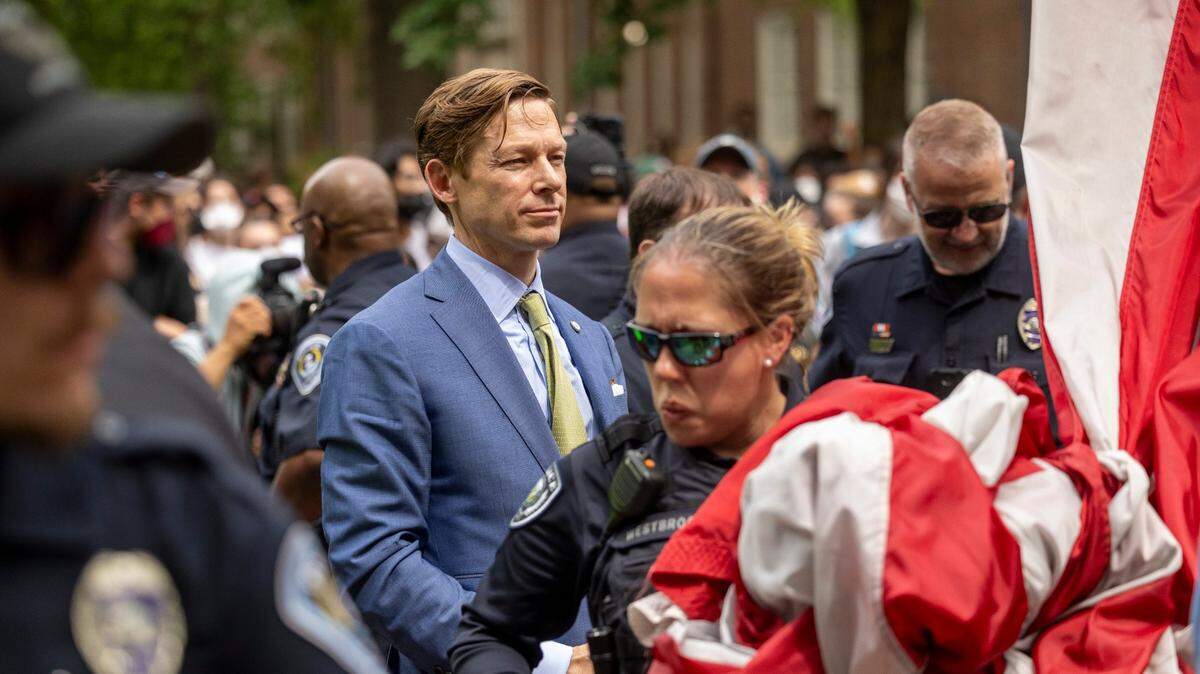
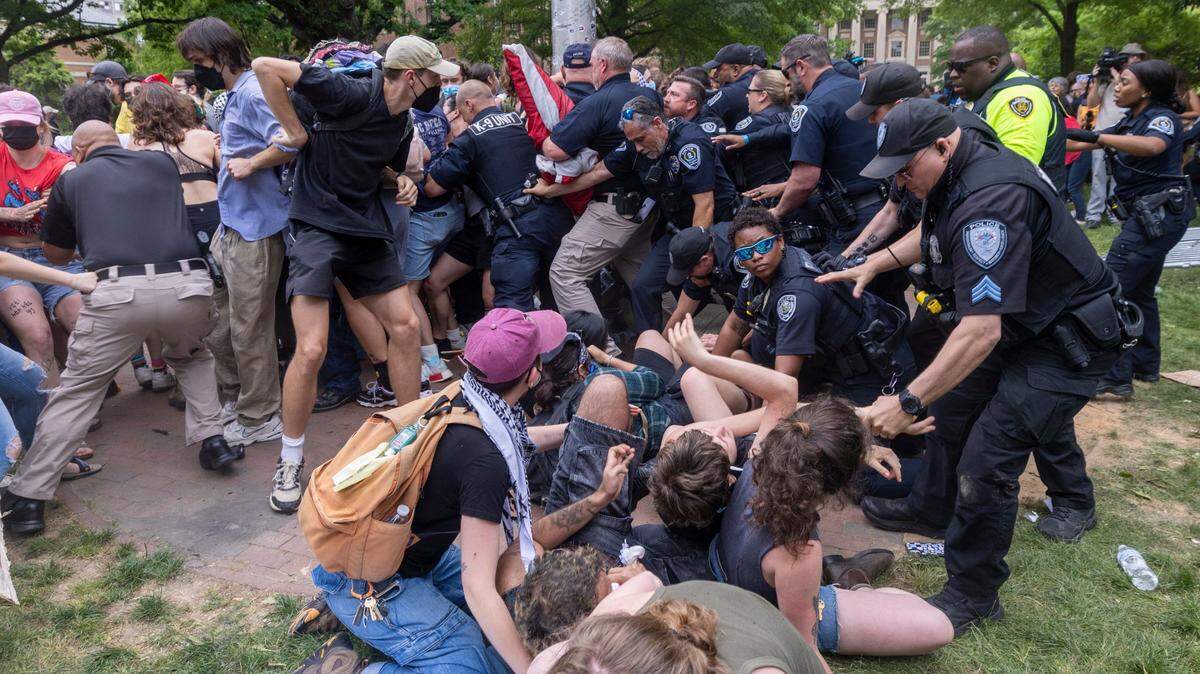
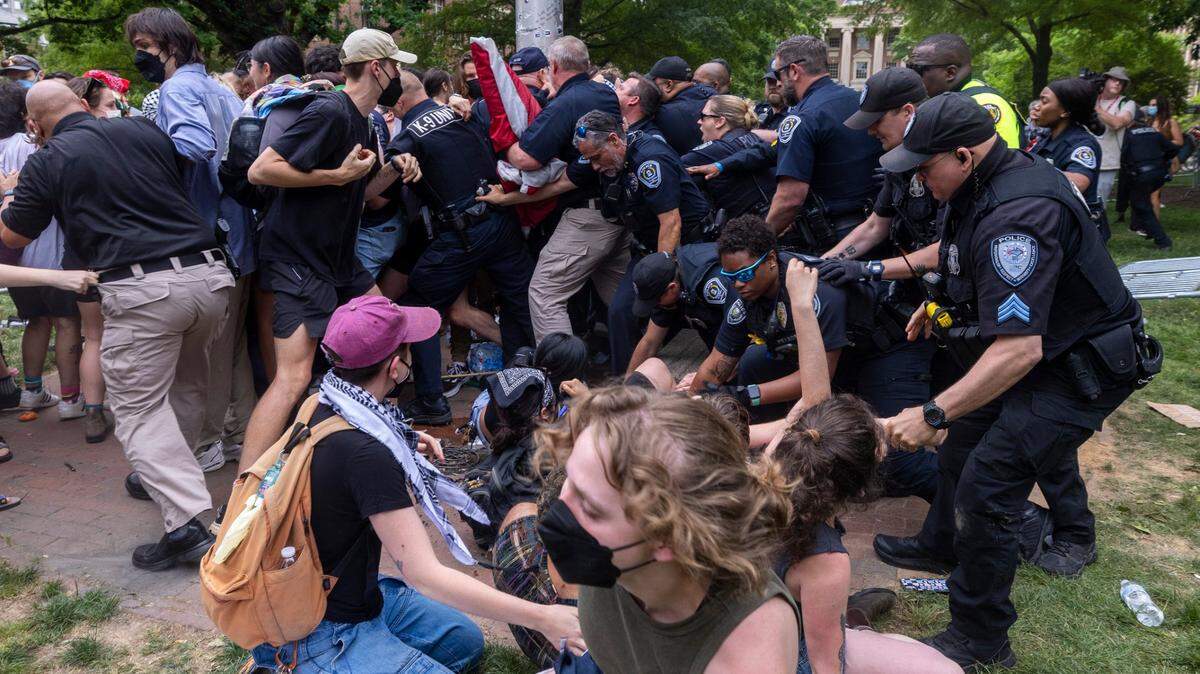
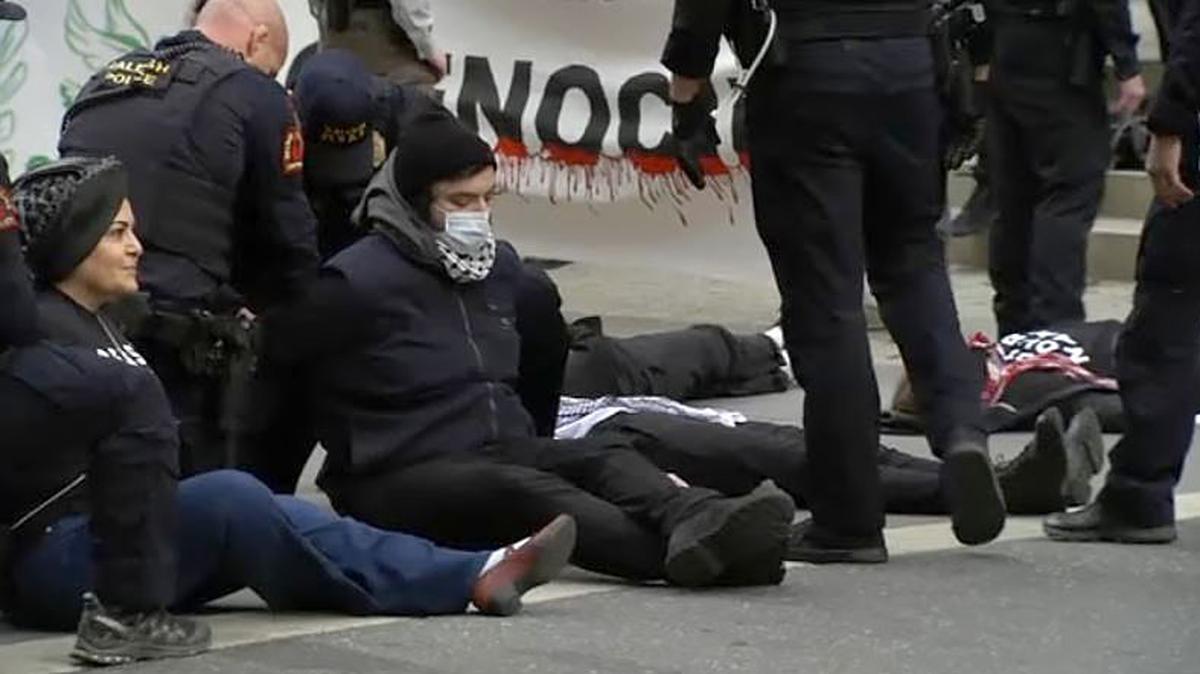
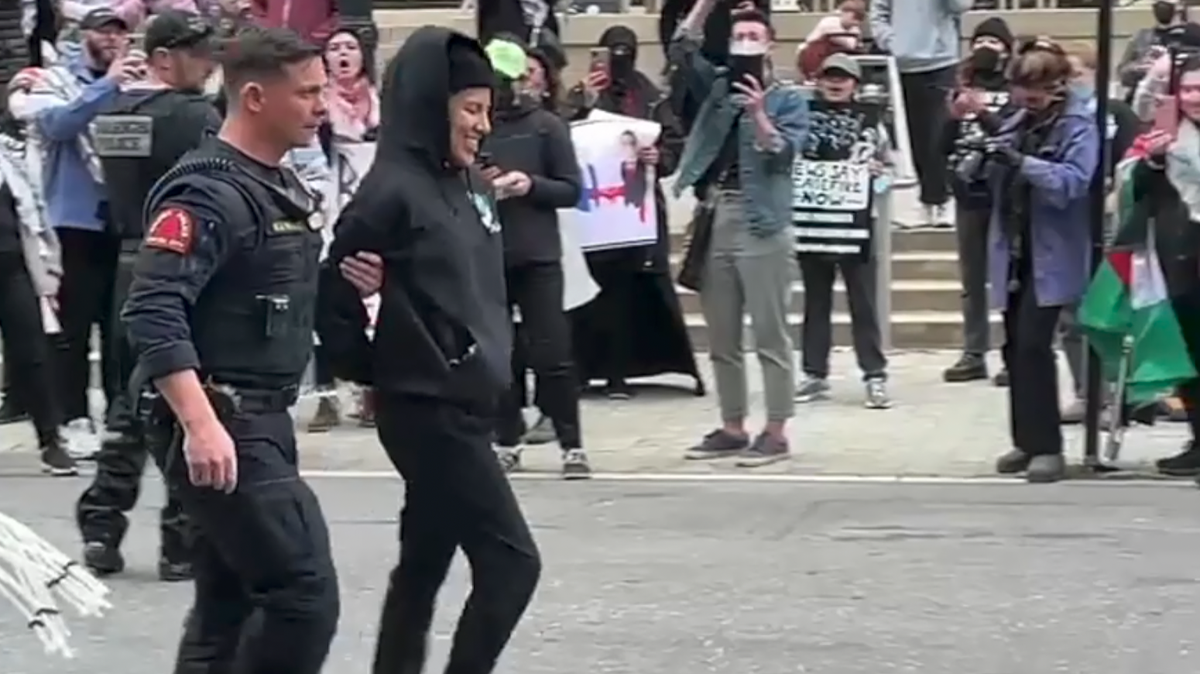
Asked by The N&O to cite specific examples of previous instances when access to buildings had been limited on campus in this way, the media relations office said access was limited at some buildings “in the immediate days after the April 30, 2024, demonstration,” after police disbanded the encampment and arrested some demonstrators. Later that day, protesters tore down the American flag from the flagpole on Polk Place.
The media relations office also wrote that access to buildings was “significantly limited” during the COVID-19 pandemic.
Fences installed at locations of protests
In addition to limiting access to buildings, various campus landmarks have been fenced off at various points throughout the week. While fences previously installed at the Old Well and Wilson Library were removed by Tuesday afternoon, the flagpole outside of the Naval Armory remained fenced off at that time, with no flag displayed.
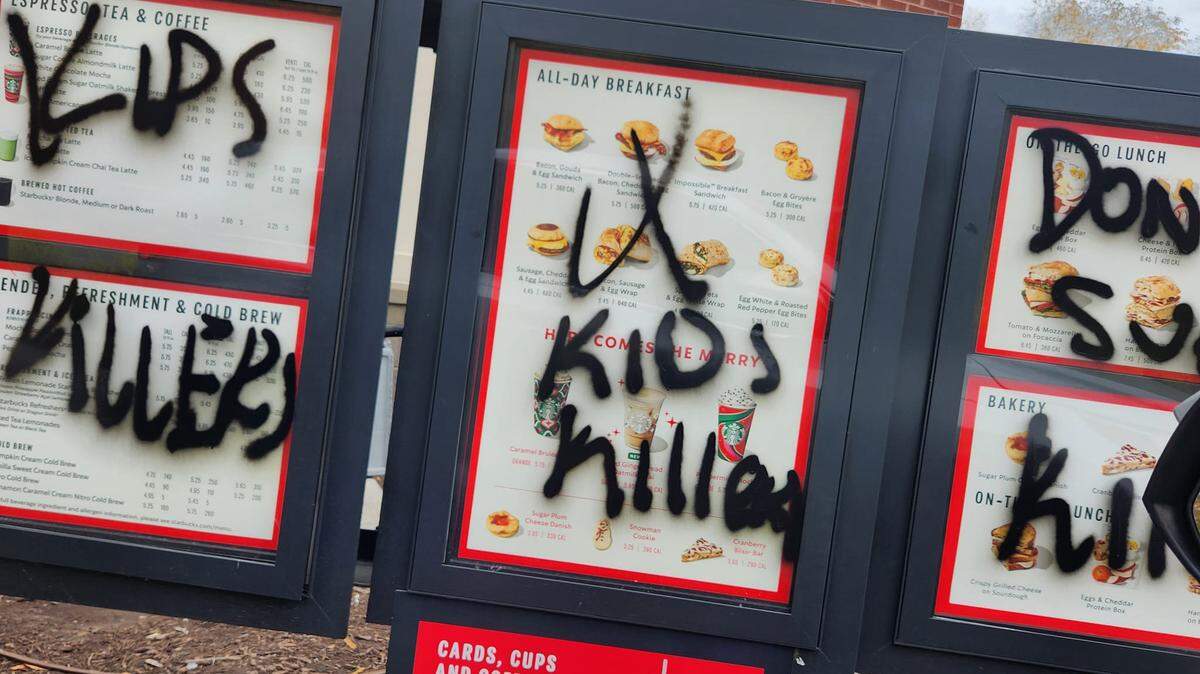
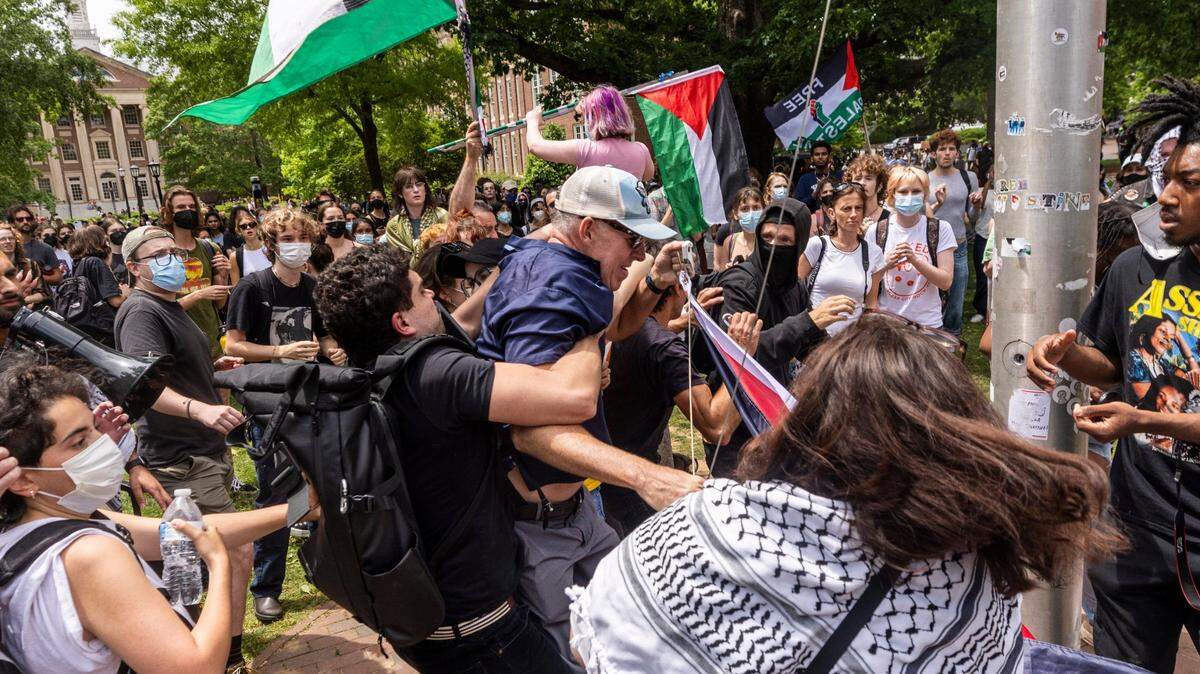
Last month, during a “Walkout for the West Bank” event hosted by SJP, demonstrators marched through academic buildings and spray-painted pro-Palestinian and anti-Israel phrases on the walls, The Daily Tar Heel reported. Later during the event, some demonstrators vandalized the Naval Armory with spray paint and tore down the American flag just outside of the building.
Sandwich board signs were posted around Polk Place Tuesday, reminding passersby of the university’s policies on the acceptable uses of campus facilities. That includes not breaking down “crowd control barriers” and not damaging or defacing public property, the signs stated.
Temporary surveillance cameras also lined the quad, and at least one sat outside of the main entrance to South Building, which houses Chancellor Lee Roberts’ office.
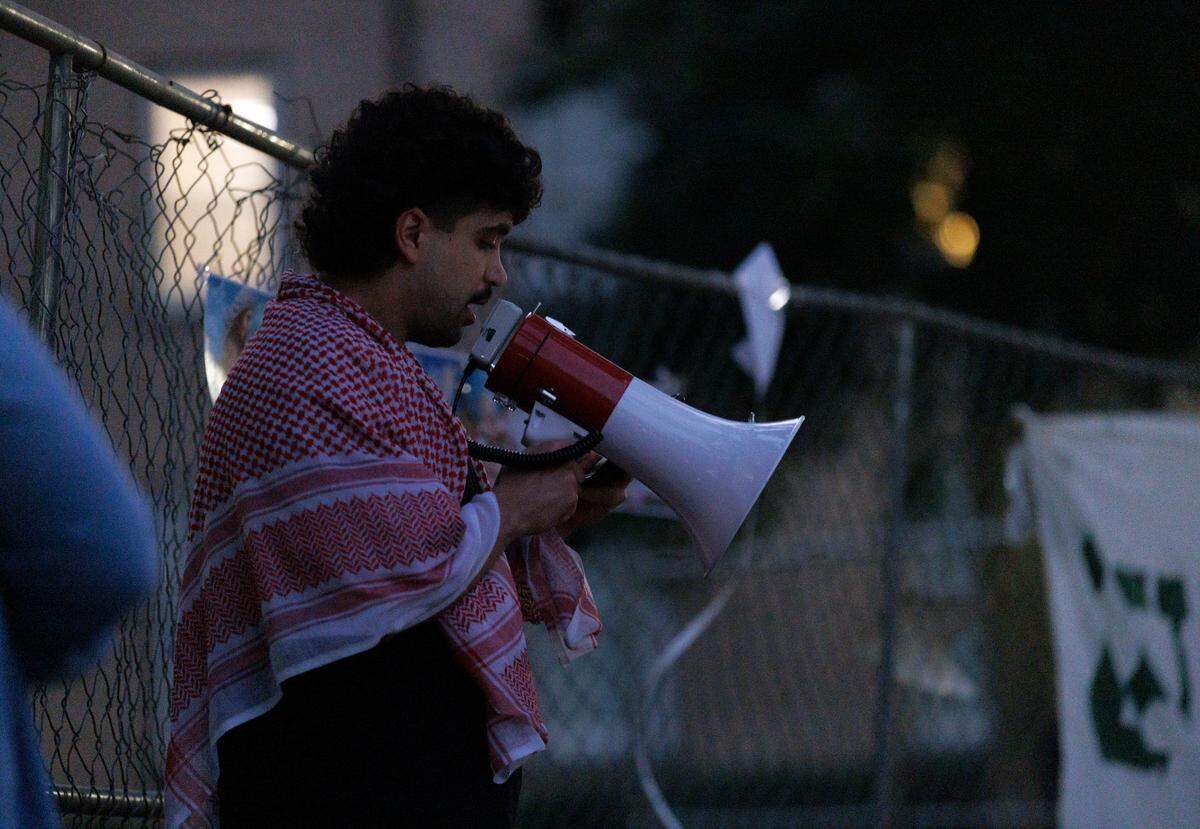
Amireh, the SJP member, said “it seems this administration is hell-bent on surveilling students, repressing students’ free speech, all for the clear cause, clear goal of maintaining the status quo.”
Since the war in Gaza began last year, SJP has called on the university to disclose and divest from any investments it holds that support Israel in the war, among other demands. It is unclear whether the university holds such investments.
In an interview with The N&O Wednesday, Roberts said the increase in cameras on campus is part of a larger effort to heed the results of an after-action report that followed the August 2023 fatal on-campus shooting. Among other guidance, the report recommended the university “use multiple approaches to prioritize campus and building safety, including upgrading existing camera systems.”
The university has also installed license plate readers through Flock Safety, a private company.
“There are many more cameras installed on a permanent basis around campus,” Roberts said. “You also see temporary cameras go up when we think there’s likely to be protest activity. I think that’s just sound policy.”
Roberts said he has heard “a very wide range of views” on the increased security on campus this week, including those who have concerns and those who appreciate the measures.
This story was originally published October 9, 2024 at 3:56 PM.







.JPG)