‘The Unicorn’ pores over every detail to achieve Raleigh realness (while filming in LA)
Even casual viewers of “The Unicorn” are likely aware by now that the CBS sitcom, about a widowed father of two daughters re-entering the dating world, is set in Raleigh. The city’s name routinely shows up in large signs or on the sides of buildings.
Local viewers may even notice the occasional name-dropping of local places, like Glenwood, Boylan Heights and Clyde Cooper’s Barbecue.
But the Raleigh-fying of the series, which is actually based on the real life of Raleigh native Grady Cooper, goes much deeper than that.
It starts in the Los Angeles writers’ room with two UNC grads: Cooper, co-creator and producer, and Bill Martin, co-creator, executive producer and show-runner, both making sure references in the script can be local whenever it makes sense to do so.
There are others who work hard to make sure the architecture is authentic, the home design is realistic and the plants are native. Heck, many times, even the beer is local.
Here’s a look at what goes into making a show set in Raleigh feel authentic, even when it’s filmed on a backlot in Los Angeles.
In the writer’s room
When we first wrote about “The Unicorn,” before the series premiere back in 2019, Martin told us that, “more than any other show we’ve worked on, we want it to feel real.”
Film director Peyton Reed, a co-executive producer on the show and a Raleigh native who also went to UNC, told us at the time that if “The Unicorn” got a second season, they wanted to bring a film crew to Raleigh to shoot some establishing shots.
“The Unicorn” did get renewed for a second season. In the middle of a pandemic.
“All of us would love to go to Raleigh and shoot real places and give it a real feel, because I think we all want the show to feel legit and real, and like real people living in a real place,” Martin told us in a phone interview in late February of this year, a couple of weeks after filming wrapped for Season 2.
“This season even more than last, it was hard to get out in the world and film because of COVID.”
But Martin says because of that, it was more important than ever to “find that texture and those real touchstones in signs and food and sounds, instead of actually going out.”
This season, the writers’ room became day-long Zoom calls. That was a tough adjustment, Martin said, and it slowed down the process (“Just my dogs alone probably cost me a hundred hours of productivity,” he added.)
Having Cooper, with his deep Raleigh ties, so heavily involved in the show is one way to keep things authentic.
In other words, you won’t see any “taking the ferry from the Outer Banks to Chapel Hill” goofs here like we saw in the Netflix series “Outer Banks.”
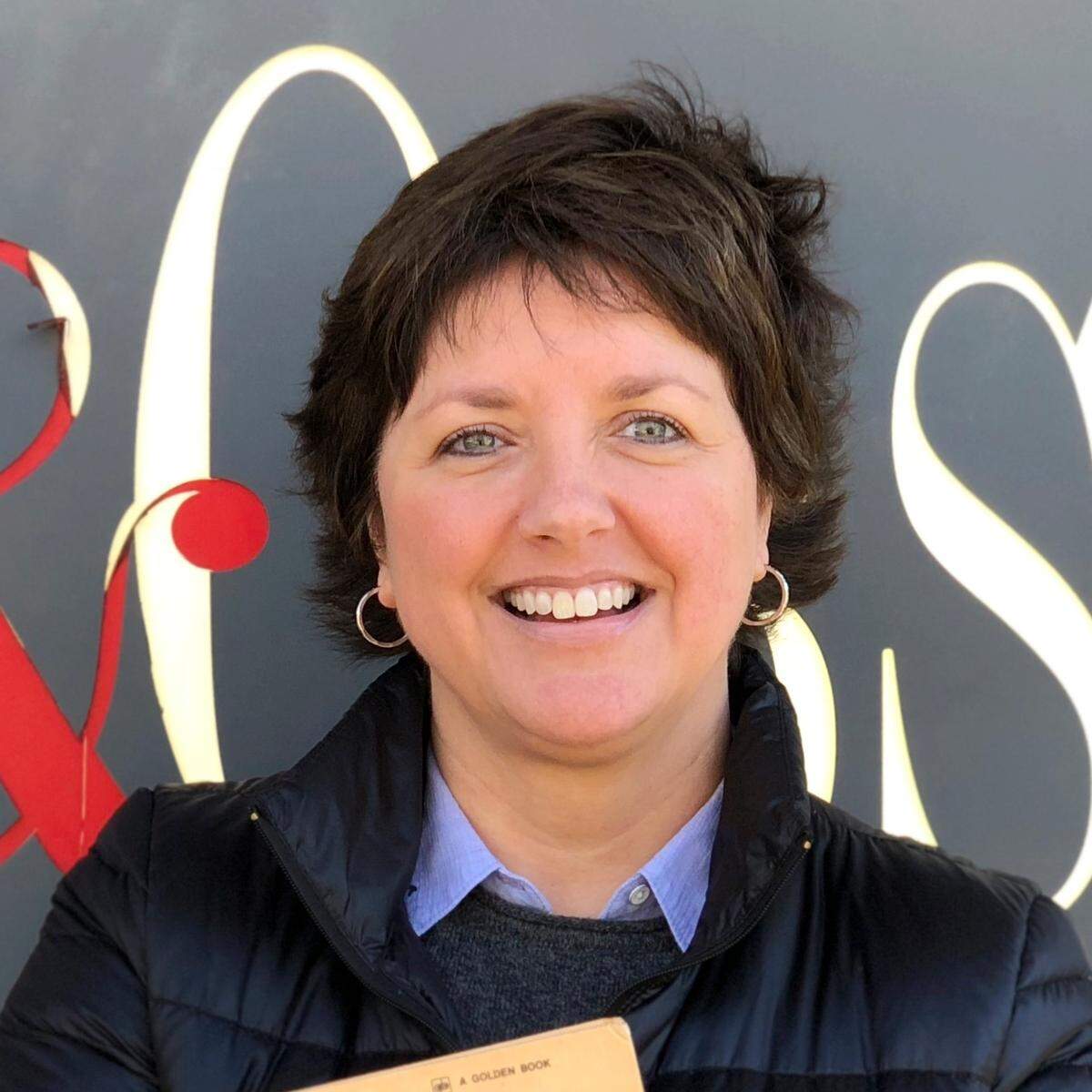
Cooper was born and raised in Raleigh and graduated from Broughton High School and UNC. His parents still live here. He moved to Los Angeles after college to work as a film editor. That’s where he met his wife, Jane, who died in 2015 from a brain tumor.
Cooper, along with Martin and Reed and Mike Schiff, conceived the show after Cooper shared funny stories of trying to re-enter the dating world. They decided to set it in Raleigh. In real life, Cooper lives in Los Angeles and his two daughters are a little older than the daughters of his character — Wade, played by Walton Goggins.
“One thing that’s great about having Grady in the room is anytime we can touch on some Raleigh establishment or classic Raleigh thing he’ll pipe right up,” Martin said. “When our characters were eating barbecue, he immediately said ‘Clyde Coopers!’ He’s the cheerleader in the room, certainly.”
Clyde Cooper’s Barbecue, a downtown Raleigh staple since 1938, gets a shoutout in the March 11 episode, when we see Wade and his friends enjoying takeout in Wade’s backyard.
Tracking the Raleigh references
Those kinds of references are sprinkled throughout the show, starting in Season 1.
Not that we’re obsessive or anything, but here are a few examples.
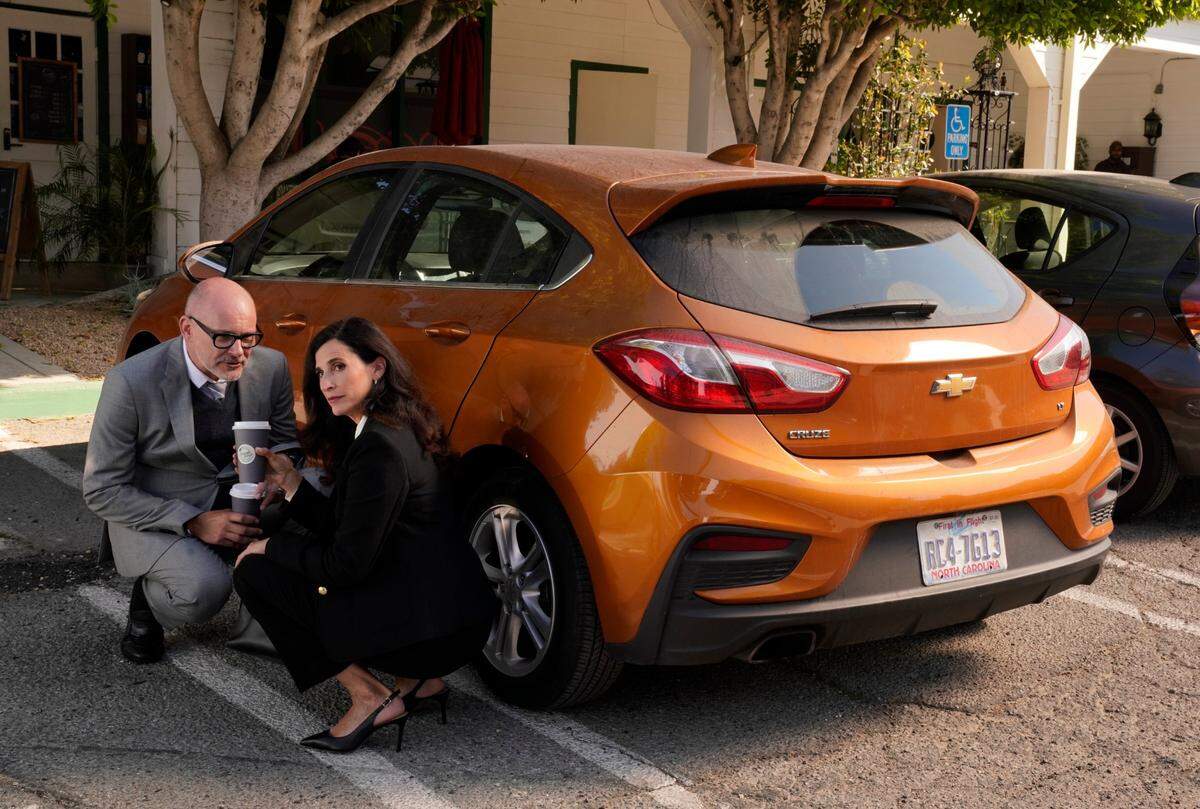
▪ In Episode 3 of the first season, Forrest (Rob Corddry) and Delia (Michaela Watkins) hide from a friend beside a car with North Carolina license plates.
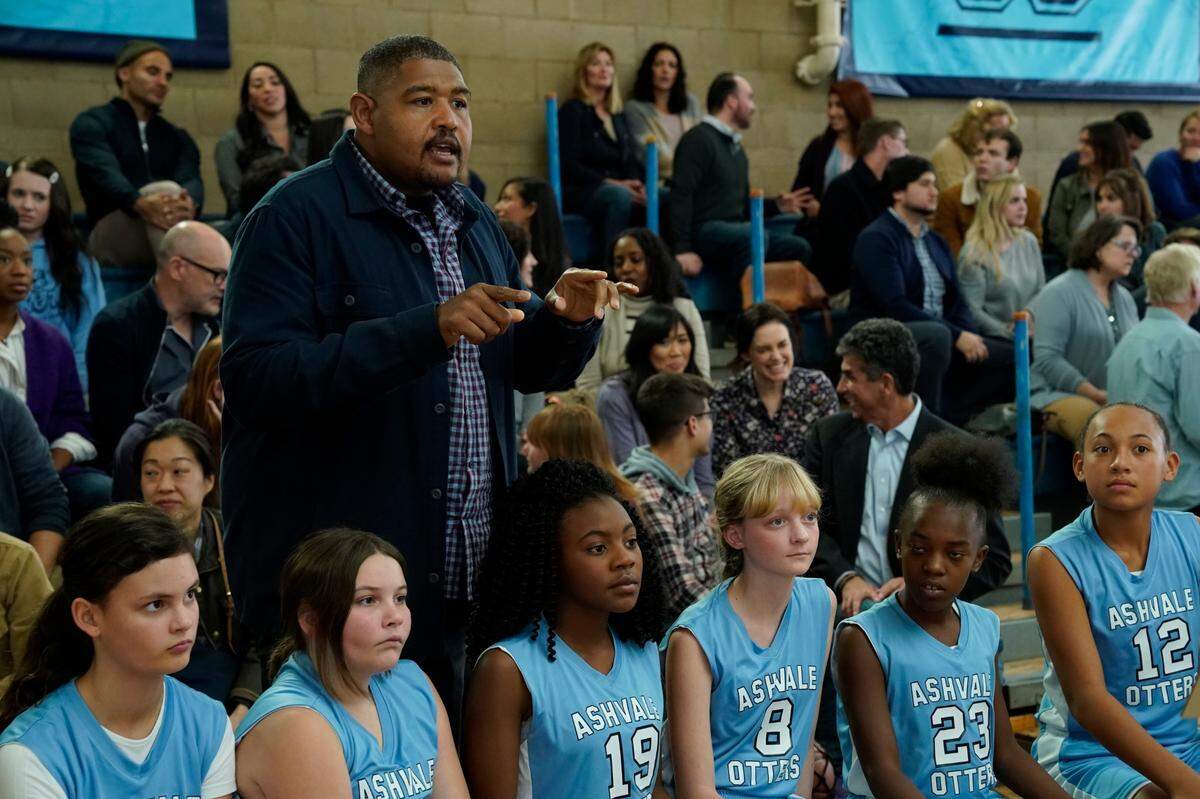
▪ In Episode 6 of Season 1, Wade and his friends Forrest and Ben (Omar Benson Miller) go to a bar, and while chatting up some women, they mention that Wade did some of the landscaping for the Carolina Panthers stadium (yes, a bit of a commute). At another point in the episode, Wade flirts with the bartender, Lena, who helps him with the Scrabble game on his phone and says, “And they said being an English major at Duke was a waste.” (Bonus: Lena gives Wade her phone number, and of course, it’s a 919 area code.)
▪ In Episode 9 of Season 1, a woman invites Wade on a date to see a photography exhibit “at the Ackland” (the art museum in Chapel Hill).
▪ In Episode 10 of Season 1, Forrest thinks he’s doing Wade a favor by buying him some condoms before a big date. But because Forrest was embarrassed, he “had to drive all the way down to Garner where no one knows me.”
▪ In the second episode of Season 2, Forrest recommends that for dinner they try that “cute place off Glenwood called Countertops.” Ben tells him that’s not a restaurant, they actually sell countertops.
▪ In Episode 7 of Season 2, Wade tells his friends about a great date he had with new girlfriend Shannon (Natalie Zea), where they found “the most amazing fish market in Boylan Heights.” (A nitpicker would notice that Georgia-born Goggins pronounced Boylan more like “Bo-lan” but it’s fine, we’ll take it).
▪ In Episode 9, Shannon’s ex-husband gets a job in Asheville, and she ultimately decides to move there too, so that their son can be close to his dad.
▪ In Episode 10, which aired March 4, Wade plans to visit Shannon in Asheville, but a sick dog prevents him from leaving on time, so they meet halfway, in Statesville.
▪ Also in Season 2, Ben’s wife, Michelle (Maya Lynne Robinson), wants to go back to school, and the two colleges she applies to are Sanderson State and Piedmont. Neither are real colleges, but the names feel very local.
And those are just the verbal cues.
▪ Visually, we’ve seen fake exteriors of Delia’s workplace, Raleigh Community Medical Center; the Lake Johnson Veterinary Clinic; signs advertising the local coffee shop, Raleigh Roasters; a Raleigh Parks and Recreation sign at the local tennis court; and various giant “Raleigh” signs downtown near the restaurant where Shannon works, Azalea Cafe.
▪ Also, in different episodes of the first season, we see characters wearing T-shirts representing the revered Raleigh band The Connells, and also The Cardinal Family Singers, Peyton Reed’s band.
Martin said we’d see much more of that kind of thing, if it wasn’t for lawyers.
“Of course we want everyone to be wearing Tar Heel gear all the time,” Martin said, but it’s too expensive.
“We would love to fill the show with music from North Carolina too but it’s tough to license things,” Martin said. “In a perfect world, everyone would be listening to The dBs and wearing Carolina shirts.”
But many of the show’s nods to Raleigh — and North Carolina, in general — are much more subtle.
Researching Raleigh from afar
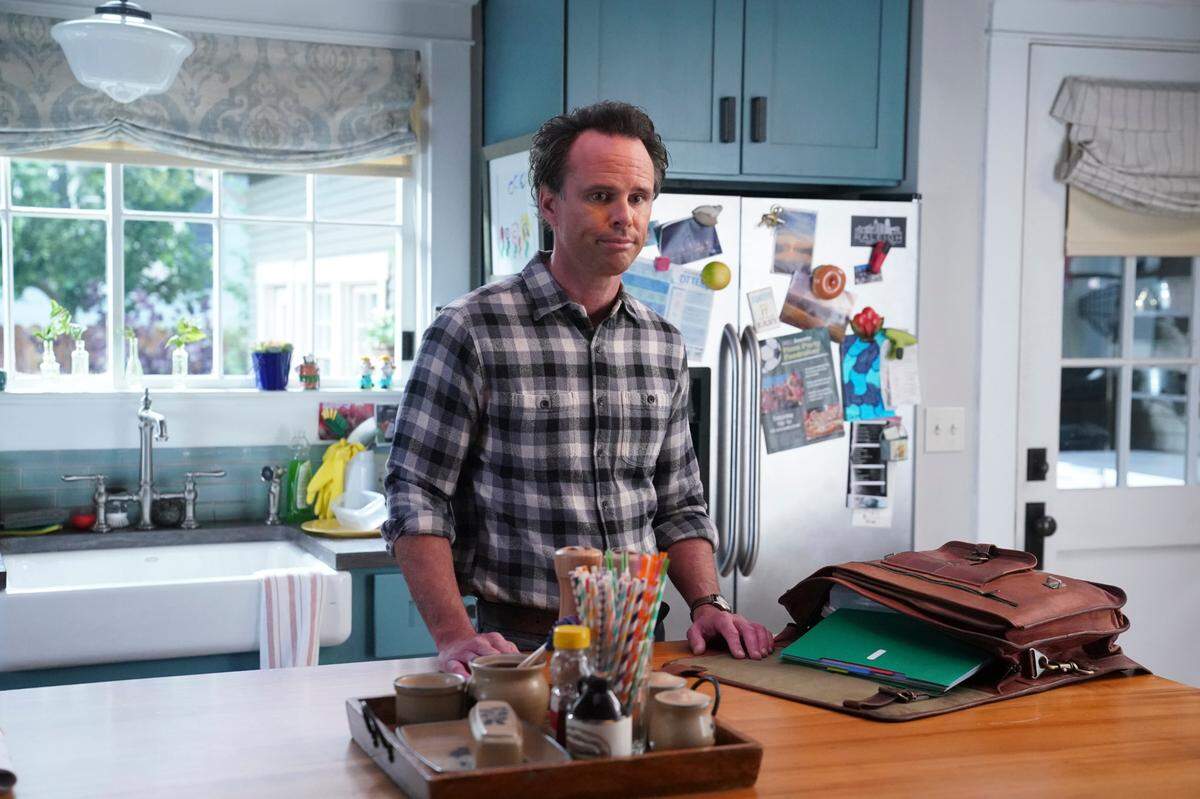
Martin explained that Cabot McMullen, the show’s production designer, starts to pay attention to set details early in the process.
“Sometimes we don’t make decisions about where things are happening until Cabot comes to us and says ‘we have to nail this down because we have to start building it,’” Martin said. “He takes this stuff so seriously. Whenever we say there’s a beer joint, the next thing is we have an email with 15 pictures: ‘Here’s some incredible beer joints I found in Raleigh!’ He won’t just dial it in, he will dig deep.”
McMullen is an experienced designer, having worked on a number of shows including “Saturday Night Live,” “Scrubs,” “Cougartown,” “Spin City” and “Supergirl.” Plus, he was born in Norfolk and his father’s family is from Pinehurst, so he has some familiarity with “back East,” he said.
McMullen points out that most situation comedies are set in a non-specific locations, so “The Unicorn” is a bit of a well, unicorn, in that regard.
“When Bill and Mike (Schiff) said it was going to be in Raleigh, we all got very excited because it’s so specific, geographically,” McMullen said. “So we just kinda dove right in.”
McMullen said his team’s research started with plowing through issues of local publications like The News & Observer, Raleigh Magazine, North Carolina Builder, 919 magazine, Wake Living and others. They also checked out local podcasts like the NC Food & Beverage podcast.
“To get a feel for the neighborhood,” McMullen said they also researched local food spots like The Mecca, Beasley’s Chicken + Honey, Boylan Bridge Brewpub (now Wye Hill Kitchen & Brewing), Slingshot Coffee Company, Transfer Food Hall, Videri Chocolate and Joule Coffee (now St. Roch Oyster Bar), in addition to art galleries, City Market, the farmers market and Lincoln Theater.
The restaurants we see on the show are “kind of a mash-up of different places in Raleigh,” McMullen said.
One episode featured a record store modeled after Schoolkids Records and Sorry State Records.
From clapboard siding to pine trees, it feels like Raleigh
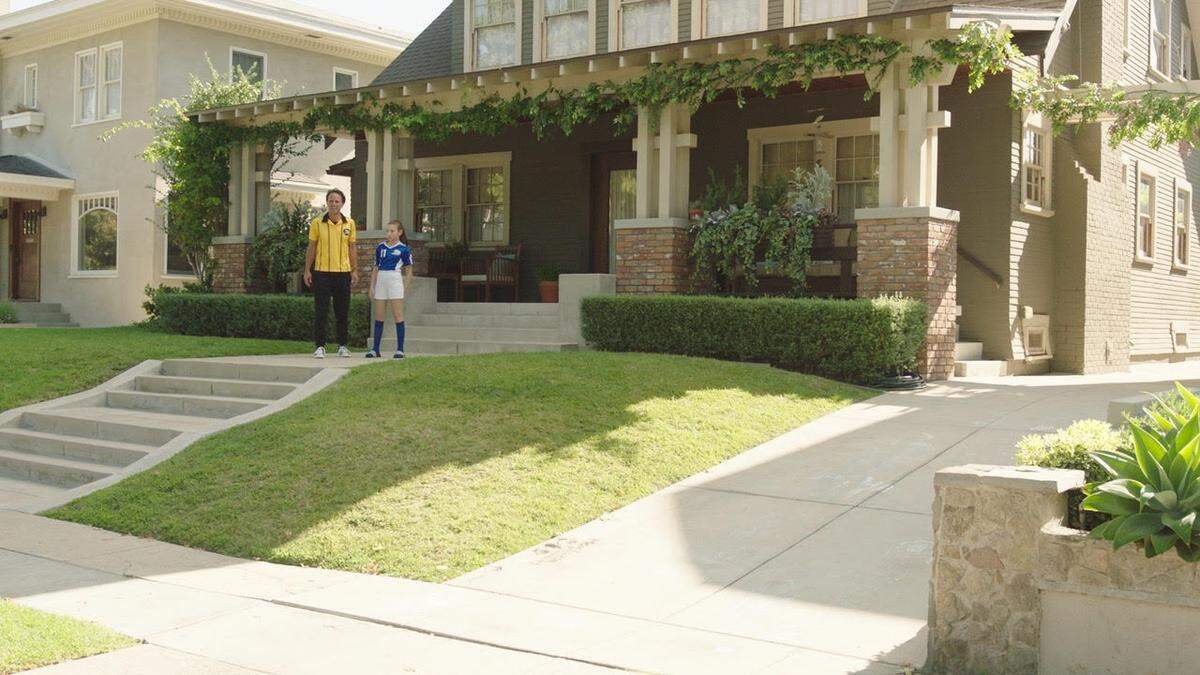
For Wade’s house, which McMullen calls “the heart and soul of the show,” he identified a specific style of architecture called Mountain Craftsman, which you might see in nearly any Inside-the-Beltline Raleigh neighborhood.
Paying attention to details like the types of brick, clapboard siding and color palettes used, McMullen found the right home in the Hancock Park neighborhood in LA, near Paramount Studios. That’s where they shoot front exteriors.
McMullen said to get an idea for signage and landscaping, they did a deep dive into Zillow and local real estate companies to see what houses were for sale, and how people here plant their gardens and backyards.
“Our greenswoman was very aware and very curious about everything that grows in your neighborhood,” McMullen said.
The three couples on the show — and all of their kids — spend a lot of time in Wade’s backyard, so McMullen’s team has to make sure all of that looks authentic too.
“We have pine trees in the backyard set, which you usually don’t see in Los Angeles,” he said.
One point of pride is the giant magnolia tree they constructed in the back corner of the yard. It’s a real magnolia tree trunk, with artificial leaves and limbs attached (under studio lights, a real tree wouldn’t last long, he said).
On camera, it looks absolutely real. In person, McMullen says it’s a piece of art.
In the backyard scenes we see more of the handiwork of greenswoman Gretchen Spence. Her job is extra important since Wade owns a landscape business (in a nod to North Carolina’s state bird, the company is called Red Bird Landscape Company).
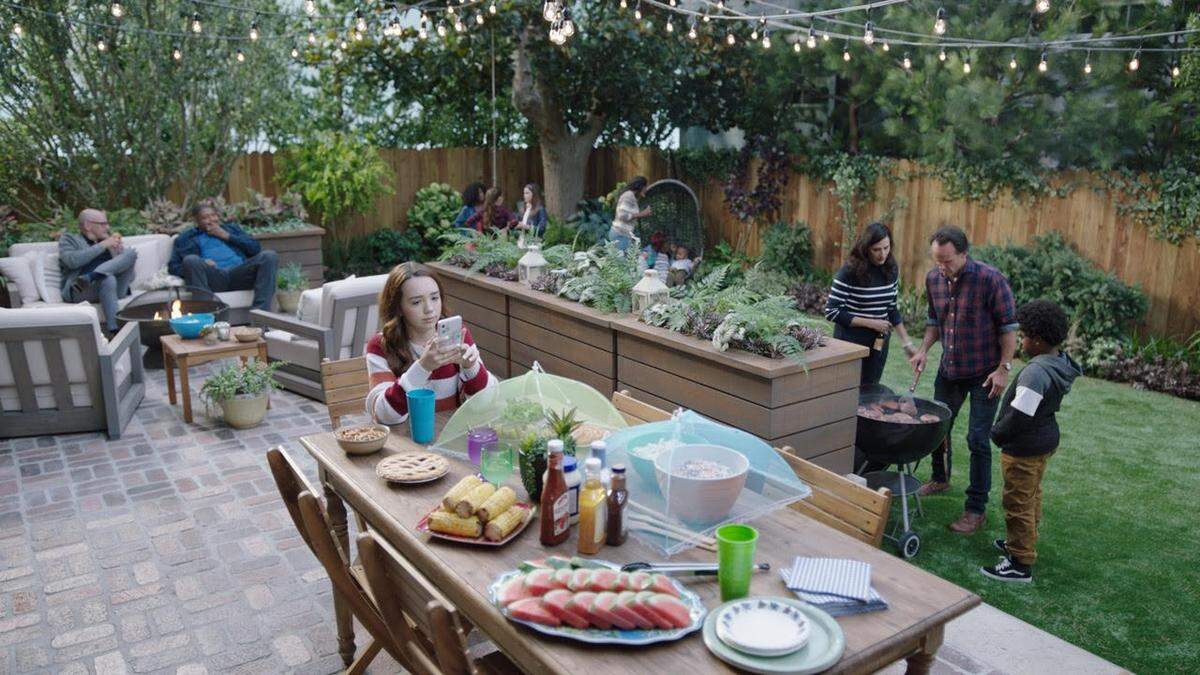
Martin told us: “When we have our landscape architect Wade out doing planting somewhere, I’ll say ‘Oh, do those grow in North Carolina?’ and she’ll say ‘Yes, those are perennials, they grow from the coast of North Carolina all the way to the mountains’ and I’ll say ‘OK OK OK!’”
For the interior of the home, they researched local designers to see the kinds of things the characters would have in their homes.
“Our set decorator Andrea Fenton is very skilled at finding the right layers of fabrics and a mix of old and new,” that fits Wade’s family and lifestyle, McMullen said.
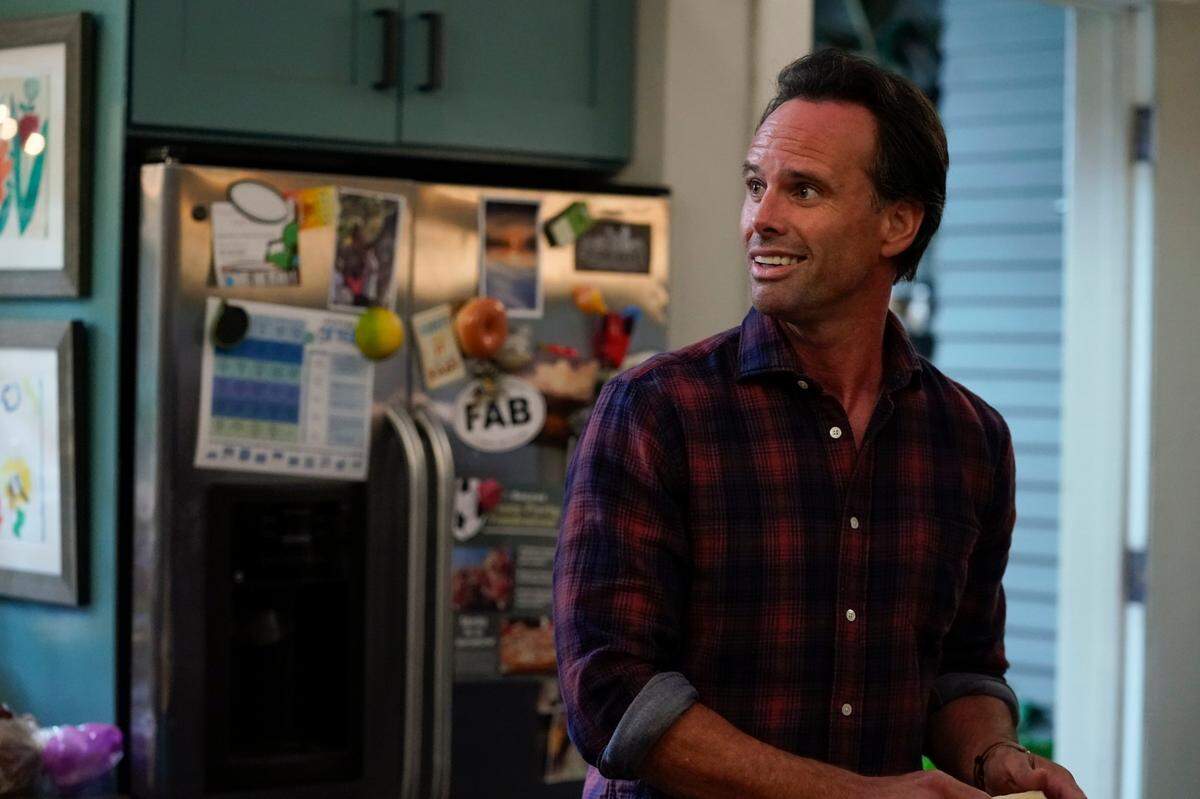
Inside the home, eagle-eyed viewers might also notice the “FAB” sticker on Wade’s fridge, from Flaming Amy’s Burrito joint in Wilmington, during Season 1. In Season 2, a black “RALEIGH” magnet takes its place.
A nod to Raleigh’s mid-century modern history
Another popular style of Raleigh architecture is evident on the show in the home of Forrest and Delia.
“To my surprise I found out that North Carolina has the third largest concentration of modernist homes in the country,” McMullen said, due in large part to the influence of The School of Design at N.C. State University, which recruited modernist architects for its faculty in the 1950s.
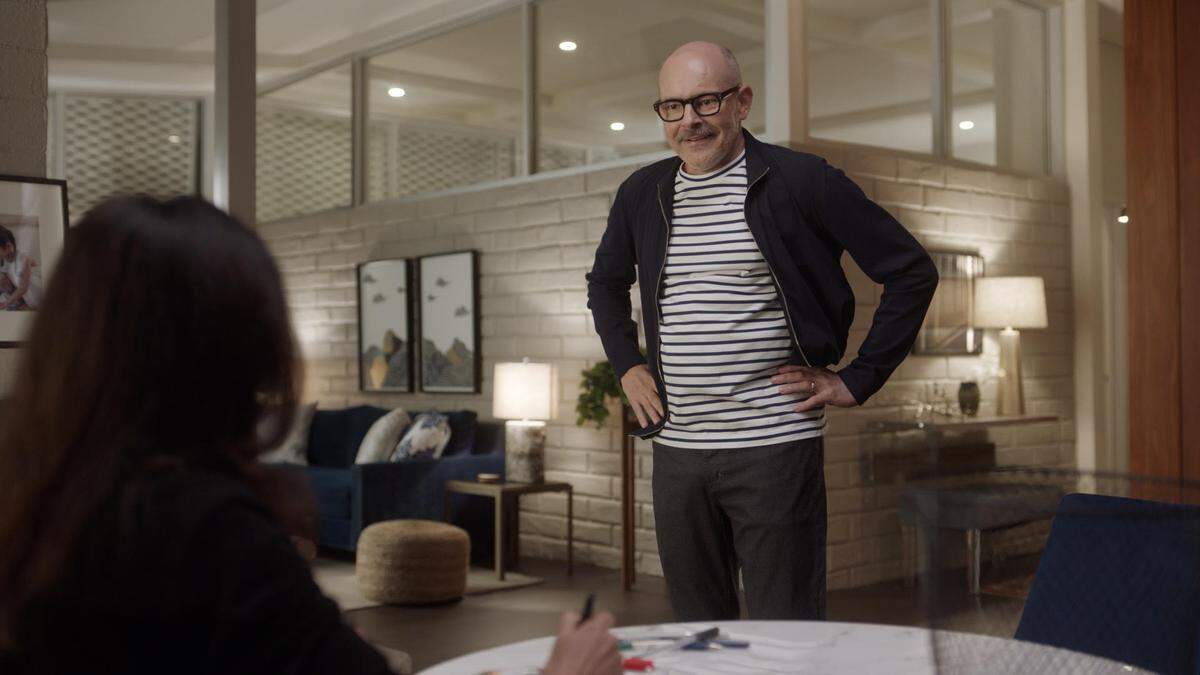
McMullen “loosely based” Forrest and Delia’s mid-century modern post-and-beam-style house on the stunning renovation of the 1959 mid-century modern Ocotea House, by Raleigh architecture firm In Situ.
“In Situ was very dedicated to trying to preserve that heritage,” McMullen said, referencing the “tear down” trends rampant in Raleigh and other growing cities.
“We wanted to honor the mid-century history there,” McMullen said.
In addition to finding the right style of homes for the characters, McMullen said they also paid attention to the economic realities of the characters, finding the homes that characters would realistically be able to afford.
On the show, Delia is a doctor, and Forrest is a ... we’re not sure what Forrest does in that hipster office of his, but he and Delia would certainly be able to afford such a home in Raleigh.
And also, there’s beer
In addition to the homes, the signage and the plants, special attention is paid to getting the right kinds of props on the show.
“The Unicorn” property master Cynthia Nibler told us she starts her research online, after reading the script, but also likes to interview people. She once sat in on a heart by-pass surgery for her work on the film “21 Grams,” and she has interviewed inmates for movies involving prison life.
Her job is to select for the show anything that is not a permanent part of the set — anything an actor touches or picks up, including electronic devices, cars, newspapers or magazines, watches, eyewear or food. Oh yes, and beer.
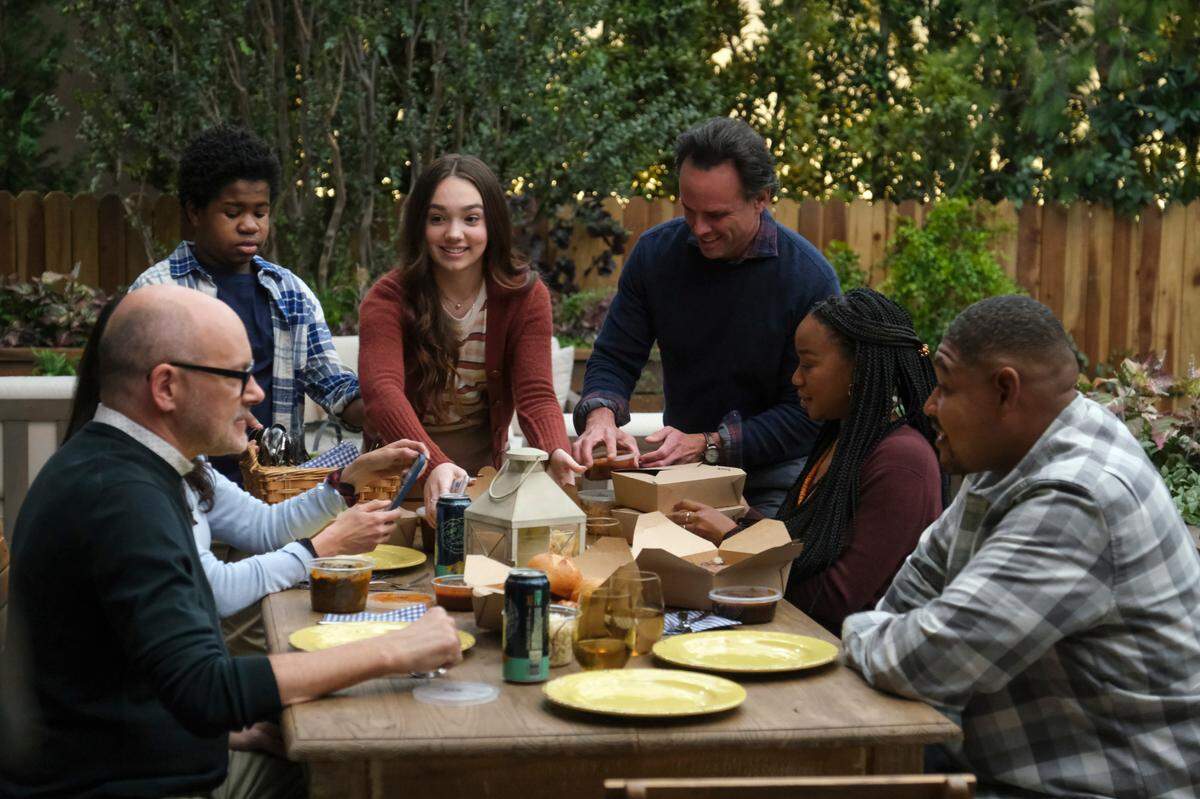
There are plenty of believable-looking fake beers on TV shows, and “The Unicorn” uses some of them as well, like Penzburg and El Brazo. But Nibler has moved beyond that, reaching out to Raleigh breweries Lonerider and Trophy, to use their beer bottles in scenes.
“I contacted both Lonerider and Trophy Brewing to ask for permission to use their packaging on camera,” Nibler said. “They were both very generous to help us out.” (Martin adds that “the beer was delicious.”)
You can clearly see Trophy beer cans in at least two Season 2 episodes. Apparently a Cloud Surfer IPA goes great with Clyde Cooper’s barbecue.
Because of all the research that goes into the show, McMullen describes it as being almost like detective work.
“At the end of the day, you really want to tell something about the characters with the sets that you can’t get from the script, that can’t be expressed in words,” McMullen said.
“In an ideal world ... all the department heads would come to your town and spend a little time there and meet people and take a lot of photographs, take some measurements, find things that inspire us, and then try to recreate a version of that.
“It would have been great if we could have all come to Raleigh for a couple of days.”
There’s always next season.
How to watch ‘The Unicorn’
“The Unicorn” airs at 9:30 p.m. on Thursday nights on CBS. The Season 2 finale airs March 18.
Season 1 of “The Unicorn” is available on Netflix.
All episodes of “The Unicorn” are available to stream on CBS’ new streaming site, Paramount+.
This story was originally published March 5, 2021 at 1:20 PM with the headline "‘The Unicorn’ pores over every detail to achieve Raleigh realness (while filming in LA)."