
‘It’s not enough.’ A year after Belk’s bankruptcy, retail experts remain skeptical
READ MORE
Belk after Bankruptcy
Expand All
‘It’s not enough.’ A year after Belk’s bankruptcy, retail experts remain skeptical
A timeline of the Belk department store: From 1888 to now
These retail stores opened in the Charlotte area over the past year, despite COVID
Do you shop at Belk? Take our survey and let us know about your favorite retailers.
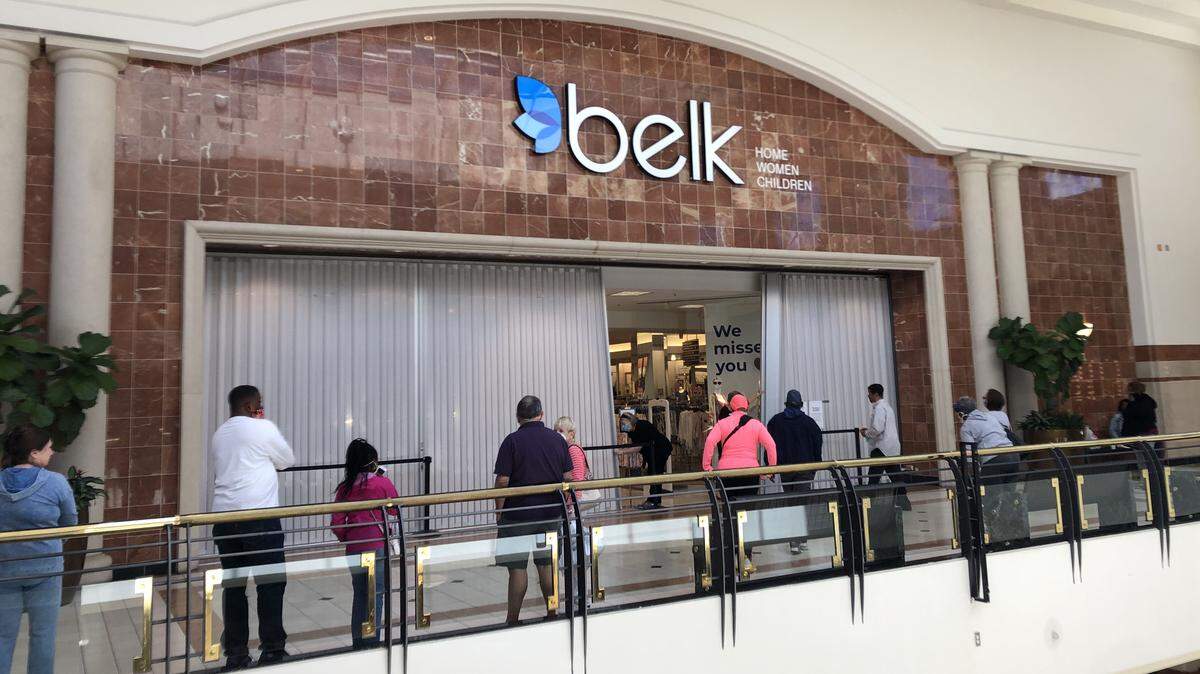
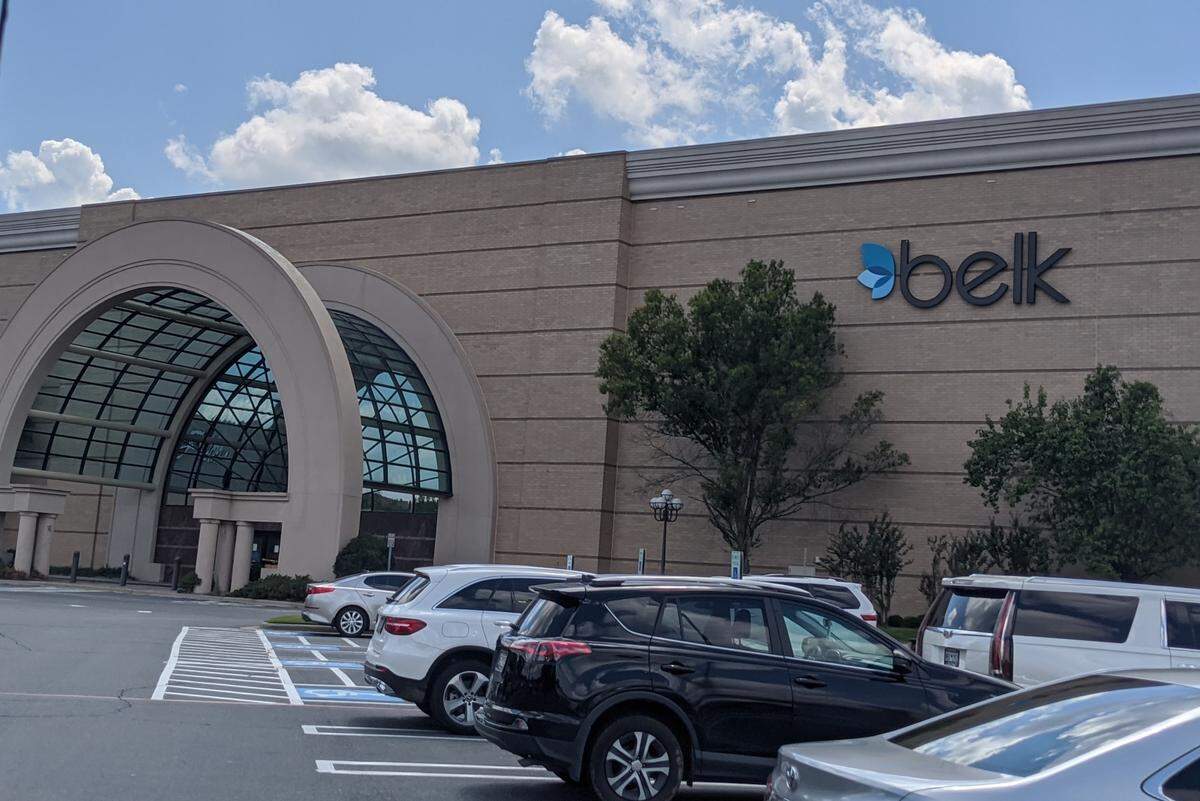
Retail experts say the iconic, Charlotte-based department store Belk has changed little since emerging from bankruptcy a year ago, questioning the company’s long-term sustainability.
“I haven’t seen anything significantly different to their product line, or in terms of ways of promoting products,” said Steven Cox, a marketing professor at Queens University of Charlotte. “What’s apparent that they have done to differentiate themselves from the rest of the industry? I can’t see it.”
The 134-year-old company with nearly 300 store in 16 southern states has a loyal following of customers. But that’s slipping, too, said Nick Egelanian, retail analyst and president of retail development firm Siteworks, based in Maryland.
Department stores can’t compete with “ubiquitous” companies, he said, that offer lower prices and convenience, such as Burlington and TJX-owned stores T.J. Maxx, Marshalls and HomeGoods.
“It’s a generational problem,” Egelanian said. “If you’re Belk, what are you going to be? What’s your special offer?”
Belk did not respond to multiple requests for interviews with executives for this story.
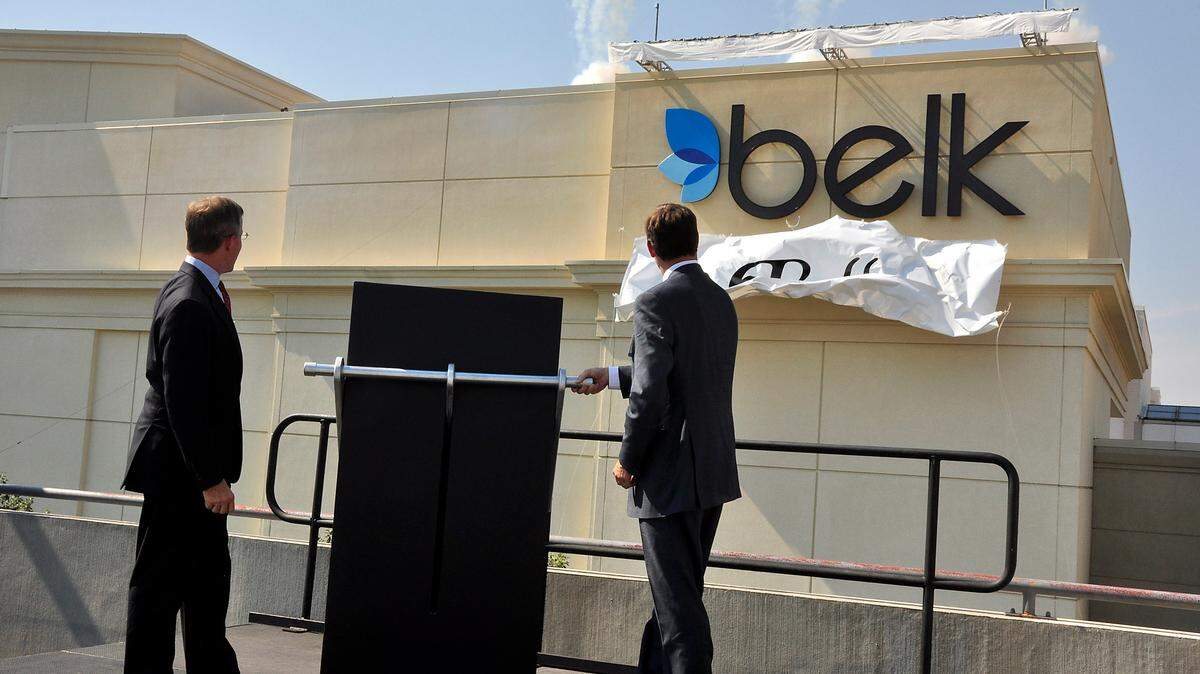
Belk’s ups and downs
Belk had evolved better than many other department stores as competitors emerged in strip centers for decades because it was family-owned, Egelanian said.
Three generations of the Belk family led the company to become the biggest family-owned department store chain in the U.S. by 2015.
Over 100 different department store brands across the country all went away (in the 1990s) or became parts of other companies, said Egelanian, who has been studying and writing about retail stores for more than 30 years. Belk did not.
“They were closer to their customers and they were more true to the mission,” he said.
In 2015, the Belk family sold the business for $3 billion to private equity firm Sycamore Partners, based in New York. Five years later, the COVID-19 pandemic compounded Belk’s problems, which included a $2 billion debt and declining sales.
Sycamore Partners referred comment about this story to Belk.
Belk was among the worst retail performers during the pandemic, Neil Saunders, managing director at research agency GlobalData Retail, told the Observer last year. Year over year comparisons in 2020 were down as much as 32%.
Belk filed for Chapter 11 bankruptcy protection on Feb. 23, 2021 with a plan to restructure and eliminate $450 million of debt. Belk emerged from bankruptcy protection a day later.
But since then, the additional changes that were made may not be enough to ensure the company’s survival, the retail experts say.
These are some of Belk’s changes
Following its bankruptcy, Belk made leadership and other internal moves last summer. The company also launched some contactless services and new products.
The biggest change came at the top, with the promotion of Nir Patel from president and chief of merchandising officer to CEO, replacing Lisa Harper. Patel’s background included e-commerce and marketing for Belk for five years.
Also last summer, Belk said it would sublease its corporate office on Tyvola Road where about 1,200 employees work. Belk has about 17,000 full- and part-time workers at its stores and distribution centers.
Like many other large companies, Belk office employees began teleworking during the coronavirus pandemic, finding that worker productivity and communication improved. Belk said at the time it planned to use space in local stores for meetings and office space.
Last year, Belk also began offering free in-store or contactless curbside pickup and using Afterpay, giving customers the option to checkout in-store or online and make interest-free payments. Stores had started offering same-day delivery in late 2020.

Belk stores also continued pushing in-store shopping through campaigns and promotions like this month’s gift card giveaways for Valentine’s Day.
And, Belk made product changes, too, online and in stores. It focused on luxury sunglasses adding Sunnies at Belk Shop, launched the womenswear brand Wonderly for sizes 4 to 26, and promoted diversity and inclusion through The Culture Shop, adding more diverse-owned brands this year.
While Belk has made some good tactical moves, Egelanian said that ”it’s not enough.”
Challenges for department stores
Revenue for department stores has been on a steady decline for years, professor Cox said, as retailers compete for a seamless shopping approach that melds easy online and in-store shopping.
“Belk always was a little behind the curve competing with Amazon and online shopping experiences,” he said. “I believe department stores, in general, have to be really innovative to compete. I don’t see any breakout with Belk.”
Many of Belk’s stores are in malls, where big department store anchors like Belk no longer draw in shoppers.
Only about 100 to 150 of the 800 malls in the U.S. are expected to survive in the next decade, Egelanian said.
Department stores like Belk’s future require not just strategic initiatives, he said, but a strategic reassessment of what the store should be.
In the 1960s and 1970s, the function of department stores was providing everyday goods and services, from apparel to household wares, electronics to work on automobiles.
By the 1990s, the majority of those stores shed most departments to focus on apparel, plus counters for jewelry and some household goods, Egelanian said. And by 2000, department stores were losing market share to stores like discount giant Walmart.
He said the historical perspective matters because these department stores were built for a different purpose at a different time. The department stores that were surviving were the ones offering specialty goods.
Two problems plague department stores, Egelanian said — lack of imagination and lack of community connection.
The pandemic stressed the importance to the industry of offering multiple ways to shop and thinking creatively.
Although e-commerce represents 14% of retail sales vs. 86% of brick-and-mortar stores, Cox said, department stores aren’t different enough. “People still like that (in-store) experience but we have so many department stores out there, the Belk and the Dillard’s, JCPenney,” he said.
“What differentiates them?”
What’s next for Belk and other retailers
By 2010, Belk had touted its Southern identity, but that focus was too narrow and sales remained impersonal, Cox said. Retail stores need to hire staff with product knowledge to create a personal level of service.
“If you’re going to change your store, you need to change how your people interact with your customers,” Cox said. “How is Belk going to make their experience better? And experience is mostly its people.”
Macy’s, for example, added features like tailoring services and shoe repair as a one-stop-shop for clothing items, Cox said. And Macy’s continues to aggressively test new concepts, said Placer.ai marketing VP Ethan Chernofsky during the consumer data company’s “The New Rules of Retail” webinar Feb. 16.
During COVID, Chernofsky said, retailers like Best Buy offered appointment-only shopping to help during store capacity limits. He called it brilliant and said stores from mom-and-pops to chains could continue to offer that personalized shopping experience.
In November, Best Buy rolled out a pilot program of stores in Charlotte, including the renovated Charlotte-North Lake store as a “hub of experiences,” where customers can learn more about each product brand.
Despite retail trends that accelerated during COVID, including online sales, curbside and locker pickup, Egelanian said brick-and-mortar stores are here to stay. “It will remain forever the primary way retail goods and services are delivered,” he said.
But which retailers will survive, including Belk, remains unclear.
“It’s hard to tell when the dust settles who’s going to be left,” Cox said.
This story was originally published February 25, 2022 at 6:00 AM with the headline "‘It’s not enough.’ A year after Belk’s bankruptcy, retail experts remain skeptical."