Massive, flying yellow spiders are back in NC. But are they dangerous? What to know
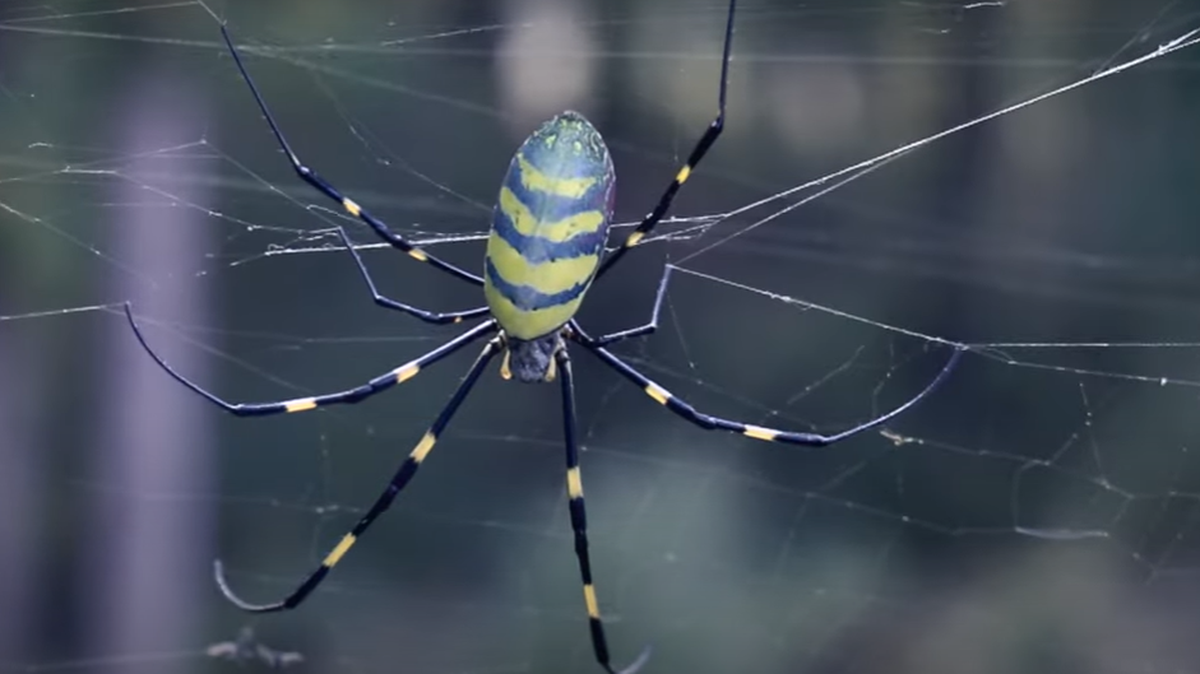
Giant spiders falling from the sky sounds like a scene from a horror movie, but it’s happening in real life. Sort of.
Joro spiders, which are native to Asia, have arrived in North Carolina early this year, according to Kelly Oten, an NC State Extension specialist for forest health.
“They are typically considered a summer spider because they are active when other insects are active,” Oten said. “They feed on smaller insects, so they need to be active at the same time.”
Just how big are they? Do they really fall from the sky? Where in North Carolina are they? Here’s what to know about Joro spiders.
Where do Joro spiders live in NC?
If you’re an aracnophobe who lives in Charlotte or in the Raleigh area, you’re in luck, since Joro spiders usually prefer to live in the mountains of North Carolina.
“The reports that have come in about in North Carolina are primarily in the western part of the state,” Oten said. “And even then it’s just sporadic counties here and there.”
But when it comes to deciding on an area to nest, the spiders do gravitate toward cities, according to Oten.
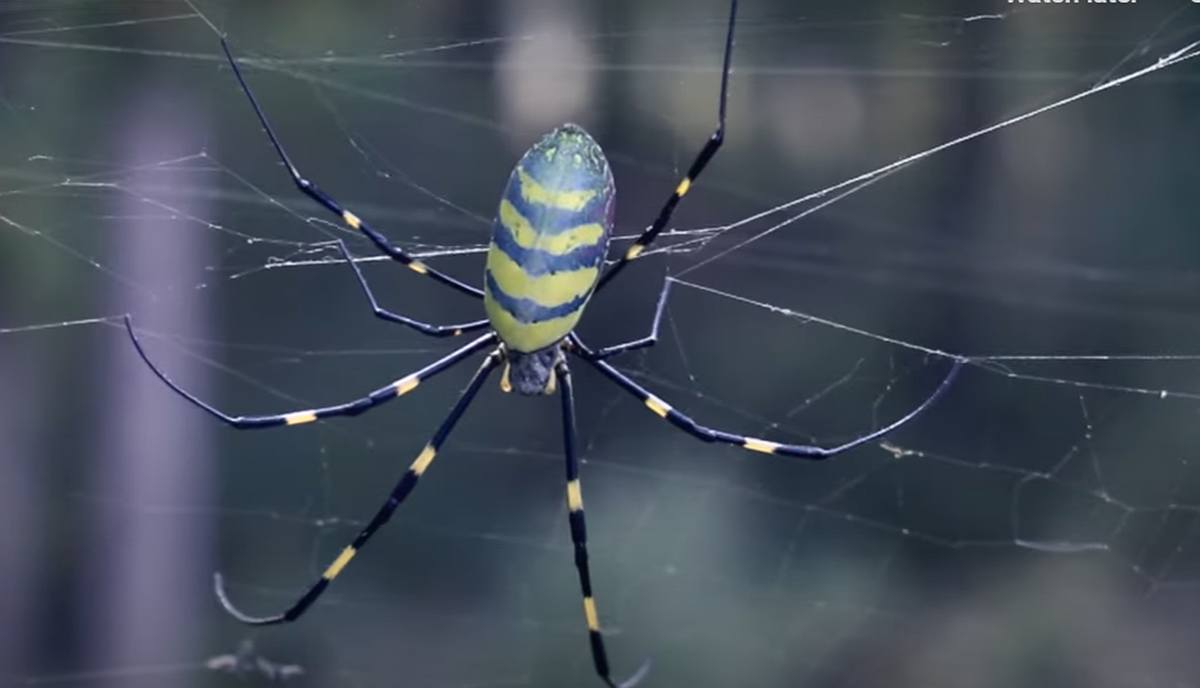
“They tend to like structures so they might build webs, like around people’s homes, or forest edges,” she added, “but they can really thrive in a lot of different environments, which is one of the reasons why they’re such an ideal invasive species as far as being able to occupy a lot of different areas.”
What do Joro spiders look like?
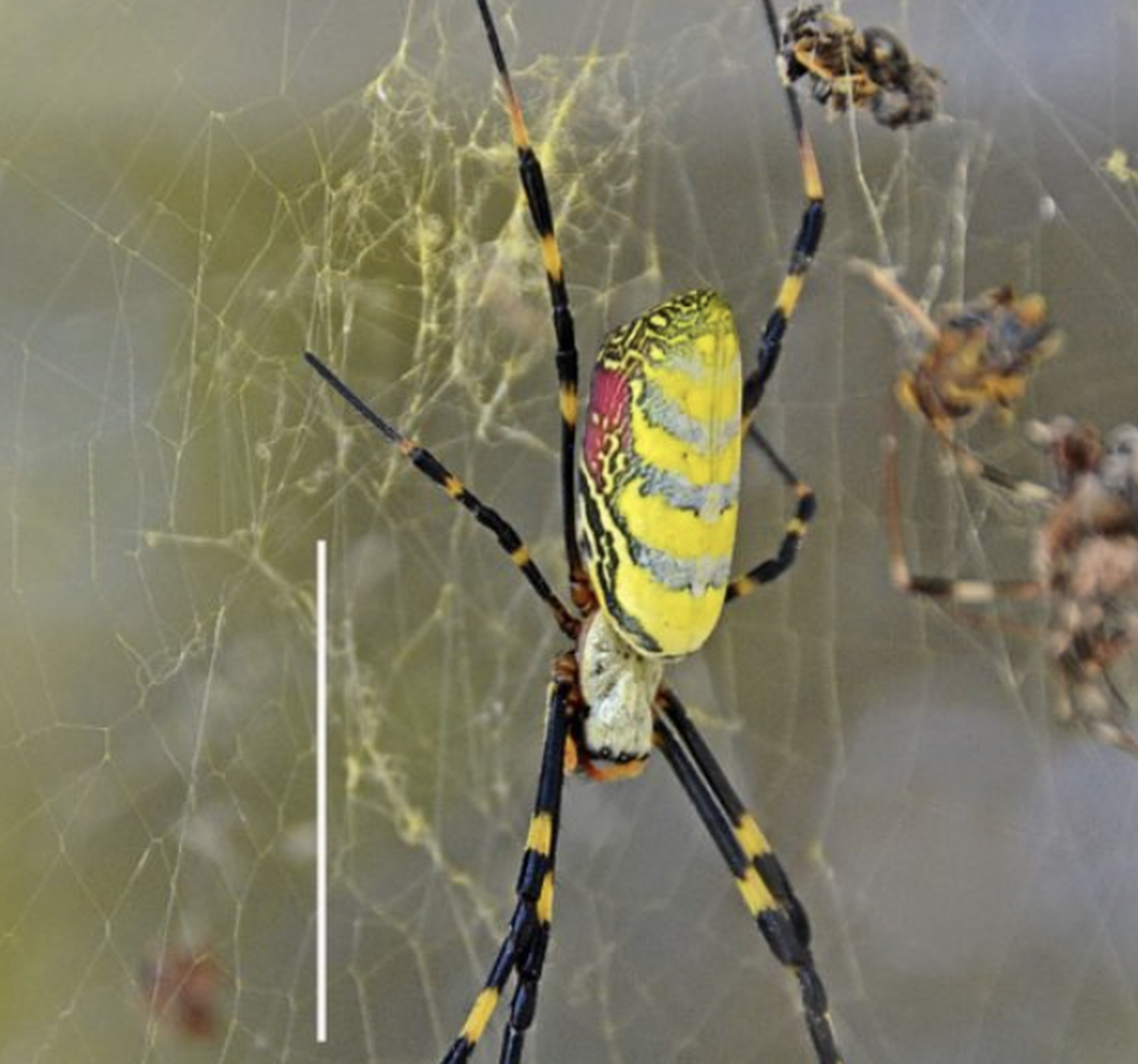
The most noticeable thing about Joro spiders is their size.
Their leg span can reach up to four inches, but that usually doesn’t happen until summer, Oten said.
“Their webs are a lot bigger, about 10 feet in some cases,” said Oten. They’re not always that big, but they can get pretty large.”
Joro spiders also have yellow and gray striped abdomens that look similar to the distinctive zig-zag patterns on garden spiders, Oten said.
Do Joro spiders drop out of the sky?
Spiders dropping out of the sky sounds terrifying, but that’s not exactly what happens.
Since spiders don’t have wings, they disperse through a process known as ballooning, which isn’t unique to Joro spiders, Oten said. She explained the process using one of the most famous fictional arachnids as an example.
“Newly hatched spiders, which are called spiderlings, crawl to the top of structure like a fence post or something that gives them high up in the air and they’ll emit these soaking strands,” she said. “Then if a wind gust comes along, it can carry them in the wind. It’s kind of like, if anyone who has seen or read Charlotte’s Web, how Charlotte’s babies depart and go to new areas.”
The spiders who are carried off by these wind currents, which are usually female, can only do so when they’re small, since wind gust aren’t strong enough to carry big-bodied insects, Oten said.
“There’s not going to be huge foreign spiders falling from the sky,” said Oten. “You won’t even notice these little spider ladies coming around.”
Are Joro spiders dangerous to humans or pets?
The idea of an encounter with a giant spider may sound unappealing to most, but Joro spiders don’t pose a threat to humans or pets.
Joro spiders are venomous, but their venom is usually reserved for smaller insects so they can “subdue their prey,” Oten said.
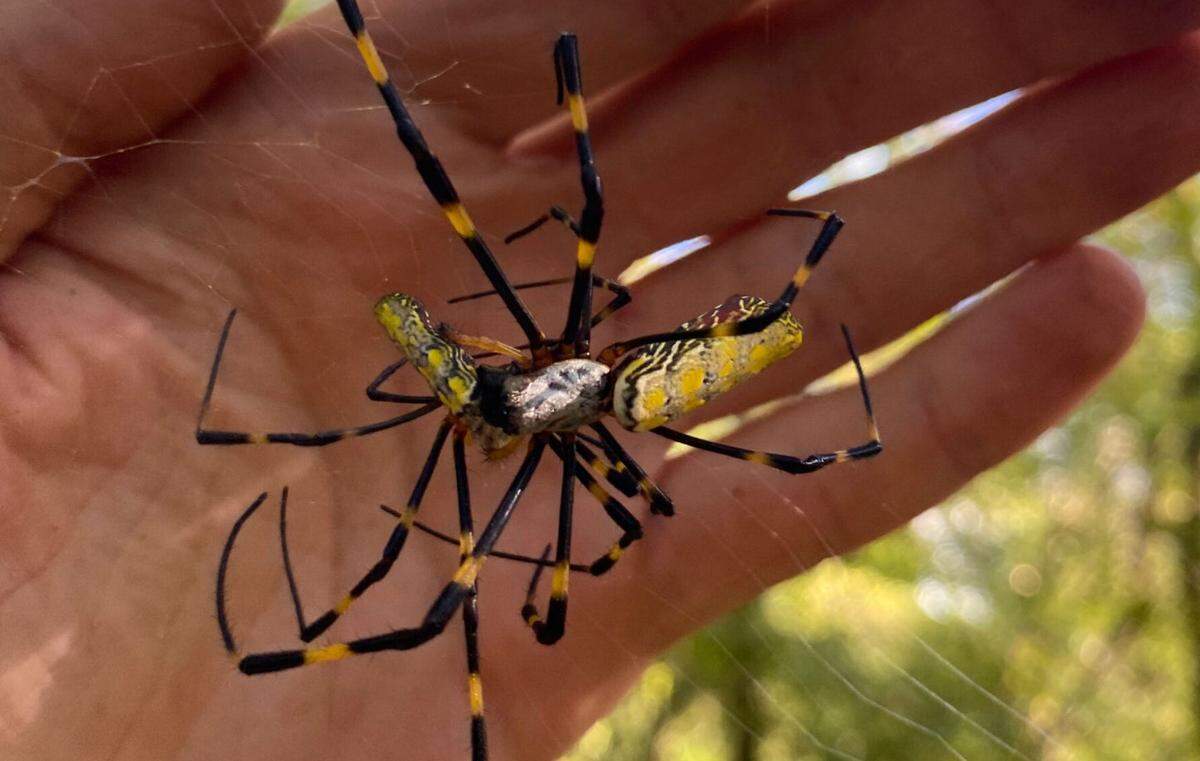
“They really can’t hurt us,” she added. They are docile and they are shy. There’s pictures all over the internet of kids holding them — they just crawl around on your hand.”
Though it’s rare, Joro spiders can bite, but it wouldn’t be as painful as a bee sting and wouldn’t require any medical attention, Oten said.
What should you do if you see a Joro spider?
Joro spiders aren’t likely to make an appearance inside your home, but they could be nearby helping to control the insect population.
“They capture prey, and some of these are bad insects, so they might be helping reduce some of the pests in our homes and gardens,” Oten said.
If you’re not comfortable being around spiders, you could take a stick or broom and use it to relocate them to a wooded area, said Oten — or you could make sure they never come back.
“If someone really wants to kill them, you can squash them,” Oten said, “or there are pesticides available.”
This story was originally published June 17, 2024 at 7:05 AM with the headline "Massive, flying yellow spiders are back in NC. But are they dangerous? What to know."