Want to grow fruit & vegetable plants from food scraps? Tips from an NC State expert
Have you ever eaten a tomato so delicious, you wish you could have dozens and dozens more? You can!
Ashley Troth, an extension agent at NC State Cooperative Extensions’ Durham County Center, taught us about some of the produce you can buy and grow a lot more of, either from their seeds or scraps.
“You can do this with any number of things that have pits, like mangoes or avocados, or even lemon seeds,” she said.
“You can do it with the base of some leafy greens, the hard part of a head of lettuce, the bottom of an onion where root hairs come out, plus potatoes and garlic.”
An important note: Do this with the fruits and vegetables you are positive can survive in our central NC climate. The best way to do this is by planting scraps or seeds from the produce you buy at your local farmers markets. (Bonus: You can chat with those farmers about the best way to grow them.)
Our summertime tropical favorites, like avocados or lemons, aren’t great in our climate. They can’t handle our winters, so you’d have to plant them in tubs and roll them in and out every winter. While they might produce some fruit indoors or on your windowsill, they’ll never be a full, bushy tree.
Here’s what to know about growing local favorites from your scraps:
Plant these vegetable scraps to get a whole plant
▪ Scallions (or green onions): Save the white base, and you can either plant this in soil or submerge it in water. Be sure to submerge the roots and keep the base upright, and it can be at soil-level (versus burying it and covering it with soil).
If submerged in water, change the water regularly, once a week at a minimum. Can even be daily.
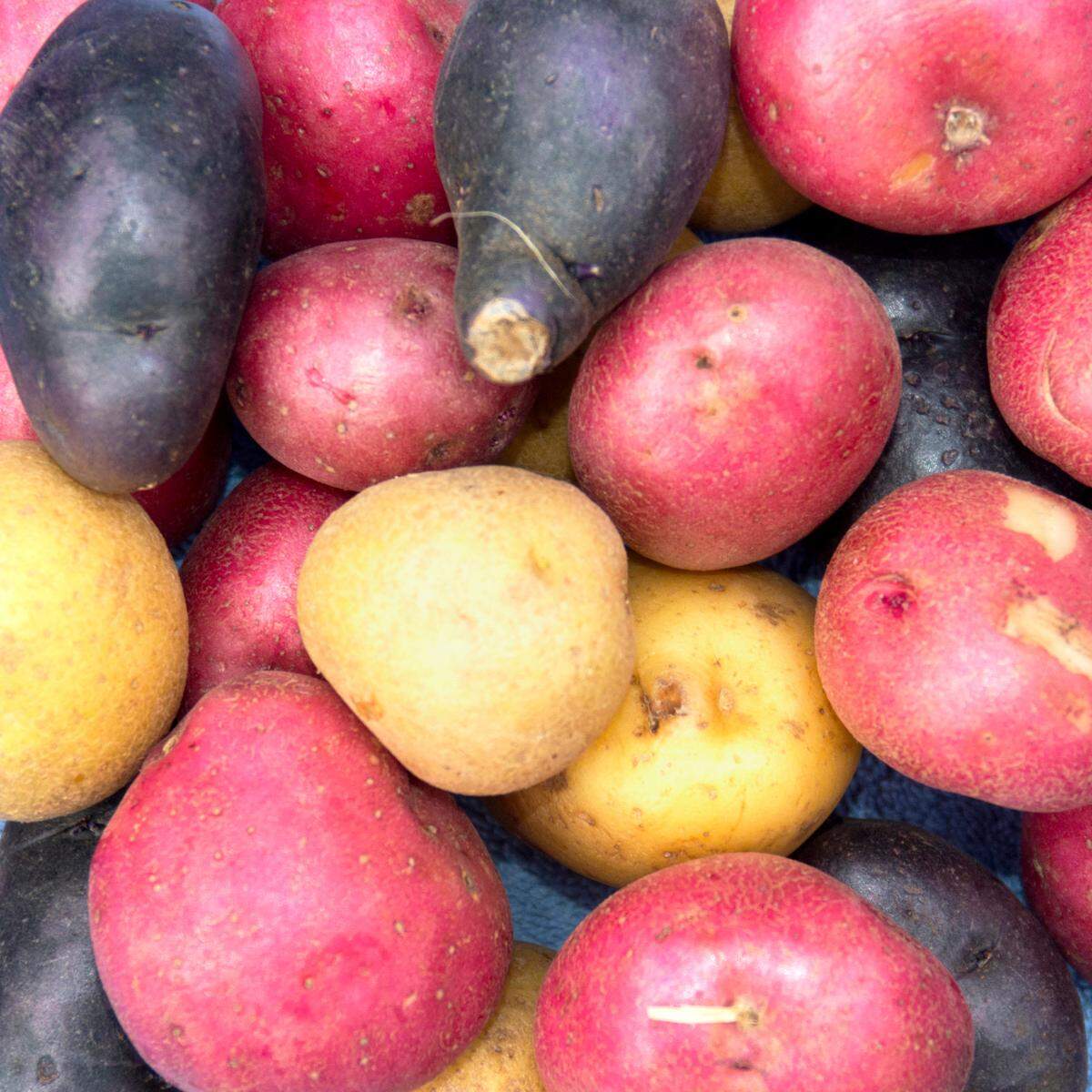
▪ Potatoes: Cut them up and each chunk should have an eye (the root part that grows more potatoes). Let the cut edges dry until slightly hardened, which helps prevent rot and disease, then plant directly.
Potatoes and other root vegetables get planted six to eight inches below the surface and covered with soil.
▪ Garlic: Individual cloves can be broken off and planted directly in soil roughly two to four inches deep.
▪ Onions: These are a little harder, but take an inch or two from the base, including the part with root hairs, and let it dry for a day. Think about that like forming a scab.
Next, put the roots in water until they sprout, then plant it directly in soil.
▪ Lettuce: Cut the hard base off of a head of lettuce, and place it in a bowl of water, root side down. Lettuces and other leafy vegetables can be started in water, meaning the roots get submerged in water while the top part stays dry.
Change the water regularly, once a week at a minimum. Can even be daily. Once sprouts start to form, move to soil.
Save your seeds from these fruits, vegetables to get a whole new plant
▪ Tomatoes and peppers: These plants are much better to start from seed instead of burying scraps from your produce. Remove seeds and dry them fully for about a week.
Put them in an airtight container and put them in the crisper drawer of your fridge, or a dark and dry cabinet. By next season, you can plant these just as you would seeds from a big box store.
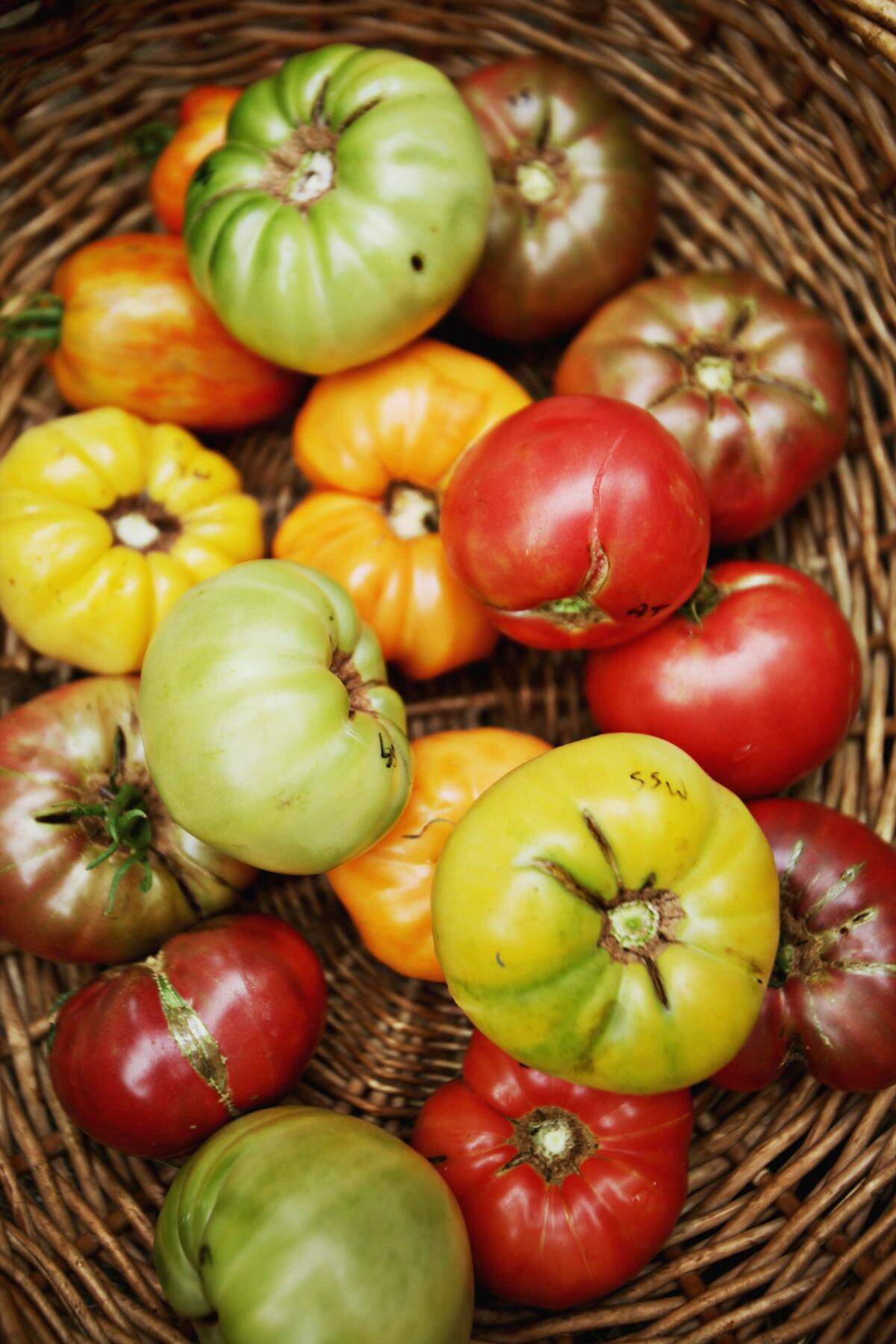
Can you plant whole fruits, vegetables and get a plant?
“Oftentimes we have ‘volunteers’ show up in the garden and compost pile. These peppers, tomatoes, lettuce, you name it are happy accidents from the year before,” Troth said.
“While you can bury things you like (or just let them drop and bury themselves!), to be sure you’ll have what you want where you want it, it’s either to save seed or plan to include those varieties next year in your planting design.
“It’s a fun surprise to find a squash vine or tomato plant rambling out of the compost bin, though!” said Troth.
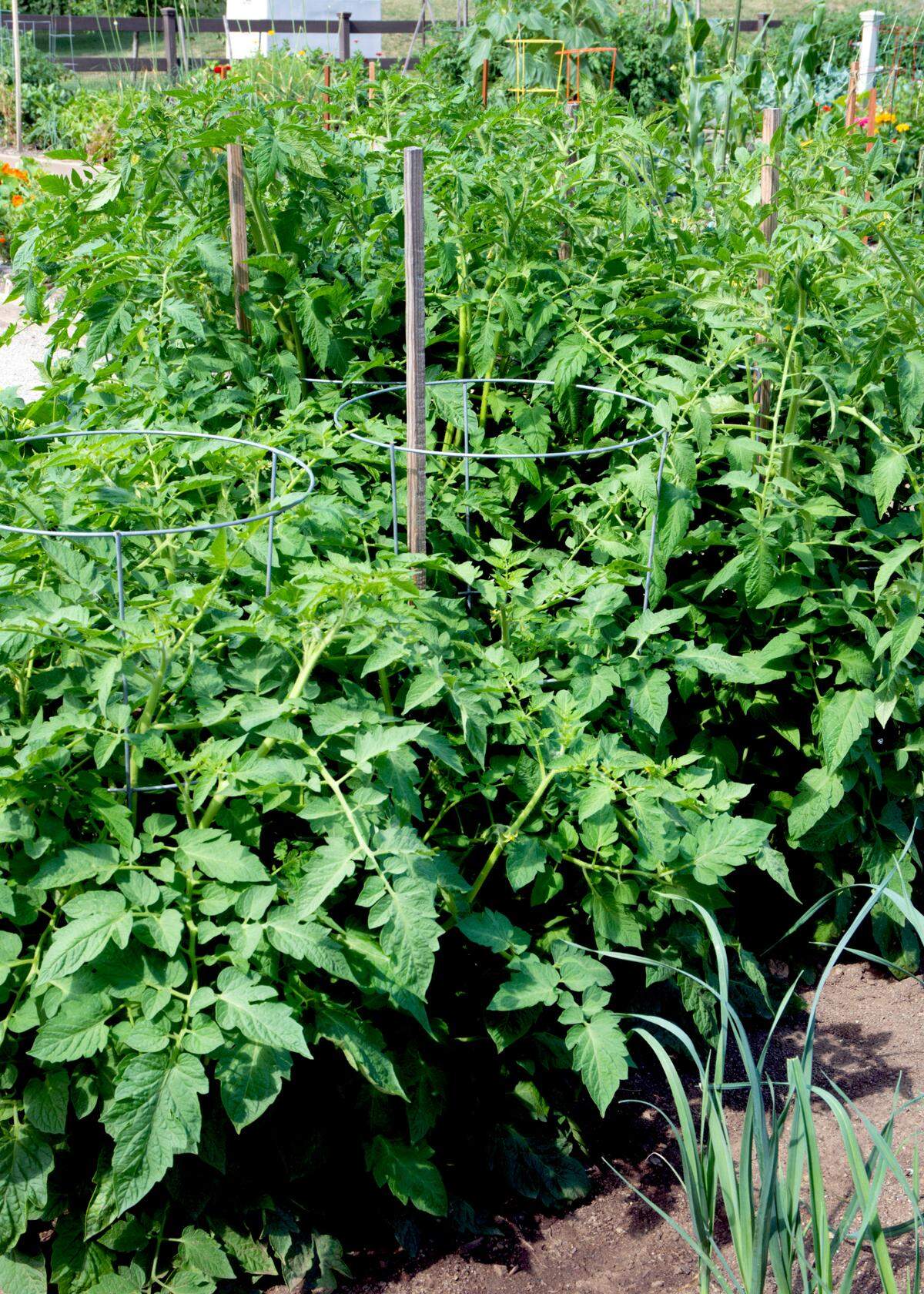
Expert gardening advice in North Carolina
▪ Need some help? NC State Extension’s Garden Help Directory can help you contact the best person for your needs. For more information, visit emgv.ces.ncsu.edu/need-gardening-help.
▪ To find your local program, visit emgv.ces.ncsu.edu/find-your-local-program.
▪ Almost all of your initial gardening questions can be answered via the NC Extension Gardener Handbook. Find the handbook at content.ces.ncsu.edu/extension-gardener-handbook.
Here are some NC State Extension guides that can be especially helpful at the beginning:
Vegetable Gardening: A Beginner’s Guide: content.ces.ncsu.edu
Growing Edibles in the Landscape: content.ces.ncsu.edu/growing-edibles-in-the-landscape
Soil, Plots, and Planters: content.ces.ncsu.edu
Garden Calendars: gardening.ces.ncsu.edu/garden-calendars
▪ If you’re interested in connecting with gardeners local to your area, you can visit the NC Community Garden Partners’ Garden Directory at nccgp.org/garden-directory.
▪ The Extension office holds intro to gardening classes, called Ready Garden Grow, at Wake Public Libraries. To find a program near you, visit wake.gov/events and search “Ready Garden Grow.”
This story was originally published June 30, 2023 at 10:28 AM.