Bitten by a copperhead? You may need antivenom. Here’s how much that costs in NC
READ MORE
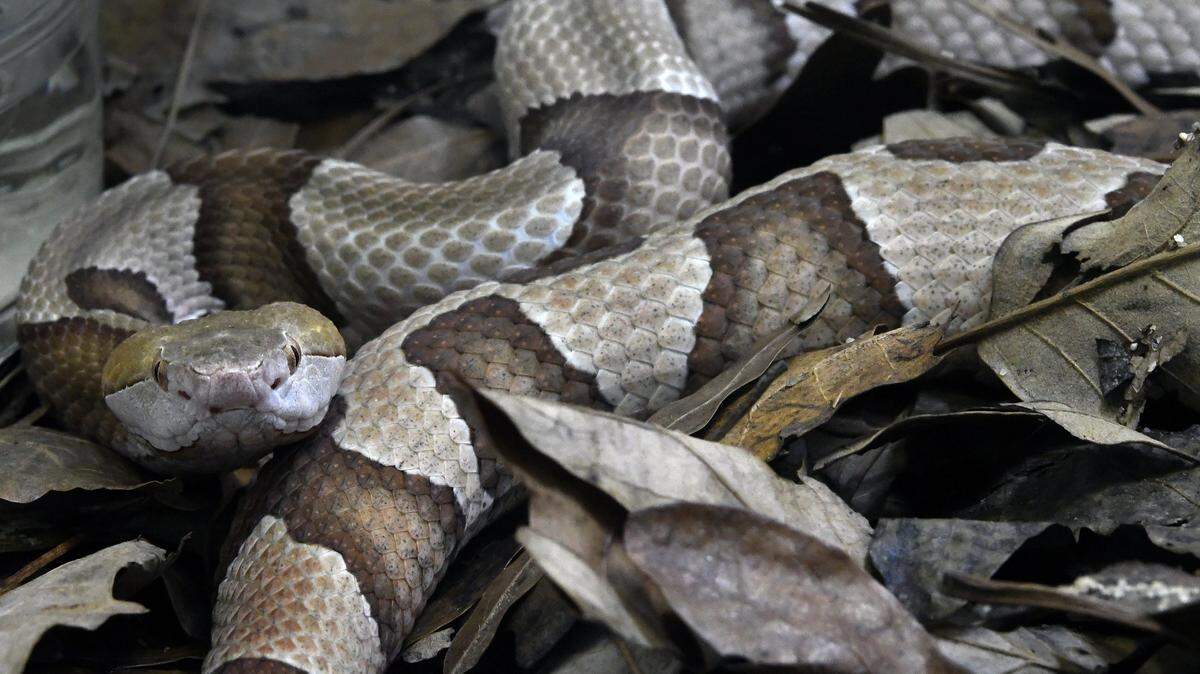
Copperheads and other Venomous Snakes in NC
Everything to know about copperhead snakes and other venomous snakes — how to identify them, how to avoid them, what to do if you (or your pet) are bitten, and more.
Expand All
Snake bite season has begun, and local emergency department doctors have already been treating bites for a few weeks.
Dr. Charles Gerardo, emergency medical specialist with Duke Health who specializes in snake bites, has already seen four patients this year. As temperatures climb and we start spending more time outside, the number of snakebites will increase, bringing three to four snakebite patients to hospitals per week.
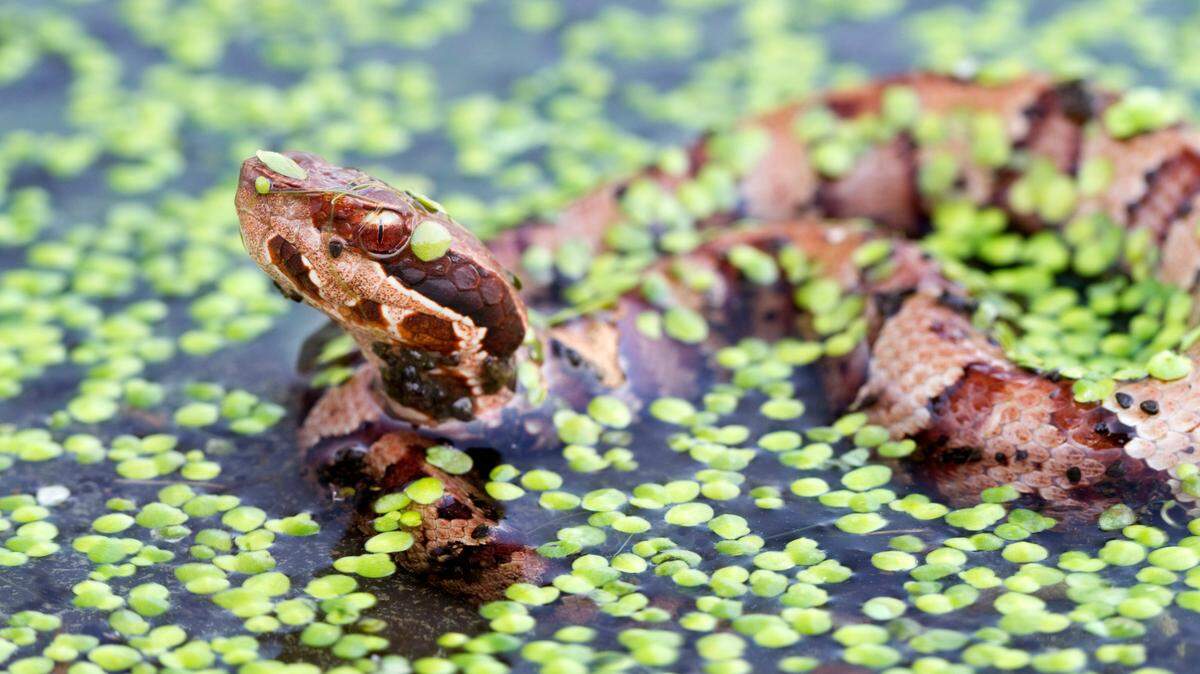
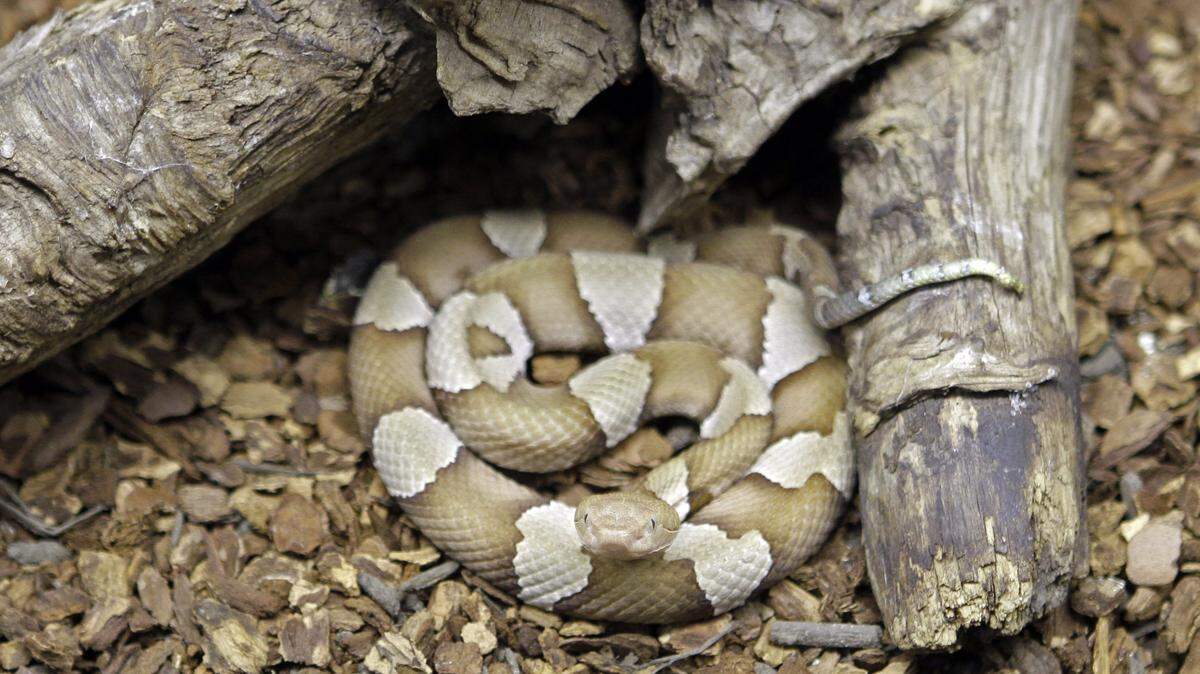
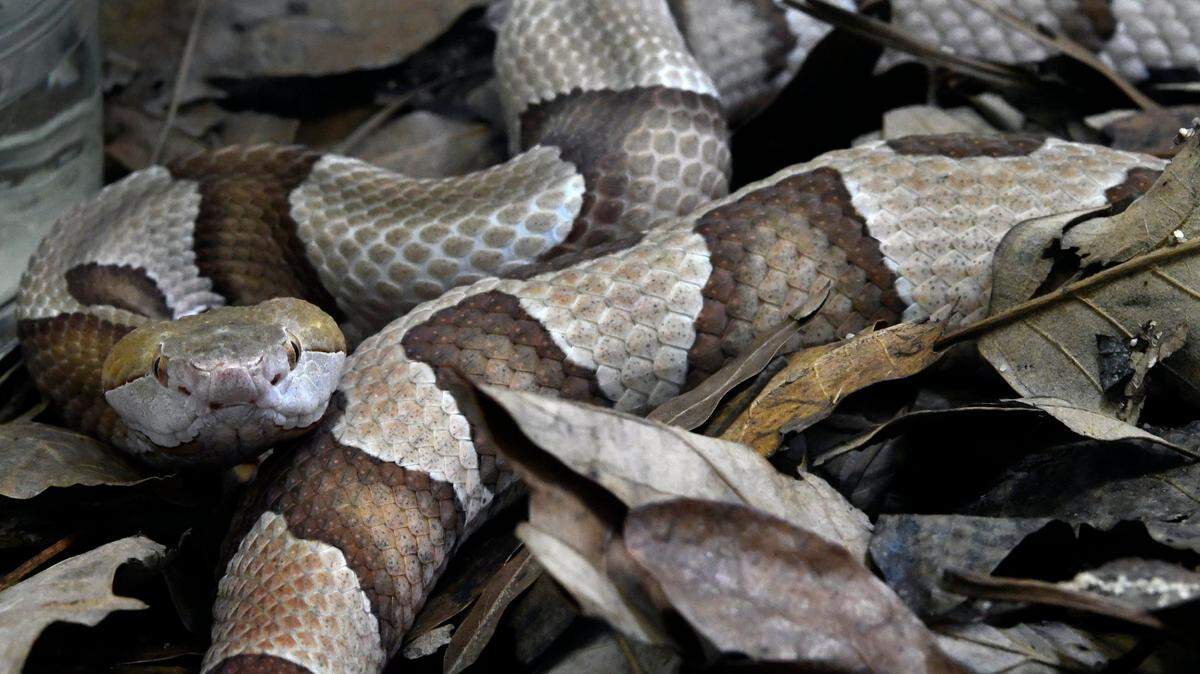
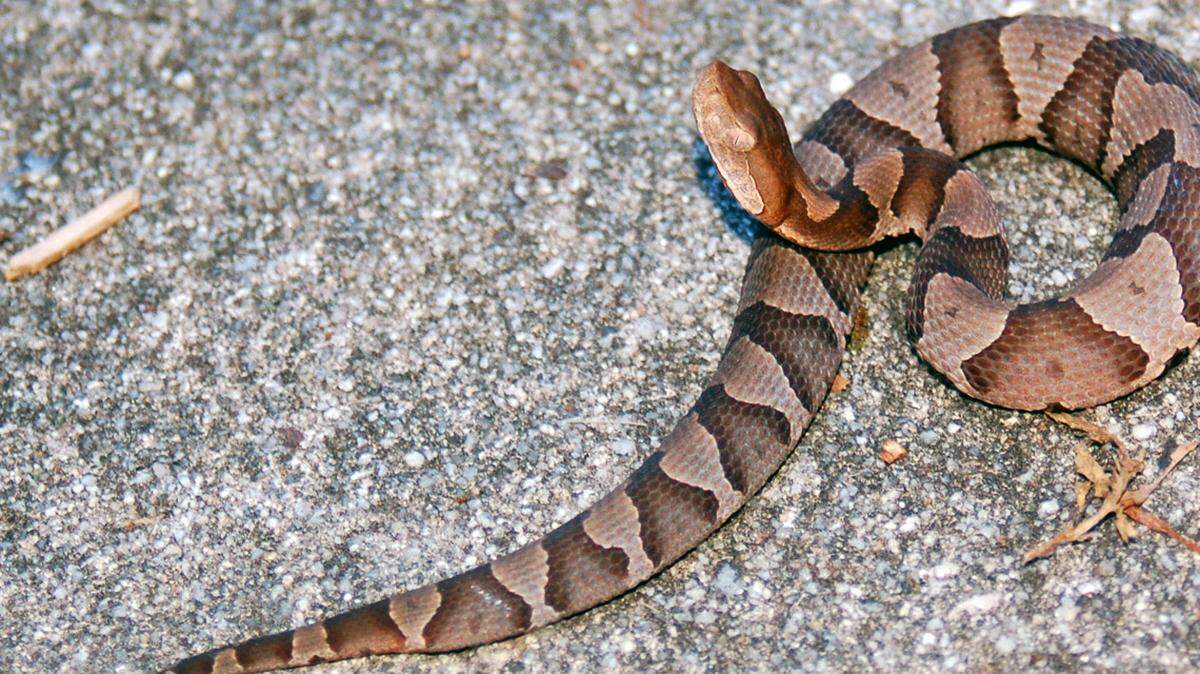
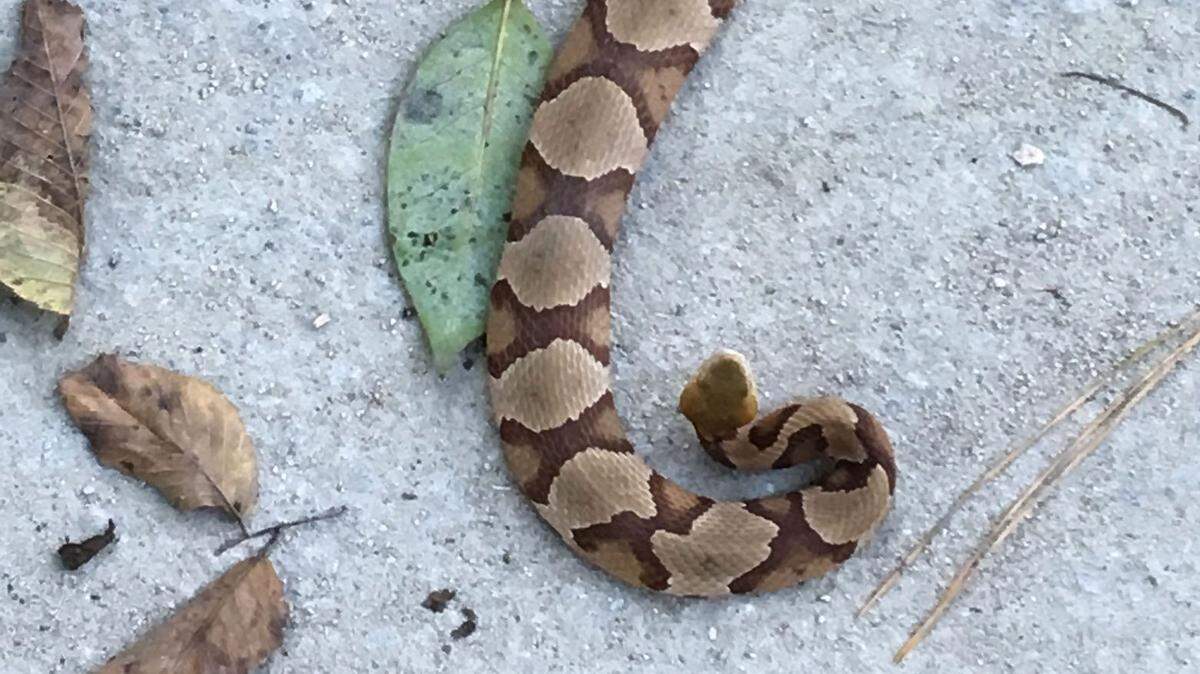
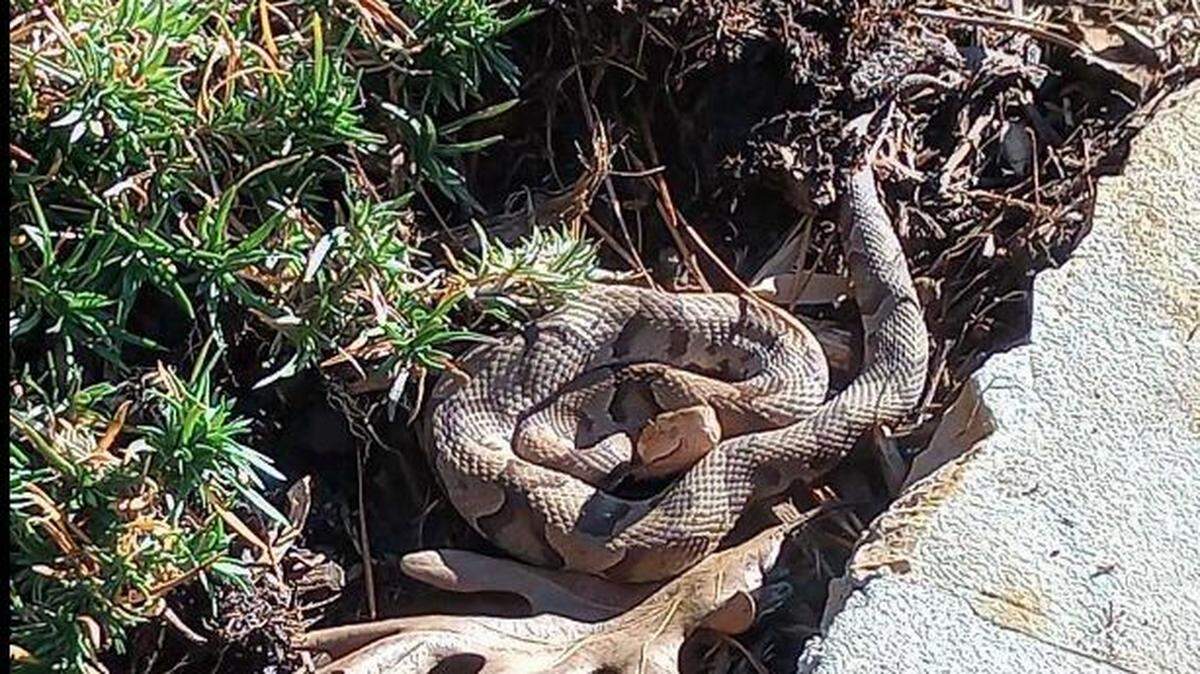
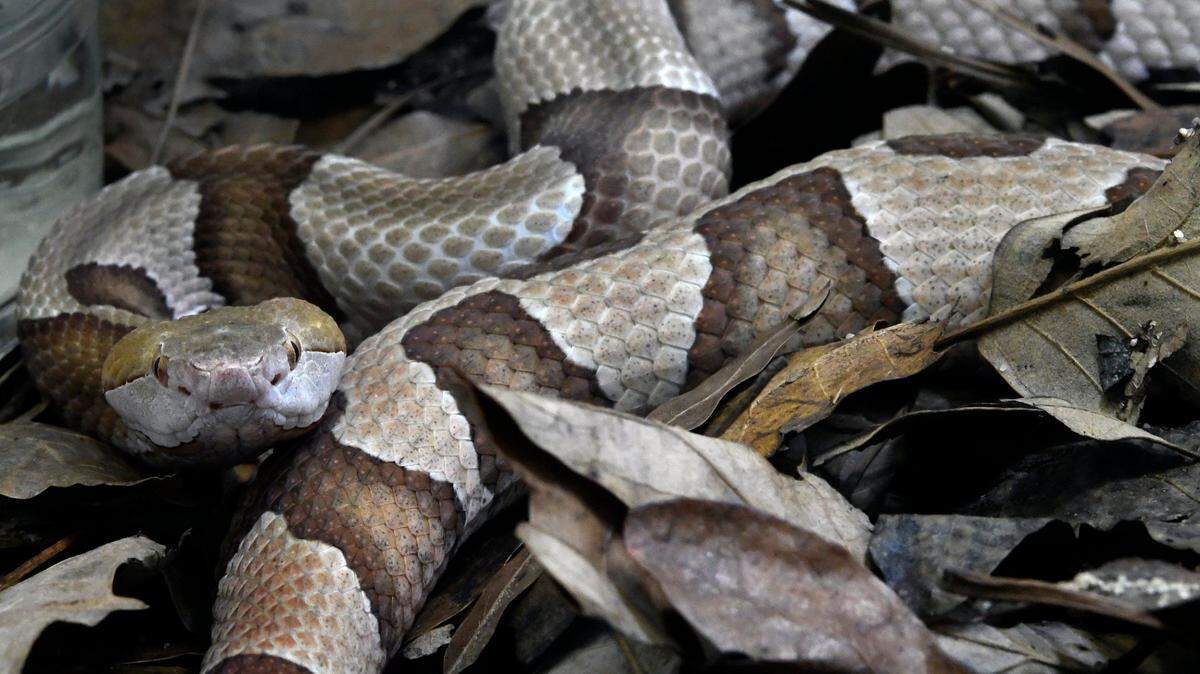
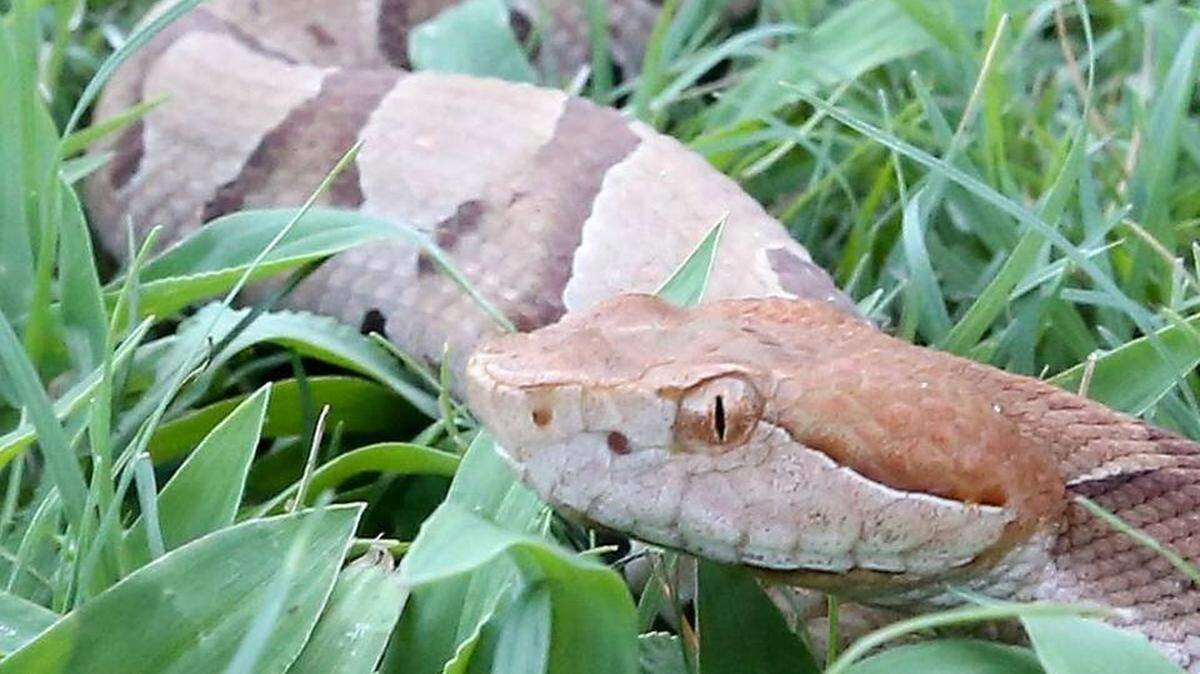
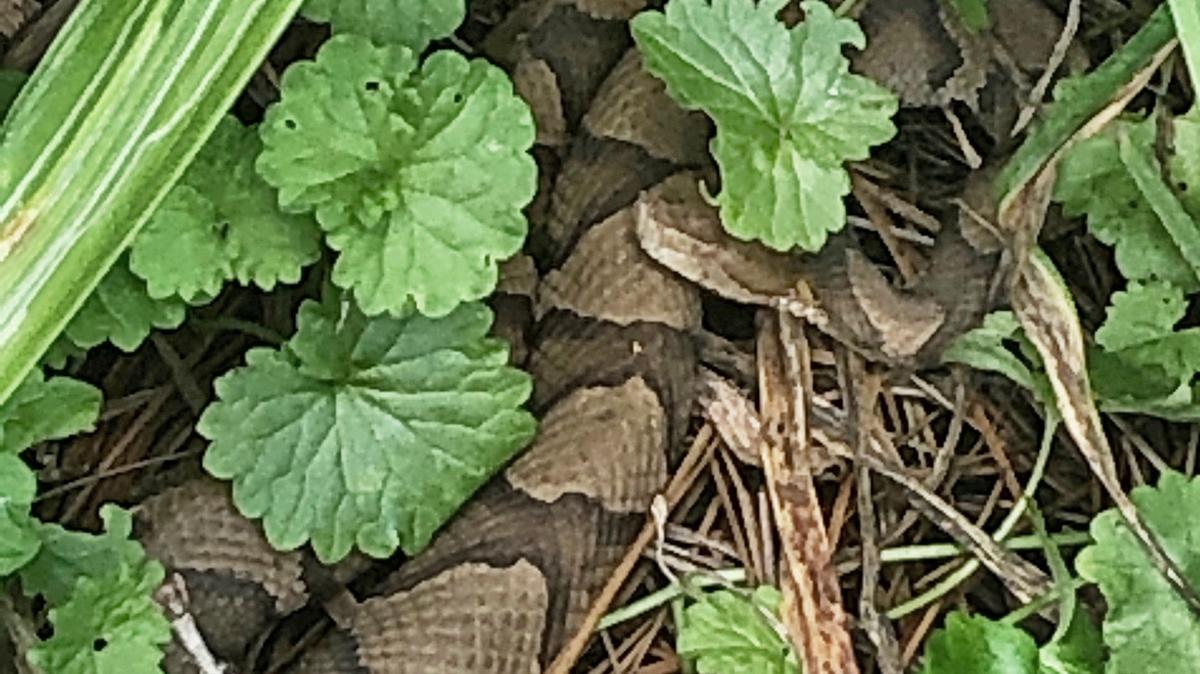
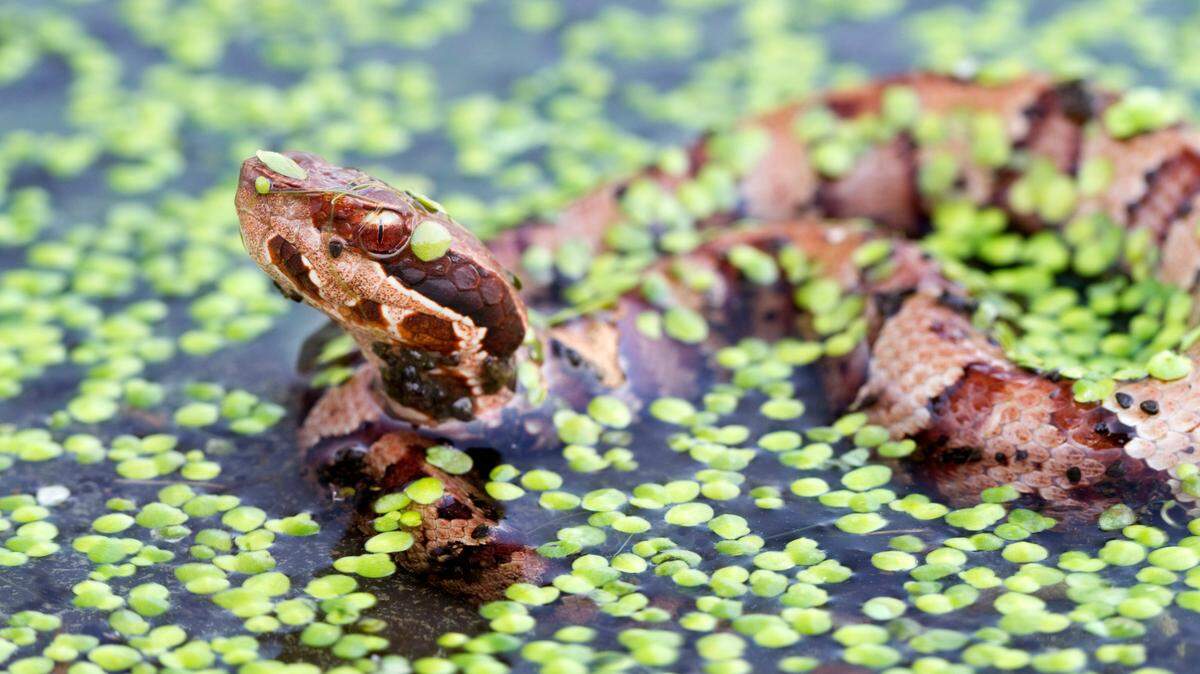
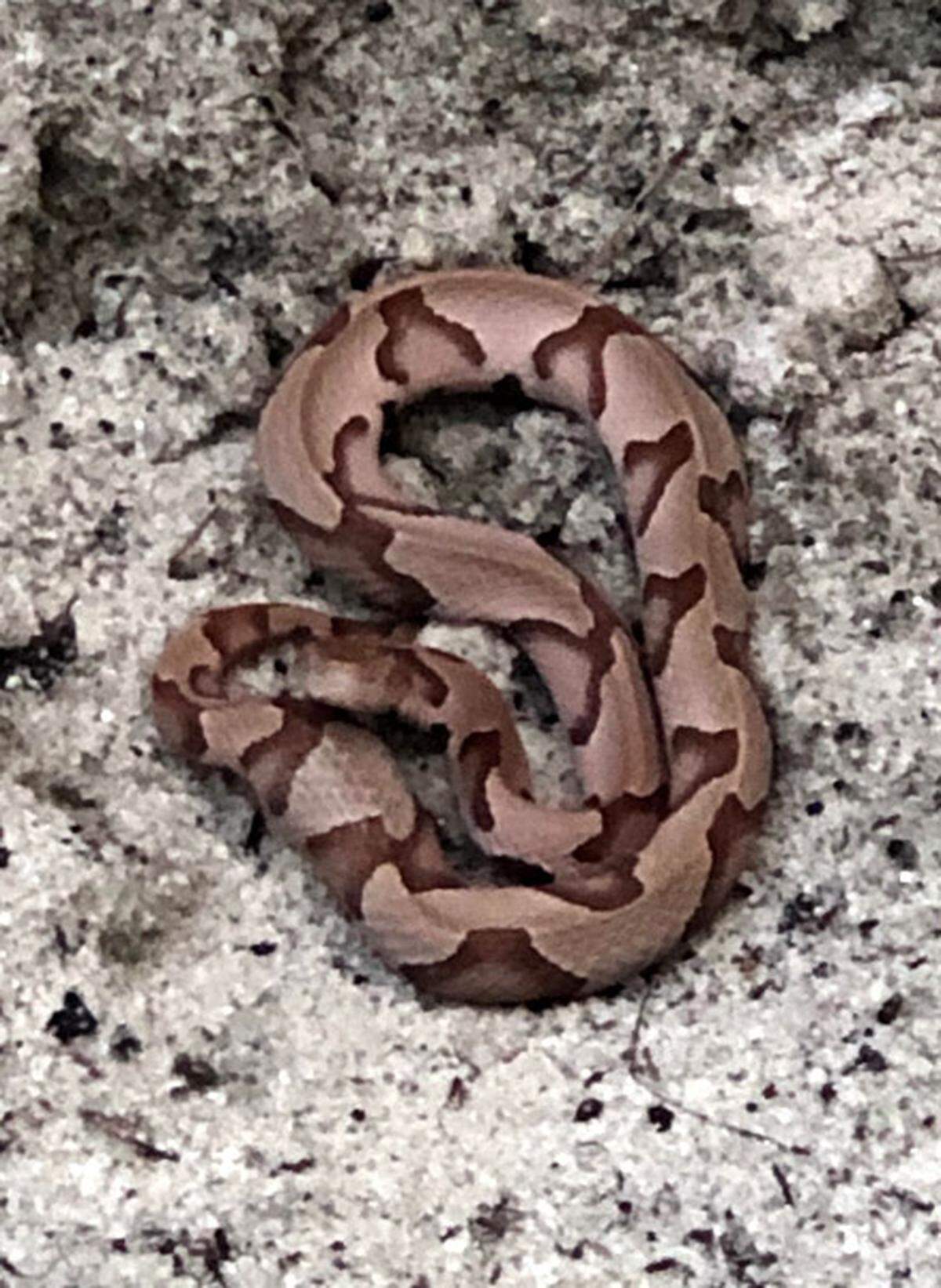
Copperheads, a venomous pit viper that calls North Carolina home, will do most of that biting here.
Treating these bites can be expensive. But international snake experts who work at Duke Health and WakeMed want to make one message clear: Always seek care.
“Costs aside, purely medically speaking, the risk-to-benefit ratio clearly favors treatment, even for mild bites,” Gerardo said.
“Some people say, ‘Because of the cost, I’m going to wait and see if it progresses.’ There’s good evidence that the vast majority of the time, early treatment is better.”
Only about 25% of patients require antivenom as part of their treatment, said Dr. Ryan Lamb of UNC Health Rex, through a spokesperson.
The News & Observer spoke with emergency medical professionals and billing experts at Triangle hospitals to understand how much snakebite treatment, including expensive antivenom, costs this year. Here’s what we learned.
How much does snake antivenom cost?
The N&O spoke with UNC Health, Duke Health and WakeMed to learn the market price of antivenom:
• At Duke Heath: The N&O reported in 2020 that a 12 vials of antivenom — double the typical initial dose, — cost $200,000. This figure is “no longer accurate,” said Kuldip Patel, Duke Health’s senior associate chief pharmacy officer, through a spokesperson.
“There is a distinction between any medications’ market price and what might be billed. Ultimately, the market price for antivenom is not what a patient pays,” Patel said.
“Like any medication or health service, factors like insurance, ability to pay and charity care are all considered before a patient is billed.”
• At WakeMed: The charge price per vial of CroFab antivenom is between $11,000 and $14,000. But patients rarely, if ever, pay the full amount, said spokesperson Kristin Kelly.
“The term ‘charges’ is not interchangeable with ‘payments,’ as charges do not reflect the out-of-pocket or co-pay cost that a patient is ultimately expected to cover. Out-of-pocket costs can vary greatly,” she said.
• At UNC Health: A typical charge would range from $40,000 to $70,000 for the typical initial dose of four to six vials, said spokesperson Alan Wolf. The charge per vial ranges from $11,000 to $13,000.
Is antivenom covered by insurance?
Yes. Blue Cross Blue Shield, North Carolina’s largest insurance provider, covers copperhead snake bite care and the antivenom, as do most carriers.
It’s typically considered emergency care. Co-pays and deductibles according to a member’s plan apply.
“There’s evidence that most snake bite patients, over 75%, have some sort of insurance coverage,” Duke’s Gerardo said.
Do hospitals offer discounts to patients who receive antivenom?
Yes. Here’s how Triangle hospitals manage patient payments:
• At UNC Health: Most insurance plans cover antivenom treatment. Uninsured patients are able to work with the hospital system’s financial navigators for help with payment programs that result in a “significantly discounted cost,” Wolf said.
For UNC Health’s financial assistance program, visit unchealth.org/records-insurance/financial-assistance-programs.
• At Duke Health: Patients can connect with financial care counselors to help evaluate qualifications for financial resources, Patel said.
For details about Duke Health’s financial assistance program, visitdukehealth.org/paying-for-care/financial-assistance.
• At WakeMed: The hospital has a Financial Assistance program designed to help many patients who are unable to pay (or uninsured) handle their medical bills, Kelly said.
Plus, uninsured patients are offered automatic discounts for physician services and hospital services that aren’t covered under any other pre-arranged discount.
For details about WakeMed’s financial assistance program, visit wakemed.org/patients-and-visitors/billing-and-insurance/financial-assistance.
How much will I pay for antivenom treatment?
”On average, a patient’s out of pocket cost for an antivenom medication is significantly below the market price,” Duke Health’s Patel said.
A patient’s financial responsibility depends on several factors. This can include:
How much antivenom is needed.
A patient’s co-payment, coinsurance and deductible obligations.
A patient’s maximum out of pocket responsibility.
Whether the insurer contracts with the hospital and details of the negotiated discount.
A couple of real life examples:
▪ In 2020, a teenager was bitten by a copperhead in Hillsborough. He needed 12 vials of antivenom, which cost about $200,000, The N&O reported at the time. His father’s insurance brought the out-of-pocket cost to $175.
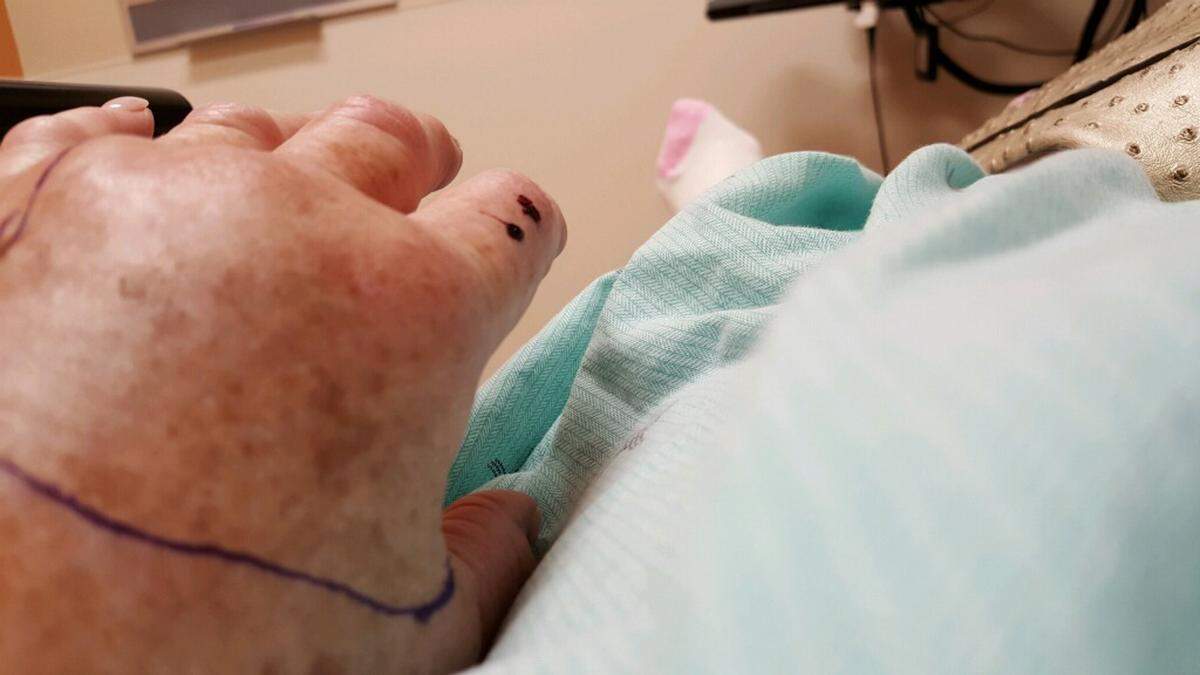
▪ Last year, a Raleigh woman received a copperhead bite on her finger. Her copay for her Emergency Room visit came out to $1,250 with her insurance.
While the cost of treatment is still relatively high, the advent of two competing antivenoms available — CroFab and Anavip — has dropped the cost of the treatment to most facilities by more than 50%, Gerardo told The N&O last year.
What makes snakebite care so expensive?
Snakebite care can require more than just antivenom. If you’re checked into the hospital for a venomous snake bite, here’s what you may require:
• Strong pain medication: “An envenomated copperhead bite can come with impressively severe pain. There’s a significant amount of venom in the tissue, which is attacking and destroying it,” said Dr. Ben German, WakeMed emergency physician and medical professional with the international Asclepius Snakebite Foundation.
“It often requires strong pain medications in the emergency department. Antivenom can do the job, but it’s common to take additional medication to cope with that pain.”
• Overnight visit(s): A venomous snake bite is at its worst between the 24 and 48 hour mark, German said. This means you may need to stay in the hospital for treatment and observation for one full night, though you may need two or more.
• Labwork: X-rays and other additional testing may contribute to your hefty hospital bill, German said.
What to do if bitten by a snake, copperhead
IF YOU HAVE BEEN BITTEN BY A SNAKE, YOU SHOULD:
Sit down and stay calm.
Gently wash the bite area with warm, soapy water.
Remove any jewelry or tight clothing near the bite site.
Keep the bitten area still, if possible, and raise it to heart level.
Call the NC Poison Control: 1-800-222-1222.
Note: If a snakebite victim is having chest pain, difficulty breathing, face swelling or has lost consciousness, call 911 immediately.
IF BITTEN BY A SNAKE, YOU SHOULD NOT:
Cut the bitten area to try to drain the venom. This can worsen the injury.
Ice the area. Icing causes additional tissue damage.
Apply a tourniquet or any tight bandage. It’s actually better for the venom to flow through the body than for it to stay in one area.
Suck on the bite or use a suction device to try to remove the venom.
Attempt to catch or kill the snake.
(Source: NC Poison Control)
This story was originally published May 5, 2023 at 7:00 AM.