Tick Season Is Getting Worse Each Year — How to Protect Your Yard and Family Right Now
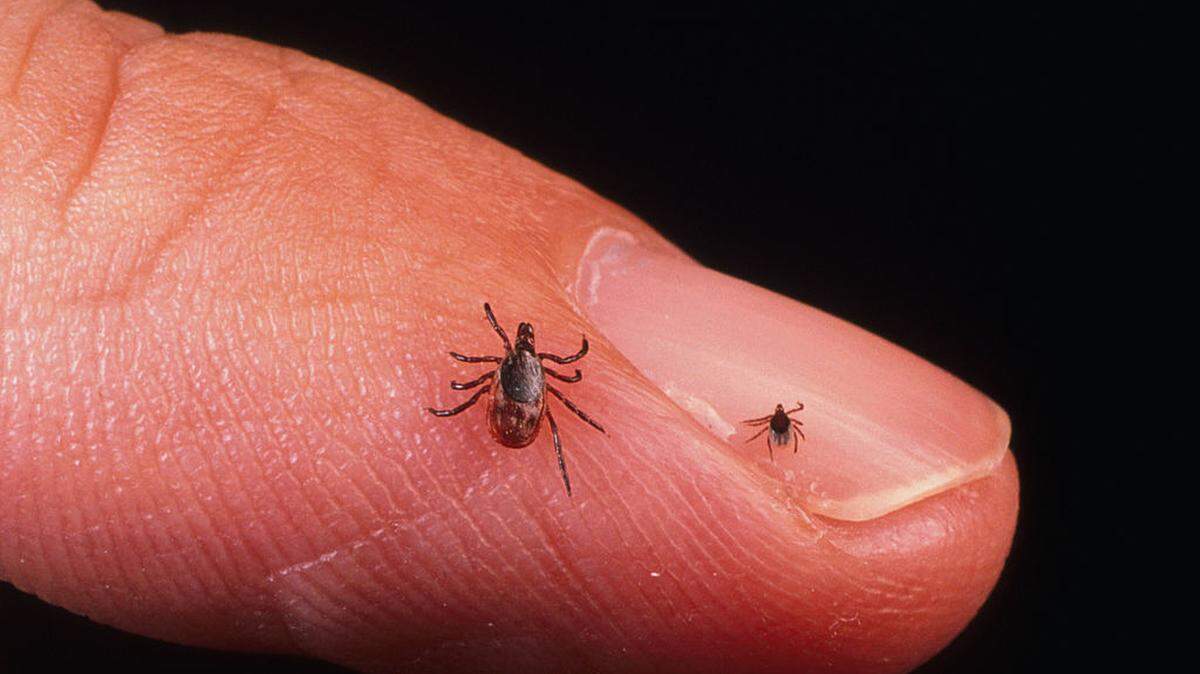
If your backyard borders any trees, tall grass or brush, tick season is already here and it’s longer than it used to be. Warmer winters mean ticks are surviving in greater numbers and emerging earlier each spring. For homeowners in the Midwest, Southeast and mid-Atlantic, the window for vigilance keeps stretching.
Tick-borne illnesses have more than doubled nationally over 13 years. The CDC estimates around 476,000 Americans are diagnosed and treated for Lyme disease each year, with fewer than 10% officially reported, and positive Lyme tests have now been recorded in all 50 states according to the Johns Hopkins Lyme Dashboard. A February 2026 PubMed study confirmed cases in children are climbing fastest in the Midwest, well beyond where most people assume the risk is concentrated.
Your Yard Is the First Line of Defense
The good news is that a few targeted changes to your property make a real difference. Keep grass mowed short and clear out leaf litter regularly. Ticks dehydrate easily in dry, sun-exposed areas, so a tidy yard is naturally less hospitable to them.
One of the most effective and underused yard strategies is a three-foot barrier of gravel or wood chips placed between your lawn and any wooded or brushy areas. Ticks can’t cross it. If your property backs up to trees, this one step can significantly reduce how many ticks reach the spaces where your family actually spends time.
Targeted chemical yard treatments, applied before Memorial Day and again in fall when blacklegged tick populations peak, can add another layer of protection during the two highest-risk windows of the season.
Don’t Forget Your Pets
Dogs and outdoor cats are reliable tick transporters. Every trip outside is a chance for ticks to hitch a ride indoors. Talk to your vet about tick prevention products and make a habit of checking your pets every time they come inside. Run your hands through their fur and pay close attention to the ears, neck and between the toes. A tick on your dog in the afternoon can end up on your couch, and on you, by evening.
The Allergy Most People Don’t Know About
Alpha-gal syndrome deserves more attention than it gets. It’s triggered by lone star tick bites and causes an allergy to red meat that can escalate quickly enough to require emergency care. For households where weekend grilling is a ritual, a single tick bite can permanently change what’s on the menu. A blood test can confirm it, and many people don’t realize they have it until a reaction hits.
The Herald-Times reported that Monroe County, Indiana led the state in ehrlichiosis cases for three of the past five years, with 18 human cases in 2025. Indiana also confirmed its first documented human Heartland virus case in 2025, a tick-borne illness that cannot be treated with antibiotics, making prevention the only real option.
What to Wear and Apply Before Heading Out
EPA-registered repellents with DEET, picaridin (20%) or oil of lemon eucalyptus applied to exposed skin are your most reliable options. Don’t use OLE or PMD on children under 3. Treating clothing and gear with 0.5% permethrin adds strong protection that holds up through multiple washes; just keep it off skin directly.
For those who prefer more natural options, oil of lemon eucalyptus is the only plant-based repellent the CDC formally recommends. After six hours, research shows it can outperform DEET against lone star ticks. Natural options do require reapplication every one to two hours and work best when layered with other prevention habits rather than used on their own.
When you come back inside, shower within two hours and tumble dry clothes on high heat for 20 minutes. Both steps kill or remove ticks before they can attach.
The Daily Tick Check
A full-body check every day is one of the simplest habits that genuinely works. Focus on the scalp, behind the ears, underarms, belly button, behind the knees, between the legs and the back of the neck. Nymph-stage ticks are about the size of a poppy seed right now and are easy to miss.
Most tick-borne illnesses require around 48 hours of attachment to transmit, which means catching ticks early is meaningful protection. Powassan virus is the exception; it can transmit in as little as 15 minutes, so the sooner you find it the better.
If You Find a Tick
Grasp it with fine-tipped tweezers as close to the skin as possible and pull upward with steady, even pressure. Never twist. Wash the area thoroughly and save the tick in a small container or on tape to help identify the species if symptoms develop later. Watch for a bull’s-eye rash or flu-like symptoms including fever and body aches in the days and weeks after. See a doctor promptly if either develops.
The ticks aren’t going anywhere, but a consistent routine and a few smart yard changes can genuinely keep your household safer all season long.
This article was created by content specialists using various tools, including AI.
This story was originally published April 14, 2026 at 4:00 PM.