How to Turn One Rotisserie Chicken Into 4 Easy and Healthy Dinners This Week
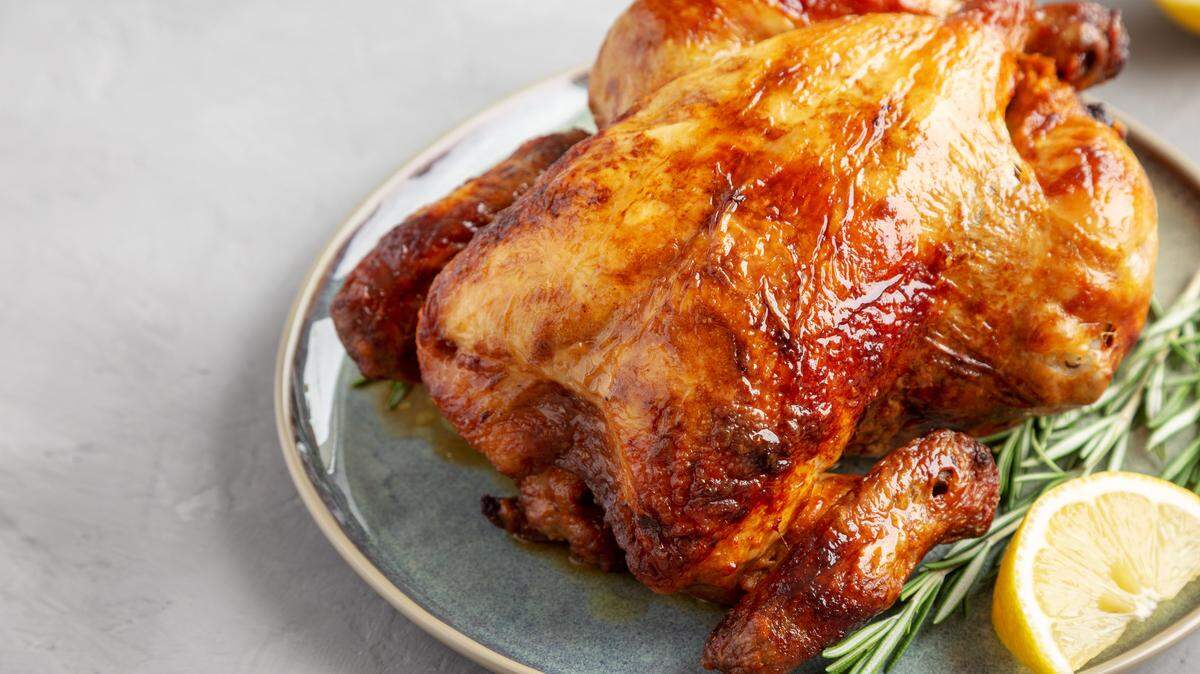
If you’re watching every dollar at the grocery store, the rotisserie chicken sitting in the deli section might be the best deal you’re walking past. At $5 to $7 at most retailers, it’s already cooked, already seasoned, and with a little planning, it can cover four to five meals for one person without repeating the same dish twice.
Why It’s Cheaper Than Cooking Your Own
This sounds counterintuitive, but a cooked rotisserie chicken often costs less than buying a raw whole bird and roasting it yourself. A PBS analysis found that raw whole chickens at major grocery chains frequently carry higher price tags than the ready-to-eat version sitting a few aisles over. Grocery stores intentionally price rotisserie chicken low to bring shoppers through the door, and that strategy works in your favor.
The prices have been remarkably stable even as other grocery costs keep rising. Costco’s rotisserie chicken has held at $4.99 since 2000. Sam’s Club charges $4.98. Most other grocery stores land between $5.97 and $9.99, depending on the chain and your area.
That works out to roughly $3 to $4 per pound of cooked protein, which undercuts what you’d pay for raw boneless chicken breast at the meat counter. For someone on a fixed income, that math adds up fast.
What One Chicken Actually Gives You
A standard grocery store rotisserie chicken weighs about 2 to 3 pounds and produces roughly 3 to 4 cups of shredded meat once you’ve removed the bones. That’s about 1.5 pounds of usable protein. A Costco bird runs closer to 3 pounds and can yield 5 to 6 cups. Costco sold 157.4 million of them in fiscal year 2025, and there’s a good reason the demand stays that high.
For one person, that’s four to five meals. For a couple, it comfortably covers three. The trick is using the chicken as an ingredient across different dishes rather than eating it all at once.
Stretching One Bird Across the Week
Meal one: Enjoy the chicken as the main course with whatever sides you have on hand. Rice, a baked potato, steamed vegetables or a simple salad all work well. Eat the drumsticks, wings and a portion of breast meat.
Meal two: Pull the remaining meat off the bones and shred it. Use it in a chicken salad sandwich with mayo, celery and a squeeze of lemon. Or warm it up in a tortilla with whatever cheese and vegetables you’ve got.
Meal three: Add a cup of shredded chicken to a pot of soup. Chicken noodle is the classic, but you can also toss it into a simple broth with rice, frozen vegetables and a pinch of seasoning. Soups stretch chicken further than almost any other preparation because the broth, grains and vegetables do most of the work.
Meal four: Use the last of the meat in a grain bowl or mix it into scrambled eggs for a high-protein breakfast.
Bonus: Simmer the leftover carcass with water, an onion, a carrot and a stalk of celery for about an hour. Strain it, and you’ve got homemade chicken stock that’s richer than anything you’d buy in a carton. Freeze it in portions for future soups, stews and risottos. That stock alone is worth a few dollars in store-bought broth.
Getting the Most Out of Every Bird
Shred the chicken while it’s still warm. The meat pulls away from the bone much more easily before it cools and tightens up. Separate white and dark meat into different containers. White meat is better for sandwiches, salads and wraps. Dark meat holds up well in soups and casseroles where its richer flavor blends into the dish.
Store everything in airtight containers. Shredded chicken keeps for up to 4 days in the fridge or up to 6 months in the freezer. Portioning it into one to two cup bags before freezing makes it easy to pull out exactly what you need later.
Food Safety Reminders
Refrigerate the chicken within 2 hours of bringing it home. Use refrigerated portions within 3 to 4 days. When reheating, make sure the internal temperature reaches 165°F. These steps are simple, but they matter when you’re storing and reusing meat across several days.
At a time when every grocery dollar counts, a single rotisserie chicken with a bit of planning delivers multiple satisfying meals and homemade stock for as little as $5. It’s hard to find a better return on investment anywhere in the store.
This article was created by content specialists using various tools, including AI.
This story was originally published April 9, 2026 at 10:19 AM with the headline "How to Turn One Rotisserie Chicken Into 4 Easy and Healthy Dinners This Week."