Berkeley Scientists Mapped the Brain’s “Sleep Switch” in Real Time and Found a Surprising Feedback Loop
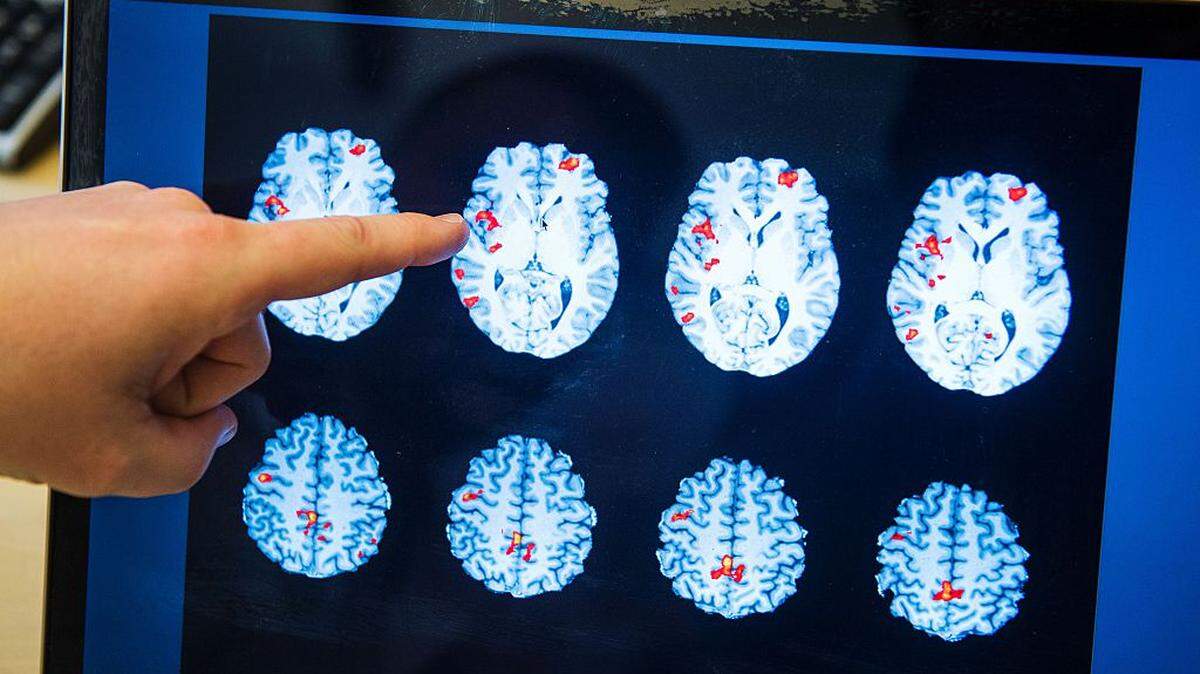
For decades, researchers knew that growth hormone surges during deep sleep. What they didn’t have was a live recording of the brain machinery that makes it happen. A team at UC Berkeley has now changed that.
In a study published in Cell in September 2025, neuroscientists physically traced the brain circuits that control growth hormone release across the sleep cycle and discovered a two-way conversation between deep sleep and the body’s repair systems. It’s the first time scientists have observed these circuits firing in real time, rather than inferring activity from hormone levels drawn from blood after the fact.
Inside the Hypothalamus: How the Sleep Switch Works
At the center of the system is the hypothalamus, a small region at the base of the brain that coordinates many of the body’s automated rhythms. The Berkeley team identified two hormones acting as opposing controls. Growth hormone-releasing hormone (GHRH) functions like an accelerator, driving growth hormone release. Somatostatin functions like a brake, holding it back.
During non-REM (deep) sleep, GHRH climbs while somatostatin pulls back, producing the largest growth hormone surge of the entire 24-hour cycle. During REM sleep, both signals fire simultaneously for a second, smaller boost.
The more striking finding is what happens after the pulse. Growth hormone signals the locus coeruleus, a cluster of cells in the brainstem tied to arousal, which then nudges the brain toward waking once the night’s repair work is complete. Deep sleep doesn’t just trigger growth hormone. Growth hormone, in turn, helps bring sleep to a close.
What Happens When Deep Sleep Gets Disrupted
Earlier sleep research relied largely on blood samples to track growth hormone, capturing the output without revealing the underlying wiring. By recording neural activity directly, the Berkeley team showed that sleep and the endocrine system operate in a feedback loop, not a one-way trigger. That loop has real consequences when it breaks.
When deep sleep is fragmented by alcohol, late-night light exposure or irregular schedules, the GHRH-somatostatin balance falters and growth hormone output drops. The effects compound quickly. A 2021 study in Physiological Reports found that a single night of poor sleep cut muscle protein synthesis by 18%. Chronically low growth hormone is linked to elevated risk of obesity, type 2 diabetes, Parkinson’s disease and Alzheimer’s.
Why the First Two to Three Hours of Sleep Matter Most
The largest growth hormone pulse arrives in the first two to three hours after sleep onset, which means that early window carries disproportionate weight for the body’s nightly maintenance.
The new circuit map gives familiar sleep advice a concrete biological reason:
- Keep a consistent bedtime. The early-night surge is the largest and most fragile pulse in the cycle. Irregular sleep times blunt it before it starts.
- Limit alcohol before bed. It directly disrupts non-REM sleep, the stage where the hormone switch actually flips.
- Keep the room cool and dark. Slow-wave sleep is sensitive to both. A cooler, darker room helps you reach it faster.
- Train earlier in the day. Resistance training has been linked to a stronger nighttime growth hormone pulse, adding a daytime signal to the overnight repair process.
For a field that has spent years debating what sleep is actually for, the study offers a concrete answer. Sleep isn’t simply rest. It’s a precisely timed exchange between brain and body, and scientists can now watch it unfold in real time.
This article was created by content specialists using various tools, including AI.
This story was originally published April 30, 2026 at 12:05 PM.