Yes, Allergies Really Are Worse This Year — Here’s Why And What To Do About It Right Now
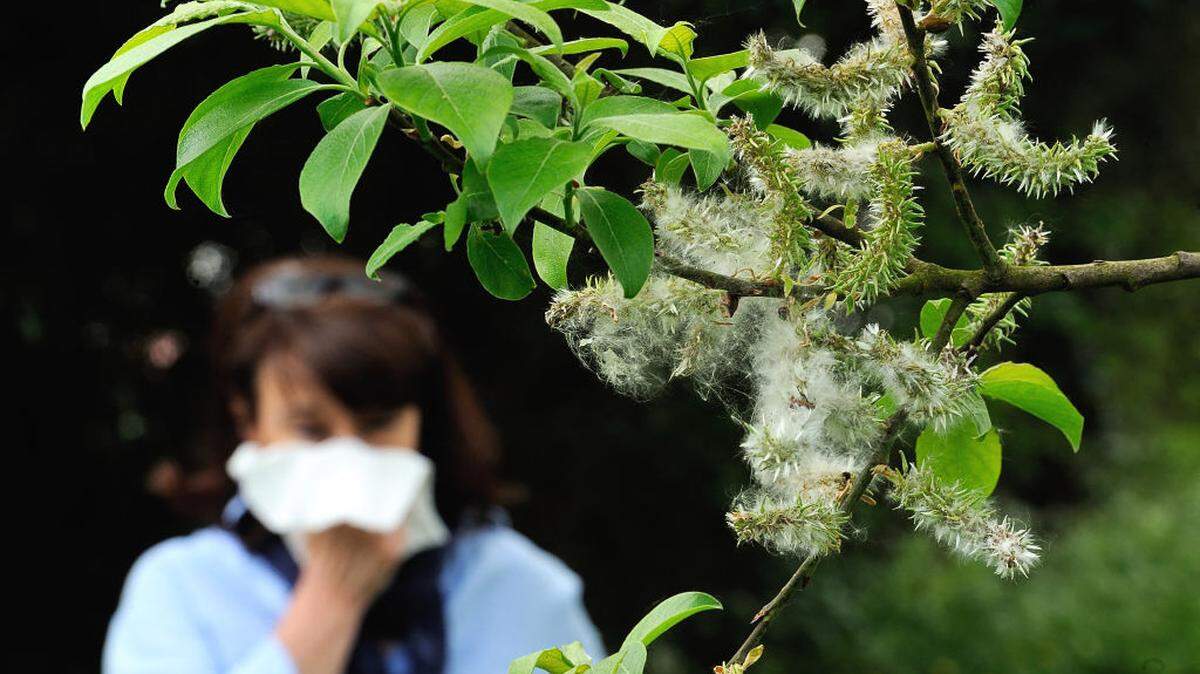
If your eyes are watering, your nose won’t stop running and you can’t remember feeling this bad this early in the season, you’re not imagining it. Allergy season is objectively getting worse — and there’s solid science behind why allergies are so bad right now.
The Data Says Your Allergies Are Not In Your Head
The pollen season is approximately three weeks longer now than it was 50 years ago, and plants produce about 20% more pollen on average, per Dr. Neelu Tummala of NYU Langone Health via the American Lung Association.
Warmer temperatures and higher CO2 levels mean trees, grasses and weeds are releasing more pollen earlier and for longer, per a HealthDay report by Dr. David Stukus, president-elect of the American College of Allergy, Asthma and Immunology.
Right now in April, oak, pine, mulberry and willow are the main culprits. Zyrtec’s month-by-month pollen guide explains that grass pollen starts overlapping in May, making the coming weeks a genuinely difficult stretch for most sufferers. And if you’ve never had allergies before, don’t rule it out — you can develop them at any age.
What’s Actually Making Your Allergy Symptoms Worse
A few habits are working against you, even if they don’t seem obvious. Pollen counts peak in the early morning, so going outside before noon on high-pollen days gives your symptoms a head start. Dry days after rainfall are also deceptively bad — rain temporarily clears the air but a dry stretch afterward causes a sharp pollen spike, per AccuWeather’s 2026 allergy forecast.
Pollen also clings to hair, skin and clothing, so if you’re coming inside after spending time outdoors and not changing or showering, you’re bringing the problem with you. The same goes for pets: if your dog or cat goes outside on high-pollen days, their fur carries allergens straight into your home and onto your furniture.
What Actually Helps Allergies Quick
A hot shower does more than feel good. Steam thins mucus and temporarily relieves congestion, and a PMC/NIH randomized controlled trial found that five minutes of daily steam inhalation produced real reductions in symptom burden. It won’t replace medication but it’s an easy add-on that works.
A neti pot is worth taking seriously if you haven’t tried one. Saline nasal irrigation reduces allergic rhinitis symptoms by 27% and medication consumption by 62% when used regularly. Two important rules: use only distilled or previously boiled water to avoid rare but serious infection risk per FDA guidance, and stick to once or twice daily during allergy season.
A warm compress pressed over your sinuses — the bridge of your nose and cheekbones — can take the edge off sinus pressure and facial pain when used alongside steam. It won’t clear allergens but it genuinely helps with the ache.
Running a HEPA air purifier on high-pollen days meaningfully reduces indoor allergen load, per Dr. Stukus in his April 2026 HealthDay report. Keep bedroom windows closed and run it overnight for the most benefit. Remove shoes at the door to avoid tracking pollen from outside.
Why Your Allergy Medication Might Not Be Cutting It
Timing matters more than most people realize. Oral antihistamines work best when started two to four weeks before your peak season, and intranasal steroid sprays need up to two weeks of consistent use before they reach full effectiveness, per Dr. Tummala via the American Lung Association. If you’re already deep in symptoms and just started your medication this week, that’s part of why it feels like nothing is working. Talk to your doctor about adjusting your current regimen.
The pollen season is getting longer and more intense every year. But starting the right treatments, reducing indoor exposure and using tools like nasal rinses and steam can make a real difference in how you get through it.
This article was created by content specialists using various tools, including AI.
This story was originally published April 21, 2026 at 8:10 PM.