
Everyone’s lifting. Everyone’s obsessing over protein. Here’s what the science actually recommends
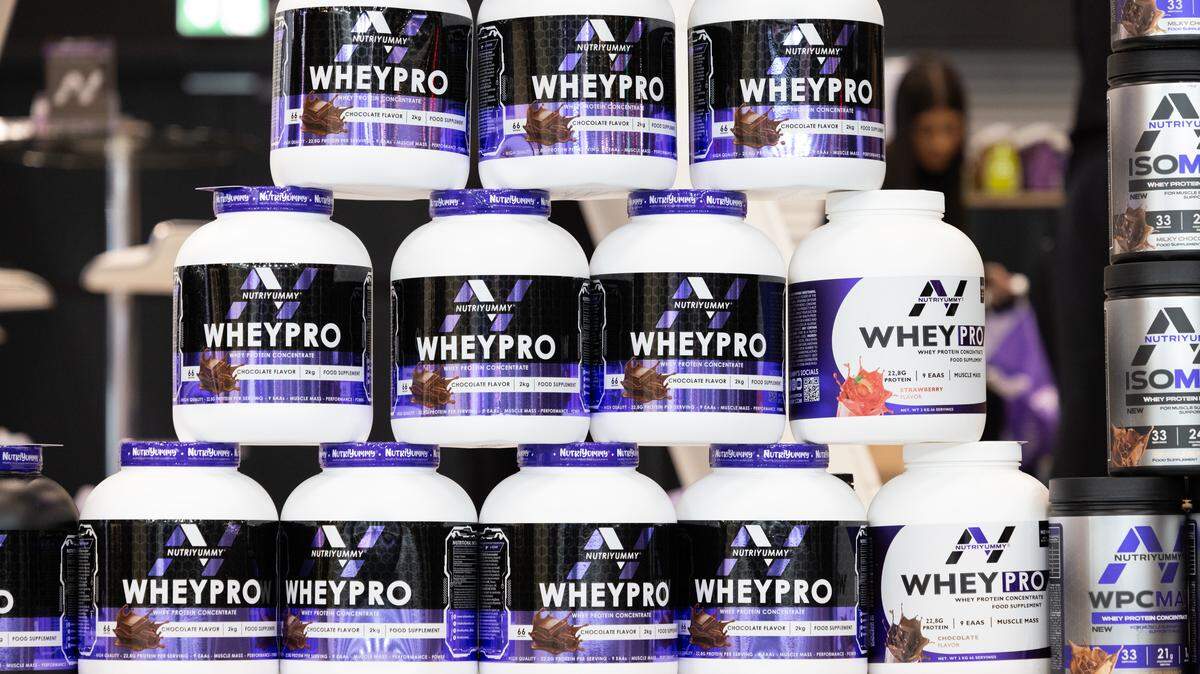
Protein diet content has flooded TikTok and Instagram feeds since the pandemic, with influencers pushing shakes, bars and meat-heavy meal plans as the secret to almost everything. Here’s what the science actually says about how much protein you need, what it does and where the trend goes wrong.
How much protein do you actually need on a protein diet each day?
The recommended daily allowance for protein is 0.8 grams per kilogram of body weight per day for adults age 18 and older, according to the American Heart Association.
That’s the baseline figure most major health organizations work from, and it’s far lower than the amounts being promoted across social media protein diet content. For an adult who weighs 70 kilograms — roughly 154 pounds — that works out to about 56 grams of protein a day. The American Heart Association notes that the figure is calculated based on weight, which is why the same number doesn’t apply universally.
Certain groups do need more than the standard RDA. According to the American Heart Association, “growing children and pregnant or lactating women require a little bit more protein than a typical adult man or woman because their bodies are building more muscle.” The increase reflects the fact that their bodies are actively building new tissue, not just maintaining what’s already there.
The gap between the 0.8 g/kg recommendation and what’s being marketed online is one of the central tensions in the protein diet conversation. Many of the meal plans, supplements and high-protein products dominating social media feeds push intake well above the RDA, often without acknowledging that the baseline figure exists or that it was set with adult health in mind. Before doubling or tripling your protein intake based on a trending video, it’s worth knowing what the established guideline actually is — and that most adults eating a typical mixed diet are already hitting it without supplements, shakes or specialized meal plans.
What does a high-protein diet actually do for your body?
A high-protein diet supports muscle growth and repair, helps control hunger, plays a role in metabolism and contributes to skin, hair and nail health.
Protein provides the building blocks the body uses to repair muscles after activity and to build new muscle tissue over time. That makes it especially important after exercise, injury or physical strain — one reason protein gets so much attention in fitness content. The repair function is real, even if the marketing around it tends to oversell how much extra protein is needed to support it.
Protein also takes longer to digest than many carbohydrates, which can help reduce hunger between meals and support more stable energy and appetite control. This is the basis for the “protein keeps you full” claim that drives a lot of the high-protein breakfast and snack trend. The satiety effect is well established, though it doesn’t automatically translate into weight loss without other dietary changes.
There’s also a metabolic component. The body uses more energy to break down protein compared with fats and carbohydrates, which slightly increases calorie use during digestion and supports overall metabolic function. The effect is real but modest — not the metabolism overhaul that some social media posts suggest.
Beyond muscle and metabolism, protein supports skin, hair and nail health, which is why it shows up in beauty-adjacent wellness content as often as it does in fitness feeds. The functions overlap because protein is a structural component of tissue throughout the body, not just in muscle.
What’s missing from most viral trending content is the acknowledgment that these benefits don’t scale infinitely. Hitting the recommended intake supports all of these functions. Doubling or tripling it doesn’t double or triple the benefit — and as Harvard Health Publishing notes, it can introduce new risks.
Is too much protein bad for you? What are the risks of a high-protein diet?
Yes, eating too much protein carries real health risks, including a higher chance of kidney stones and — depending on the source of the protein — increased risk of heart disease and colon cancer.
Harvard Health Publishing puts it directly: “If you eat too much protein, there may be a price to pay. For example, people that eat very high protein diets have a higher risk of kidney stones. Also a high protein diet that contains lots of red meat and higher amounts of saturated fat might lead to a higher risk of heart disease and colon cancer, while another high protein diet rich in plant-based proteins may not carry similar risks.”
The source of the protein matters as much as the amount. A high-protein diet built around red meat and saturated fat is associated with different health outcomes than one built around plant-based proteins like beans, lentils, tofu and nuts. The Harvard Health analysis points to that distinction directly — plant-based high-protein diets may not carry the same elevated risk for heart disease and colon cancer that red-meat-heavy diets do.
There’s also a displacement issue that often gets ignored in protein diet content. Janice Dada, a registered dietitian nutritionist with a master’s in public health, told SELF.com that a high-protein diet “can displace our intake of carbohydrates or fats or other micronutrients.” In other words, every gram of protein someone adds is often a gram of something else they’re taking out — and the nutrients lost in that trade-off can include fiber, healthy fats and vitamins that the body also needs.
That displacement risk doesn’t show up in most viral content, which tends to treat protein as something you can stack on top of an existing diet without consequence. The reality is that diets are zero-sum at the calorie level: more protein generally means less of something else.
The risks don’t apply equally to everyone. People with existing kidney conditions face different considerations than healthy adults. Anyone making a significant change to protein intake — especially through supplements or restrictive meal plans — should talk to a doctor or registered dietitian rather than relying on a trending video.
Why is the protein diet trend so popular on TikTok and Instagram?
High-protein diets have been trending on Instagram and TikTok since the pandemic, fueled by fitness culture, weight-loss content and an industry of products marketed as protein-forward.
The trend caught fire during a period when many people were rethinking their health habits, working out at home and spending more time on social platforms. Protein became shorthand for a long list of goals — muscle gain, weight loss, satiety, energy, “clean” eating — and the marketing kept pace. Protein bars, shakes, powders, chips, cereals, yogurts and even waters have been reformulated or repackaged to lead with grams of protein on the front of the label.
The volume of content can make it feel as though the official recommendations have changed or that the standard RDA is outdated. They haven’t. The American Heart Association’s 0.8 g/kg guideline still stands, and Harvard Health Publishing still flags the same risks. What’s changed is the marketing — not the science.
That’s the central disconnect in the protein diet conversation right now. Trending content tends to emphasize the upside of more protein and skip past the established intake recommendations, the displacement of other nutrients flagged by registered dietitians like Janice Dada and the specific risks Harvard Health has tied to very high intake — particularly when the protein comes from red meat and saturated fat.
For readers trying to make sense of it all, the practical takeaway from the actual research is narrower than the trend suggests. Hitting the 0.8 g/kg recommendation supports muscle, satiety, metabolism and tissue health. Going far beyond that doesn’t multiply the benefits and may introduce risks, especially depending on the food sources involved. Plant-based protein sources appear to carry a different risk profile than red-meat-heavy approaches, according to Harvard Health.
The trend isn’t going anywhere — protein content continues to perform on social platforms — but the gap between what’s trending and what’s recommended is worth knowing before building a diet around it.
This article was created by content specialists using various tools, including AI.