Are silicone baby bottles safer than plastic? What parents need to know about microplastics
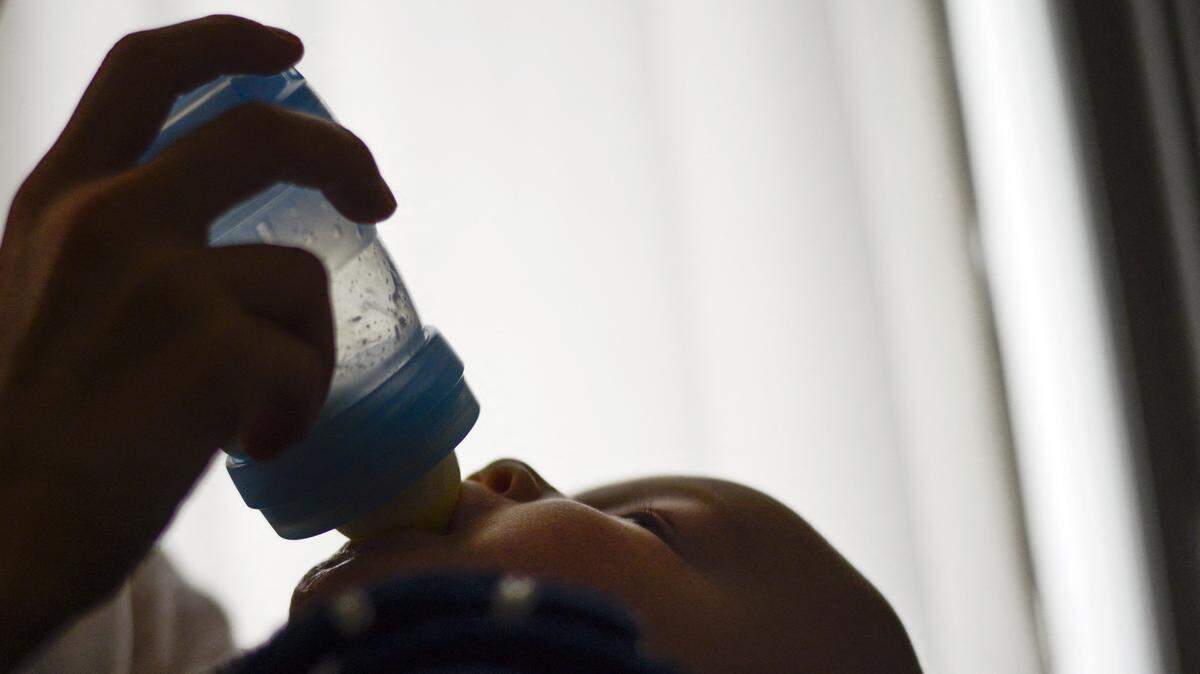
Parents aren’t just asking whether plastic baby bottles are convenient anymore. They’re asking what happens after months of heating, sterilizing and daily use — and whether tiny plastic particles end up in the milk or formula babies consume.
That concern has fueled growing interest in silicone baby bottles, glass bottles and other non-plastic baby bottles. But once parents decide they want to move away from plastic, the next question becomes harder: Which alternative actually makes the most sense?
Why microplastics became a baby bottle concern
Microplastics are tiny plastic particles ranging from 5 millimeters down to 1 nanometer, according to the U.S. Environmental Protection Agency (EPA). Researchers have found them throughout the environment and inside the human body, including the brain, placenta, heart and stomach, according to Stanford Medicine.
A 2020 study from Trinity College Dublin found that plastic bottles account for roughly 83% of the global baby bottle market and can release between 1.3 million and 16.2 million microplastic particles per liter during formula preparation.
The study also found that infants may consume around 1.6 million microplastic particles every day.
That doesn’t prove every plastic bottle is dangerous, but it has raised concerns about repeated heat exposure during feeding.
What experts say about plastic baby bottles
Dr. Tracey Woodruff of the University of California, San Francisco told NBC News that plastic baby bottles can shed microplastics and nanoplastics, especially when heated while preparing formula.
Woodruff later helped lead a systematic review examining possible health effects linked to microplastic exposure. According to NBC News, the research connected exposure to respiratory, digestive and reproductive harms, along with increased risks for lung and colon cancer.
Scientists are still studying the long-term health impacts. But for many parents, the research has been enough to reconsider heated plastic feeding products.
Are silicone baby bottles safe?
Most experts consider food-grade silicone baby bottles safer than traditional plastic bottles, though they are not completely risk-free.
Unlike many plastics, high-quality silicone is free from BPA, BPS, PVC and phthalates. It also handles heat more effectively, with food-grade silicone remaining stable at temperatures up to roughly 450 degrees Fahrenheit.
But quality matters.
Dr. Perry Sheffield, a pediatrician and environmental health researcher, told Babylist that lower-grade silicone is more likely to release chemicals when repeatedly exposed to high heat.
A 2023 study published in PLOS One also found that silicone products can release nanoparticles, though at lower rates — and with lower toxicity — than conventional plastics. Researchers found boiling water, wear and repeated stress increased particle release over time.
For parents wondering, “Are silicone baby bottles safe?” — current evidence suggests they are generally considered a lower-exposure alternative compared to heated plastic bottles.
Silicone vs glass baby bottles
The biggest difference in the silicone vs glass baby bottles debate comes down to convenience versus long-term durability.
Glass is often considered the gold standard for avoiding microplastics because it does not shed particles or degrade during sterilization. It also won’t absorb odors or stains over time.
Still, glass has drawbacks that matter for everyday parenting. Before choosing between the two, parents usually compare several practical differences:
- Glass bottles are heavier and can shatter if dropped
- Silicone bottles are lightweight and nearly unbreakable
- Glass typically lasts longer
- Silicone eventually wears down and may need replacing sooner
- Silicone travels more easily in diaper bags and daycare settings
- Glass is 100% recyclable, while silicone is not
Both options are generally viewed as better alternatives than plastic. The right choice usually depends on lifestyle, budget and how the bottles will be used day to day.
What to look for in non-plastic baby bottles
Not all non-plastic baby bottles are made the same. Experts recommend paying attention to labels, coatings and overall product quality before buying.
When comparing products, look for:
- “100% food-grade silicone” or “medical-grade silicone”
- BPA-, BPS-, PVC- and phthalate-free labels
- Minimal dyes, paints or decorative coatings
- Heat-resistance and sterilization guidance
- Easy-to-clean designs with replacement parts available
Those details matter because lower-quality materials are more likely to break down under repeated heating and washing. Parents should also inspect bottles regularly and replace them if they become cloudy, sticky, cracked or torn.
How to avoid microplastics during feeding time
Even parents who still use some plastic products can reduce exposure with a few practical habits. Most recommendations focus on limiting heat and replacing worn materials promptly.
Experts commonly suggest:
- Never microwaving plastic bottles or containers
- Preparing formula in glass or stainless steel before transferring it after cooling
- Hand-washing bottles with warm water instead of high-heat dishwasher cycles
- Replacing worn bottles, nipples and pacifiers promptly
- Storing breast milk and formula in glass when possible
Researchers say avoiding microplastics entirely is nearly impossible because the particles are now widespread throughout the environment.
For many families, switching to silicone baby bottles or other non-plastic baby bottles is less about eliminating every possible risk and more about reducing unnecessary exposure where it feels practical and manageable.
This article was created by content specialists using various tools, including AI.