Taking Ozempic? Here’s What Experts Say You Should Actually Be Eating to Stay Satisfied
Millions of Americans are now taking Ozempic and other GLP-1 medications, and what ends up on their plate can make the difference between steady progress and a week sidelined by nausea. Doctors and dietitians say the drug works best when paired with specific eating habits — and the wrong foods can trigger or worsen side effects like vomiting, bloating and fatigue.
The medication slows how quickly the stomach empties, which is part of why it curbs appetite. That same mechanism is why heavy, greasy or sugary meals feel so much worse on Ozempic than off it.
How Food Choices Affect Ozempic Side Effects
“Foods that are least likely to cause side effects are lower in fiber, protein, and fat,” Dr. Lauren Donnangelo, a gastroenterologist and obesity medicine doctor at True You Weight Loss in Atlanta, told Healthline. “These types of foods do not cause any further slowing of stomach emptying and are easier to digest.”
Two categories stand out as the biggest triggers. “High-fat foods — like fried or greasy foods — and alcohol are the two most important groups to avoid,” said Dr. Patricia Pinto-Garcia, a medical editor at GoodRx. She also recommends steering clear of high glycemic index foods, ultra-processed items and sugary drinks, which can spike blood sugar and work against the medication.
Why Smaller, More Frequent Meals Work Better
Because the stomach empties more slowly on a GLP-1, large meals often lead to discomfort and nausea. UCHealth recommends replacing big plates with three smaller meals plus healthy snacks.
“Maybe five or six times a day, you’re eating something little, but you want it to be balanced,” dietitian Erin Cahoon said.
With portions naturally smaller, every bite needs to count. “Understanding that overall portions are smaller on these medications, we want to optimize nutritional intake and consume the ‘best’ calories available,” Dr. Christopher McGowan, an obesity medicine physician, told TODAY.com. “The focus should be on lean protein, healthy fruits and vegetables, adequate fiber and adequate fluid intake.”
What to Put on the Plate First: Protein
Protein is the priority almost every expert names first — not for weight loss, but for muscle preservation.
“At every meal, I want you to focus on getting protein first,” Alexandra Sowa, an obesity medicine physician and author of The Ozempic Revolution, told AARP. “Not for weight loss, but honestly, because you might not have as much of an appetite beyond that.”
Dr. Lisa Young recommends 20 to 30 grams of protein per meal from lean sources like poultry, fish, tofu, legumes, eggs and low-fat dairy. Rapid weight loss can strip muscle along with fat, and protein helps protect what you have.
Healthy Fats and Colorful Vegetables
Fat is not the enemy — the type of fat is what matters. The dietitian team at BistroMD recommends mono- and polyunsaturated fats from avocado, fatty fish like salmon and albacore tuna, nuts, seeds and olive oil. Even dark chocolate makes the list, with an eye on added sugars.
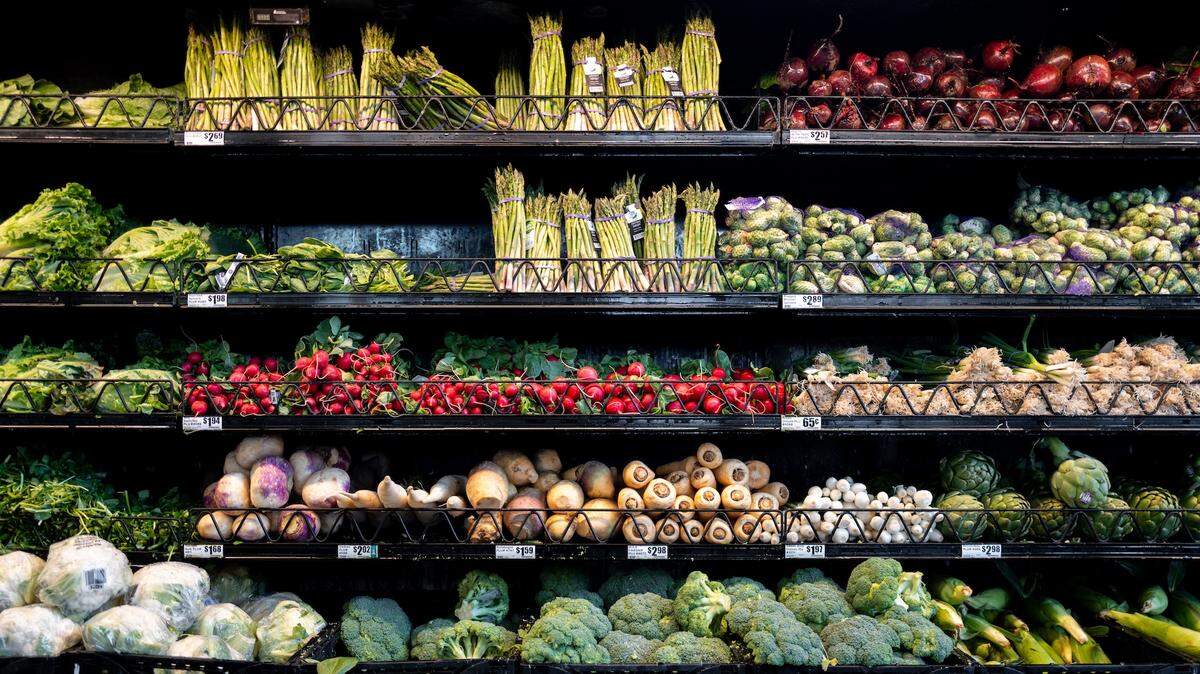
Vegetables should be varied by color. “Each color represents a different phytonutrient,” Dr. Vijaya Surampudi, clinical chief of the Division of Clinical Nutrition at UCLA Health, told WebMD. Starchy vegetables like potatoes, corn, parsnips and rutabaga should be treated as carbohydrates and eaten in moderation because of their higher glycemic load.
Why Hydration Is Non-Negotiable
Dehydration can make nausea dramatically worse, and chronic vomiting on semaglutide can lead to malnutrition if fluids and calories drop too low.
“Dehydration can worsen nausea, so drink plenty of fluid slowly throughout the day,” said Christine Santori, clinical dietary program manager at the Center for Weight Management with Northwell Health. “Cold sugar-free items are tolerated best. Try some iced ginger tea.”
Sipping fluids steadily — rather than gulping large amounts at once — tends to sit better on a slower-emptying stomach.
Information regarding health and well-being is provided for awareness, education and general information. Health benefits of various medicines, diets, weight-loss strategies and foods are the opinions of the authors and/or those they interviewed, and there may be differing views on many of the topics covered, including evolving research, opinions, benefits and efficacy. This article is meant to inform the general reader and is not a substitute for medical advice from a physician or nutritional advice from a dietitian and/or nutritionist. Please refrain from starting, stopping or consuming any medication or regimen without the supervision of a trained physician. Please beware that in this emerging field of research, medications could cause adverse effects and problems not reported here. Please consult a doctor if you have chronic ailments or feel adverse side effects after starting a drug, nutrition or weight-loss regimen, and do not ingest, inject or otherwise use items to which you have sensitivities or may be allergic. Readers should consult a licensed health care professional who knows their personal medical history on matters relating to their health and well-being, including being aware of potential interactions with medications they are taking and conflicts with other wellness-related goals. Patients seeking treatment for weight loss should consult a physician trained in management of overweight or obesity.
This article was created by content specialists using various tools, including AI.