Where to sell your designer clothes for the most money in 2026 (7 best resale sites compared)
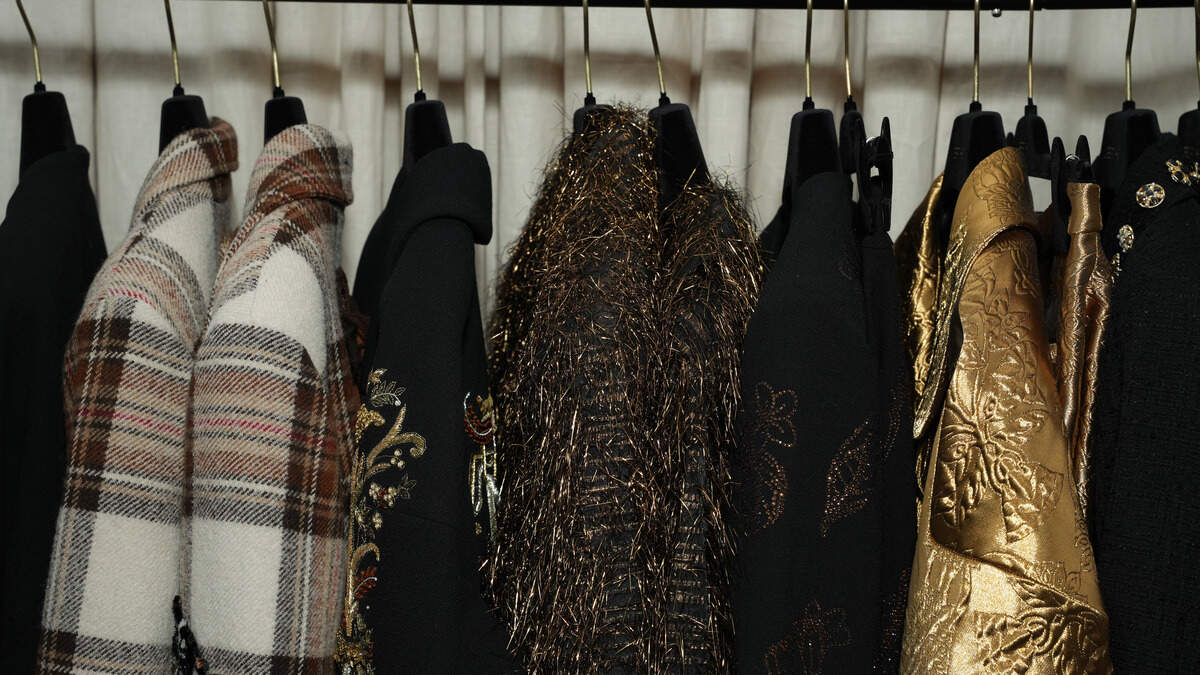
The handbag gathering dust in your closet might be worth more than you think. Resale has gone mainstream, and demand for secondhand designer clothes is climbing fast.
According to BCG and Vestiaire Collective, the global secondhand market for fashion and luxury goods could hit $360 billion by 2030, up from $210 billion to $220 billion today. That is a 10% annual growth rate, roughly three times faster than the firsthand market. The wrong platform, though, can quietly eat your profit.
So if you have been asking where can I sell designer clothes for the best return, the place you list matters almost as much as the piece itself.
Where to sell designer clothes in 2026
There is no single best place to sell designer clothes, but a handful of clothing resale sites stand out for luxury. The strongest ones pair real authentication with the right buyers and fees that leave money in your pocket.
These four are the most trustworthy options for high-end pieces:
- Vestiaire Collective: a flat 12% selling fee plus 3% processing, with your first three listings free. Every item is authenticated, which buyers trust for labels like Chanel, Gucci and Hermès.
- The RealReal: fully hands-off consignment that pays sellers 20% to 70% based on an item’s value, plus volume bonuses. Best for high-value bags, fine jewelry and watches.
- Depop: no selling fee for US sellers, just 3.3% plus $0.45 per order in processing. Ideal for Y2K, vintage and streetwear aimed at a Gen Z crowd.
- eBay: 15% commission on items up to $2,000 and 9% above, with 250 free listings a month and $0.35 for each one after. The widest buyer base in the US.
Poshmark, ThredUp and Facebook Marketplace can move clothes too, and for a mixed closet they may be the best place to sell clothes online.
For designer labels, though, treat them as secondary. Poshmark leans mainstream, ThredUp pays little on low-value items and rejects menswear, and Facebook Marketplace suits fast local sales rather than luxury. For a general clear-out they can still be the best place to resell clothes.
Tips when selling designer clothing brands
Before you list, weigh what each platform offers: authentication, commission, payout speed, how much work it does for you and the buyers it attracts.
A few habits help your designer clothing sell faster and for more:
- Sell in season, when buyers are actively shopping for the piece.
- Research current prices for comparable items so your listing stays realistic.
- Prove authenticity wherever you can, with receipts, tags or serial numbers.
- Write detailed descriptions covering measurements, material composition, condition and how often the item was worn.
- Add new listings regularly to keep your profile active and visible.
Quality photos and honesty matter more than anything.
“Invest in the time to create high-quality photos in good lighting, and offer people multiple angles and close-ups to ensure they get a sense of the quality,” Steve DiMatteo, owner of Cleveland Vintage Shirts, told AARP.
“Being honest and upfront is my number one tip; it builds a trusting relationship between the buyer and seller,” Jessie de la Merced, Vinted’s VP of corporate affairs, told British Vogue. “Don’t underestimate the power of a trustworthy account – positive reviews contributes to more sales and visibility.”
Get the basics right, match each piece to the right platform, and the resale boom can put real money back in your pocket.
This article was created by content specialists using various tools, including AI.