
Your home’s sensory overload: Here’s how it could be overwhelming your nervous system each day
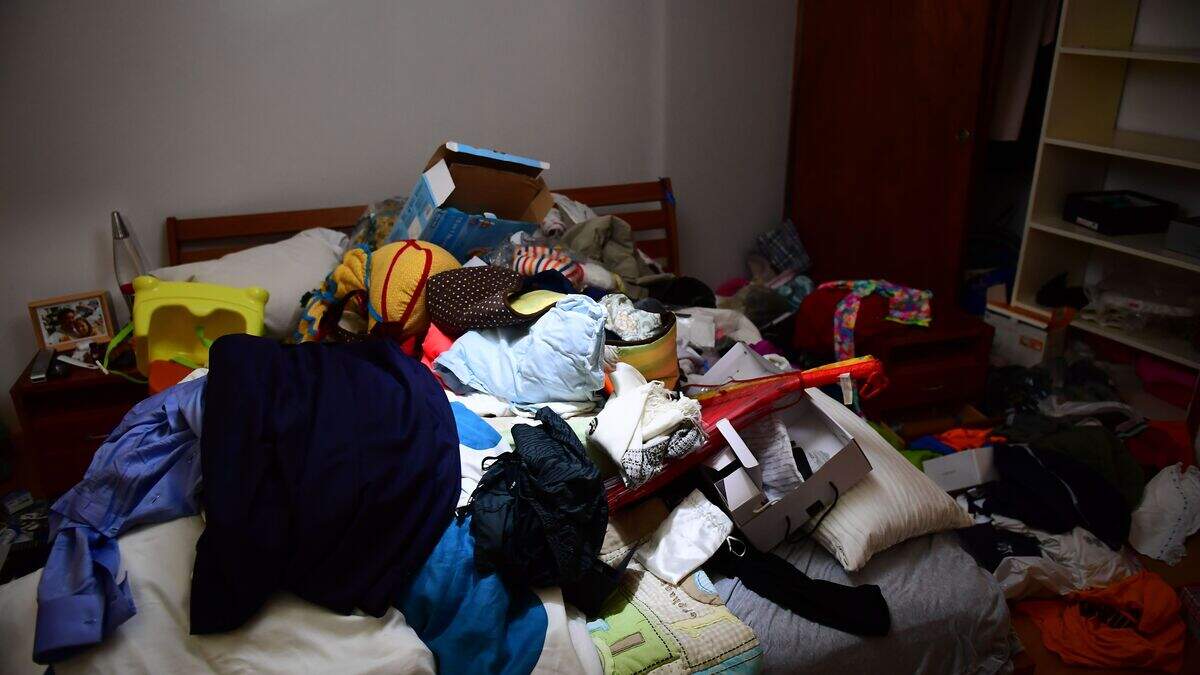
If your home is supposed to be a sanctuary but you still feel restless inside it, your home design choices may be partly to blame. Therapists and designers say certain layouts, lighting setups and clutter habits keep the nervous system on edge instead of letting it settle.
How does home design affect your nervous system?
Your home design can quietly keep your brain “on” through visual clutter, harsh lighting and a lack of calming elements like greenery or soft natural materials. Multiple expert accounts point to a real connection between what surrounds you and how regulated you feel.
The pattern shows up consistently. Cluttered surfaces, busy wallpaper and competing colors create constant background work for the brain. Cool overhead lighting at night can suppress the body’s wind-down cues. And rooms stripped of texture or plants can feel sterile rather than soothing. Decor without empty space, sometimes called visual breathing room, is one of the most common culprits in homes that feel exhausting rather than restful.
Why does clutter make people feel anxious at home?
Clutter triggers a low-grade sense of being out of control, which fuels anxiety. Too much stuff also forces the brain to repeatedly decide where things go, whether to keep them and when to clean them.
Houston-based therapist KC Davis, author of “How to Keep House While Drowning,” told Jandra Sutton for Apartment Therapy, “Sometimes it has to do with feeling in control. Because a lot of anxiety has to do with a kind of feeling out of control. There’s too much to do, we kind of feel like we’re on the brink of feeling overwhelmed … we’re worried about something we can’t control.”
Common offenders include too many patterns competing across wallpaper, rugs, pillows and artwork, open shelving packed with objects, and rooms with no empty space to rest the eye.
What kind of lighting reduces anxiety at home?
Lighting that mimics the sun, bright and bluish in the morning and warmer and dimmer at night, is best for mood, sleep and reducing depressive symptoms. Harsh overhead bulbs and cool-toned light after dark can do the opposite.
Esther Sternberg wrote in Psychology Today, “The best kind of indoor light exposure to enhance mood, improve sleep, and reduce depressive symptoms is lighting that varies throughout the day, as does the sun. Such circadian lighting would typically start in the morning with bright bluish light and gradually shift to dimmer, redder light in the evening before bedtime.”
Monika Eyers told Real Simple readers to “Try sheer curtains and bamboo shades to let in dappled, natural moving light (an effect that has been shown to reduce anxiety).” She added, “And look at the number of kelvins to gauge a bulb’s color temperature.” Lower kelvin numbers produce warmer, candlelike light suited to rooms where you want to relax, while higher numbers like 5000K read closer to daylight and support alertness.
What home design elements actually promote calm?
Greenery, natural fibers and softer neutral tones consistently show up in expert recommendations for a calmer home. They engage the senses without overwhelming them, which is the balance a regulated nervous system needs.
Designer Anita Yokota told Eyers, “Greenery also reinforces our innate connection to care, rhythm, and stability. These are key elements for emotional balance at home.”
Suzanne Tick, creative director at Luum Textiles, told Forbes, “Softer neutrals with hints of color bring calm into an environment. Woods, stone, natural fibers enliven the senses.” She added that natural fibers like wool offer softness while using renewable resources that can be sanitized as needed.
This article was created by content specialists using various tools, including AI.