Doctors bust the biggest myth about lymphatic drainage: Popular methods and tools ranked by evidence
Lymphatic drainage has moved from spa menus to bathroom counters, with searches for at-home tools soaring since 2020. The category now spans everything from $8 dry brushes to $300 vibration plates, all promising to move stagnant fluid and reduce puffiness.
Most of these tools have thin clinical evidence behind them. Knowing what lymphatic drainage actually does, and what each tool can realistically deliver, is the difference between a useful wellness habit and an expensive placebo. If you want a deeper explainer on how the lymphatic system itself works, this full breakdown covers it from the inside out.
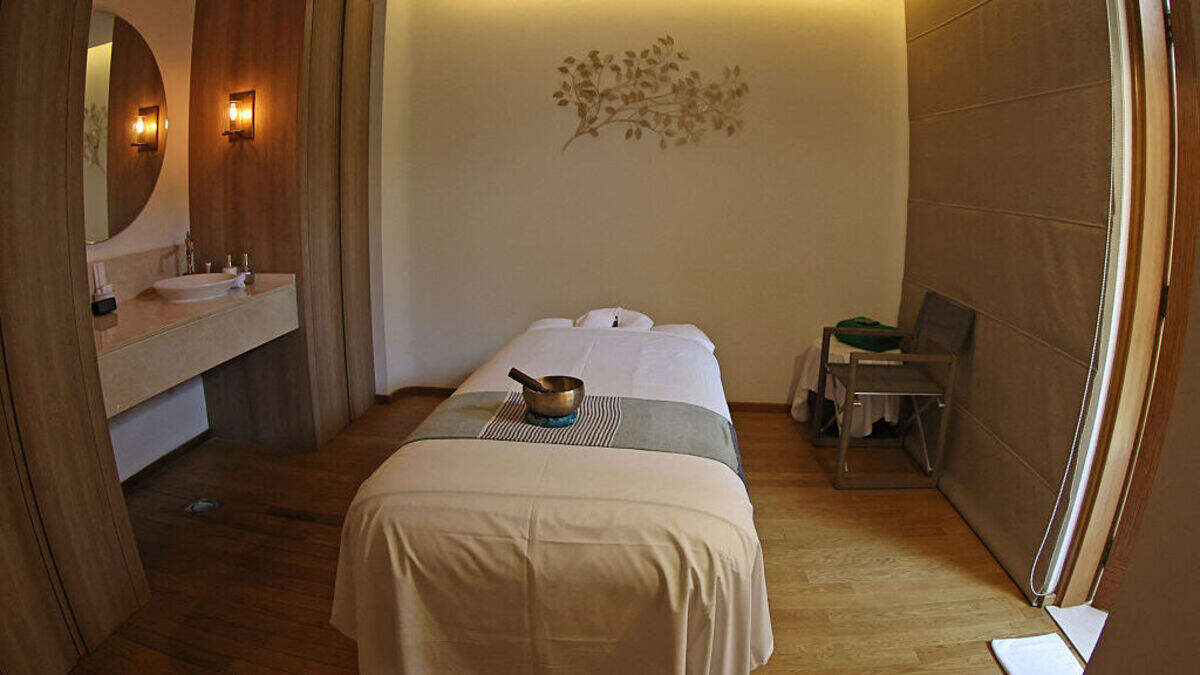
What Happens During a Professional Lymphatic Drainage Session
A trained therapist uses very light pressure and slow, rhythmic strokes in a specific sequence rather than freeform massage. Sessions typically start with areas closest to the lymph nodes to clear pathways first, then move fluid from other parts of the body toward those nodes. The technique is designed not to work the muscles but to support fluid movement just under the skin, so pressure stays light enough to affect only the surface layer.
There should be no pain or skin reddening during a proper session, and therapists avoid massaging over active swelling, infection or skin that’s undergone cancer treatment. Cleveland Clinic confirms therapists move lymph from tissues toward the nodes specifically to ease swelling, noting the technique is most commonly used clinically for lymphedema following breast cancer surgery.
One common myth deserves clearing up. Nothing visibly leaves the body during a session. The fluid moved doesn’t exit through the skin. It re-enters the bloodstream and is processed by the liver and kidneys as usual, just faster than the body was managing alone.
Ranking At-Home Lymphatic Drainage Tools
The at-home category breaks roughly into five tiers, and the evidence behind each varies sharply. Here’s how they stack up, from the most clinically supported to the least.
1. Red light and LED devices, roughly $60 to $200, carry the strongest clinical backing of the group. A 2017 systematic review evaluating multiple randomized controlled trials found low-level laser therapy led to a significant decrease in limb circumference and volume in patients with breast cancer-related lymphedema, with additional benefits reported for pain and range of motion. This is the only tier with real trial data behind its core claims.
2. Vibration plates range from about $80 for basic models to $300 and up. Rapid oscillations trigger muscle contractions that can indirectly support lymph movement. Short sessions may help with lower-extremity swelling in otherwise healthy people, and MD Anderson Cancer Center has pointed to low-intensity vibration as potentially helpful for cancer patients maintaining bone and muscle health. The evidence here is suggestive rather than conclusive, but it’s a notch above the tools that follow.
Vibration plate searches for lymphatic drainage are up roughly 3,100 percent since 2020, by far the fastest-growing category in the space, even though the research hasn’t kept pace with the hype. Avoid these if you’re pregnant, prone to blood clots or have implanted medical devices.
3. Gua sha tools cost $10 to $40 for stone versions and $40 to $90 for electric or LED hybrids. The tool glides over oiled skin in sweeping strokes around the jaw and neck. It has the longest history of any tool here, rooted in traditional Chinese medicine, but clinical evidence for its cosmetic claims remains limited to tradition and anecdote rather than trials.
4. Lymphatic facial brushes run $15 to $35. Their ultra-soft synthetic fibers self-regulate pressure, which is part of why they’ve been gaining ground on gua sha for daily consistency. Like gua sha, the appeal here is mostly about ease of use rather than documented results.
5. Dry brushing runs about $8 to $25 and uses light pressure on dry skin to support superficial lymph flow. It’s the cheapest option and the least studied. A regenerative medicine physician has recommended against dry brushing on broken skin, eczema or active rashes, since it can damage the skin barrier and cause irritation or infection.
Why Lymphatic Drainage Is Showing Up Beyond Beauty Routines
Interest has spread past skincare. A 2026 study in Bone Research found impaired lymphatic drainage is associated with inflammatory conditions like osteoarthritis and rheumatoid arthritis, helping explain why the category has expanded into recovery and rehab conversations rather than staying confined to beauty content.
None of these tools replace professional manual lymphatic drainage for diagnosed conditions like lymphedema. Quality varies widely within every category, especially among vibration plates and electric gua sha tools sold through TikTok Shop, and established, well-reviewed brands tend to outperform the cheapest option.
Across every source, one-time or occasional use produces little benefit regardless of which tool you pick. Consistency matters more than the price tag.
This article was created by content specialists using various tools, including AI.