Backyard chickens were a money move when eggs hit $6. Here's what the math looks like now in 2026
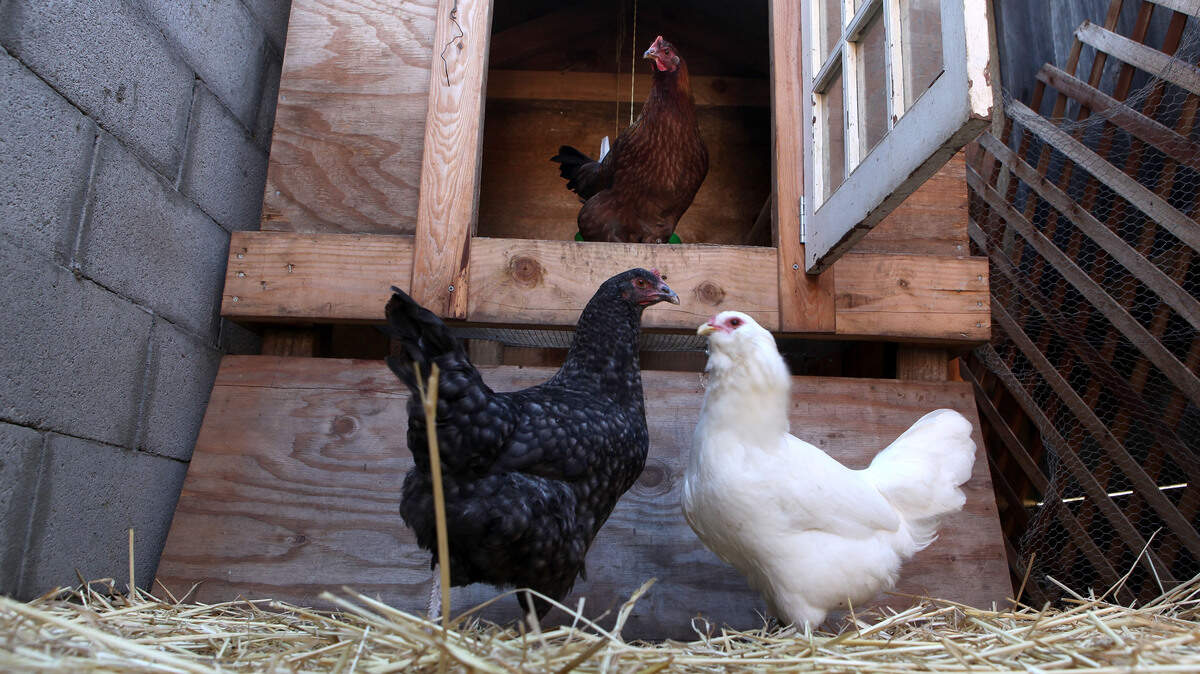
Egg prices have crashed back to earth. Avian flu has cooled off. And yet Americans are building chicken coops in their yards faster than ever.
In fact, roughly 11 million U.S. households now keeping chickens, nearly double the 5.8 million in 2018, according to the American Pet Products Association (as reported by Axios).
The obvious explanation is eggs. But look closely at the numbers on raising backyard chickens and a different story emerges. The flock rarely pays for itself. What keeps people coming back is something the spreadsheet doesn’t capture.
Why backyard chickens are trending again in 2026
The 2025 surge made sense on paper. Eggs hit $6.23 per dozen in March 2025, a 20-year high, up from the previous peak of $4.82 in January 2023, according to the Bureau of Labor Statistics (BLS). Avian influenza had thinned the nation’s laying flock, shelves emptied, and Google searches for “backyard chickens” and “how to build a chicken coop” spiked in February 2025.
By May 2026, the BLS had the average dozen at $2.19, roughly a third of the peak. Yet the same searches are climbing again.
Texas A&M AgriLife Extension Service livestock economist David Anderson, Ph.D., said supply has caught up and prices should keep drifting lower through the rest of 2026. “We lost a lot of egg layers with avian influenza, but what’s happened is the avian influenza has slowed down a little bit and we’ve had time, time to rebuild our flocks, time to get more chickens, to start producing more eggs,” Anderson said, per Campus Insights Media.
Anderson noted there were 315 million egg-laying hens in the U.S. as of March 1, an 8% jump from 291 million a year earlier, and the highest March count since 2022.
Is raising chickens worth it? The math on eggs
If you’re getting into this for cheap eggs, the numbers won’t cooperate.
Original research by Easy Coops, which analyzed data from 120 self-reported chicken coop builders, put the median coop build at $2,000. More than half of builders (53%) spent over $1,500, and about 20% spent between $1,000 and $2,000, a bracket largely occupied by first-time DIY projects. Monthly costs typically run $40 to $75 for feed, bedding, treats and emergency supplies.
The average hen lays 200 to 300 eggs a year, or about 20 dozen. Take a modest setup of five hens, a $1,000 coop and $50 a month in expenses.
- Egg production, 5 hens × 20 dozen = 100 dozen eggs a year
- Value at $2.19/dozen, $219/year
- Year one cost, $1,000 coop + ($50 × 12) = $1,600
- Net year one, -$1,381
Even if you treat the coop as a sunk cost and look only at ongoing expenses, you’re spending $600 a year on feed and supplies to produce $219 worth of eggs, a loss of roughly $381 a year, indefinitely. That’s before predator losses, vet bills or replacing hens as they age out of laying (usually after two to three productive years).
Rewind to March 2025, when eggs were $6.23 a dozen. Those same 100 dozen would have been worth $623 a year, essentially covering the entire operating cost, with a little left over. That’s the whole ballgame in one comparison. At $6.23, the flock pays for its own feed. At $2.19, you’re subsidizing every egg.
So if raising chickens for eggs doesn’t pencil out, why is the trend accelerating?
Pet chickens, Why people stay after the eggs
Eggs get people started. Chickens get people to stay.
Jenny Mace of the University of Winchester and her colleague Andrew Knight ran an online survey of chicken owners in 2024 that drew more than 2,000 responses. The results reframed how researchers think about backyard flocks.
More than 90% of respondents said they wouldn’t kill their chickens for meat. More than 75% said they didn’t view their chickens as morally less important than dogs.
“I didn’t specifically ask, do you think of your chicken as a pet,” Mace told Psychology Today. “But there were other statements that are very suggestive of that.”
That framing of chickens as pets, not livestock, helps explain why the flock keeps growing even as the economic case for it collapses. When people treat their hens the way they treat their dogs, the eggs stop being the point. They become a bonus. Chickens as pets is now common enough that the birds are widely cited as the third most popular household pet in the U.S., behind cats and dogs.
Raising backyard chickens, what a first-time owner should expect
If you’re going in with clear eyes, raising backyard chickens is a manageable but real commitment. A few things to weigh before you buy hatching eggs or day-old chicks.
- Upfront costs are higher than most people plan for. The Easy Coops data shows most first-time builders spend well over $1,000 just on the coop.
- Ongoing costs are steady. Budget $40 to $75 a month per small flock for feed, bedding and supplies.
- Egg output declines fast. Peak laying lasts about two to three years. After that, hens keep eating but produce far fewer eggs, and most owners in the Mace and Knight survey won’t cull them.
- Local rules vary. Some cities allow hens but not roosters. Others cap flock size or require permits.
- Predators and disease are real risks. Hawks, raccoons, foxes and neighborhood dogs all pose threats. Avian influenza still circulates in wild bird populations.
None of that shows up on the “value of eggs produced” line of the ledger. But for the 11 million households now keeping birds, the eggs were never the whole return.
You can learn more about how to build a DIY chicken coop for your backyard flock here.
This article was created by content specialists using various tools, including AI.