Oura and WHOOP’s nervous system training push shows how stress fitness is just starting to go mainstream
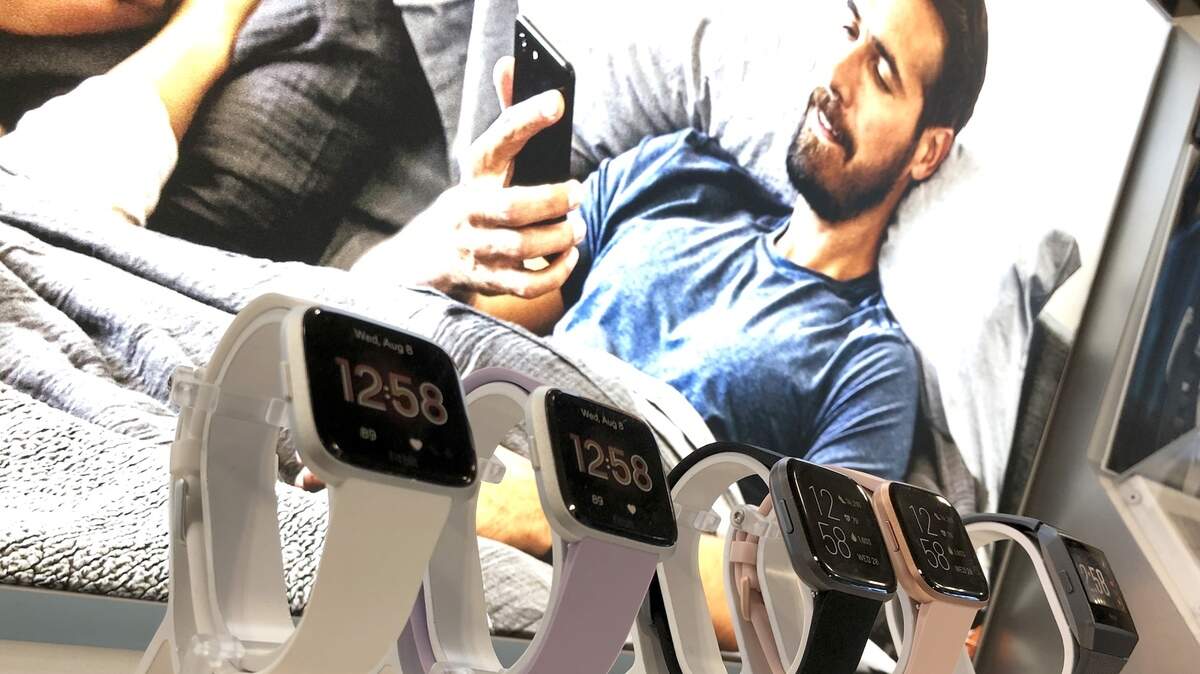
Consumer wearables have quietly shifted from measuring how stressed you are to coaching you through active regulation. Nervous system training, the practice of treating stress recovery like a workout, complete with reps, load and recovery windows, is the language now driving a new class of products from Oura, WHOOP, Apollo Neuro and a wave of app-only entrants. What began as passive stress tracking on the wrist has become an emerging category of “nervous system gyms” that promise to help users build resilience the way they build cardio.
The pitch is simple. Your nervous system, like a muscle, can be trained. Whether the evidence supports every claim on the market is another question, and one that clinicians and health researchers are increasingly asking out loud.
What Nervous System Training Actually Means
“Nervous system gyms” is not a formal medical term. It is an emerging way to describe technologies and practices that treat stress regulation as a skill that can be trained, much like physical fitness. Instead of simply measuring your body’s response to stress, these tools help you practice returning to a calmer state through repeated exercises and feedback. The foundation underneath the marketing is biofeedback, a decades-old clinical technique that has migrated onto consumer wrists and phone screens.
“Biofeedback is a type of mind-body technique you use to control some of your body’s functions, such as your heart rate, breathing patterns and muscle responses. During biofeedback, you’re connected to electrical pads that help you get information about your body,” per Mayo Clinic. “You may not realize it, but when you have pain or are under stress, your body changes. Your heart rate may increase, you may breathe faster, and your muscles tighten. Biofeedback helps you make slight changes in your body, such as relaxing muscles, to help relieve pain or reduce tension.”
Classical biofeedback originated in clinical and research settings during the 1960s and 1970s, when devices provided real-time feedback on heart rate variability, muscle tension, skin temperature and brain activity. The research established that physiological signals can be voluntarily influenced with practice when immediate feedback is provided.
How the Biofeedback Wearable Evolved Into a Stress Fitness Tool
The consumerization arc is short but rapid. In August 2020, the Fitbit Sense launched with an electrodermal activity sensor, positioned as the world’s first smartwatch with an EDA sensor for stress management. That normalized stress sensing on the wrist. In March 2023, WHOOP introduced its Stress Monitor, giving users a real-time score on a 0-3 scale and pairing it with guided breathing, making stress both a quantified metric and a prompt for micro-interventions.
In early 2024, Oura rolled out Resilience, a 14-day model of stress load versus recovery that shifted focus from daily scores to multi-week nervous system capacity. The following year, the company launched a redesigned app with a Cumulative Stress feature, reframing stress as an accumulative training load akin to cardio or strength training. By 2026, early-stage products began to explicitly use “nervous system gym” language, promising to train your nervous system, speed recovery and quantify regulation capacity. Entrain by Hypothesis Forge and Cenli are among the startups leading with that framing.
The scale is real. An electronics industry association outlook report projected that the U.S. would surpass 100 million smart wearable users for the first time by 2025, a massive installed base for stress fitness features to reach.
The Devices Leading the HRV Biofeedback Movement
The market now splits into three loose categories, namely measurement-heavy wearables, interpretation and coaching platforms, and “read-write” devices that try to actively shift your state.
- Measurement-first wearables. The Oura Ring’s Resilience and Cumulative Stress metrics, WHOOP’s real-time Stress Monitor, and the Apple Watch’s HR/HRV sensing with Breathe and Reflect modes effectively provide guided HRV biofeedback without an explicit stress score.
- Interpretation and training platforms. Entrain positions “recovery speed,” the time it takes to return to baseline after stress, as the primary resilience KPI, using explicitly athletic language. Sensie claims to detect stress from iPhone sensors without a wearable at all. Meo Health uses phone camera PPG to derive biofeedback signals for meditation and nervous system training.
- Read-write devices. Apollo Neuro is a wrist or ankle wearable that uses vibrotactile stimulation. Sensate delivers low-frequency vibrations plus audio as a vagus-nerve-oriented relaxation tool. NOWATCH is a screen-less wearable that emphasizes reactivity tracking and positions itself against “tech addiction.” Vibe Science frames the next generation of wearables as read-write devices capable of altering physiological state through targeted vibration patterns.
The design logic across these tools is consistent. Short breathing sessions function like nervous system sets and reps across the day. Longitudinal metrics like Cumulative Stress push users toward multi-week training blocks instead of daily streaks.
What Science Says About the Stress Resilience Wearable Boom
Consumer marketing has raced ahead of the evidence, and the pushback is arriving. Harvard Health published a critical take on Apollo Neuro, and Medscape has cautioned against at-home vagus nerve stimulation devices whose efficacy and safety remain uncertain. Systematic reviews indicate HRV biofeedback has meaningful effects in some chronic disease and mental health contexts, giving scientific underpinning to interventions that emphasize HRV and breathwork.
Clinical vagus nerve stimulation, including non-invasive forms, has a documented medical literature, but consumer-grade vagus stimulation and vibrotactile devices often extrapolate beyond that evidence.
Independent market quantification for nervous system training as a distinct segment is still thin. Market research for biofeedback instruments exists but is methodologically unclear, which is itself a sign of how early the trend is.
Where Nervous System Training Goes in the Next Year
The short-term outlook is more of the same, faster. Over the next three months, expect resilience and cumulative load features to spread across mainstream wearables as competitors respond to Oura. More app-only, wearable-free entrants are likely.
Over six months, closed-loop experiences should grow, with sensors that detect a stress spike and automatically trigger a specific haptic or audio protocol, without requiring the user to open an app. Healthcare and academic partnerships may expand as scrutiny of evidence ramps up.
Over 12 months, expect pressure for standard definitions of stress, resilience and recovery speed. The market may segment into three lanes, namely consumer wellness coaching, high-performance optimization for athletes and executives, and symptom-focused self-management products with higher expectations for clinical validation.
The brake factors are familiar, including regulatory scrutiny, negative press overexaggerated claims, user fatigue from constant alerts and a shortage of large-scale randomized controlled trials. The nervous system gym is real. Whether it earns the metaphor is the question the next year will answer.
This article was created by content specialists using various tools, including AI.