
Why Gen Z Is Drinking Less: The Rise of Run Clubs, Mocktails and Sober Socializing
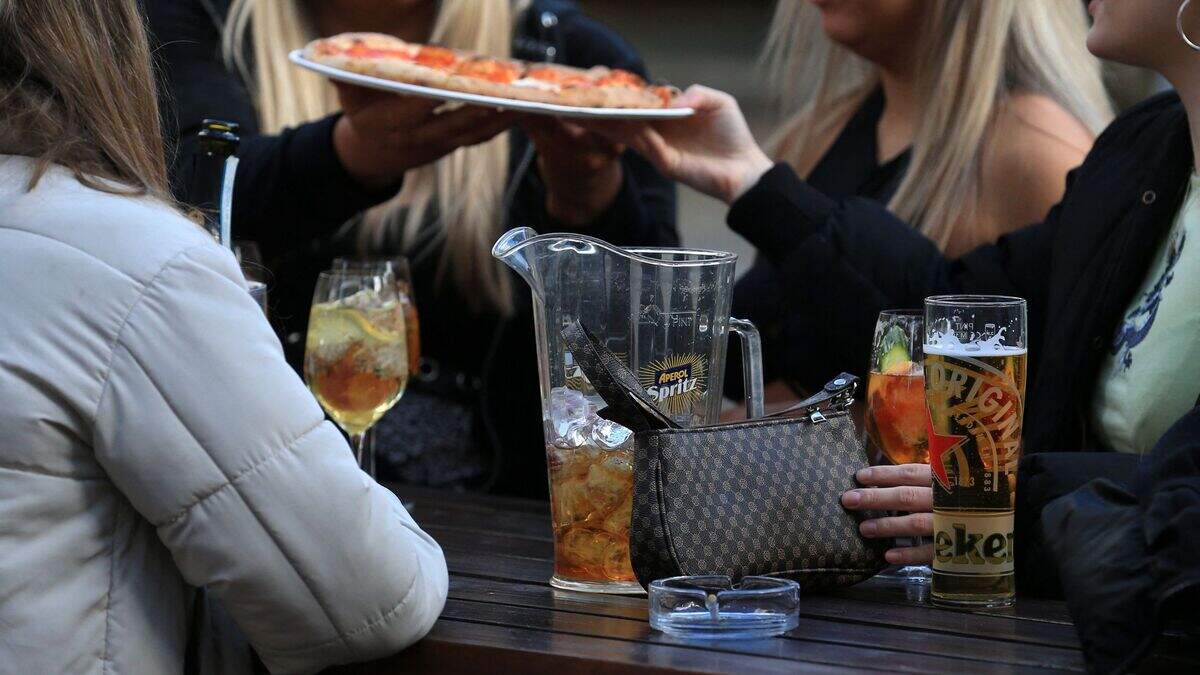
A generational shift is quietly reshaping how young people socialize, spend their money and meet each other, and gen z drinking less is at the center of it. Instead of gathering around barstools, younger Americans are lacing up running shoes, joining fitness clubs and swapping happy hour for shared activities that feel more real than a night out.
The 2026 Bank of America Institute report captured the trend in a single line, “Younger generations move from barstools to barbells.” It is a movement economists are calling the great moderation, and it is changing the economics of bars, gyms and even dating.
The data behind gen z drinking less
Bank of America economists analyzed aggregate credit and debit card spending from 70 million consumer and small-business accounts to see where younger Americans are actually putting their money. The results were striking. Gen z spending on fitness categories grew about 9%, while bar spending grew less than 4%. Spending at liquor, wine and beer stores is sliding, even as bar spending continues to rise, a sign that the appeal of going out is shifting from drinking to atmosphere.
“Younger Americans are really driving this movement that we’re calling ‘The Great Moderation,’” Joe Wadford, an economist at the Bank of America Institute, told USA TODAY.
The Bank of America Institute report described the split plainly, noting that “People are simply choosing to drink less, especially at home, as Bank of America card data shows a clear split, spending at liquor, wine and beer stores is sliding, while bar spending is still rising strongly.”
Analysts see nuance in that dichotomy. “There are possible explanations for this dichotomy, in our view. Some people may be cutting back on drinking at home while they are still seeking the social aspects that bars have to offer,” the report noted. Wadford put it more simply, saying, “People can go out and they can socialize and they can enjoy that atmosphere, but they can choose not to drink.”
Why gen z is being called the ‘dry generation’
The label is catching on, and the numbers back it up. An IARD survey found that 87% of Americans 21 and older still plan to drink this summer, but moderation and intentionality have gone mainstream. For the first time, moderation edged out taste as the top consideration when drinking, 35% to 33%.
“They’re looking for drinking to fit their lifestyle rather than the other way around, and they’re pioneering different ways of drinking,” Julian Braithwaite, CEO of the International Alliance for Responsible Drinking, told Spectrum News.
Bars are adapting to keep up. Many are expanding mocktail and non-alcoholic beer menus, adding food-forward offerings and building in social activities to appeal to a generation that still wants to go out, just not necessarily to drink.
Fitness clubs and sober socializing as the new nightlife
The most visible piece of this shift is happening on sidewalks and running paths. Younger adults are gravitating toward shared activities like running, reading and recreational sports to meet friends and even romantic partners. Sober socializing has moved from a niche wellness idea to a mainstream way to spend a Saturday morning, and run clubs have emerged as one of its most popular formats.
Strava data shows club participation has surged over the last two years, with some communities reporting major growth. Research from LADbible Group found that 72% of gen z report joining run clubs specifically to meet new people. Many describe them as a replacement for dating apps, where interaction feels more direct and less performative. Hobby-based platforms like Goodreads and Strava are also growing quickly as tools for building friendships around shared interests.
The science of shared activity
Group exercise does more than burn calories. People who train with others are more likely to stay consistent and report lower stress, meaning the social and health benefits happen at the same time. That combination helps explain why fitness-based communities are outpacing more traditional social venues.
“There’s a couple of ways that could happen. The first is just doing stuff together. So what psychologists call ‘sharing intention’. ‘I think about what you’re thinking about, you think about what I’m thinking about,’” Arran Davis, an expert on social connection and health at the University of Oxford, told the BBC.
Collaborative activities like team sports can make exercise feel easier while helping people build genuine social relationships, the kind that are harder to form in a loud bar.
Why fitness beats bars for authentic connection
For many younger adults, the appeal of a run club or fitness class is simple. It strips away the performance. There is no dress code, no bar tab and no expectation to be anything other than sweaty and out of breath.
“You’re being as real as possible. On a date, people are dressed up and act a certain way, maybe being a bit materialistic. You never want to build a relationship on an artificial foundation,” Tom Trotter, a fitness coach and content creator, told Vogue.
That sentiment shows up repeatedly in interviews with younger adults who say they are tired of surface-level interactions tied to bars, dating apps and nightlife. Meeting someone mid-jog, they argue, tells you more than three rounds at a crowded bar ever could.
The bigger lifestyle shift
Zoom out and the picture is broader than alcohol. Younger adults are drinking less and spending more on fitness because they are prioritizing physical performance, mental clarity and, frankly, their wallets. Going out is expensive. Most run clubs are free.
Nightlife is declining even as fitness-centered social spaces continue to grow. For a generation being reshaped by health data, cost pressures and a craving for real connection, the trade feels like an easy one to make.
This article was created by content specialists using various tools, including AI.
.jpeg)