You have a dormant set of tooth buds and scientists want to activate them to regrow missing teeth
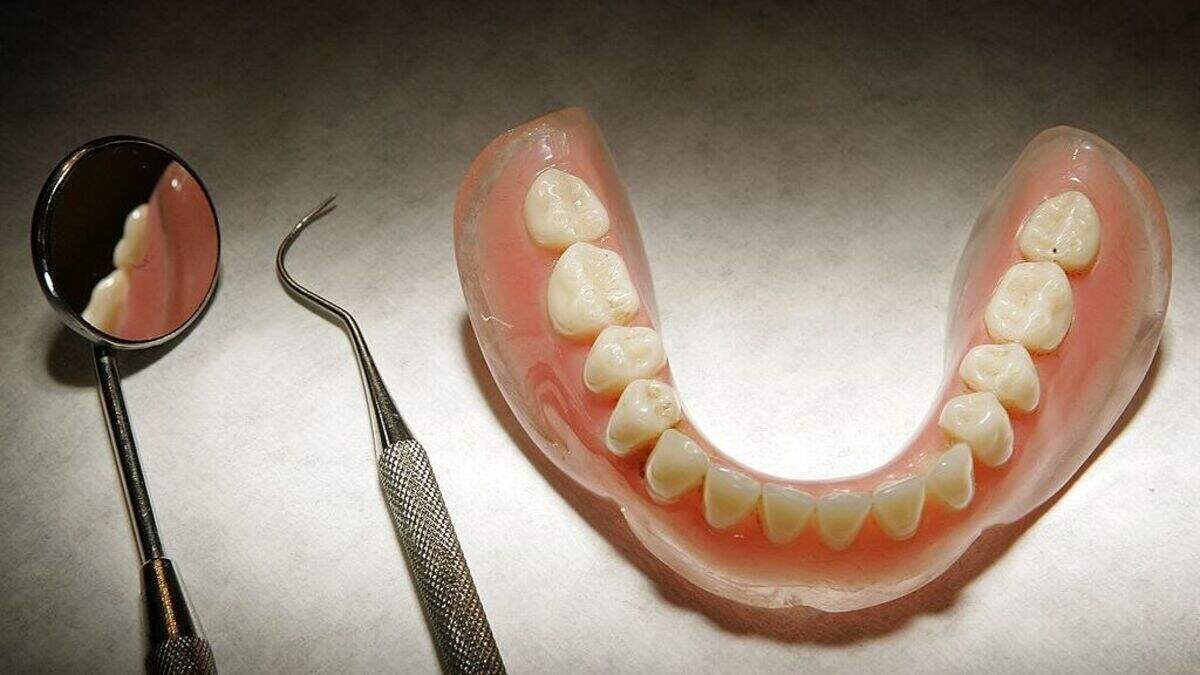
A Japanese biotech company has begun human trials of a drug designed to reverse tooth loss by regrowing natural teeth, a treatment that could reach patients as soon as 2030. Here is what to know about the science, the timeline and how the pipeline compares with what dentists can do for you today.
What Is the Tooth Loss Drug Being Tested in Japan?
Toregem BioPharma, a Kyoto University spinout founded in 2020, is developing a drug called TRG-035. It’s a neutralizing antibody that blocks a protein known as USAG-1, which normally suppresses the growth of a third, dormant set of tooth buds that humans already carry.
The idea traces back to lab work showing that mice unable to grow teeth because of a genetic mutation developed complete sets after treatment with the antibody, which became the evidence base the human trial now rests on. Japan’s Ministry of Health, Labour and Welfare granted the drug Orphan Medicinal Product designation. The surprising piece for most readers is that everyone already has a hidden third set of tooth buds. The drug simply unlocks what biology suppressed.
When Will the Tooth Loss Treatment Be Available to Patients?
Kyoto University Hospital began dosing patients in the first human trial in September 2024, enrolling 30 men between 30 and 64 who are each missing a molar, a group chosen specifically to test safety rather than results. This adds to a growing wave of research reframing overlooked parts of the mouth as biologically significant, including new findings on the oral microbiome’s role in whole-body health.
From there, Toregem plans to move toward patients with severe congenital hypodontia, then broader tooth loss, aiming for public availability by 2030. The company has raised close to $29 million so far and is already mapping out a second trial phase, per Futurism’s reporting on its latest round. None of this puts the treatment anywhere close to a dental office right now, and patients should not expect access for years.
How Common Is Tooth Loss Worldwide?
Roughly 1 in 14 adults worldwide, or about 7%, have lost all their natural teeth by age 20 or older, a figure that climbs to nearly 1 in 4 once you look at adults 60 and up, based on World Health Organization data.
Zoomed out, oral disease affects an estimated 3.5 billion people globally, a bigger combined total than cancer, diabetes, heart disease, chronic respiratory illness and mental health conditions put together. That scale is exactly why a drug starting in a rare-disease niche has implications far beyond it.
What Are the Early Warning Signs of Tooth Loss?
Loose or shifting teeth and receding gums are the most common early warning signs of the gum disease and decay that lead to eventual tooth loss, along with persistent bad breath and bleeding while brushing or flossing. Gaps forming between teeth that were not there before, or a bite that feels different than it used to, are worth a dentist visit rather than waiting to see if the problem resolves on its own. Catching these signs early matters because both gum disease and decay respond well to treatment in their earlier stages. Waiting often means a small issue becomes a lost tooth.
How Can You Prevent Tooth Loss While the Research Develops?
None of this changes the basic playbook for keeping your own teeth in the meantime. A dentist catches decay and gum disease long before either becomes serious enough to cost you a tooth, which is exactly why regular visits outperform any single product on the market.
Day to day, that means sticking with the fundamentals: brush twice daily, floss, and don’t ignore early gum symptoms. Whatever TRG-035 eventually becomes, it won’t be relevant for the teeth you have today, so the old advice still carries the weight.
This article was created by content specialists using various tools, including AI.