
As Summers Get Hotter Heat Exhaustion Is Going to Affect More People. Here Is What to Know
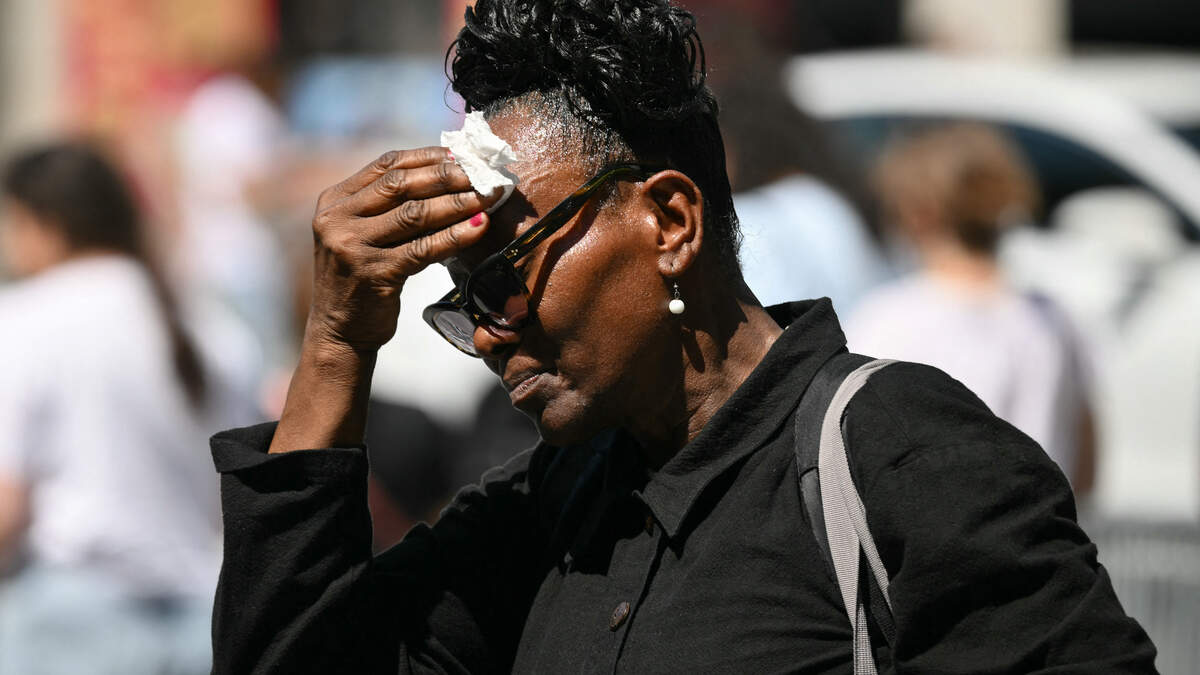
Heat waves are getting hotter and more frequent, and heat exhaustion can set in faster than most people expect. Heat-related illnesses kill more Americans each year than hurricanes, lightning, earthquakes, tornadoes and floods combined, according to a New York Times report. Between 1979 and 2014, more than 9,000 heat-related deaths were recorded in the U.S., with fatalities peaking during heat waves and hotter-than-average years.
Those numbers are expected to climb as climate change reshapes summer.
“Heat waves like this are so directly connected to the climate crisis and climate change and it’s because of how we’ve been burning fossil fuels and cutting down forests for so long and increasing the concentration of heat-trapping gasses in the atmosphere,” climate scientist Jennifer Francis of the Woodwell Climate Research Center told the Associated Press.
What heat exhaustion feels like
Heat exhaustion sits in the middle of a broader spectrum of heat illness. It usually shows up after heavy sweating drains the body of water and salt, and it often follows earlier warning signs like muscle cramps in the calves, hamstrings or feet.
“Someone suffering heat exhaustion will appear weak, lethargic, and just want to sit down. There’s a lot of fatigue,” Dr. Brett Bentley, a sports-medicine specialist at the University of Alabama, told the Tuscaloosa News.
Common symptoms include nausea, weakness, headache, dizziness and a faster heart rate. Ignore those signs, and the condition can escalate to heat stroke, when core body temperature climbs to 104 degrees Fahrenheit or higher and mental status shifts.
“With heat stroke the mental status changes. They can’t answer basic questions, how they are, what they’re doing, the day of the week, all this kind of thing,” Bentley said.
Heat stroke is life-threatening and requires an immediate call to 911.
Who is most at risk
Extreme heat can affect anyone, but classic heatstroke hits hardest in the very young, older adults, people who are overweight and those with chronic conditions such as uncontrolled diabetes, hypertension or cardiovascular disease. Alcohol and some medications, including diuretics, tricyclic antidepressants, antipsychotics and certain cold and allergy remedies, also raise the risk.
Women may face added vulnerability. Heat waves act as a “stress test” for women’s cardiovascular systems, Dr. Nighat Arif, an NHS GP specializing in women’s health, told the BBC. A 2025 research study found that women produce less sweat and start sweating at higher temperatures, which impairs their ability to shed heat quickly. Higher core body temperature and body fat percentage add insulation, and hormonal shifts during menstruation, perimenopause, menopause, pregnancy and breastfeeding can throw the brain’s temperature regulation off balance.
Young, fit athletes face a different danger. Exertional heatstroke can strike marathon runners, cyclists and other athletes when exercise drives internal temperatures to 100 to 104 degrees. Push past that, and the body’s metabolism can race so fast it cannot cool itself, raising the risk of cascading organ failure, brain damage or death.
What to do immediately
If someone shows signs of heat exhaustion or heat stroke, act fast. Call 911 if symptoms include confusion, slurred speech or fainting. Move the person to shade, remove excess clothing and cool them with water, ice packs or damp cloths until responders arrive.
Prevention still beats treatment.
“But it’s largely preventable. Less strenuous outdoor activity is certainly a good idea, or try to go early in the day, or later, after dawn or dusk,” Bentley said.
This article was created by content specialists using various tools, including AI.
.jpeg)