The dog grooming industry doesn't require a single hour of training. Here's how to vet your groomer
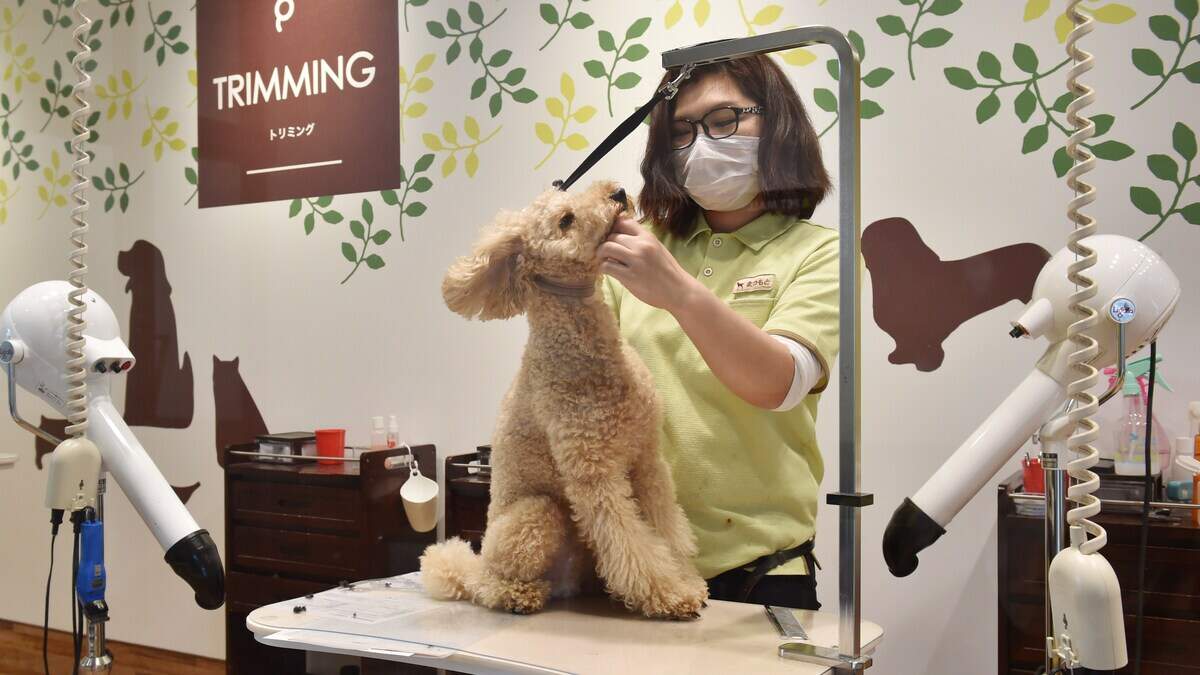
The dog grooming industry is expanding fast, but the rules meant to protect pets haven’t kept pace. Mobile grooming alone is growing 12% to 15% each year, roughly triple the rate of traditional salons, according to PetGroomerStack. Yet across most of the country, the person handling your dog with clippers, blades and high-velocity dryers doesn’t need any license at all.
That gap has real consequences. Pet owners nationwide continue to report injuries, illnesses and deaths following routine appointments, and advocacy groups say oversight is long overdue.
The problem? The dog grooming industry is largely unregulated. No state in the U.S. currently requires a professional license to work as a dog groomer.
“Pet grooming is a non-regulated industry. There is no universal national license. There is no federal board overseeing training standards,” Laura Ventura, founder of Pawz & All, said in a YouTube video.
Connecticut is the only state that requires grooming facilities and individuals working in them to be licensed through its Department of Agriculture. Colorado requires facility licensing through the Pet Animal Care and Facilities Act (PACFA). But individual groomers in both states can still operate without proving they’ve ever been trained.
“A lot of people building these companies have never groomed a cat or dog in their life. And when that happens, the animals are the ones who end up paying the price,” Ventura added.
New Jersey came close to changing that with “Bijou’s Law,” introduced in 2018 and named after a Shih Tzu that died in 2011 after a routine grooming session. The bill has been dead since January 2020.
“People take their dog to the groomers with the reasonable expectation that their pets will be treated properly and returned to them clean and healthy, and not in a box,” former State Sen. Kip Bateman said of the bill, per My Central Jersey.
More than half a decade later, stories like Bijou’s are still too common. In January 2026, a Texas groomer was charged with a third-degree felony of cruelty to a non-livestock animal after her negligence led to the death of a 5-year-old goldendoodle, per KTRK. PETA reportedly receives complaints of grooming abuse, accidents and malfunctions on a weekly basis.
“Certainly the grooming industry needs better oversight and there should be licensure that’s required and education,” PETA’s Emergency Response Team Division Manager Kristin Rickman told Fox 5. She recommends learning to groom your own dog when possible. If that’s not realistic, mobile dog wash & grooming services that come to your home may be the next best option.
“It’s very important to always stay with your animal while they’re being groomed or having any service performed,” Rickman added.
Until legislation catches up, the responsibility falls on pet owners.
How to vet a mobile dog groomer before your first dog grooming appointment
Certifications exist in the industry but are entirely voluntary. The NDGAA Certified Master Groomer is the most established credential, requiring a minimum of two years of experience plus written and timed practical exams. The AKC Professional Grooming Credential is the first standardized, third-party proctored exam in the U.S. And the IPG Certified Professional Groomer certification was the first to offer a safety-specific track.
Keep in mind that membership in these organizations doesn’t equal certification. A groomer can display a logo without having passed any exam.
Beyond credentials, here’s what to evaluate:
- Experience. Ask how long they’ve been grooming, how many dogs they handle per day and whether they’ve worked with your dog’s specific breed, coat type or medical needs.
- Reviews. Check Google, Yelp and Nextdoor for patterns like gentleness and communication, and prioritize referrals from friends and family.
- Equipment and vehicle. Ask for a tour of the van and look for clean workspace, non-slip surfaces, functioning ventilation and climate control, sanitized tools and a proper water tank system.
- Animal bond. Pay attention to how the mobile dog groomer interacts with your dog and whether they ask about temperament, anxiety triggers, medical history and behavioral quirks before starting.
- Safety protocols. Ask whether the groomer carries a pet first aid kit, has first aid training and has a clear protocol for handling and communicating injuries.
Finding reliable mobile dog grooming takes effort. But until the industry is regulated, your dog’s safety depends entirely on the questions you ask before that first appointment.
This article was created by content specialists using various tools, including AI.