The James Beard Awards are tonight. Meet the chefs who could win from North Carolina.
Find out which Triangle chef won a James Beard Award here.
A showcase of North Carolina’s top chefs will be at the heart of America’s food world Monday night for the James Beard Foundation Awards.
It’s been a banner year for the state’s culinary scene, with North Carolina chefs recognized in three different categories.
Durham cocktail bar Alley Twenty Six is up for Outstanding Bar Program in the nation, Asheville’s Cleophus Hethington of Benne on Eagle is up for Emerging Chef in the country award and four of the five nominees for Best Chef: Southeast are from North Carolina.
There’s Triangle chefs Cheetie Kumar of Garland and Ricky Moore of Saltbox Seafood Joint, Greg Collier of Leah & Louise in Charlotte and Katie Button of Curate in Asheville.
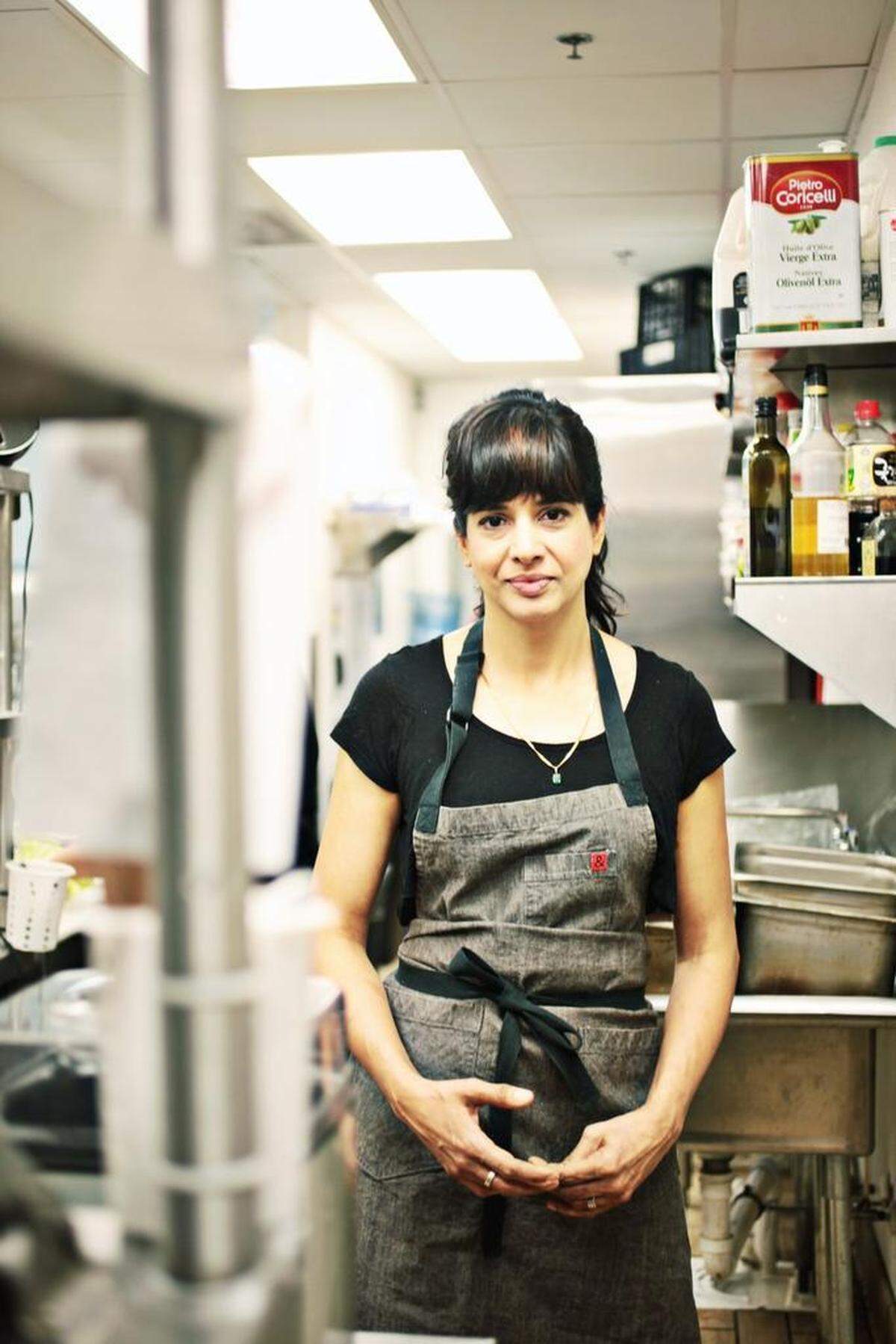
Cheetie Kumar
This is the first James Beard Awards to be held in person since the beginning of the pandemic. In 2020, Kumar was a finalist in the Best Chef: Southeast category, but those awards were canceled and the awards were altered in 2021 as the James Beard Foundation retooled its criteria for its honors in an effort to improve equity among winners, the group said.
Kumar’s Raleigh restaurant Garland is frequently mentioned among the city’s best, praised for a menu of Asian dishes rooted in Southern ingredients.
Ahead of Monday’s awards, Kumar said the ceremony will have a slight air of catharsis for a hard-hit industry.
“I’m walking into it open-minded,” Kumar said. “I’m most excited about being in a physical space with so many people who have gone through the same things (in the last two years). It’s an affirmation, no matter what happens.”
This is the fifth year in a row that Kumar has at least been a James Beard semifinalist. She finds herself surrounded by other North Carolina nominees and can’t help but feel the struggle for recognition came faster than she expected.
“I can’t help but feel like North Carolina has always felt like a geographically great place to cook in,” Kumar said. “The politics, the diversity, really lends our culture to excellent food and foodways. It feels a little jarring. I always though this evolution would be more gradual. But that’s what happens when we stop and reevaluate everything.”
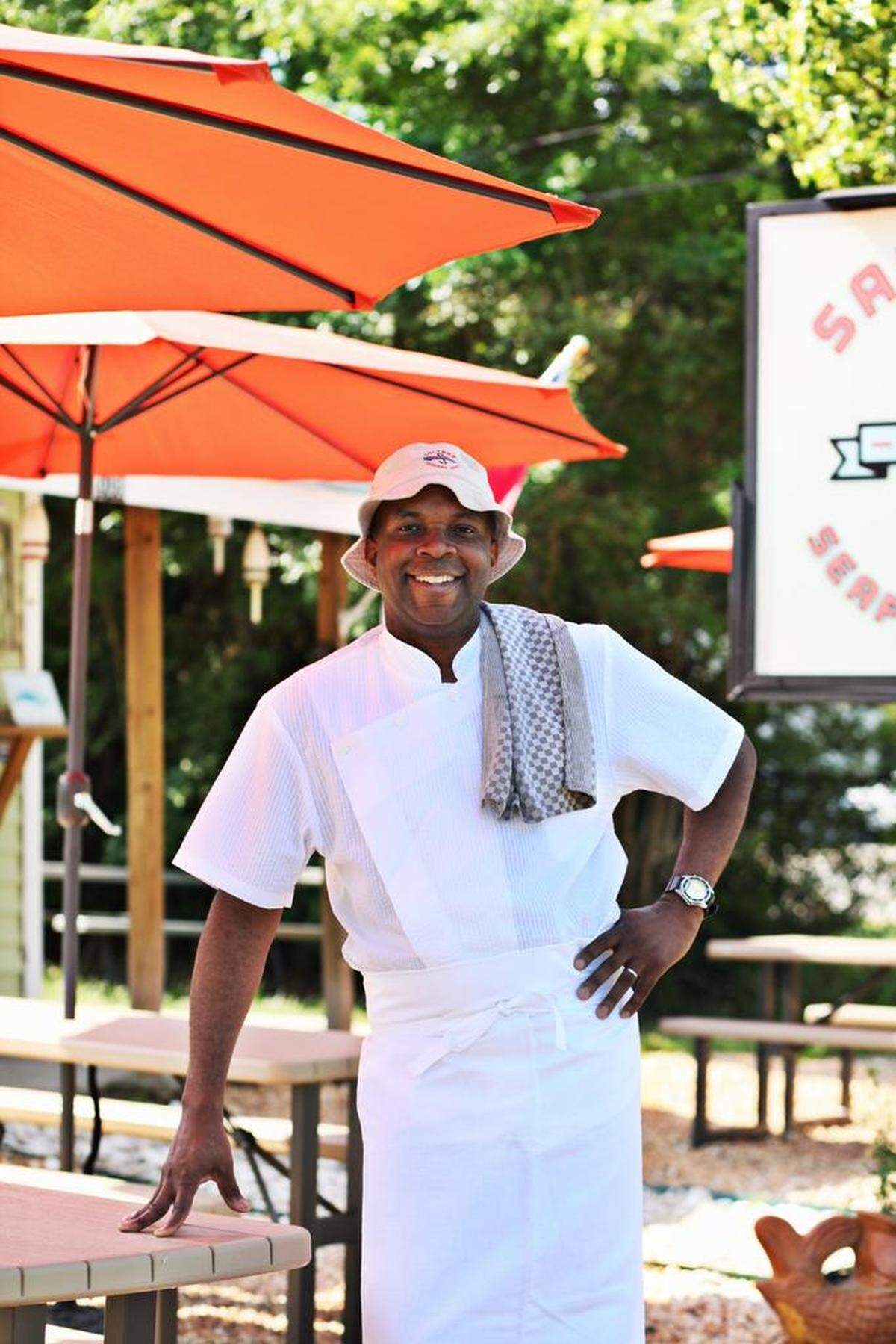
Ricky Moore
Ricky Moore went to the country’s finest culinary school and cooked in Michelin-starred restaurants, but his Saltbox Seafood Joint was born in a small shack in downtown Durham.
“It’s a good feeling to be recognized,” Moore said. “Obviously with any of us in this industry, it’s rewarding your stewardship in this industry. (The ceremony) is time spent being recognized by your peers. It’s a wonderful compliment.”
North Carolina has a long history of being considered a destination for diners. That used to mean it was out of the way, that a trip to Crook’s Corner was worth the special detour between here and there, or a plate of barbecue out in the wide eastern expanse of the state was worthy of the hours and hours drive outside the city.
Now Moore sees the state as a dining destination for the breadth of what’s offered on its plates, that the concentration of restaurants in Durham and Raleigh and Charlotte and Asheville and beyond make the region one of the country’s most exciting places to eat right now.
“There’s a burst of culinary talent here,” Moore said. “People who are really into it, on fire about it. There are people who really want to be true cooks and talk about the cuisine in our region. And because of that we’re in the conversation today with other destinations in the country. Charleston, New York, San Francisco, Chicago.”
Moore said the secret is in the soil.
“Here’s what we have that they don’t have,” Moore said. “We have terroir. We have local stuff in our states. We have four different segments in the state, that’s what I feel we have different and why I deem us a dining destination.”
Moore pointed to Rodney Scott out of South Carolina, who won the 2018 James Beard award for the Best Chef: Southeast for his whole hog barbecue restaurant and an example of a similar restaurant putting previously overlooked craft and culture on a plate.
“I took that small place that a lot of people found insignificant, and made it a celebration of seafood culture,” said Moore, a New Bern native.
Alley Twenty Six
Alley Twenty Six opened in 2012, bringing the craft cocktail wave to downtown Durham. At the time, cocktail bars were seen as treasures in larger cities.
“People would come in an say, ‘This is like a New York bar,’ or ‘Like an LA bar,’ like an alien had landed on downtown Durham,” Healy said. “I would say, ‘It’s more like a good Durham bar.’ It’s my idea of what a good bar is, that’s aware of its place in time.”
It’s not the first moment North Carolina has been in the culinary spotlight, but Shannon Healy, who owns Alley Twenty Six and Chapel Hill’s Crook’s Corner, said it marks a growing momentum that’s been building for decades.
First, North Carolina had to take itself seriously, Healy said, then the rest of the food world had to catch up.
“It took a while for, A, North Carolinians to appreciate their own cuisine and food cultures and take that seriously,” Healey said. “And B, it took a while for people to recognize what it is and what it doesn’t have to be.”
Healey remembers a night 20 years ago when he was the bar manager at Crook’s Corner. A gentleman from New York had stopped by while in Chapel Hill and was upset that night’s menu didn’t include ribs or fried chicken.
“You can be held hostage by someone else’s caricature,” Healey said. “It’s taken a while for us to take our own food seriously and people are more adept to understand Southern food isn’t just ribs and chicken. It can be, and that’s wonderful, but there’s a regionality and sub regionality that is being applauded and identified.”
This story was originally published June 13, 2022 at 4:43 PM.