
Why Europe’s Underrated Long-Distance Walking Routes Reward Slow Travelers More Than Famous Trails
Walking holidays have quietly become one of Europe’s biggest slow travel movements, and the most underrated walking routes are where that shift is happening. Travelers are trading fast-paced city-hopping for longer stays, scenic trails and deeper local culture — and the trails below are where intentional travelers are heading next.
These routes aren’t on every Instagram feed. They reward people who want immersion over itineraries, and they’re still quiet enough to feel like a discovery.
For more information: Inside the Inn-to-Inn Walking Tour Trend Drawing Walkers to Scotland, Spain and Vermont’s Scenic Trails
Why Slow Travel is Reshaping How People See Europe
The pull toward longer, quieter trips isn’t just aesthetic. It’s about how a trip feels when you stop rushing.
“Slow travel isn’t just about taking your time in the places that you visit,” Christa Adams told Forbes. “It’s also about immersing yourself in them with the intention of having a more meaningful experience off the main tourist paths.”
Adams, whose travel blog The Spirited Explorer often addresses slow travel, put it in concrete terms: “Take Rome, for example. Instead of rushing from the Colosseum to Vatican City to the Trevi Fountain in just a few days, slow travel invites you to spend a couple of extra days exploring lesser-known attractions as well as the iconic sites. It means taking time to enjoy a coffee while people watching, savoring local cuisine, strolling through curious neighborhoods and not taking your itinerary too seriously.”
Long-distance walking routes do that work for you. The pace is built in.
The Most Underrated Walking Routes in Europe Right Now
There are classic hiking trails everyone knows — and then there are the ones still flying under the radar. These six fall firmly in the second category.
Cammino di San Nilo, Italy. This ancient trail winds through Cilento National Park, following the footsteps of Saint Nilo of Rossano, an 11th-century Greco-Italian monk. The eight-day route runs from Sapri in the east to Palinuro in the west, threading through waterfalls, woodland and wild, tranquil trails far from mass tourism. The top viewpoint, Monte Gelbison, stretches as far as the island of Stromboli. Walkers pick up a Pilgrim’s Passport at the first hotel, collect stamps along the way and finish with a Testimonium certificate at San Nazario — the former monastery where San Nilo received his blessing to become a monk.
Camino de Invierno, Spain. Also known as the Winter Way, this is one of the lesser-known routes in the Camino de Santiago network, historically taken by pilgrims to avoid tougher winter terrain. It’s far quieter than the famous Camino Frances, Portugues or del Norte. The full route covers 262 km over 13 days from Ponferrada to Santiago, with a shorter eight-day option from Monforte de Lemos. Expect Galician wine country and the monasteries of the Ribeira Sacra region.
Sheep’s Head Way, Ireland. One of southwest Ireland’s most spindly peninsulas — just 19 km long and 5 km wide — packs 150 km of hill walks inside it. The trail leads to dreamy coves, dramatic cliffs, ancient archaeological sites and a lighthouse at the tip. A sandstone ridge runs down the core of the peninsula like a central spine, and the local community is committed to sustainable tourism.
Northern Europe’s Quieter Trails
The lesser-known routes in northern Europe trade Mediterranean warmth for raw landscapes and forest silence.
Skåneleden Trails, Sweden. This network of trails across the southern Skåne region covers more than 1,300 km, marked by recognizable orange signs. Walkers move through rocky shores, remote peninsulas, white sandy beaches and mature beech forests. Key sections include the northern Kullaleden and Bjäre Peninsulas, plus the coastal Österlen Way in the east — a strong alternative to the more popular Stockholm Archipelago routes.
Drenthepad, Netherlands. Roughly 340 km (211 miles) across the unspoiled province of Drenthe, this trail passes megalithic tombs, heathlands, forests and small villages, crossing three national parks. Many stages end in towns with train or bus connections, making it easy to walk in sections rather than all at once.
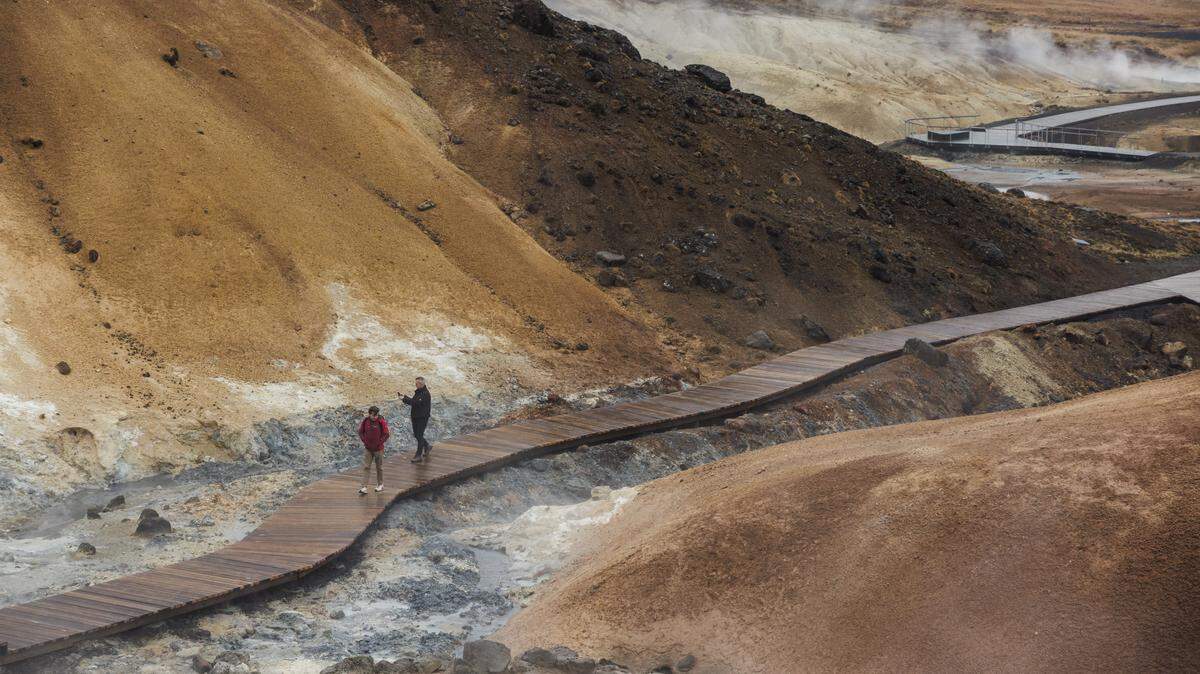
Laugavegur Trail, Iceland. At 55 km (34 miles), this one is shorter but spectacular. The landscape feels like another planet — colorful mountains, lava fields, hot springs and glacial rivers. Unpredictable weather and rugged camping conditions add to the adventure, and many hikers call it the most varied landscape of any trail in Europe.
What This Means for Your Next Trip
The common thread across these underrated walking routes is intentionality. None of them are about ticking boxes. They’re about waking up in a small village, walking a stretch of coast or forest, eating where locals eat and doing it again the next day.
For more information: Inside the Inn-to-Inn Walking Tour Trend Drawing Walkers to Scotland, Spain and Vermont’s Scenic Trails
That’s the appeal — and why slow travel keeps growing.
This article was created by content specialists using various tools, including AI.
This story was originally published June 4, 2026 at 2:12 PM.
.jpeg)