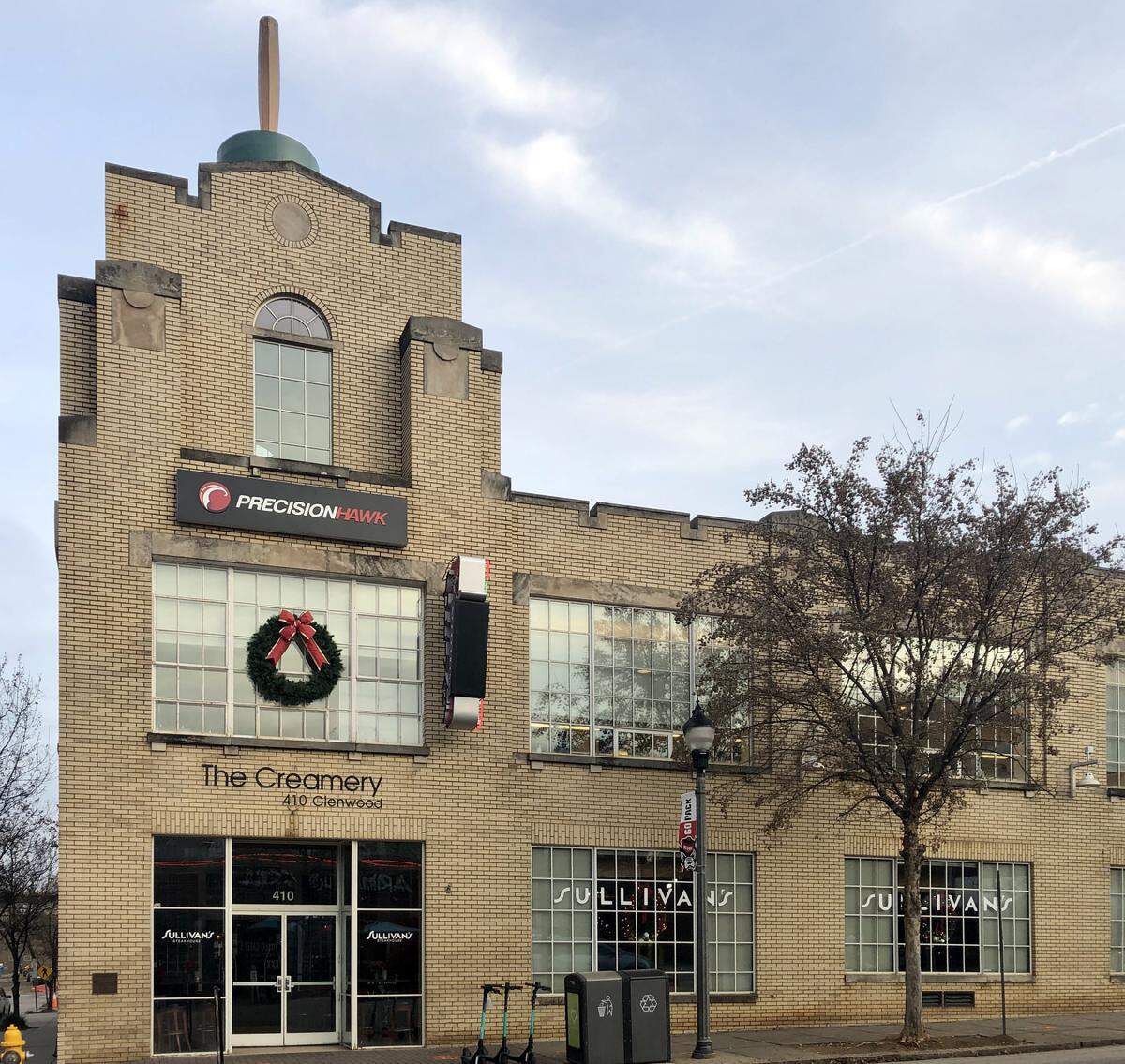
Raleigh drone startup PrecisionHawk replaces CEO in effort to become profitable
PrecisionHawk, a fast-growing drone technology startup in Raleigh, is replacing its chief executive officer, the company announced Friday.
The leadership shakeup comes a little more than a month after the company raised a fresh $32 million from investors.
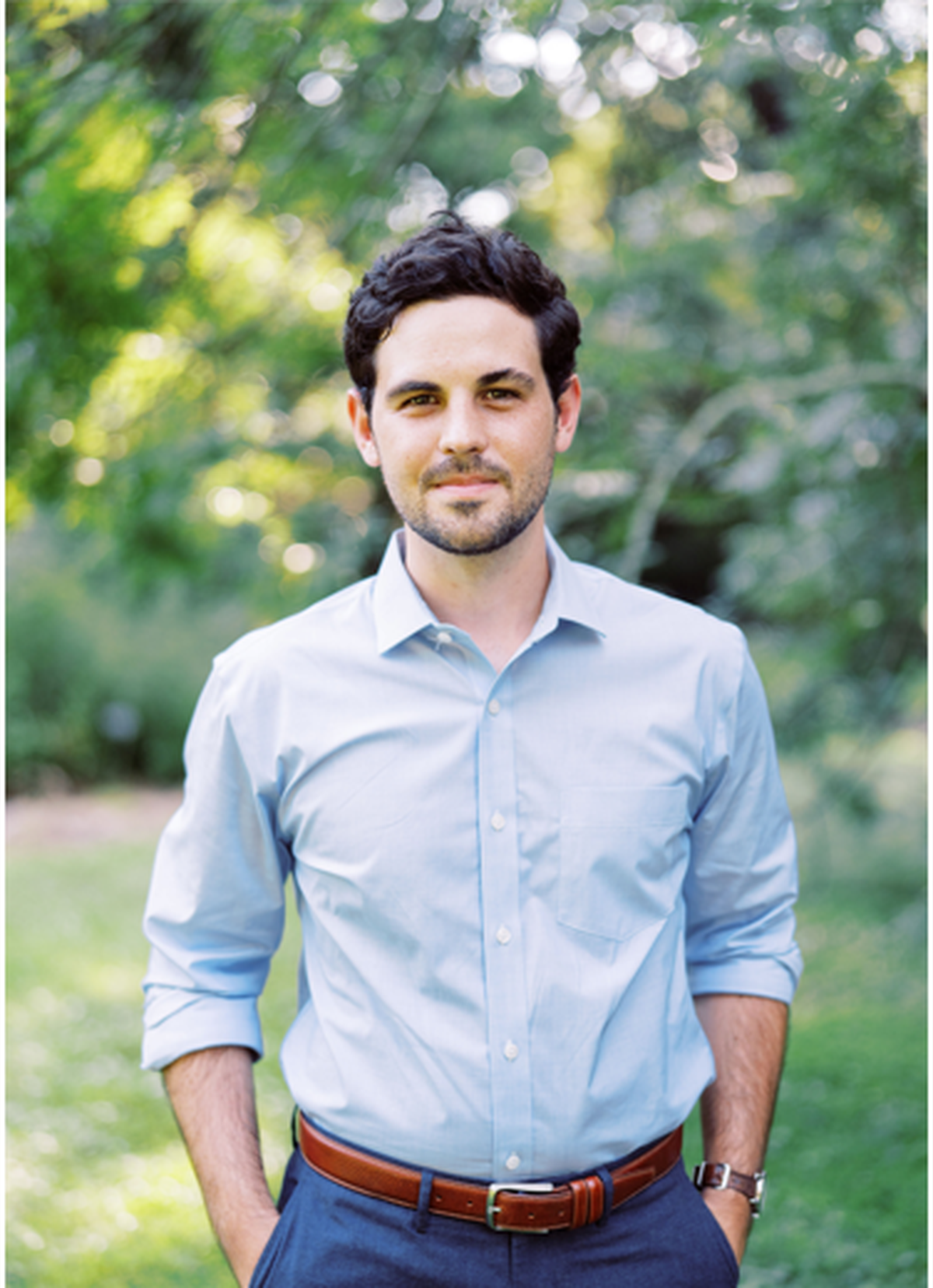
Michael Chasen, the former CEO of educational software company Blackboard, had led PrecisionHawk since 2017. He will be replaced by James Norrod, who recently led a broadband provider called Tellabs.
PrecisionHawk develops software to run analyses of data gathered by drone footage, and has seen growth in demand from industries like agriculture and utilities in recent years. The company has raised more than $135 million from investors since it was founded in 2010, making it one of the most well-funded startups in the Triangle.
While Chasen has been instrumental in attracting investment dollars, the company said it wanted to bring on Norrod because of his experience managing companies in tightly regulated industries. Chasen will remain on PrecisionHawk’s advisory board, the company added.
In an interview with The News & Observer, Norrod said he was also brought in to help make the company profitable.
“No question one of the reasons I am in the company today is not just to continue year-over-year growth but to improve bottom line efficiencies,” he said. “I am not an expert in this industry, but I know how to put a management team in place to make the bottom line efficient and make a decent profit for our investors.”
Norrod noted that no company in the drone industry is profitable yet, but he doesn’t think PrecisionHawk is too far away from achieving that.
“We have just been investing in the future and growth ... but we gotta focus on the bottom line,” he said. “There’s no question we can do a better job there.”
The company could also boost growth by growing its customer base in the telecommunications and government sectors, Norrod said. Most of its current customer base is in the agriculture and utilities space.
He added that he would like to increase its software offerings as well — something that will require hiring more software engineers at the company — and advance the adoption of the company’s patented intellectual property. PrecisionHawk has developed a tool that helps drones communicate with other drones and fixed-wing planes that Norrod believes deserves more sales and marketing attention.
When asked whether his vision for the company requires more capital from investors, Norrod said, “I hope not.”
Norrod is a veteran executive and has led a series of companies during his career, including several telecommunications companies and technology firms, according to information provided by PrecisionHawk. He also had a stint as the head of Segway before helping sell the company.
He added that, much like drones, Segway was also tightly regulated, with the company having to go city-by-city to get regulatory approval for its product.
PrecisionHawk, in its announcement, pointed out that Norrod has successfully led many of his former companies through acquisitions.
Norrod said he wasn’t given a mandate to find a buyer, but admitted the company would listen to good opportunities. The company, he said, has been approached in the past about a sale but declined to pursue them.
“I am not trying to sell the company … but we will certainly look at opportunities as they come,” he said. “I don’t have a timetable; that is not why I am here. But that stuff [acquisitions] kind of follows me.”
PrecisionHawk has now had several CEOs since it was founded in 2010.
Bob Young, the cofounder of open-source software giant Red Hat, became the CEO 2015 after investing in the company. He stepped down in 2017, which is when Chasen took over.
Just a over a month ago, Young was lauding Chasen’s accomplishments.
“Michael is doing very well,” Young told The News & Observer in December. “He took on the company when it had plateaued at around $6 million in revenue and in his first year he doubled it. And this year we doubled it again. Companies that are growing at 100% are relatively rare. It makes investors enthusiastic.”
In his two years at the company, Chasen, who commuted to Raleigh from Washington, D.C., weekly, brought in tens of millions of dollars from investors, expanded its workforce and moved its offices to downtown Raleigh.
Norrod will also be commuting to Raleigh to work at PrecisionHawk, but instead of D.C., he will be coming from New Hampshire where his family lives. He plans to spend 80% to 90% of his time in Raleigh.
This story was produced with financial support from a coalition of partners led by Innovate Raleigh as part of an independent journalism fellowship program. The N&O maintains full editorial control of the work. Learn more; go to bit.ly/newsinnovate
This story was originally published January 23, 2020 at 9:30 AM.