Durham is one of the 10 best cities for women working in tech, study says
For the second straight year, Durham has been named one of the best places in the country for women working in technology jobs, according to a study from personal finance website SmartAsset.
The Bull City continues to stand out, the study shows, because of the high percentage of women in the workforce here, with 30% of tech jobs filled by women, which was the 10th highest percentage of all cities in the study. Nationally, 26.1% of tech jobs were filled by women, an increase of 0.4 percentage points from the previous year.
Additionally, Durham’s female tech workers have average annual earnings of about $57,500 after deducting costs for housing, and the gender pay gaps sits at 86%. The national average for those measurements is $55,745 and 83%.
The study looked at data for cities with populations of at least 200,000, with the most recent numbers coming from the Census Bureau’s 2018 American Community Survey. The study ranked cities by their gender pay gap, income after housing costs, tech jobs held by women and four-year employment growth.
Durham outpaced other large cities in North Carolina, with Charlotte tied for 20th on the list and Raleigh at No. 55.
Raleigh’s gender pay gap stood at 72% of the median earnings of men, and the city’s tech workforce was 25.6% female.
Charlotte’s pay gap was 85%, and that city’s tech workforce was 24.5% female.
Overall, the entire state of North Carolina lags behind much of the country when it comes to representation of minorities and people of color in the tech industry, The News & Observer reported last year. However, there were some bright spots in the state when it came to representation.
The state ranked No. 2 in the percentage of women work in the technology field, according to one study from the N.C. Technology Association, trailing only Washington, D.C. (D.C. ranked second in the SmartAsset study).
N.C. Tech used employment data from a private analytics firm, so it would be hard to compare the two study’s findings. However, N.C. Tech’s findings found women made up 35.5% of the state’s tech workforce.
But just because Durham, and North Carolina, usually rank high in female representation doesn’t mean there isn’t still a lot of ground to be made up.
“Being the best-of among mediocre performers is not something to brag about,” Brooks Raiford, president and CEO of N.C. Tech told the N&O last year. “Everyone is doing not great.”

One answer to increasing representation could be found in funding more computer science classes in public middle and high schools, a new advocacy group called CS4NC argues.
Founded earlier this year, CS4NC is trying to raise enough money to train 3,200 computer science teachers in North Carolina by 2023.
Their argument is that earlier exposure to computer science in middle and high school could spark more of an interest in later studying computer science in college. The group frequently cites a study that found female students are 6.5 times more likely to take the AP Computer Science Exam if their schools had computer science teachers.
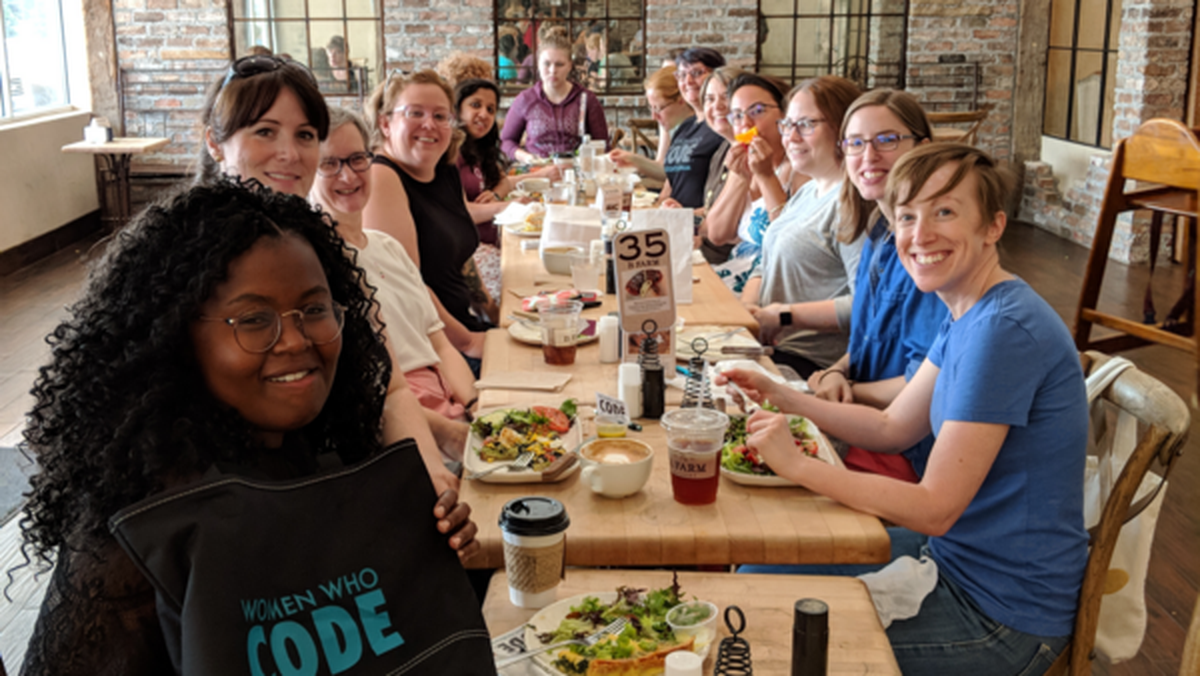
Locally, there has also been a proliferation of organizations that seek to help women get into the tech industry, like Carolina Women in Tech and Women Who Code.
One startup in Durham, InHerSight, has grown steadily by creating a platform for women to comment on and review different workplaces.
The company’s platform has found that women in North Carolina most often are disappointed by their company’s female representation in leadership and their management opportunities for women, the company’s founder Ursula Mead told the N&O last year.
“Women don’t have the same access to opportunity as men in the office,” she said in an interview last year. “The perception of equal opportunity is a huge driver of your happiness at work.”
Here are the 10 best cities for women in tech, according to SmartAsset:
- Baltimore
- Washington, D.C.
- Arlington, Va.
- Chesapeake, Va.
- Albuquerque, N.M.
- Houston
- Long Beach, Calif.
- Chandler, Ariz.
- Philadelphia
- Durham
This story was produced with financial support from a coalition of partners led by Innovate Raleigh as part of an independent journalism fellowship program. The N&O maintains full editorial control of the work. Learn more; go to bit.ly/newsinnovate
This story was originally published February 6, 2020 at 2:26 PM.