Alleging ethnic bias, former director of Duke Angel Network sues university over firing
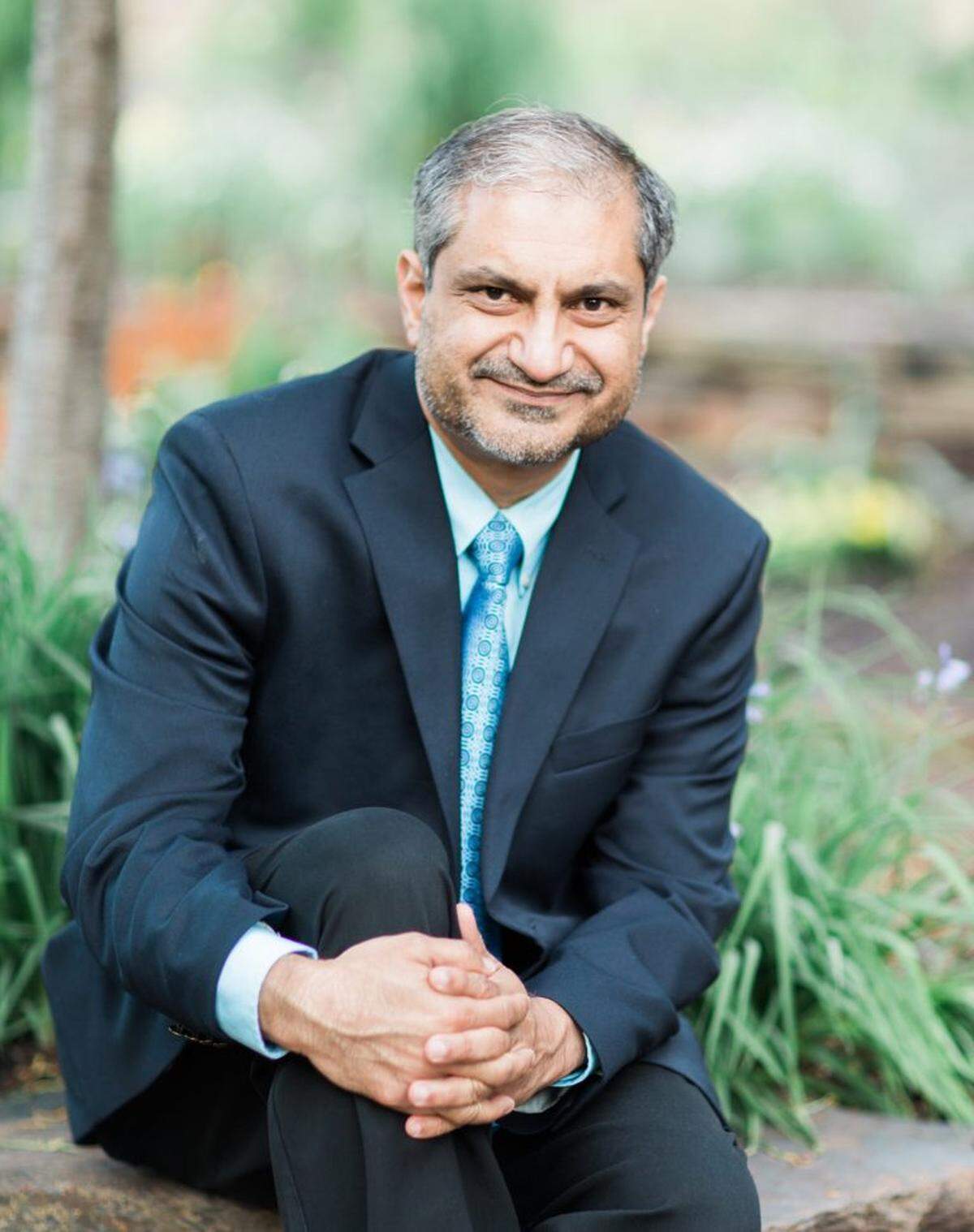
Salman Azhar, the former managing director of Duke University’s angel investment arm, is suing the university, alleging the school showed ethnic bias in its decision to terminate him.
In a complaint filed Tuesday in the U.S. District Court for the Middle District of North Carolina, Azhar — who led the Duke Angel Network between 2018 and 2019 — said Duke discriminated against him when it placed him on administrative leave, banned him from campus and fired him “based on ugly and pernicious stereotypes that Arab men are angry, misogynist, and dangerous.”
The termination appears to stem from a Facebook post that Azhar made in January 2019, in which Azhar shared a New York Times story about male managers being fearful of mentoring female colleagues in the wake of the #MeToo movement, the lawsuit argues. The lawsuit does not say if Azhar added any personal comments to the link he shared.
However, a back-and-forth with a colleague on Facebook led to a gender bias complaint against Azhar that eventually led to his firing, the lawsuit says.
Laura Noble, of the Chapel Hill-based Noble Law Firm, is representing Azhar. The Triangle Business Journal first reported the lawsuit.
Duke University declined to comment about the pending litigation, though Michael Schoenfeld, chief communications officer for the university, said the school “is committed to ensuring an environment free of prohibited discrimination and our policies encourage an inclusive community that respects and values all employees.”
Azhar was appointed head of the Duke Angel Network, known as DAN, in April 2018. DAN, which is charged with connecting Duke alums to invest in Duke-affiliated startups and businesses, manages more than $10 million in investments and has hundreds of members, the lawsuit says.
Azhar joined DAN after working as a faculty member at the Fuqua School of Business and as an entrepreneur in residence in the computer science department. He has also cofounded several companies.
The suit says that after Azhar shared The New York Times story, a female colleague responded to his Facebook post saying she was disappointed that he did not want to mentor women. Azhar then responded that he had not refused to mentor women, and asked to “discuss the issue further.”
That same day, he wrote an apology on his Facebook page and called himself an “ally for women.” But on Feb. 5, the same colleague filed a gender bias complaint against Azhar, allegedly based solely on the Facebook interaction, the lawsuit states.
Azhar, who is of Middle Eastern descent, claims that in subsequent conversations coworkers told him “his ethnicity and culture made him inherently biased to women,” a statement which he reported to the university as discriminatory. He was also accused of being “inherently misogynist because of his actual or perceived race, color, and ethnicity,” the lawsuit notes.
On Feb. 25, after meeting with supervisors several times, Azhar was placed on administrative leave, and ultimately was terminated as managing director of DAN, the lawsuit says.
Azhar claims that his termination was the result of just the Facebook post and that the university couldn’t point to any policies that would “support his sudden termination.”
The suit adds that no previous complaints of discrimination had been made against Azhar in his career, and that he believes his termination was the result of an “underlying belief in stereotypes of Arab-Americans being misogynist and dangerous.”
Additionally, the suit says that Duke refused to pay Azhar a guaranteed bonus for recruiting a certain number of fee-paying members to DAN, and that supervisors told others that he had “H.R. and legal problems,” damaging his reputation.
Duke’s actions, Azhar claims, are hurting his employment opportunities both in academia and with private companies.
In the lawsuit, Azhar is asking for back pay, unpaid wages, compensatory damages and attorney’s fees.
This story was produced with financial support from a coalition of partners led by Innovate Raleigh as part of an independent journalism fellowship program. The N&O maintains full editorial control of the work. Learn more; go to bit.ly/newsinnovate