Hundreds of Duke students have lost internships. Now they’re creating their own.

For many students at Duke University, this summer was going to be a pivotal one.
They had worked for months — years, really — to land coveted internships at companies that would give them valuable working experience and potentially a chance to impress a future employer. In a lot of cases, it would also be a time to get a regular paycheck for a few months.
But for hundreds of students, those opportunities will never happen, as health complications and a cratering economy from the coronavirus pandemic led many companies to cancel their plans for taking on interns.
In response, a group of students in Duke’s computer science and engineering departments have joined together to create their own internships. Their new program, called Project Phoenix, will place teams of technology-minded students together to work remotely over the summer on projects for businesses, government organizations and academic institutions.
It’s an offshoot of the Duke Applied Machine Learning group, which already works on technical projects for businesses and agencies like the Department of Defense. The group acts like a consulting firm, ready to contract on a range of issues, like helping the Army classify and map different radio frequencies.
Project Phoenix organizers believe they can add more than 100 students to the roster this summer, and find real-world projects to work on — a chance to gain experience and prevent a hole from developing on their resume.
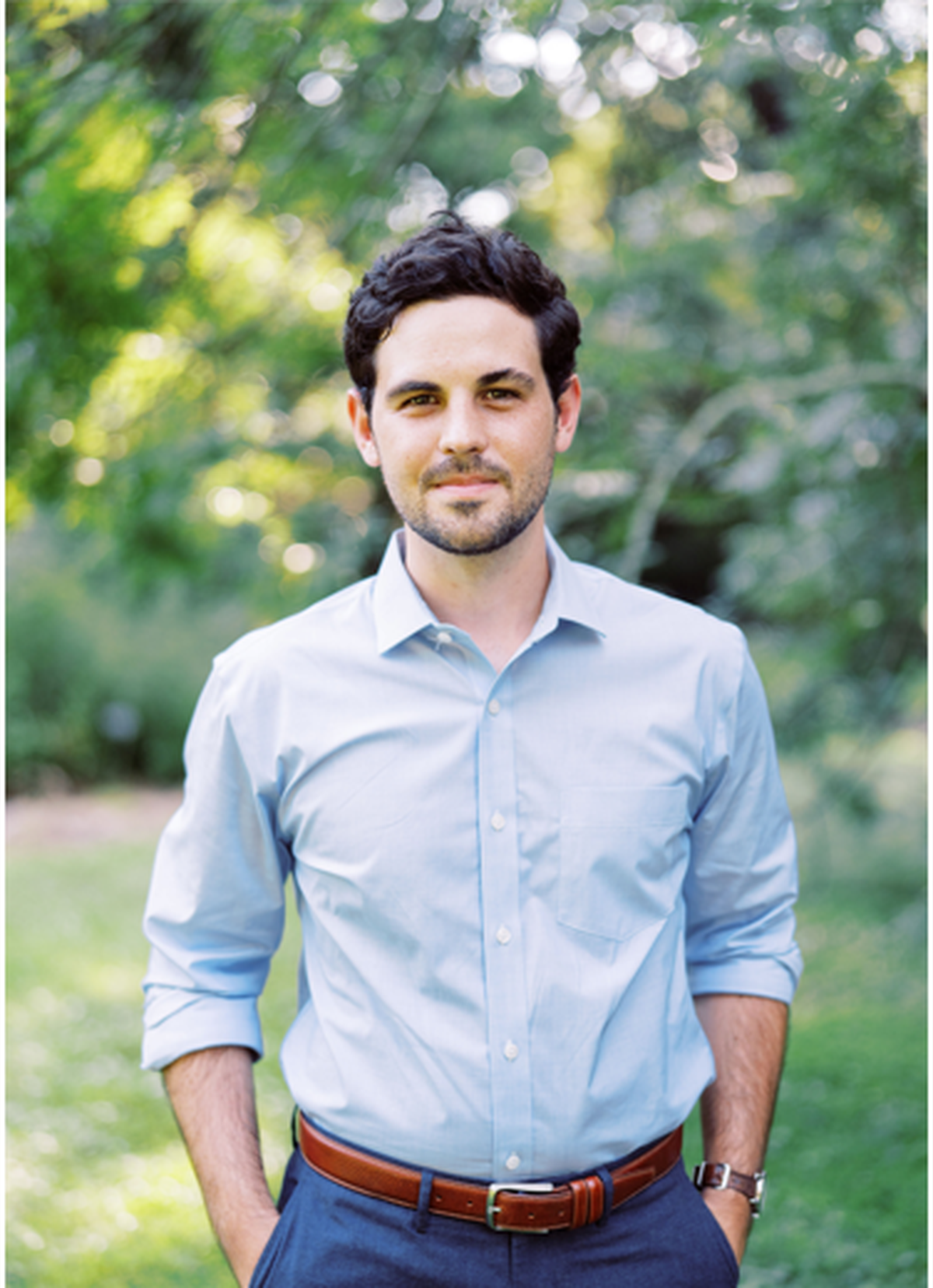
“The goal is to help anyone who doesn’t have an internship ... and give them an opportunity,” said Luke Truitt, a graduate student at Duke and one of the leaders of the project. “We want to connect with as many companies as possible.”
The group has already gotten funding, too, with one professor in the engineering department, Steve McClelland, earmarking $80,000 for Project Phoenix from a grant he received. Truitt said Project Phoenix hopes to attract more funding from the university and the businesses it works with to be able to pay the students who sign on.
So far, 195 students have applied to be part of the program. The organizers hope to narrow the list down to 150 people in the end, depending on the number of projects they have. Already, they have 17 projects in the hopper, and are negotiating with the Department of Defense, some local startups and several other companies about adding more.
McClelland said he believes the project is a great opportunity for those who no longer have something lined up this summer.
“The proactive experience gives them more fuel on what they want to study and what knowledge they need,” he said.
Plus, it will give students — many of whom are stuck at home — some structure to their lives. “A number of students just want meaningful work ... something to work on with other people and to have something to be accountable for,” he said.
Jaidha Rosenblatt, a junior at Duke from Seattle, is one of the students who lost their internship because of the coronavirus. Civis Analytics, a data analytics company in Chicago, recently called him to say that it was no longer feasible for the company to have interns.
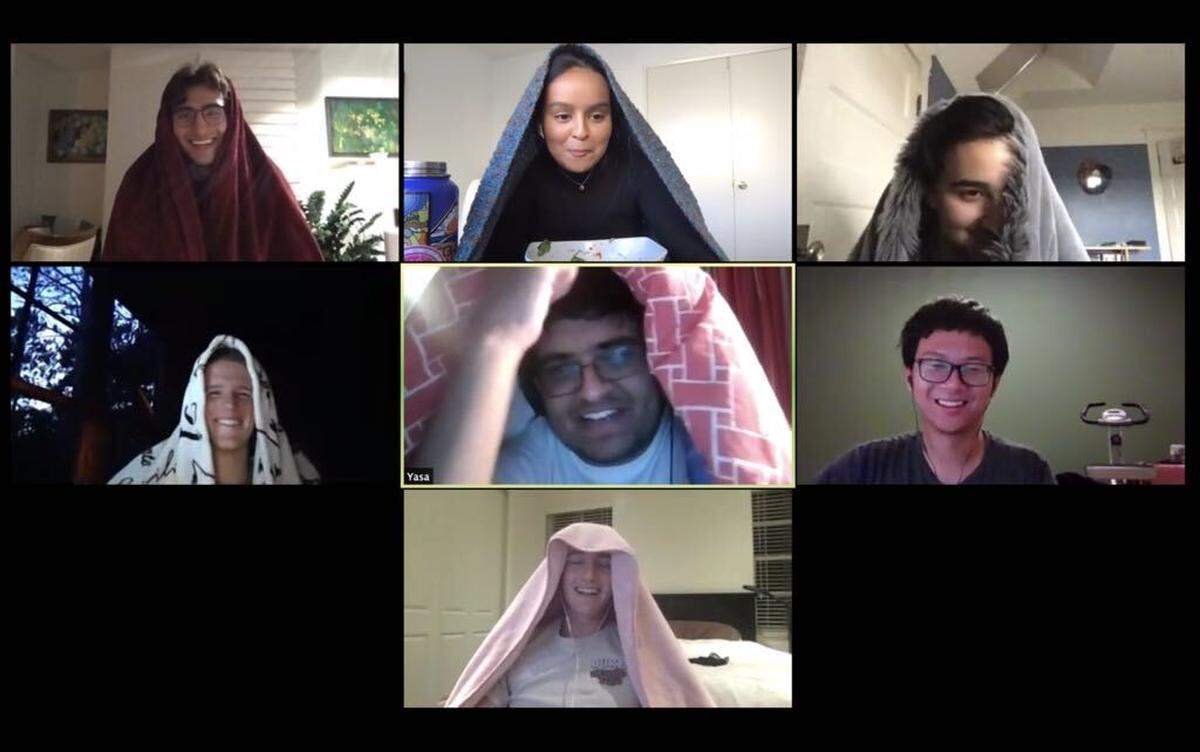
“It was pretty unfortunate to have it pulled away, given I spent the whole semester going through recruiting,” he said.
But Rosenblatt, who had worked with the applied machine learning group before, said he is looking forward to helping lead Project Phoenix.
He’s been encouraged by the number of companies reaching out to the group about helping. Around 20 companies contacted Project Phoenix in response to a single social media post, he said. The group has also been in communication with several companies, like Amazon and Google, about offering some video conferences or speaker panels for Project Phoenix.
Rosenblatt said his biggest hopes for Project Phoenix is that it allows students to gain business experience that is only possible outside of a classroom.
“We want to make sure that each project has pretty clear deliverables, so [students] can point to an app that they made or a widget or a research paper they delivered,” he said. “On a more abstract sense, we want students to feel like they have worked with a client. .... That is what students don’t get from classes.”
This story was produced with financial support from a coalition of partners led by Innovate Raleigh as part of an independent journalism fellowship program. The N&O maintains full editorial control of the work. Learn more; go to bit.ly/newsinnovate
This story was originally published April 22, 2020 at 2:28 PM.