Investors keep belief in Durham’s Sense Photonics. The lidar startup has raised more than $32M.
Sense Photonics, a 4-year-old Durham startup that develops technology for autonomous vehicles, is on a roll.
Since April — and despite a pandemic — the company has hired a former Google executive as its CEO; grown its headcount from around 50 to 70 employees; and raised its funding totals from investors to more than $32 million.
It is one of dozens of companies founded in recent years that focuses on lidar, an acronym for light detection and ranging.
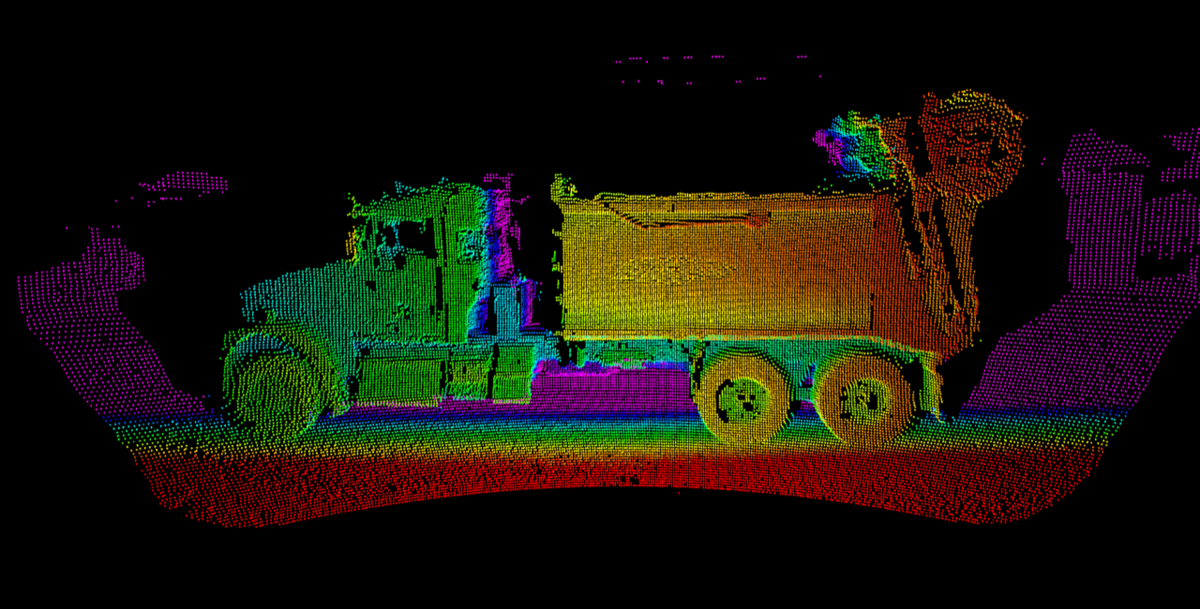
Lidar uses pulses of laser light to measure the distance and shapes of objects. It is a tool that is considered fundamental to a future world where cars and other vehicles drive themselves. The technology, in essence, provides the eyesight that vehicles use to see their surroundings.
A few years ago, the technology received huge amounts of hype, and it felt like we’d soon see a plethora of self-driving cars on roads across the U.S.
Then-U.S. Secretary of Transportation and former Charlotte Mayor Anthony Foxx even anticipated fully autonomous cars being available by 2021.
That hasn’t happened, and the possibility now feels years away even though many companies, from Tesla to Volvo, have rolled out functions that allow their vehicles to drive somewhat autonomously on highways.
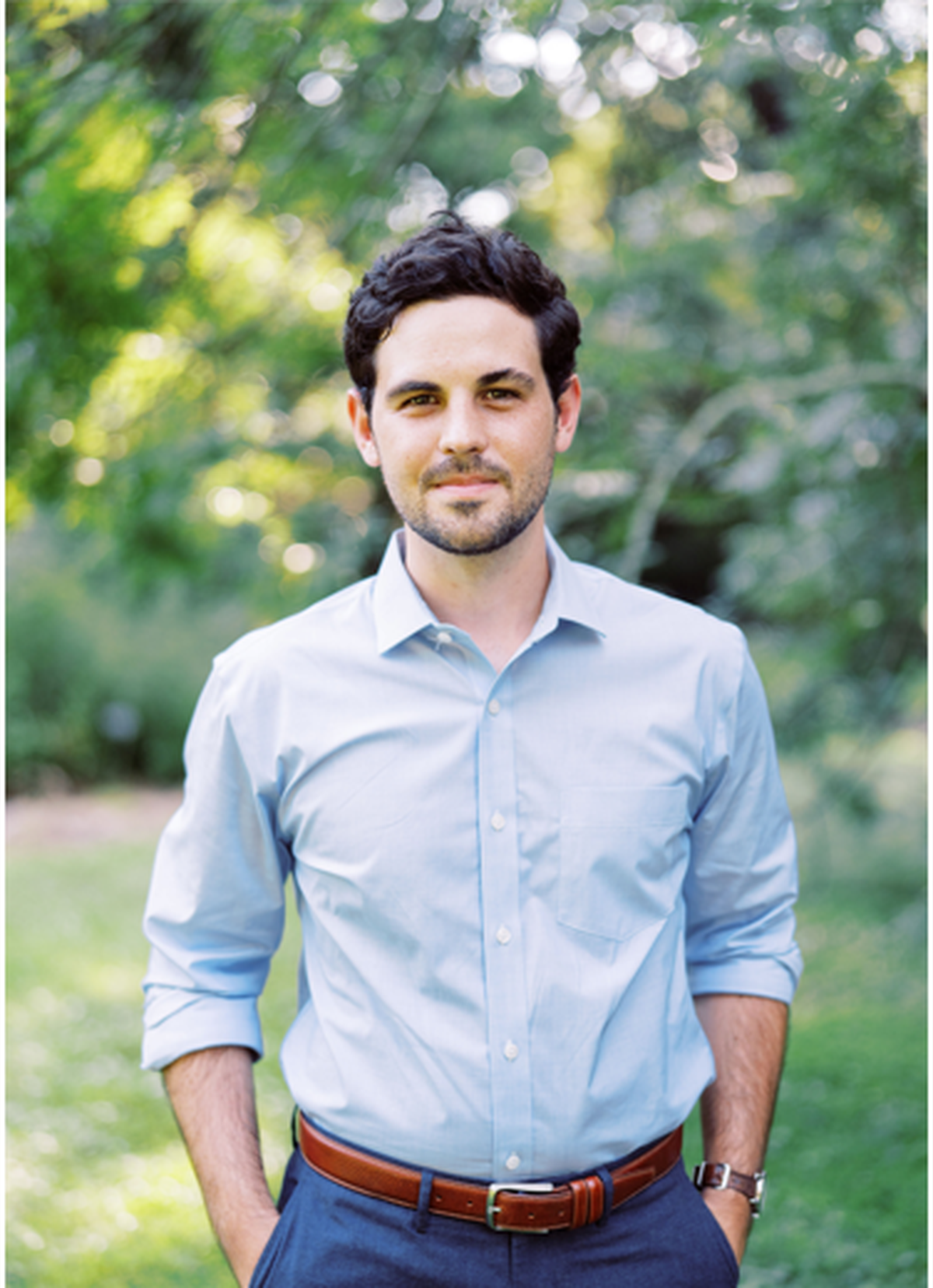
“Everyone has realized it’s not right around the corner until we get fully autonomous cars,” John Cambier, a managing partner at Durham venture capital firm IDEA Fund Partners, said in an interview. IDEA is an early investor in Sense.
“But I will tell you that the car companies are realizing that lidar has valuable applications before you get to full autonomy,” he said, whether that is improving things like lane changes or sensing how far away another car is from you.
What helps Sense Photonics stand out from other lidar companies is that its technology is solid state and has no moving parts. If your lidar technology involves a spinning light emitter and receiver, said CEO Shauna McIntyre, it is more likely to wear out.
“That’s a mechanism that will break down,” McIntyre, who previously worked on mapping at Google, said over video chat. “In a car, there’s a lot of vibration. You hit potholes, you have wind, you have just every possible thing that can go wrong in a car. That’s what I think is so fascinating about the industry ... it’s just a really hard kind of environment for any sort of technology.”
Sense’s emitters don’t move, which allows them to be more subtly integrated into windshields and headlights. “It’s that simplicity that the industry really is getting more and more excited about,” McIntyre said.
She believes that for the next few years, the automotive industry will use lidar to improve assisted driving rather than to create fully autonomous vehicles.
“I think people still want to own their car, but they want more productivity, and they want to be safer when they’re in their car,” she said. “They don’t want technology thrown at them, and they need something that’s intuitive — and that’s where I think lidar has a really unique opportunity.”
Over the next few years, she said, we will likely see big improvements in small use cases, like a vehicle parking itself or coming to pick you up and improvements to last-mile delivery. There are a lot of things that could be done at low speeds, she added, like allowing your car to take over in stand-still traffic so the driver could perhaps do other things.
Beyond cars, lidar also has huge opportunities in industrial, agricultural and trucking uses, McIntrye said. You could imagine, for example, an automated trucking fleet more efficiently docking at loading bays by using lidar.
“Every truck on average idles about 10 minutes before waiting for its bay,” she said. “So if you removed 10 minutes of truck idling ... you can improve air quality.”
McIntyre said the company is not done raising money, and it will likely add some more in the near future.
The company is investing most of it in research and development as well as beefing up its sales team. Sense Photonics has three offices around the world, with a lot of R&D being done in Durham and Scotland. The executive team and many of the firm’s software developers are based around San Francisco.
McIntyre said Sense was split pretty evenly between the three offices. She noted that even though many comapnies are going virtual, she hopes to return to the office as soon as possible.
“I am getting flexible, but not very flexible,” she said of hiring. “I really tried to stay close to our locations [when it came to hiring], mainly because, A, I hope this thing ends, and, B, we can all go back to being in person. I really miss it.”
McIntyre said Sense was on the verge of landing contracts with some major companies.
“We’re on the cusp of some some exciting things on the automotive front,” she said, “but I can’t really disclose much yet.”
Cambier said if Sense is able to close a handful of significant deals, it will prove the company has enough momentum for investors to back it with even larger amounts of capital.
“With all the hype of a few years ago, investors and companies have realized that true autonomous vehicles are still three to five years away,” Cambier said. “There is more caution with later-stage investors... They want to see more proof points to what they are doing.”
“This round is going to enable us ... to get those proof points,” he said.
This story was produced with financial support from a coalition of partners led by Innovate Raleigh as part of an independent journalism fellowship program. The N&O maintains full editorial control of the work. Learn more; go to bit.ly/newsinnovate
This story was originally published November 20, 2020 at 8:00 AM.